A garment and an archive are not the same thing
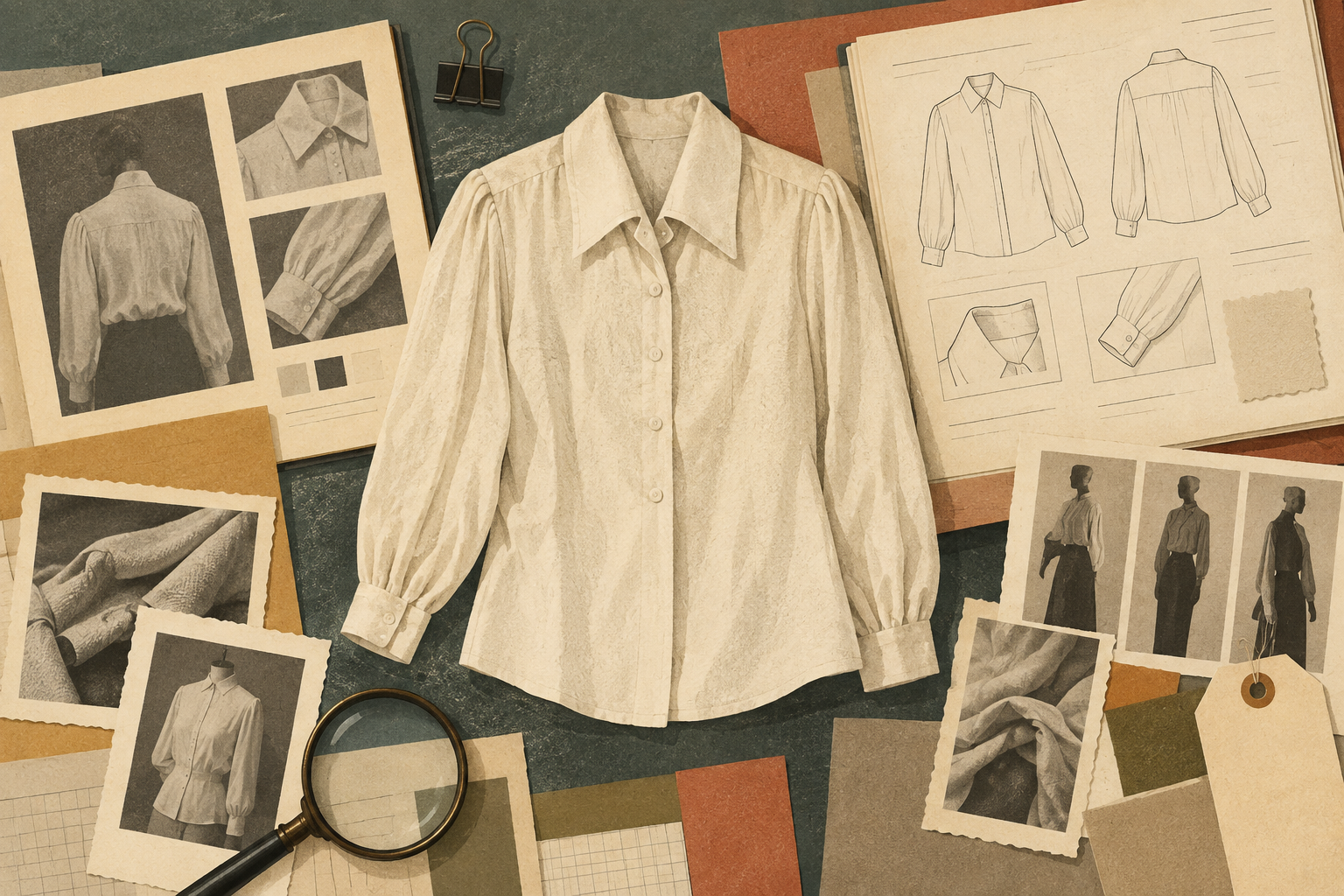
A preserved garment can provide material evidence, but it cannot tell its entire story on its own. A photograph shows an appearance at a particular moment and within a particular frame; a catalogue organizes objects through selection; an exhibition creates a route through them. To study fashion as a social practice, it helps to ask what kind of evidence each document offers and what it leaves out.
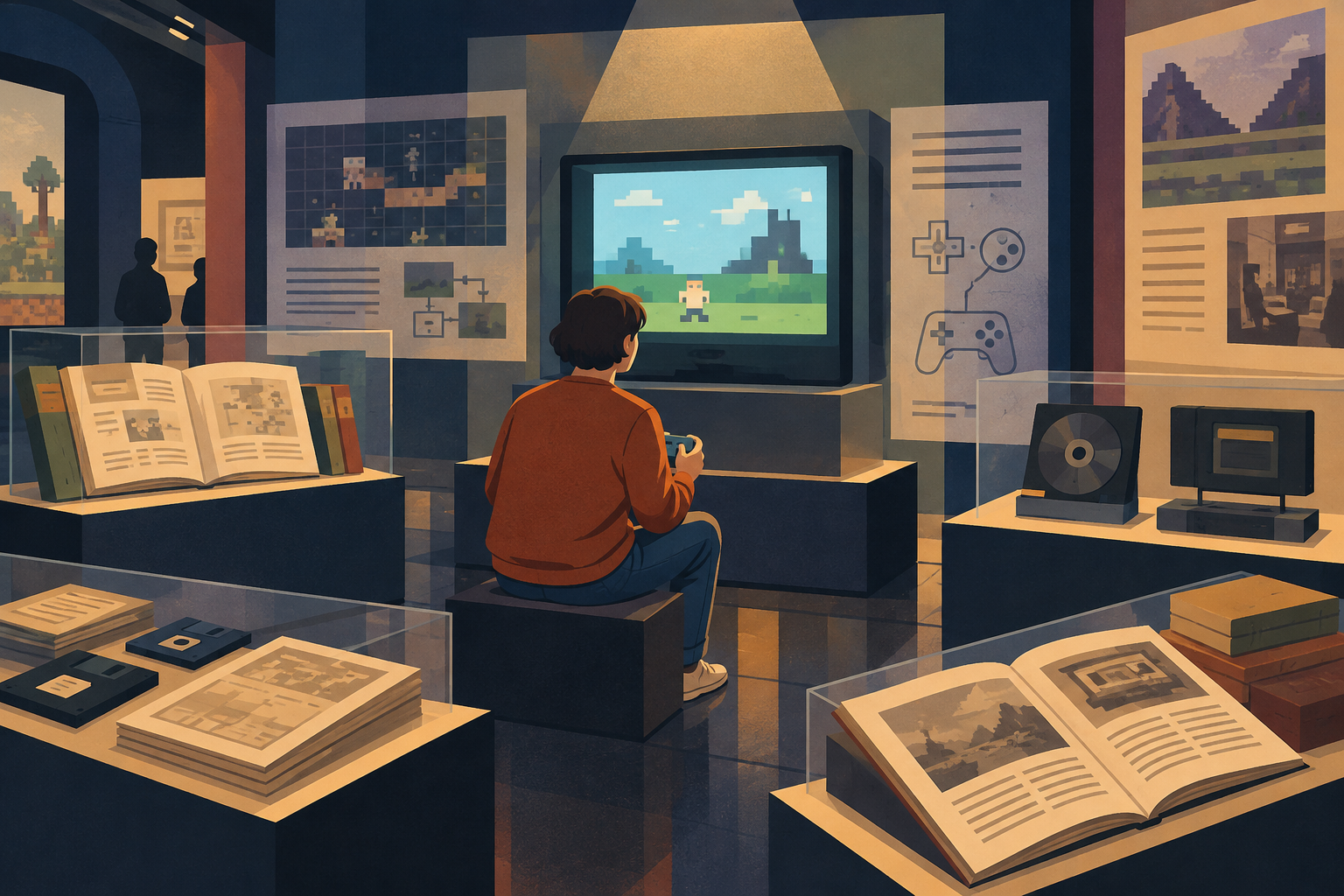
The Museo del Traje exhibition La moda en la historia presents the dialogue between customs and fashions across three centuries. Its available description speaks of fashions that become customs and customs that fall out of fashion. This offers a useful way to think about change and continuity, but it is not enough to establish a specific use for a particular garment. A title and a description point toward a question; answering it requires examining the objects and their documentation.
An exhibition provides context, not a complete sample
The documentary about En Madrid. Una Historia de la Moda, 1940-1970, presented at Sala El Águila, provides a specific geographic and chronological frame. Its title defines the subject as fashion in Madrid from 1940 to 1970. Without consulting the documentary and its sources, it does not allow us to claim which garments were prevalent, who wore them or how their use differed across social groups.
This distinction prevents an exhibition from being mistaken for a portrait of an entire society. A curatorial selection makes certain objects and relationships visible; it is not automatically a representative sample of the population. Further research would identify the selection criteria, each object’s provenance, its attributed dates and the documentation connected with it. The material supplied here does not specify those details, so they remain research questions.
A catalogue helps define what can be claimed
The Museo del Traje catalogue La moda imposible. Moda de vanguardia, 1960-2010 announces a selection of avant-garde fashion from the museum collection which, according to its description, had until then remained unseen. Its stated scope covers half a century and focuses on avant-garde fashion. It should therefore not be treated as an inventory of all fashion from those years, or as direct evidence of how often a garment was worn outside the museum.
A catalogue can help identify which objects were studied and how they were presented; reconstructing use requires other evidence. Non-advertising photographs, attributable testimony, production records or evidence of circulation could offer different perspectives, but the sources provided here do not include those materials. A careful account names what the catalogue presents and does not fill its silences with a generalized story.
Ask about use, not just appearance
The academic article La indumentaria como archivo: enfoques y problemáticas raises a central question: how clothing can be understood as an archive, and what narratives determine which garments enter it. The available summary does not support attributing specific conclusions to the article, but its framing identifies an important editorial problem: preserving and classifying also involve selection.
The question “which sources show use rather than advertising alone?” calls for comparison. A promotional image can show how a garment was meant to be presented; by itself, it does not prove that people wore it that way in everyday life. A contextual photograph might provide another kind of clue, but it too requires questions about who appears, where it was taken and for what purpose. No single source necessarily answers all of these questions.
Archives and museums as research routes
PINKER Moda’s listing of textile museums and archives is described as a selection of European and American institutions that can offer inspiration for design. That description establishes its orientation toward resources and inspiration, not a method for reconstructing social use. Breve historia de la museología del traje also offers a general frame for clothing exhibitions, but the available summary is too broad to apply its observations to a particular collection or period.
Taken together, these resources suggest a route rather than a settled conclusion: locate garments and catalogues, identify how they were selected, and look for sources that document contexts of use. They also help separate two questions often conflated: fashion’s visual language and the material and social history of clothing. Design and music can connect scenes and styles, but they cannot replace evidence about garments.
Limits belong in the account too
The supplied sources point to exhibitions, a catalogue, research on clothing and directories of archives; they do not include specific photographs of use, detailed object inventories or attributable testimony. They therefore cannot establish how “everyone” dressed, measure the spread of a trend or assign uniform meanings to a garment.
That limit does not make the research useless. It makes it possible to explain clearly what is known and what still needs checking. An exhibition documents a selection; a catalogue gives the frame and focus of a collection; a study offers questions with which to approach an archive. Fashion becomes legible when these layers are compared without confusing the image of a garment with the experience of wearing it.
- Decade
- Contemporary
- Region
- Spain
- Level
- Enthusiast
- Entities
- Museum, Museo del Traje, La moda imposible. Moda de vanguardia, 1960-2010
Sources and references
- La moda en la historia - Museo del Trajemuseodeltrajevirtual.com · 2026-10-06
- Exposición "En Madrid. Una Historia de la Moda, 1940-1970" ...www.youtube.com · 2026-10-06
- La indumentaria como archivo: enfoques y problemáticasdialnet.unirioja.es · 2026-10-06
- La moda imposible. Moda de vanguardia, 1960 - 2010www.cultura.gob.es · 2026-10-06
- Museos y archivos textiles en el mundo para inspiración de ...pinkermoda.com · 2026-10-06
- Breve Historia de la Museología del Trajeevemuseografia.com · 2026-10-06