The management of technological heritage has moved beyond mere physical custody. Today, the integration of digital tools redefines how the history of devices is documented, protected, and presented. This shift does not imply abandoning the material object but complementing it with layers of information that facilitate its understanding by the current public. The article analyzes how these innovations act as bridges between the historical artifact and its contemporary interpretation, expanding the reach of museums beyond their physical walls.
The transition from custody to documentation
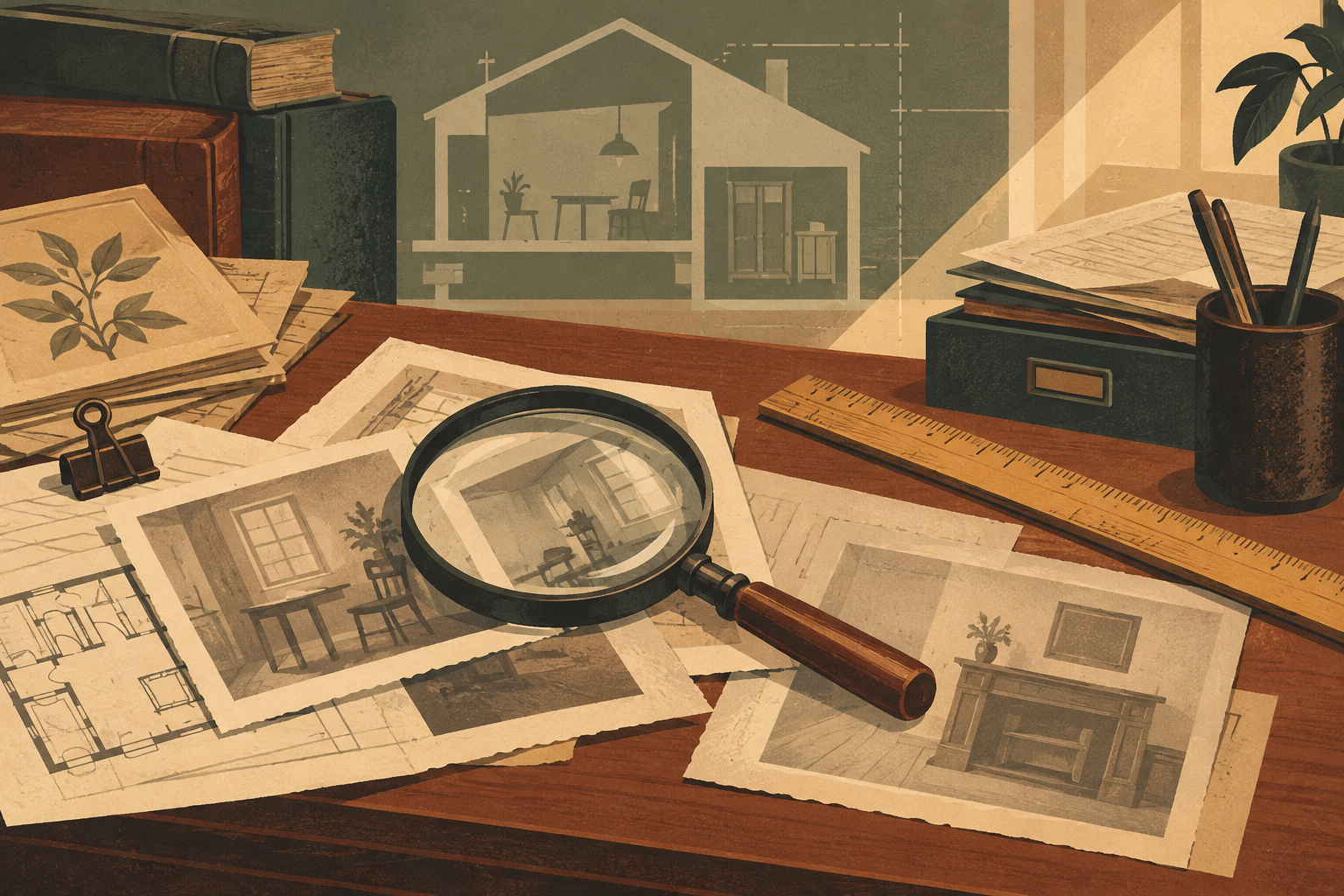
Traditionally, preservation focused on maintaining the physical integrity of objects. However, sources indicate that the approach has evolved toward the integration of digital tools. This transition allows not only to store the object but also to record its technical and cultural context. Digitalization thus becomes an active method of documentation, where the value of heritage resides not only in its matter but in the information that surrounds and defines it.
The role of 3D modeling and virtual reality
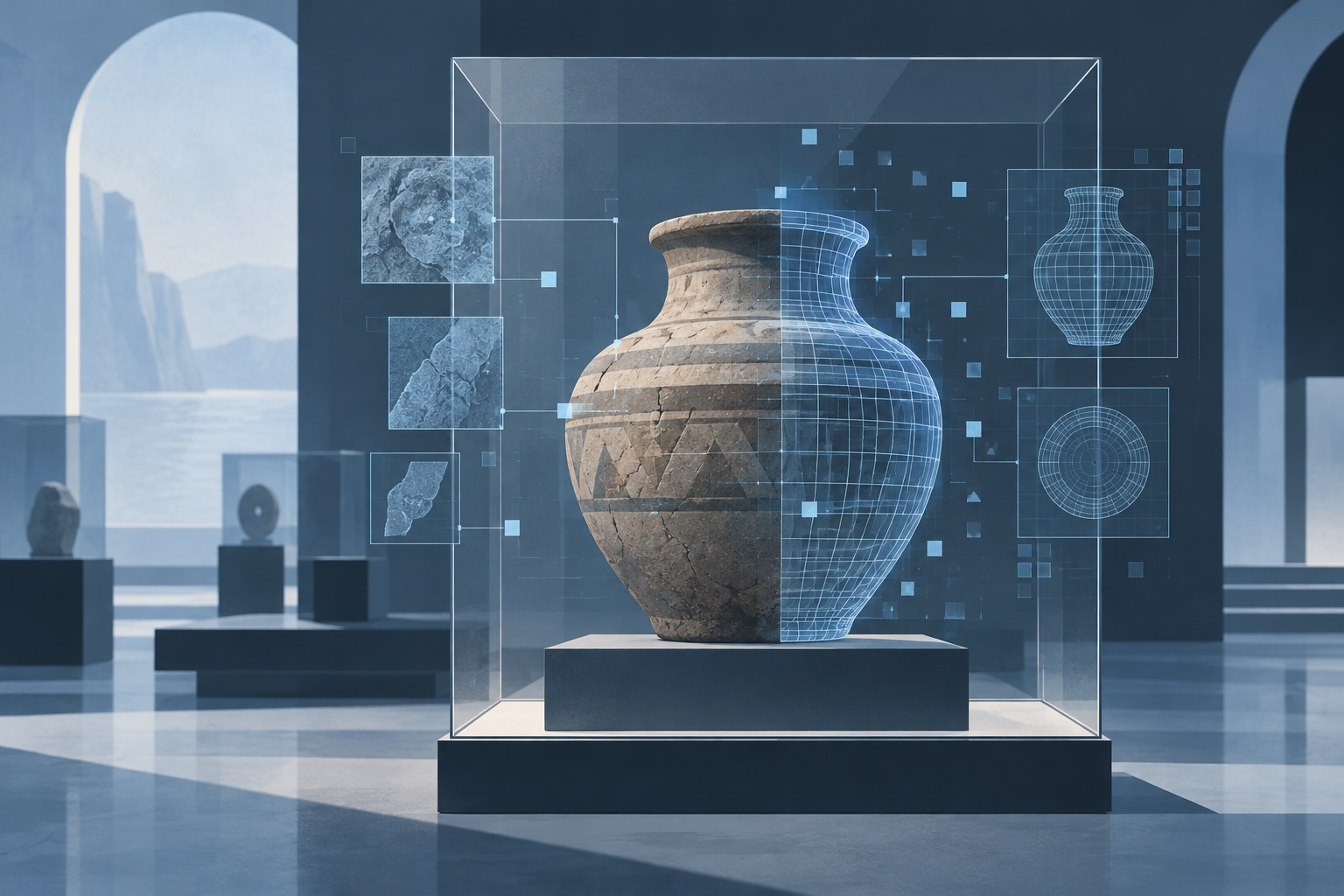
Among the highlighted innovations are 3D modeling and virtual reality. These technologies offer new ways to interact with heritage. They allow users to explore devices from angles impossible in a physical display case and understand their internal workings without the risk of deterioration. This interactivity transforms the passive experience of observation into an active learning process, making heritage more accessible and understandable for diverse audiences.
Complementarity with material conservation
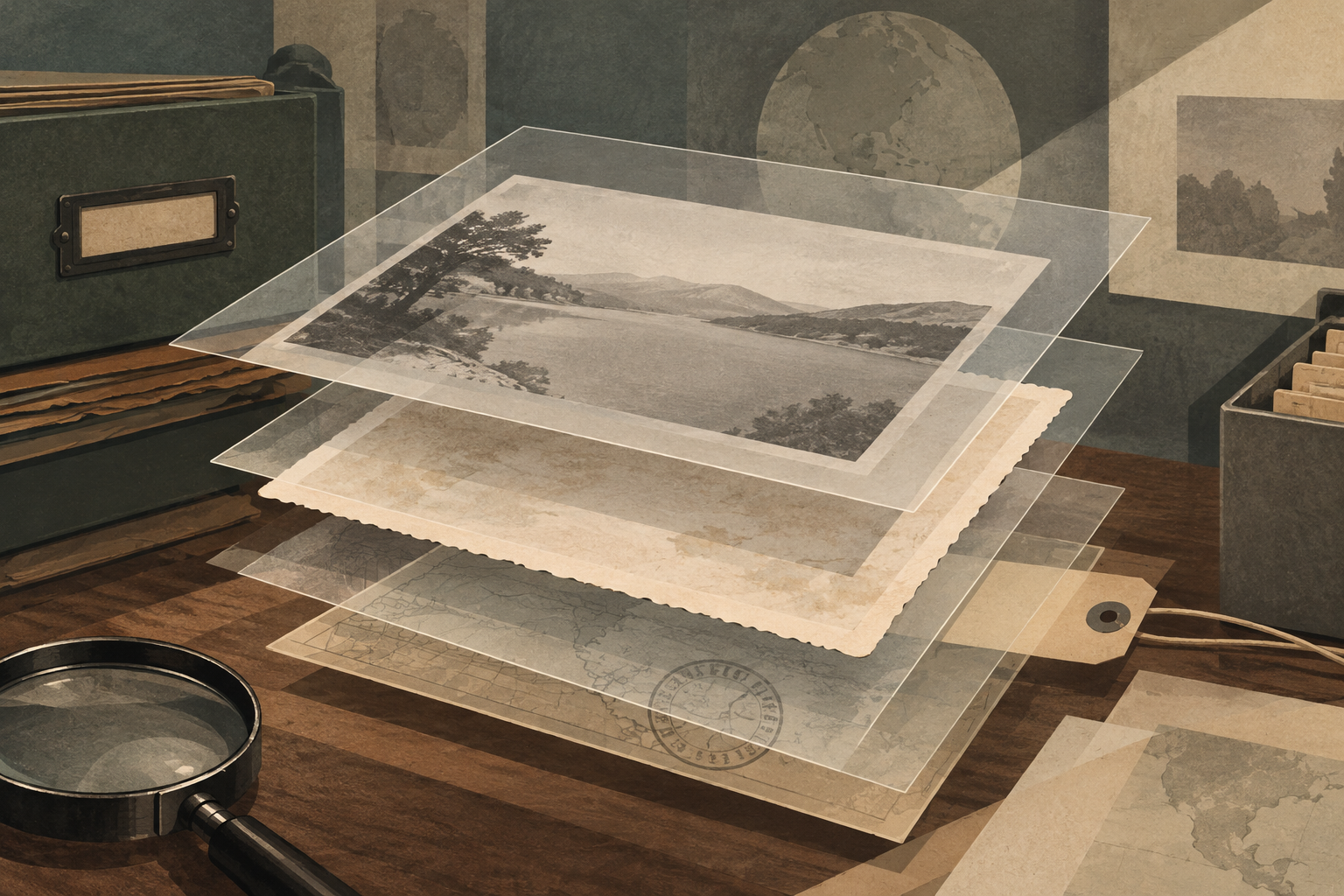
It is crucial to clarify that digital technology does not replace material conservation. Both strategies are complementary. While physical conservation protects the tangible existence of the object, digitalization protects its meaning and context. Together, they create a more robust preservation ecosystem. Digital information acts as a backup that ensures that, even if the physical object suffers damage, the knowledge about it is not completely lost.
Digital conservation plans in museums
To manage this new reality, museums have adopted Digital Conservation Plans. These documents are fundamental for the preservation of digital supports. They establish protocols to ensure that digital information does not degrade or get lost over time. These plans ensure the continuity of access to digital resources, treating digital information with the same seriousness and rigor applied to physical objects in collections.
Expansion of museum reach
Digitalization allows technological memory to transcend the spatial and temporal limitations of physical exhibition. A museum is no longer limited by the size of its rooms or the geographical location of its visitors. Through digital platforms, heritage can reach anywhere in the world. This expansion democratizes access to technological history, allowing people who cannot visit the museum in person to participate in the preservation and study of these assets.
Cultural and technical context
Technology acts as a bridge that facilitates the study of how devices influenced daily life and culture. By adding layers of information, museums can explain not only what an object is but how it was used, who used it, and what impact it had on society. This contextual approach enriches the museum narrative, offering a more complete and nuanced view of technological history, connecting the past with present experiences.
Limits and final considerations
Although digital tools offer significant advantages, their implementation requires resources and specialized knowledge. The available evidence highlights the potential of these technologies but does not detail the specific technical or economic challenges of their long-term maintenance. Digital preservation is a constantly evolving field, where strategies must adapt to new technologies. The key lies in balancing digital innovation with the solidity of physical conservation, ensuring that technological heritage remains accessible and understandable for future generations.
- Decade
- Contemporary
- Region
- Global
- Level
- Introduction
- Entities
- Museum
Sources and references
- Desarrollo y conservación del patrimonio cultural-natural en el contexto neoliberal y nuevas tecnologíasdoi.org · 2026-10-17
- Conservación y Restauración del Patrimonio Cultural en soporte Papel - Museo Jesuítico Nacional de Jesús Maríadoi.org · 2026-10-17
- Preservar la historia mediante la tecnología moderna.translate.google.com · 2026-10-17
- El papel de la tecnología en la preservación del patrimonio ...kunturlablatino.substack.com · 2026-10-17
- Plan de Conservación Digital para Museosevemuseografia.com · 2026-10-17