A catalogue identifies, but does not certify on its own
The question “Which catalogue identifies series and variants?” seems to call for a single name. The available evidence suggests a less definite answer: the sources consulted provide different kinds of identification, but do not show one catalogue that resolves every series and variant. A museum record may identify an object; a thesaurus may organise terms and record historical information; a company page describes its collectibles; and an educational article offers a general narrative. These functions can complement one another, but they are not interchangeable.
For example, the CER.es record from Spain’s Ministry of Culture lists an object titled “Álbum de cromos” (“Sticker album”) and gives a Museo del Traje location, an inventory reference and names associated with Barcelona, including Rosés and Ediciones Ada. The record is useful for recognising a specific museum object and its cataloguing data. However, the consulted extract provides neither a date nor a list of cards or variants. It would be unwise to attribute information to the record that does not appear in the available entry.
Follow the clues without turning them into certainties
The Cultural Heritage Thesaurus provides a different kind of clue: it states that in Spain the first album of this type was “Historia de la Península Ibérica” and mentions an album issued in 1901 for collecting wrappers. This is a specific claim attributed to an institutional source, but it is not a complete inventory of editions or a guide to variants. The reference invites follow-up questions—what edition is being described, how is “this type” defined, and what documentation supports the identification—without answering them in advance.
A RetroPause article about wrappers and the newsstand, in turn, reports that the Museo del Álbum de Cromos de Estadilla places among Spain’s antecedents overseas products whose wrappers included pictures. The wording matters: this is an antecedent identified by that museum, not sufficient proof for reconstructing a specific series. Educational accounts of the spread of picture cards during the nineteenth century may guide research, but a general historical narrative does not automatically identify an individual item.
A series takes shape through comparison
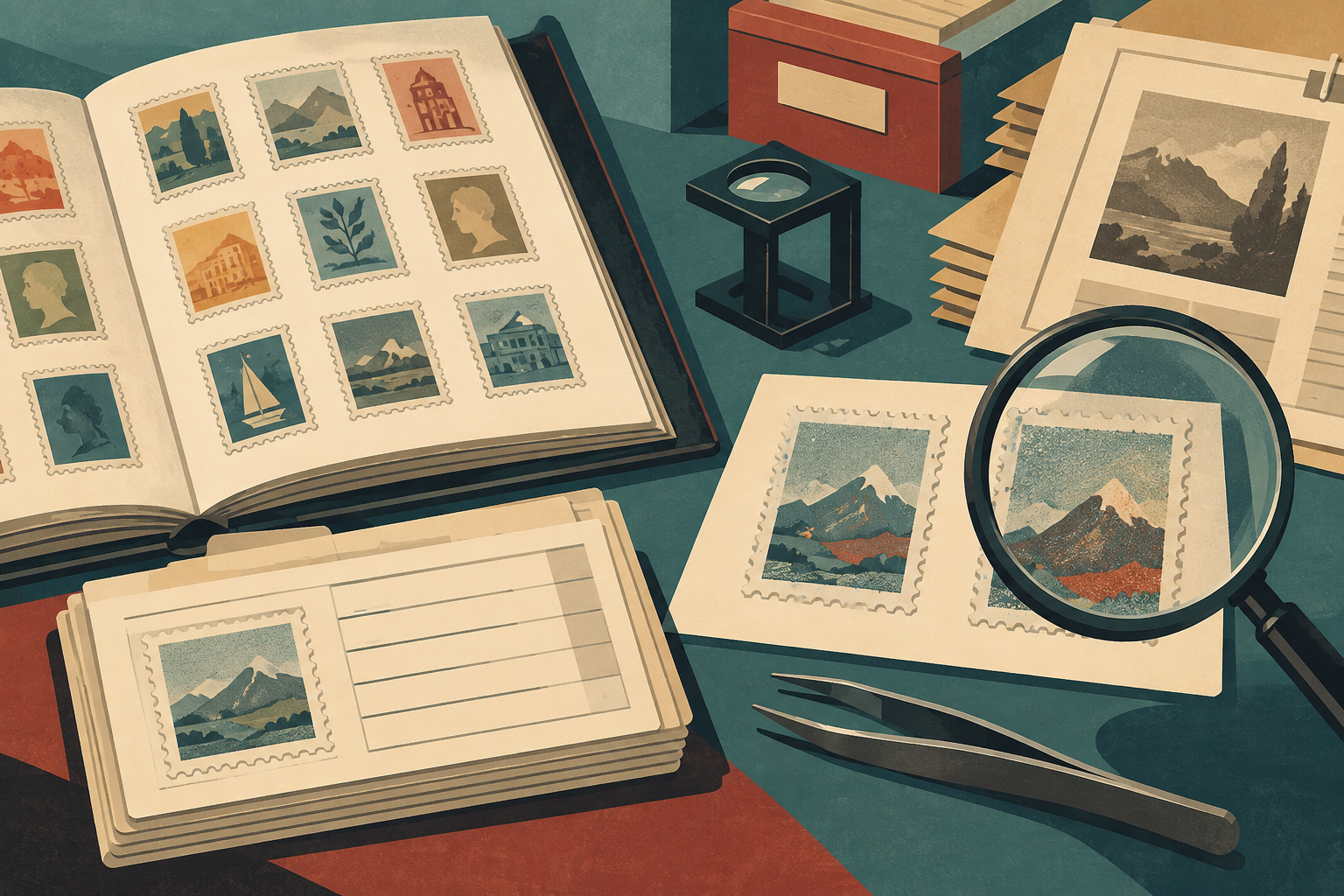
When studying a series, it helps to keep several questions separate: what the object is, who produced or published it, how it relates to an album, and what visible differences might constitute a variant. The available sources do not provide a model record that answers all of these questions. They do, however, show why it is useful to bring together evidence from different origins and state what each source contributes.
Panini’s Spanish-language page presents information about its collectibles, new releases, stickers, trading cards and albums. It is a company source for understanding how Panini describes its current offer. It should not automatically be used to establish the features of an old collection. An article by Brandstocker, meanwhile, says that Panini was founded in Modena in 1961 by the Panini brothers after they acquired rights connected with a football sticker collection. Because this is a claim in an educational article and is not corroborated here by another independent historical source, it should be attributed and treated as a lead rather than a settled conclusion.
Commercial collections leave different kinds of traces
The Jet chocolate bar illustrates how a collection can be associated with an everyday product. The entry consulted says that the Colombian brand, marketed since 1961 according to that text, has issued limited-edition collectible albums. The same entry mentions product varieties and formats, but that does not establish that each variety of chocolate corresponds to a variant of a card or album. These are different objects and documentary categories; confusing them would produce a misleading classification.
This example is also a reminder not to transfer commercial information—such as production or sales figures reported in an encyclopaedia entry—into the material history of the collectibles. To identify a card, relevant evidence would need to describe it or make it possible to compare it directly. A mention of an album supports the claim that a collectible practice has been reported; it does not establish that a series is complete or that every example is authentic.
Exchange, preservation and recognising what is missing
The materials consulted do not document specific exchange networks, their rules or the circulation of cards among collectors in sufficient detail. It would therefore be inappropriate to reconstruct a local practice as though it had been established. The limitation itself is worth recognising: an album, a catalogue and a company source preserve different parts of the record. The absence of an item from a record does not prove it never existed; its presence in a collection is not, by itself, enough to establish its provenance or place in a series.
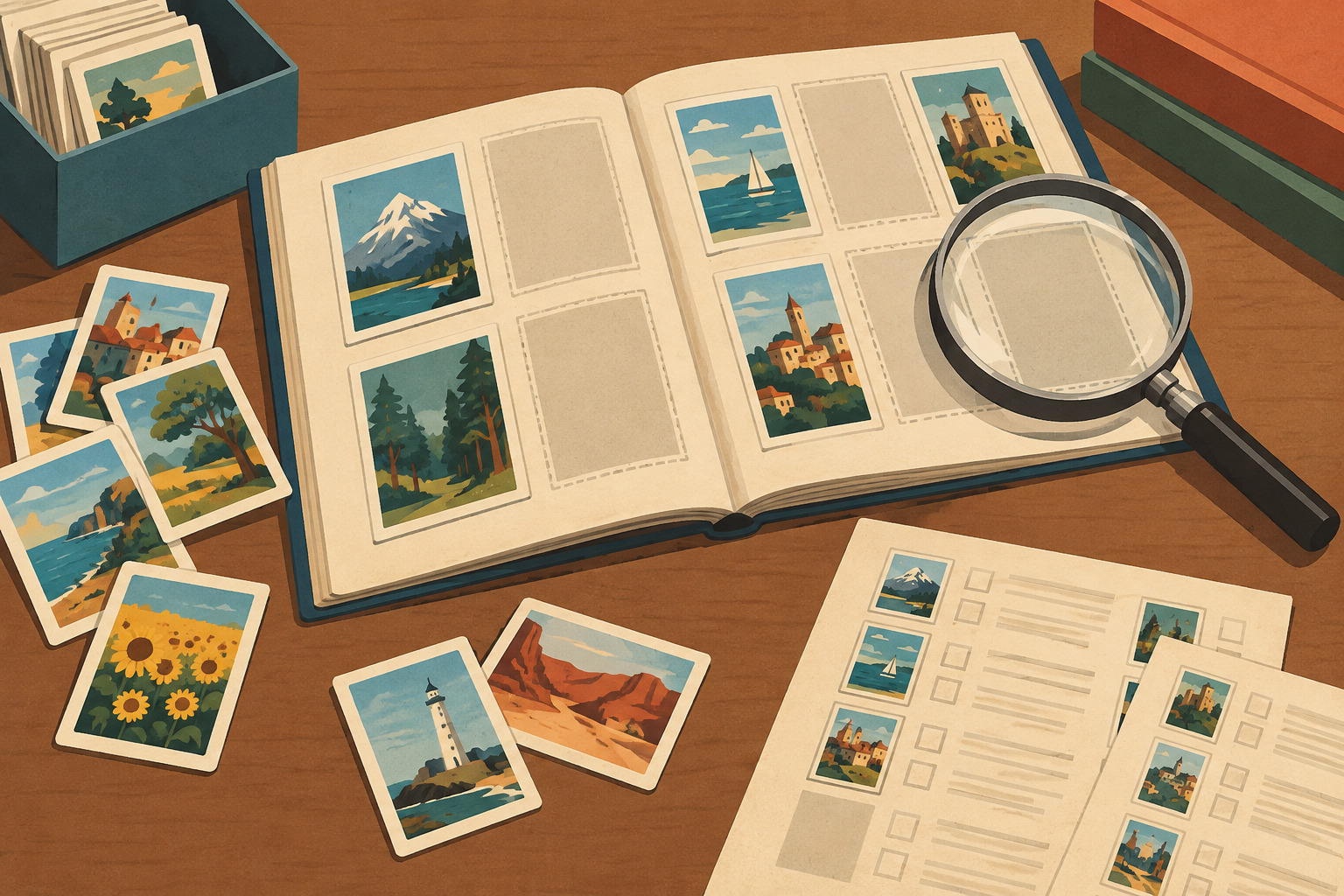
For responsible identification, a catalogue is a starting point: it helps name what has been recorded and directs further checks. Variants require comparison between examples and relevant documentation; estimates of value cannot replace that evidence. The strongest conclusion supported here is not that a definitive guide exists, but that different sources answer different questions. An album can organise cards, a catalogue can describe an object, and research should make visible both the points of agreement and the gaps that remain unresolved.
- Decade
- Contemporary
- Region
- Global
- Level
- Enthusiast
- Entities
- Museum, Museo del Traje
Sources and references
- Álbum de cromos - CER.es - Ministerio de Culturaceres.mcu.es · 2026-10-03
- Una historia de cromos - Pixartprintingwww.pixartprinting.es · 2026-10-03
- Cromos y coleccionables Paniniwww.panini.es · 2026-10-03
- ¿Quién creó Panini? Origen e historia de los cromos más ...www.brandstocker.com · 2026-10-03
- Del envoltorio al quiosco: cómo los cromos se convirtieron en unwww.retropause.com · 2026-10-03
- Álbum de cromos - Tesaurostesauros.cultura.gob.es · 2026-10-03
- Jet (chocolatina)es.wikipedia.org · 2026-10-03