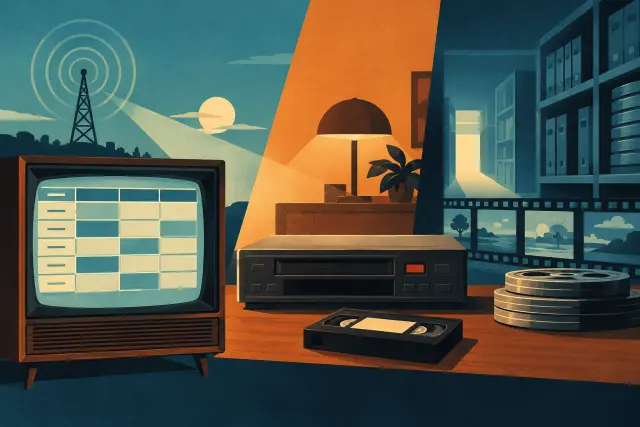
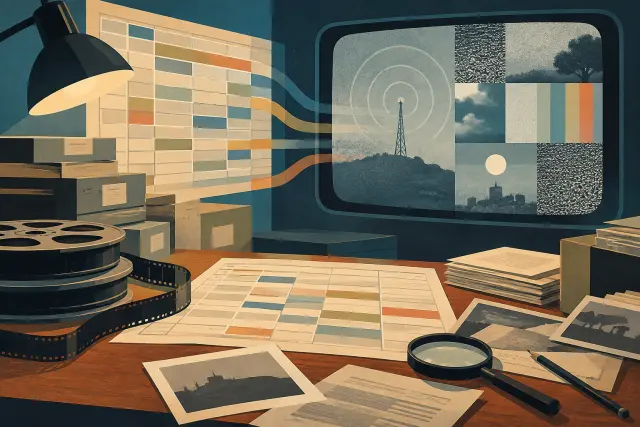
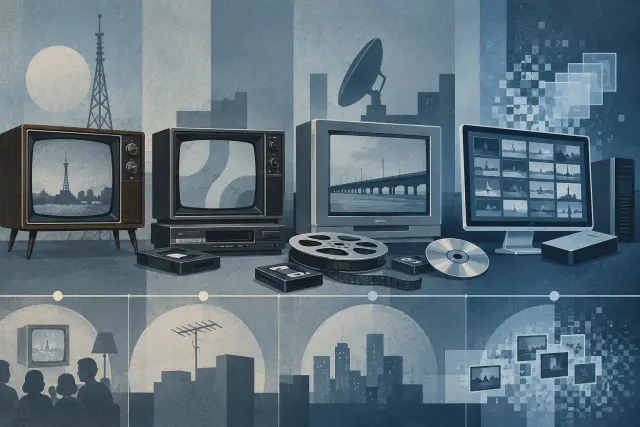
A system for transmitting and receiving moving images and sound at a distance, using radio waves or specialised cable networks.
Selected excerpts from our archive offer more context on this subject. Each reading links to the original article and its sources.
How to Read a Television Archive as Cultural Heritage
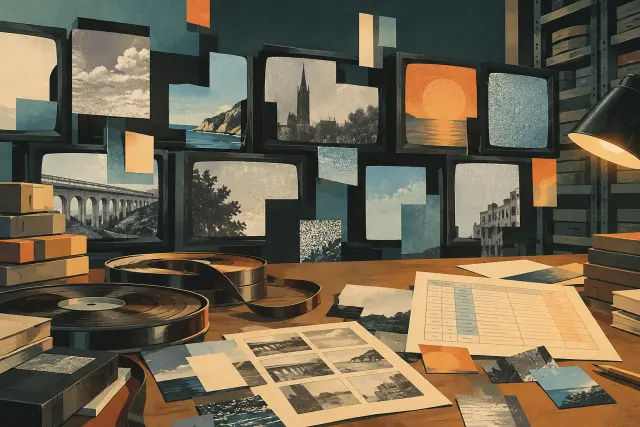
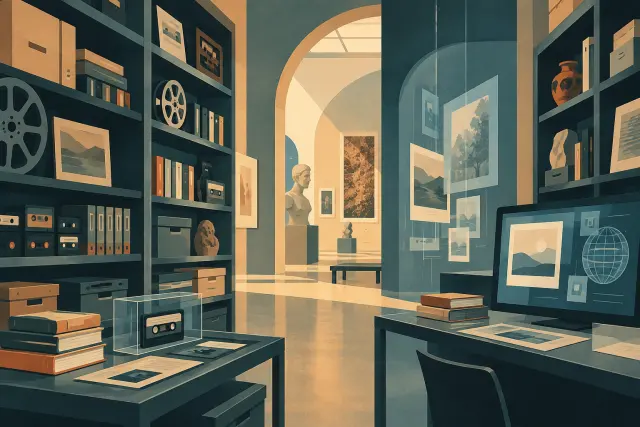
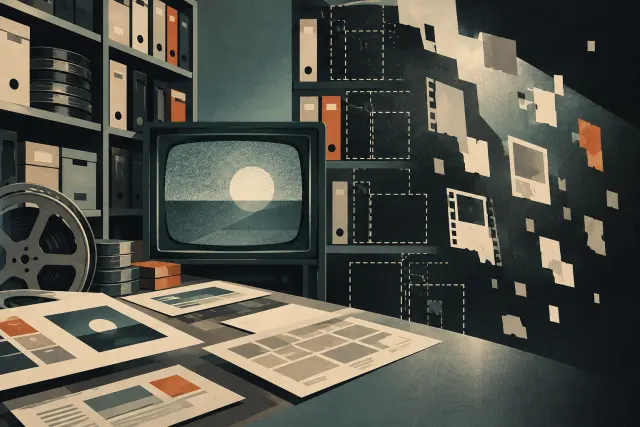
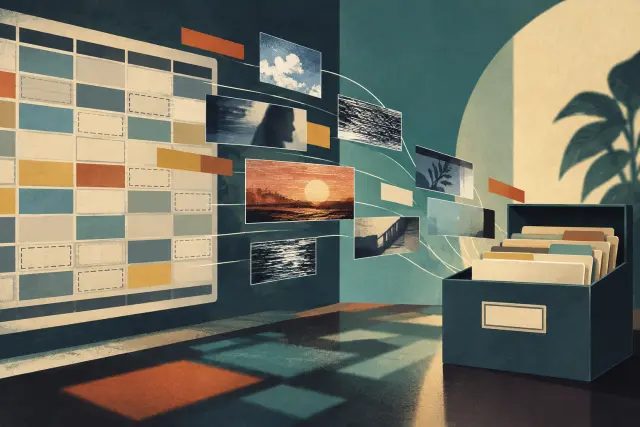
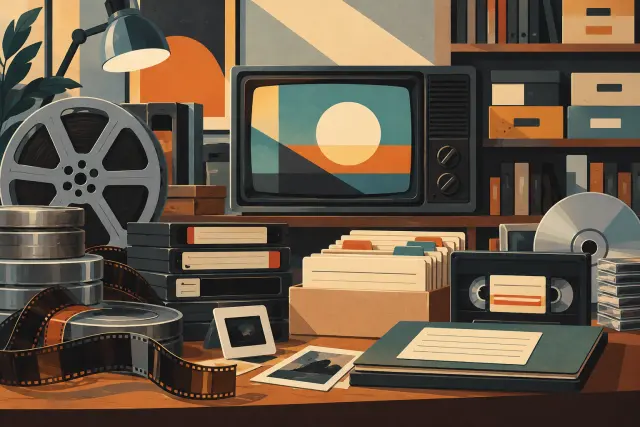
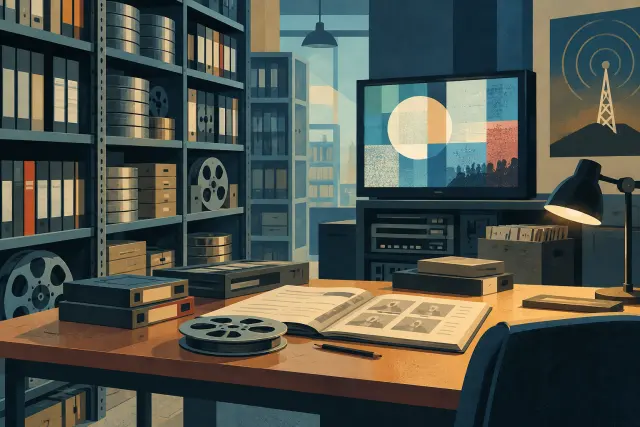
When television archives are discussed, attention usually falls on recovered broadcasts: a news report, interview, drama or event coverage. That view is understandable, but incomplete. A television archive brings together audiovisual documents as well as the equipment, descriptions and contexts that make them interpretable. Its value does not rest only on an image being viewable again; it rests on that image being identifiable, situated and understood.
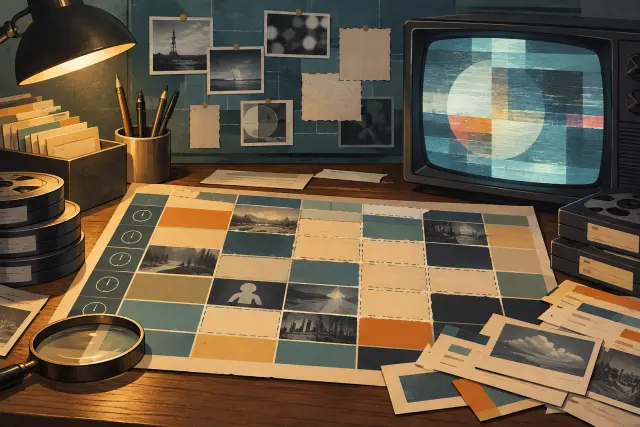
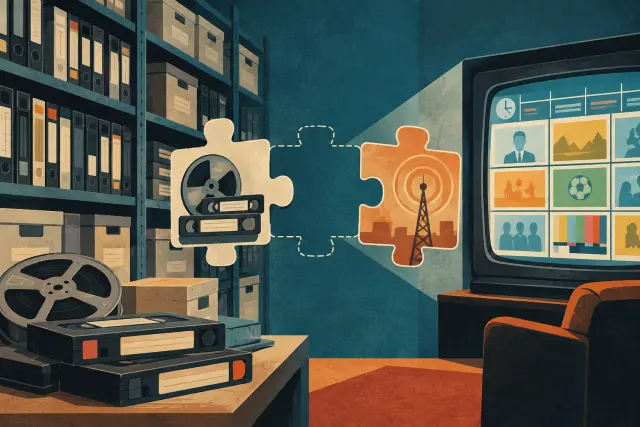
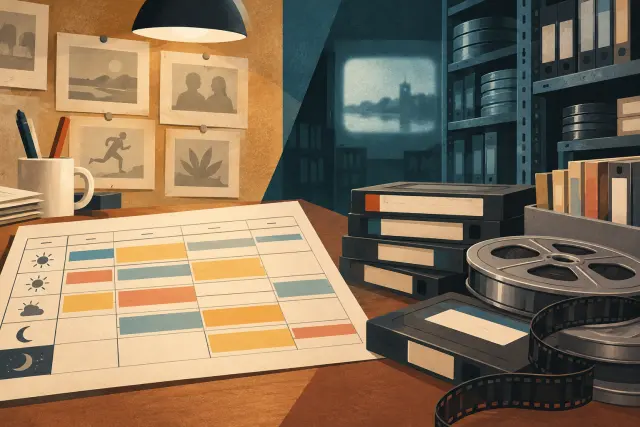
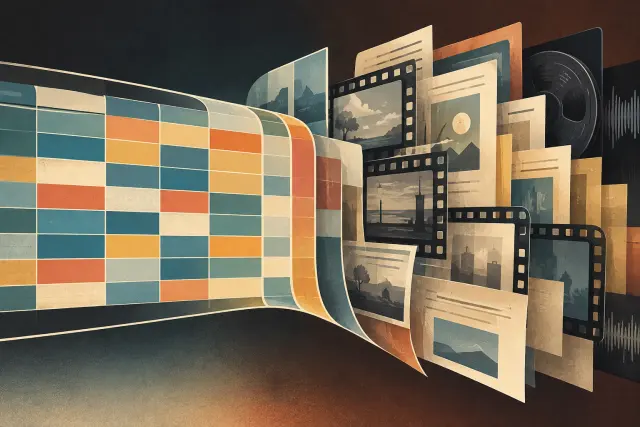
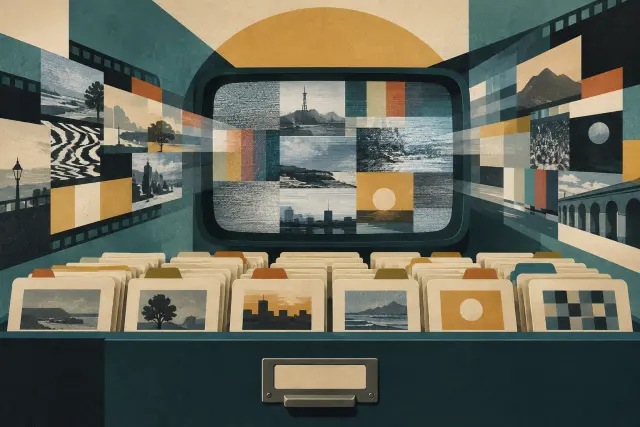
RTVE Archive information illustrates this breadth. It preserves millions of documents in different media and formats, alongside a photographic collection of more than 800,000 images. Those photographs include shoots, studios, workplaces, portraits, and social and cultural scenes. A broadcast should therefore not be read as an isolated item: it may relate to written documentation, production photographs, scheduling data and the medium’s technical history.
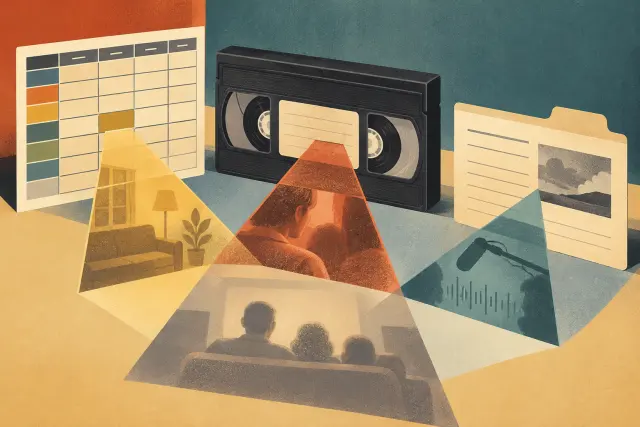
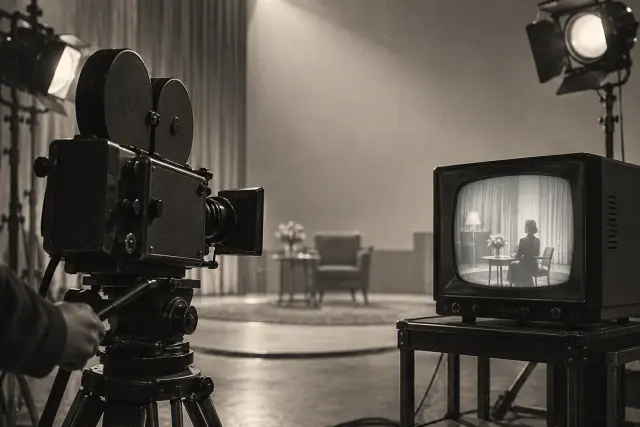
The first tool for visiting, researching or interpreting a collection is to distinguish three layers. Content is what was recorded or broadcast. The medium is the material carrier. The device is the technology that captured, recorded, played back or transmitted it. Confusing those layers reduces television to a screen and conceals the material labour behind every image.
RTVC’s museum in Colombia makes this point clearly. Its tour highlights cameras, outside-broadcast units, videotape machines and media, proposing audiovisual heritage as technical, institutional and cultural memory. The point is not that a machine matters merely because it is old. Technologies shaped what could be recorded, where it could be made, how material circulated and what work was required of professional teams.
From Shared Screens to the Digital Archive: A Careful Timeline of Spanish Television, 1970-2009
From 1970 to 2009, Spanish television underwent far-reaching cultural and technical changes. The sources assembled for this article support that broad conclusion, but they do not justify an exhaustive timeline of channels, ratings, premieres or corporate decisions. That limit matters: responsible history does not fill gaps with shared memories.
El Mundo presents forty years of television in Spain through the 1970s, 1980s, 1990s and 2000s. This structure is useful because it stresses that the medium was not static: its relationship with daily life, consumption and viewers’ expectations changed. Academic work from the University of Seville places the historical study of Spanish television within the wider span of 1956-2006. Together, those perspectives make 1970-2009 a period of transition rather than a uniform block.
The available sources present the 1970s as inseparable from Spain’s political and social context. RTVE’s audiovisual archive has been studied academically, and the supplied material mentions programmes connected with television representations of Francoism, including broadcasts from 1970 and 1971. This does not describe all programming, but it does confirm that television and political power belong in the same field of analysis.
Television also preserved entertainment formats that now provide routes into the past. RTVE identifies Galas del sábado as a variety programme broadcast from 1968 to 1970, directed by Fernando García de la Vega and presented by Joaquín Prat and Laura Valenzuela. Its archival presence shows that television history is not only the history of news or technology. Genres, credits, presenters and later access to broadcasts are audiovisual heritage too.
KEY FACTS
- Type
- Device
References
- Televisión – Museo ETSITmuseotelecomvlc.webs.upv.es
- Televisión - Wikipedia, la enciclopedia librees.wikipedia.org