The history of everyday life has traditionally shifted the focus from major political events to routines, homes, and leisure practices. This change in perspective allows us to understand how people organized their free time and how these activities defined their social identity. In the context of Spain in the 1970s and 1980s, leisure became a space for cultural and social transformation, although its documentation presents significant challenges for researchers.
Leisure as a field of study
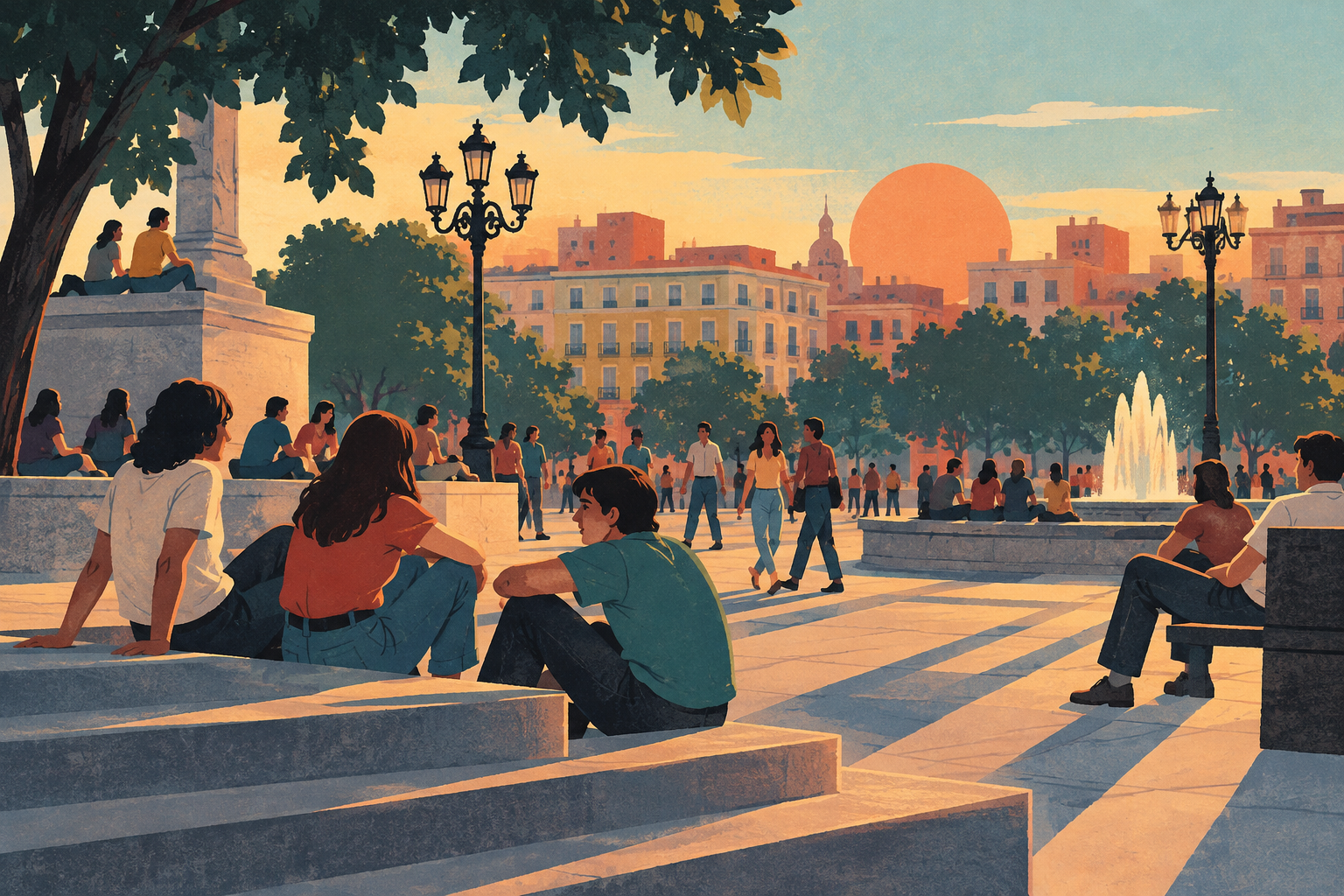
The history of everyday life emerges as an expression of social history that seeks to understand individual and collective experiences. Leisure, along with physical activity and manifestations of artistic pleasure, becomes a central axis of this discipline. Academic studies have shown that free time is not simply a void between work and rest, but an active space where social relationships are built and identities are negotiated.
Sources and documentary limitations
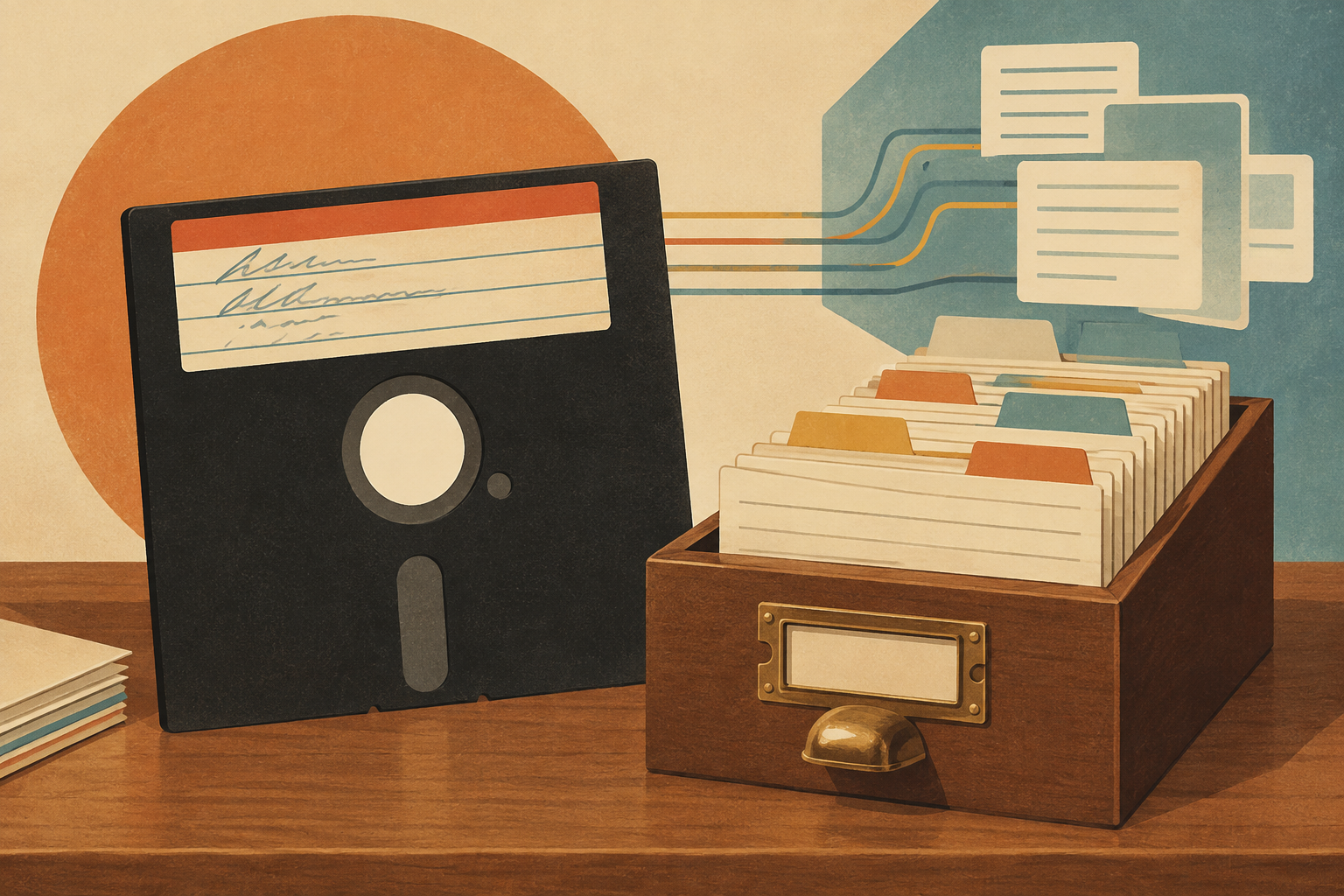
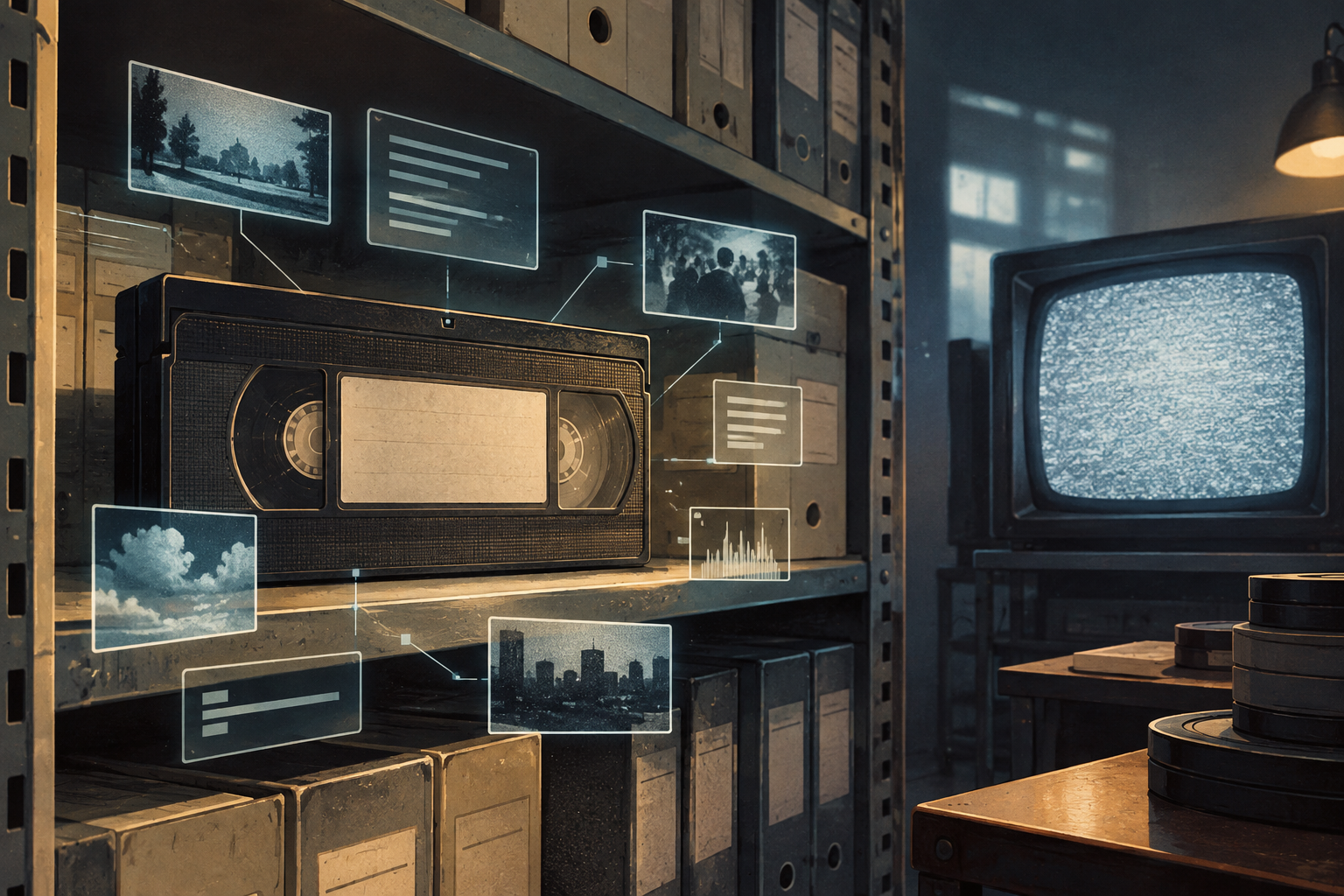
The documentation of everyday leisure faces problems inherent to its ephemeral nature. Unlike major historical events, leisure practices rarely leave formal records. Available sources include family photographs, oral testimonies, television programs, and institutional documents, but these sources are often fragmentary and biased. Oral history emerges as a fundamental tool for reconstructing these practices, although its subjectivity poses methodological challenges.
The Spanish context of the 70s and 80s
In Spain, the transition to democracy coincided with a profound transformation of leisure practices. Television became the dominant medium of free time, while cinema and other cultural spaces underwent significant changes. Didactic oral history projects have documented how Spanish families adapted their leisure routines to the new possibilities offered by democratic society.
Television as a space for socialization
Television was not only a medium of entertainment but a space for socialization that defined family routines. Television programs structured nights and weekends, creating shared moments that reinforced family bonds. However, the documentation of these practices is limited, as the conversations or reactions of viewers were rarely recorded.
Cinema and urban memory
Cinema also played an important role in everyday life, especially in cities. Studies on urban memory have shown how cinemas were spaces of sociability that transcended the mere projection of films. Women's voices, in particular, have provided valuable perspectives on how these experiences were lived and remembered.
Methodological challenges
Research on everyday leisure faces significant methodological challenges. The lack of formal records forces researchers to rely on indirect sources and the interpretation of objects and spaces. In addition, the subjectivity of oral testimonies and the fragmentation of documentary sources make it difficult to establish definitive conclusions about leisure practices.
Towards a more nuanced understanding
Despite these limitations, the study of everyday leisure offers a more nuanced understanding of social life. By analyzing leisure practices, researchers can identify behavioral patterns, cultural changes, and social tensions that major historical events do not capture. This approach allows for a more inclusive and representative history of the human experience.
- Decade
- 1980s
- Region
- Spain
- Level
- Introduction
- Entities
- Televisión
Sources and references
- LAS FUENTES PARA EL ESTUDIO DE LA VIDA COTIDIANAdoi.org · 2026-10-13
- Vida cotidiana y ocio en el Tardofranquismo y la Transición a la democracia en España 1968-1986: un proyecto didáctico de Historia Oral para alumnos de secundariadoi.org · 2026-10-13
- Pantallas del Recuerdo: Cine, Sociabilidad y Memoria Urbana en la Parroquia San Juan desde las voces femeninas (Caracas, 1950-1960s)openalex.org · 2026-10-13
- Historiar la vida cotidiana en la España Modernaopenalex.org · 2026-10-13
- La vida cotidiana y las pequeñas cosas que marcaban el ...www.retropause.com · 2026-10-13
- ALGUNOS ASPECTOS DE LA VIDA COTIDIANArevistas.uma.es · 2026-10-13
- BVCM000171 Vida cotidiana en Madrid. Primer tercio del ...www.madrid.org · 2026-10-13