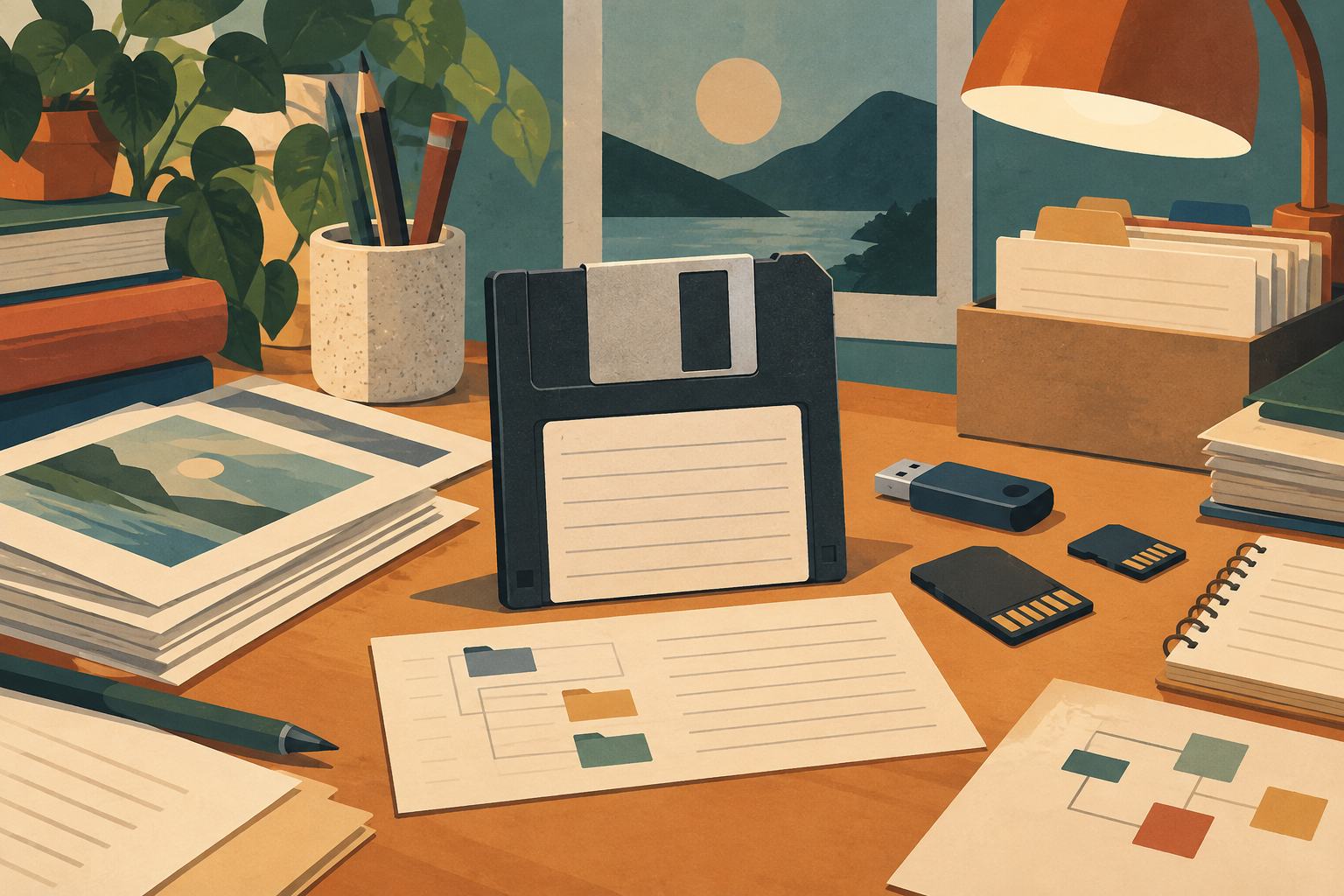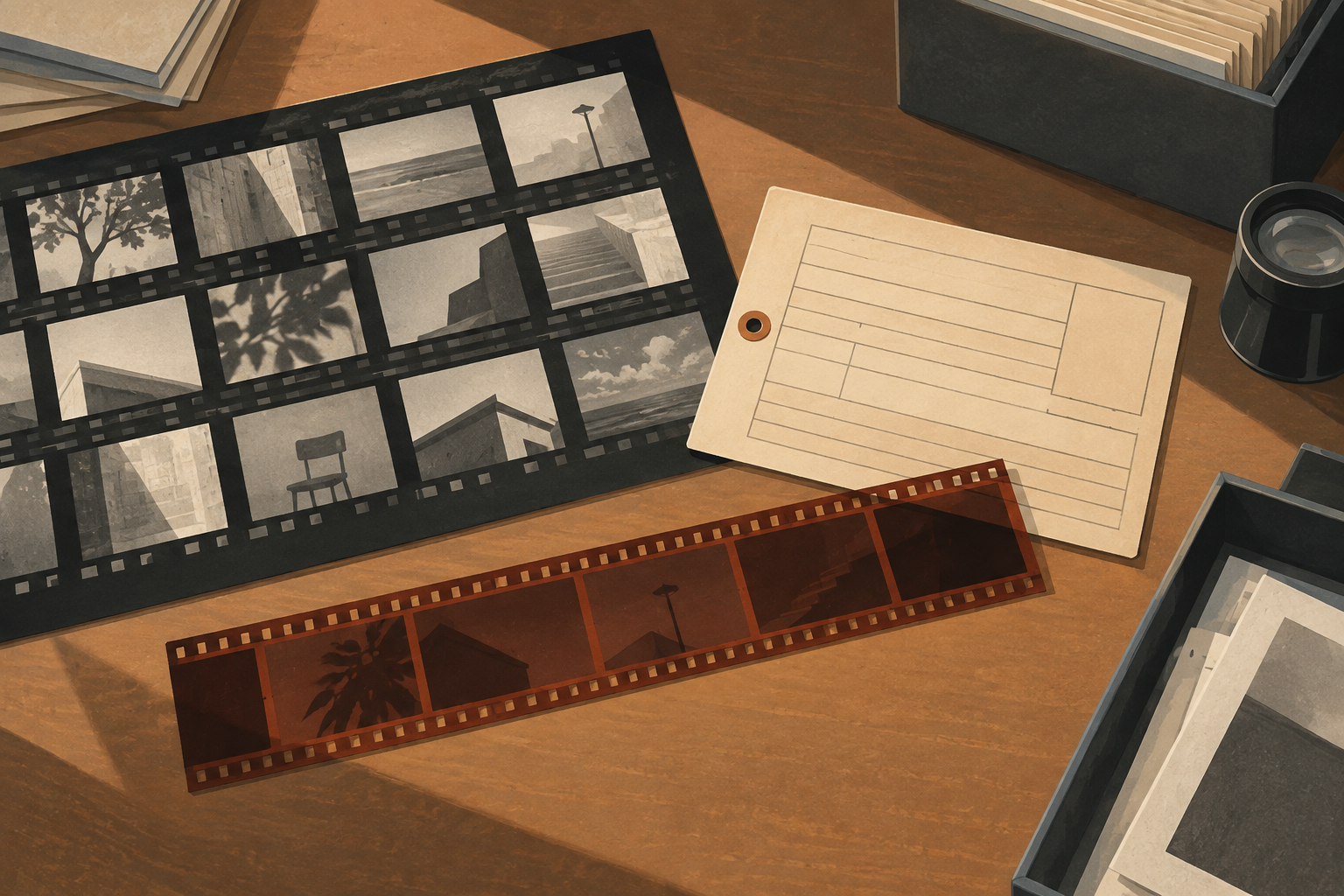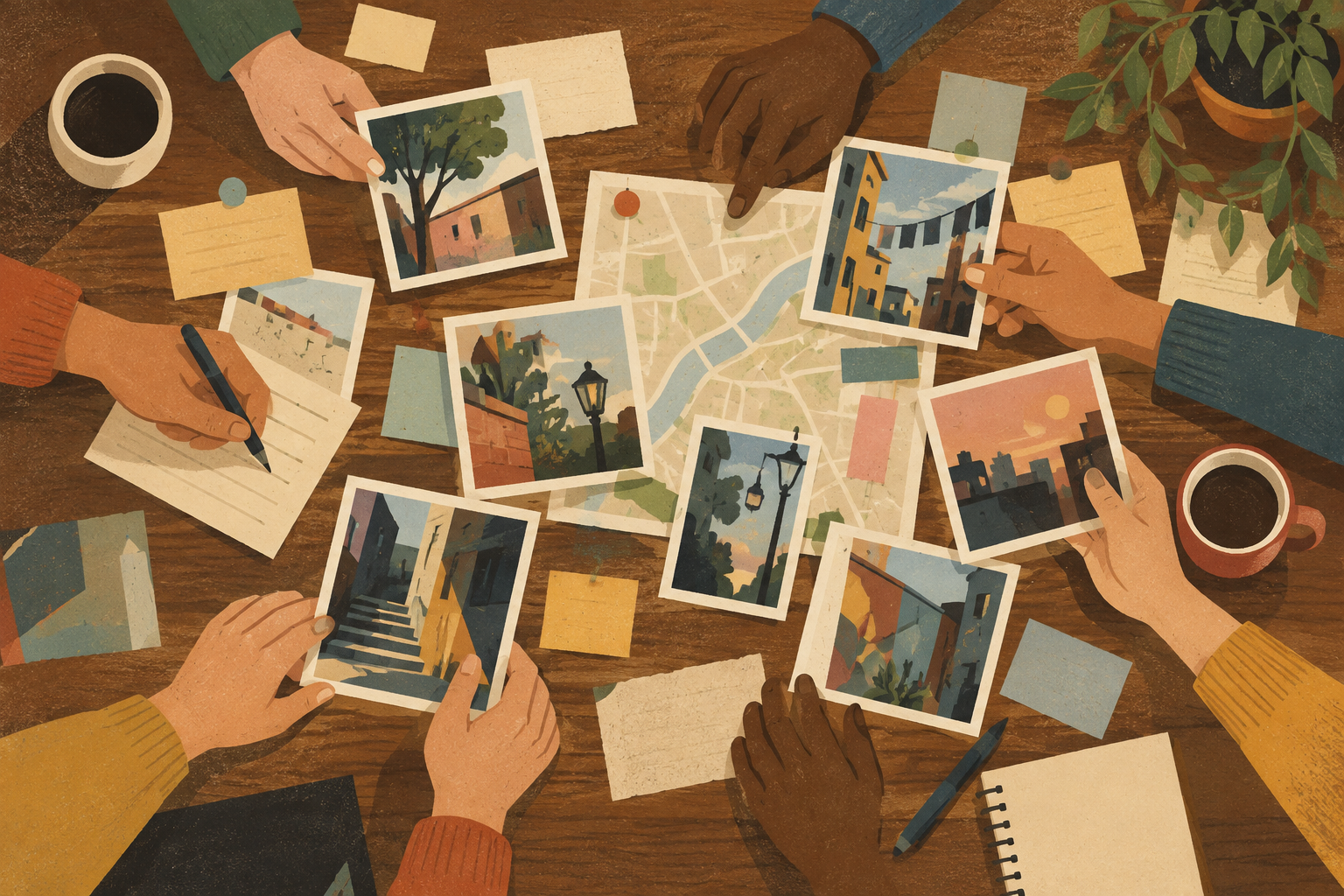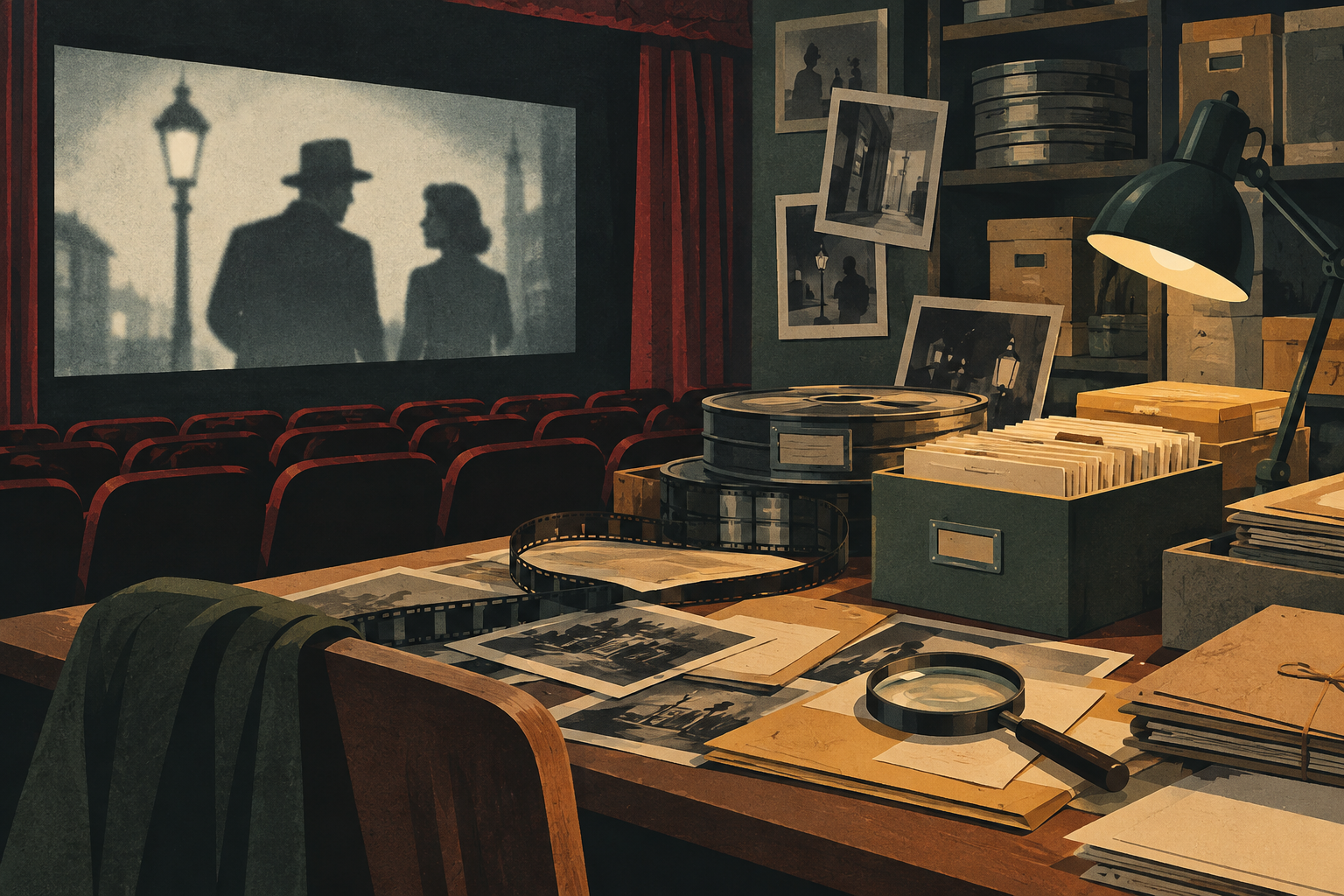
A film leaves more than one kind of trace. Alongside the print or audiovisual archive, there may be programmes, posters, catalogues, preservation documents and records of events. Each object invites different questions; none, taken alone, is the experience of watching the film or an automatic account of what audiences thought. This distinction matters when studying the movement between cinema and video: finding a work in an archive does not prove how it circulated, and an advertisement does not show that its promise matched the response.
The work and its documents are not the same thing
A film is a source for analysing images, sound, editing and narrative. The documents around it speak instead to its presentation, classification, preservation or circulation, and only within the limits of what they actually record. The title “La película no es todo: cómo los archivos explican la historia industrial del cine español”, listed in the RetroPause material, explicitly points beyond the surviving work. That perspective broadens the field of research, but it does not make every document a transparent account of the past.
A catalogue record, for instance, may help locate a work or trace how an institution describes it. Without the record itself and its context, we do not know which fields it contains, when it was created or what it leaves out. Caution does not diminish its value; it clarifies which questions it can answer and which require other sources.
Posters: a public promise, not evidence of reception
A poster can be studied for how a film was advertised and which graphic devices were chosen to present it. That approach suits a history of cinema attentive to design and publicity. But a poster speaks to a communication strategy, not to the audience’s actual response. On its own, it does not prove that the film was screened in a particular place, that the advertisement reached its intended audience or that viewers interpreted the work as the image suggested.
To go further, it would need to be compared with relevant, independent records. The supplied evidence contains no specific posters, press reviews or box-office data for an identified film. This article therefore makes no claims about particular campaigns, releases or reactions. The working rule is simple: describe the surviving object first, rather than filling its silences with memories or a general idea of “what it was like back then”.
Cinema and video as contexts that need documentation
The question of how reception changed between cinema and video is worthwhile, but it requires a documented comparison. To support a difference, a researcher would need to identify the film, the edition or medium being examined, and the sources that reconstruct each context. A copy available today does not, by itself, tell us the conditions of an earlier screening. Nor is it enough to say that a work moved from cinema to video: records must establish that trajectory.
The Museo Reina Sofía page titled “Cine y casi cine 2002” identifies, according to the supplied information, an event labelled “Cine y vídeo” in its programme. It offers a lead for examining how an institution presented those terms together in that context; the information provided does not describe the full programme or support generalisations about the history of video. Similarly, the Centro de Arte Dos de Mayo page groups material under “Cine y vídeo”, but the brief search result does not substantiate a broader claim.
Audiovisual archives need precise questions
The Spanish Ministry of Culture publication “Los archivos audiovisuales en las redes digitales” places cinema, video, radio and television in the context of digital networks, according to the description supplied. Francisco Javier Zubiaur Carreño’s academic article “El cine como fuente de la Historia” offers another starting point: treating cinema as a historical source. The bibliographic information here does not disclose its full argument, so it is more accurate to treat these records as leads for research than as support for detailed claims absent from the supplied material.
The material also includes an academic record for Jacqueline Sánchez Carrero’s work on children and adolescents creating cinema, video and television. Alongside the publication on digital audiovisual archives, it is a reminder that “cinema” and “video” can appear in different contexts of creation, preservation and circulation. It does not make those contexts interchangeable. For that reason, research should define its terms and state what kind of document it uses.
What evidence of reception can establish
Reception cannot be inferred from the mere existence of a film, a copy or a poster. It requires sources that record audience responses or practices, with an explanation of whom they represent and whom they do not. Reviews document critical interventions; testimony documents attributable experience; programme records document particular institutional events. One category should not stand in for another without justification. The supplied evidence contains no audience testimony or reviews of a specific film, so it cannot establish how that film’s reception changed when it moved from cinema to video.
The conclusion is not that surrounding documents matter less than films. They answer different questions. Posters, catalogues and critical sources can help reconstruct how a work was presented and classified; audiovisual records help establish which materials are preserved or brought into relation. Claims about reception require specific, contextualised evidence. Keeping these layers distinct makes for a less nostalgic and more verifiable history of cinema: one that examines the traces without confusing them with the complete experience of the work.
- Decade
- 2000s
- Region
- Spain
- Level
- Enthusiast
- Entities
- Televisión, Museo Reina Sofía
Sources and references
- Pequeños directores: niños y adolescentes creadores de cine, vídeo y televisión.doi.org · 2026-10-01
- El cine como fuente de la Historiaopenalex.org · 2026-10-01
- Cine y casi cine 2002www.museoreinasofia.es · 2026-10-01
- La película no es todo: cómo los archivos explican la historia inwww.retropause.com · 2026-10-01
- Cine y vídeo - Centro de Arte Dos de Mayoca2m.org · 2026-10-01
- los archivos audiovisuales en las redes digitaleswww.libreria.educacion.gob.es · 2026-10-01