A broadcast is not the whole story
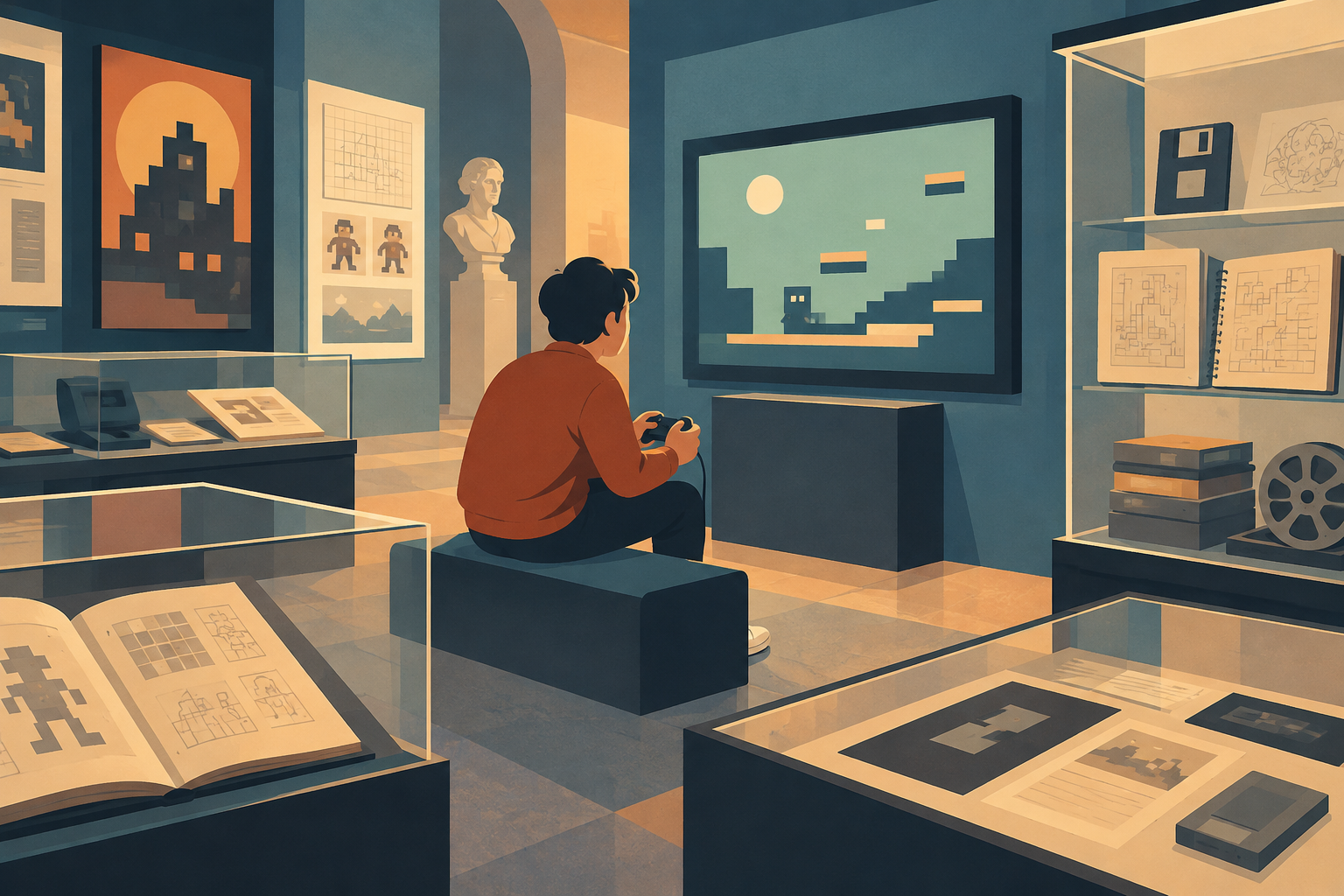
Television is often remembered as a succession of images and titles. Yet the available sources encourage us to distinguish things that are not interchangeable: a broadcast, a programme that may have survived, documents describing an institution, and later interpretations of its social role. The Universidad Complutense research on preserving television’s audiovisual heritage explicitly treats the conservation of such material as a subject of study. A chapter on cultural television and the archive as a narrative agent, meanwhile, frames the archive not merely as a repository but as part of how the past is told. These references allow us to pose questions; the supplied evidence is not enough to reconstruct a particular schedule or to say how households recorded programmes.
What the sources tell us about archives
The UCM research record mentions the recognition of audiovisual archives as cultural heritage and the recommendation that they be safeguarded. This indicates the importance attributed to preservation; it is not an inventory of collections or a technical description of each medium. The Crossref record for the chapter, judging by its title and bibliographic data, presents a reflection on memory, archives, digital citizenship and cultural television. Since the material provided does not include the full text, it would be wrong to attribute more specific arguments to it.
This distinction matters for editorial work: a bibliographic reference can guide research, but it cannot replace consulting the work or, by itself, establish a historical detail. Nor does it prove that a particular programme was broadcast on a particular date.
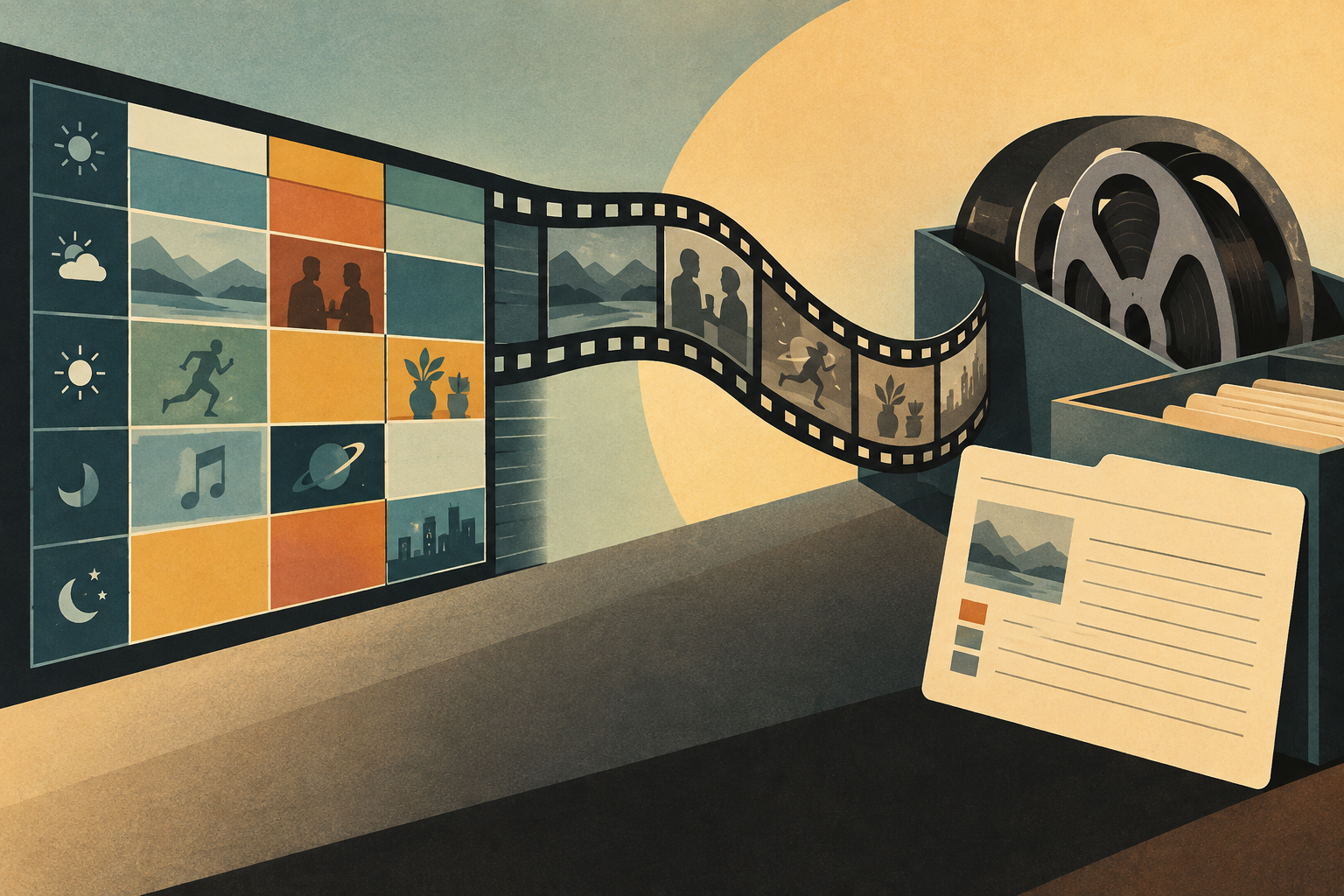
A schedule needs its own documents
To establish what was broadcast, when and in what order, we would need sources that document programming: for example, copies of listings, newspapers, broadcaster records or other contemporary documentation. The supplied evidence contains no schedule or broadcast catalogue with which to verify such details. A rigorous history should therefore treat the timetable as an open question, rather than reconstructing it from recollection or from the mere existence of a recording.
A surviving recording may establish the existence of audiovisual content, once identified and properly verified. It does not automatically establish its broadcast time, audience, original duration, or whether it was watched live. Those questions require independent documentary corroboration.
The archive is not the same as reception
The dissertation titled La televisión de Cartagena y las identidades culturales is attributed in its record to José Luis Donado Rangel and Karen Margarita Visbal Barrios. Its title is enough to identify a relevant line of research, but not to summarise its findings. Similarly, Elina Adduci Spina’s 2024 work on the audiovisual television archives of Argentina, as listed by OpenAlex, draws attention to the paths of archival neglect. The record does not establish here which cases it examines or what measures it proposes.
Both records remind us that archives and reception are distinct questions. The first concerns what is kept, described or lost; the second concerns how television was watched, interpreted and shared. Studying audience habits or changes associated with recording programmes would require specific evidence—usage documents, attributable testimony or studies—not present in the supplied material. We should not fill that gap with an assumed collective memory.
Preservation also requires describing limits
The word “archive” can encompass different materials and practices. A bibliographic record for a dissertation is not the dissertation in full; a reference to audiovisual preservation does not prove that a particular broadcast survives; and a paper-conservation article, such as the record on cultural heritage in paper form, should not be mistaken for a technical source on video preservation. Keeping these boundaries clear prevents a broad thematic connection from becoming an unsupported specialist claim.
Descriptions should also distinguish what is verified from what is inferred: who created the document, what kind of object it is, what date is known, and which source supports that date. The evidence set lacks enough detail to apply this method to particular items, but it does show why such caution matters.
A history built from verifiable questions
Television was both screen and schedule, but also a practice whose reconstruction depends on different kinds of documents. The supplied sources support the existence of research on audiovisual preservation, on the archive as a narrative frame, and on television and cultural identity in Latin America. They do not support, however, a chronology of broadcasts, a description of domestic viewing habits, or a specific history of recording programmes.
That limit does not diminish the subject; it defines the next research step. Reconstructing schedules would require locating and comparing programming documents; studying reception would require evidence about viewers; and writing about preservation would require consulting the full research and collection documentation. Until then, the soundest conclusion is also the most cautious: what remains of television in archives does not automatically represent everything that was broadcast or everything that audiences experienced.
- Decade
- Contemporary
- Region
- Latin America
- Level
- Enthusiast
- Entities
- Televisión
Sources and references
- Conservación y Restauración del Patrimonio Cultural en soporte Papel - Museo Jesuítico Nacional de Jesús Maríadoi.org · 2026-10-05
- Memoria, inteligencia artificial y ciudadanía digital: el archivo como agente narrativo en la era de la desinformacióndoi.org · 2026-10-05
- La televisión de Cartagena y las identidades culturalesopenalex.org · 2026-10-05
- La ley que olvidaron. Itinerarios del desamparo de los archivos audiovisuales de televisión en la Argentinaopenalex.org · 2026-10-05
- Preservación del patrimonio audiovisual de televisión El ...eprints.ucm.es · 2026-10-05