From the frame to the process
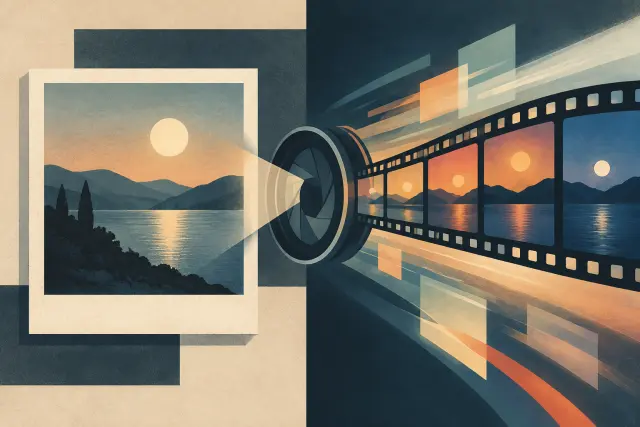
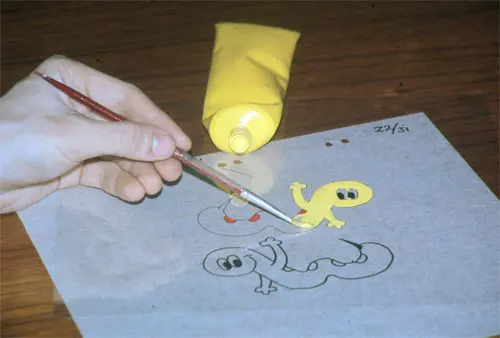
A finished film presents a succession of images, not the decisions and operations that made them possible. In animation produced on film, painted cels, drawings, and other production materials preserve traces of that work. They show visual elements prepared separately and invite questions about how a scene was assembled before becoming a projected sequence. They do not, by themselves, provide a complete production history, but they extend what can be studied beyond the finished print.
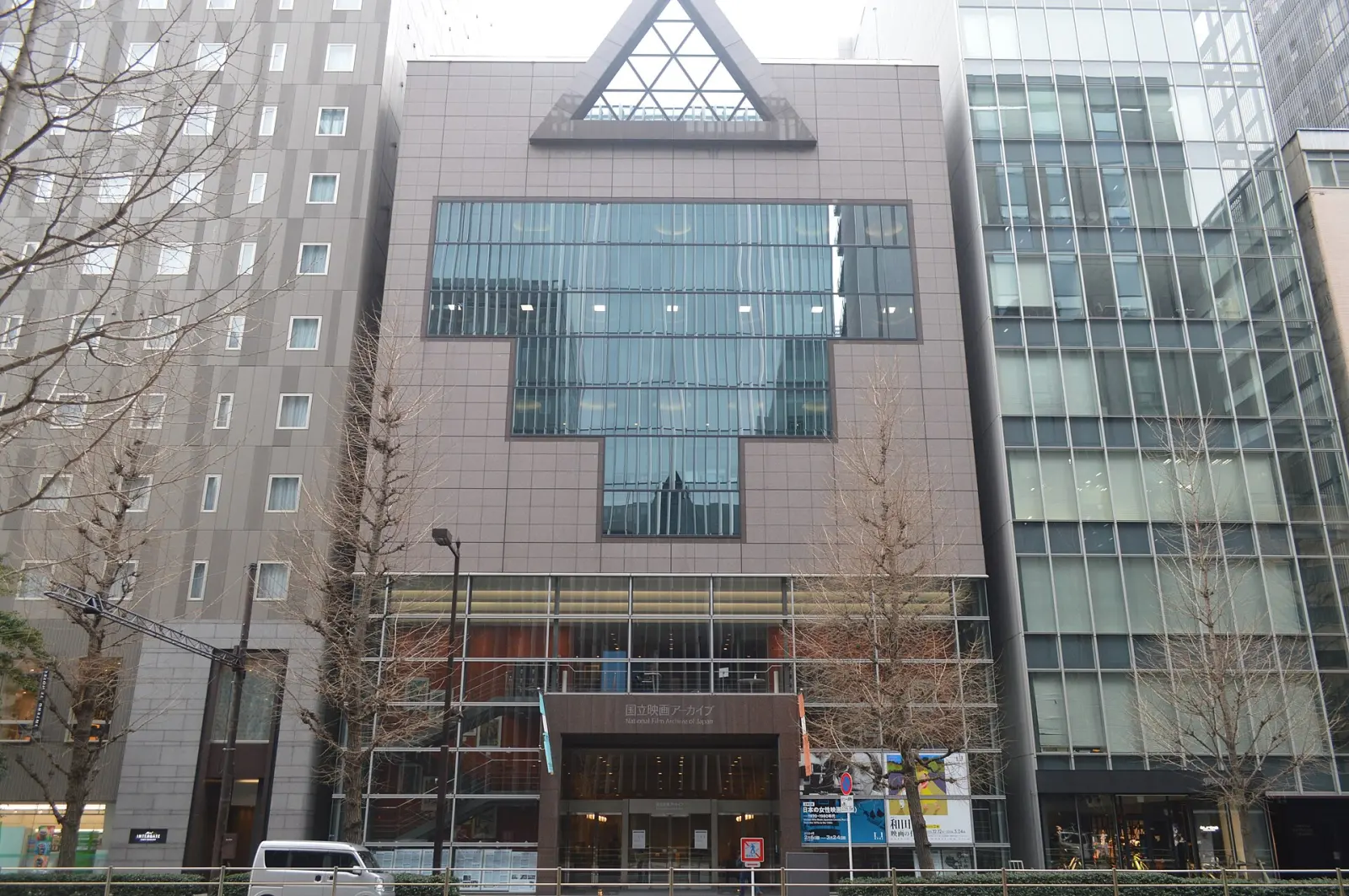
The National Film Archive of Japan (NFAJ) created an Animation Department in 2025. In an interview published by the International Council on Archives, its director, Akira Tochigi, explained that one reason was the debate over whether a public institution should preserve intermediate materials such as cels, and how they might be made accessible in collaboration with the private sector. The archive was also preparing new facilities in Sagamihara for these materials and for the growing volume of film collections.
What intermediate materials can tell us
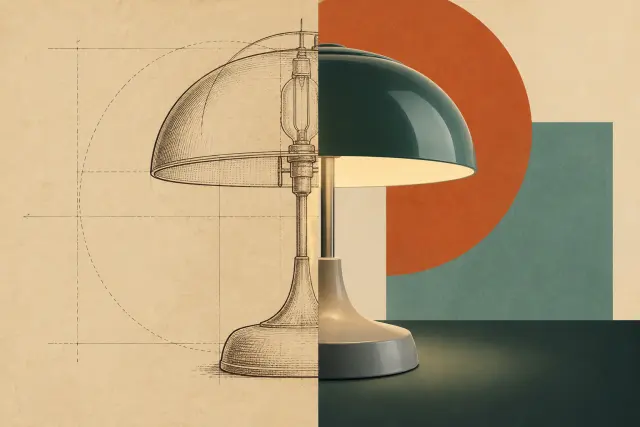
Production materials can help researchers examine how a scene was organized visually, which elements were separated into layers, or what steps stood between a drawing and its filming. Their value also depends on the information that accompanies them: identifying and describing an object, then relating it to a work, format, and production context, turns an isolated item into an interpretable source.
The NFAJ had already assembled Japanese animation materials from different periods. Tochigi mentioned works predating Toei Animation’s start in 1956, postwar films, materials from Gakken, and experimental shorts by Osamu Tezuka, including JUMPING (1984) and Broken Down Film (1985). He also recalled the 2017 launch of Japanese Animated Film Classics, a platform devoted to early Japanese animation. These precedents show that collecting, describing, and providing access are connected parts of archival work, but not interchangeable ones: preserving an object does not automatically make it ready for research or exhibition.
Access and the conditions of the industry
The distinction between preservation and presentation is especially visible in contemporary animation. As Tochigi described it, the field is part of an international intellectual-property business that extends beyond theatrical exhibition to merchandise, live events, online distribution, and discs. For a public institution with limited resources, acquiring materials, storing and cataloguing them, and negotiating access requires agreements and sustained work.
The Toei Animation screening programme announced for 2026 broadened the archive’s focus to animation for film, television, and video produced from the 1980s onward, when original materials were still film-based. Tochigi said the project would bring a wider history before the public, while also making clear the difficulties of obtaining and showing certain titles. A public programme can therefore do two things at once: bring a collection to audiences and reveal the conditions that constrain what can be assembled and shared.
The department began with three staff members, according to the interview. Tochigi pointed to the need for more specialists who can work with the collections, catalogue them, and take responsibility for their ongoing preservation and management. The task is not simply to locate objects; it also requires a human and material infrastructure that can describe, preserve, and interpret them over time.
An expanded history
A cel cannot, by itself, explain how a film was made. Its provenance and relationship to the work are essential if it is to serve as a source on technique and visual decision-making. In that context, it shifts attention from the isolated frame to the labour that made it possible, without turning one production trace into a complete account of the process.
An archive preserves the finished work, but it also makes it possible to ask what fell outside it and what traces of its making can reveal. In animation, where work is distributed across different images and materials, preserving the process expands a work’s history. It does not replace interpretation or viewing; it adds another way to understand how the work came to exist.
Documentary gallery
- Decade
- Contemporary
- Region
- Japan
- Level
- Enthusiast
- Entities
- Televisión, National Film Archive of Japan (NFAJ)
Sources and references
- Anime Complejo. La ambigüedad narrativa en la animación japonesadoi.org · 2026-11-03
- Desarrollo y conservación del patrimonio cultural-natural en el contexto neoliberal y nuevas tecnologíasdoi.org · 2026-11-03
- Preservación digital de la cultura otaku - Tonhogaita -tonhogaita.com · 2026-11-03
- Simposio Académico JAMS@AXtranslate.google.com · 2026-11-03
- Entrevista a Akira Tochigi por Kae Ishihara y Yayoi Tsutsuiwww.ica.org · 2026-11-03