A preserved image is not a reconstructed broadcast
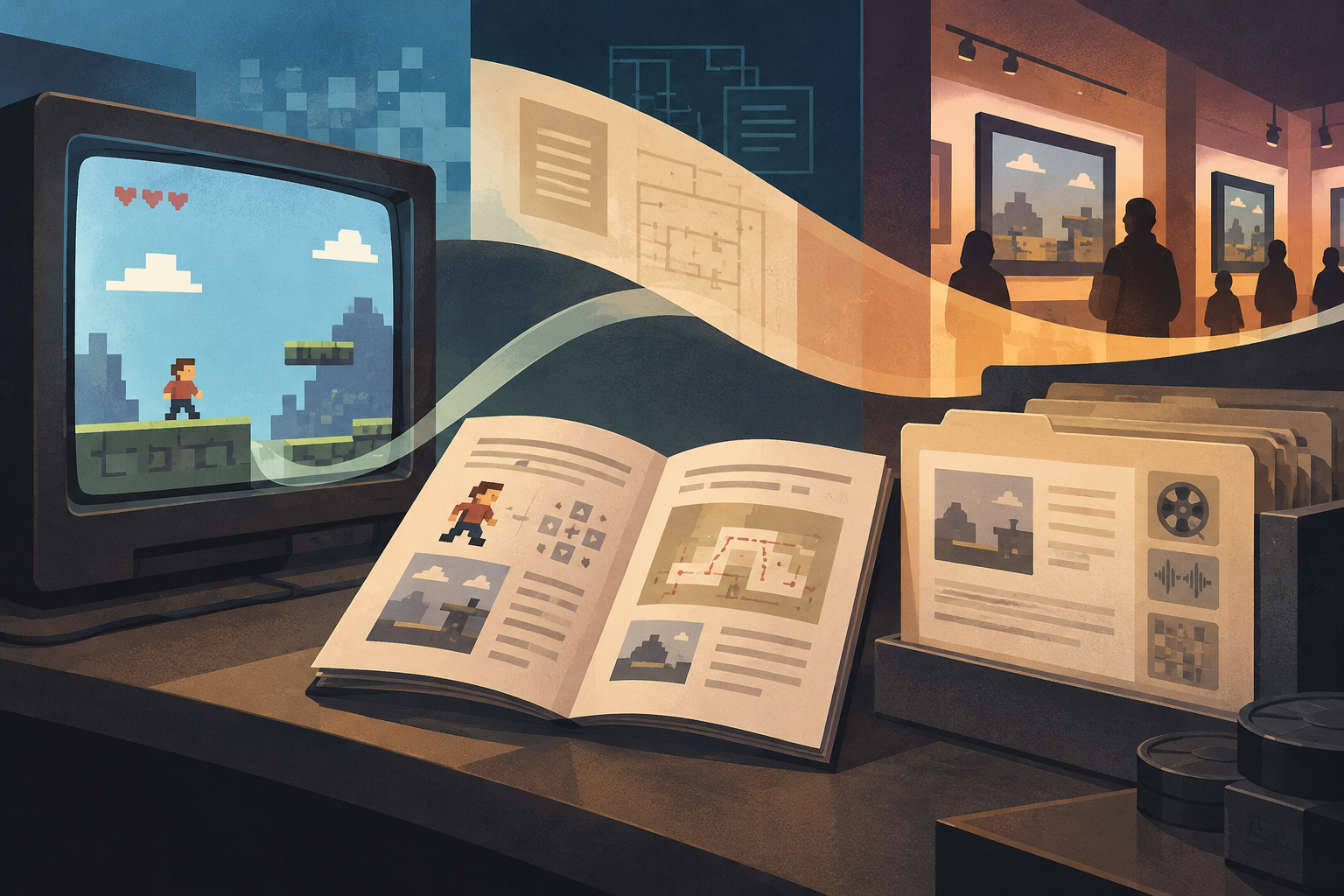
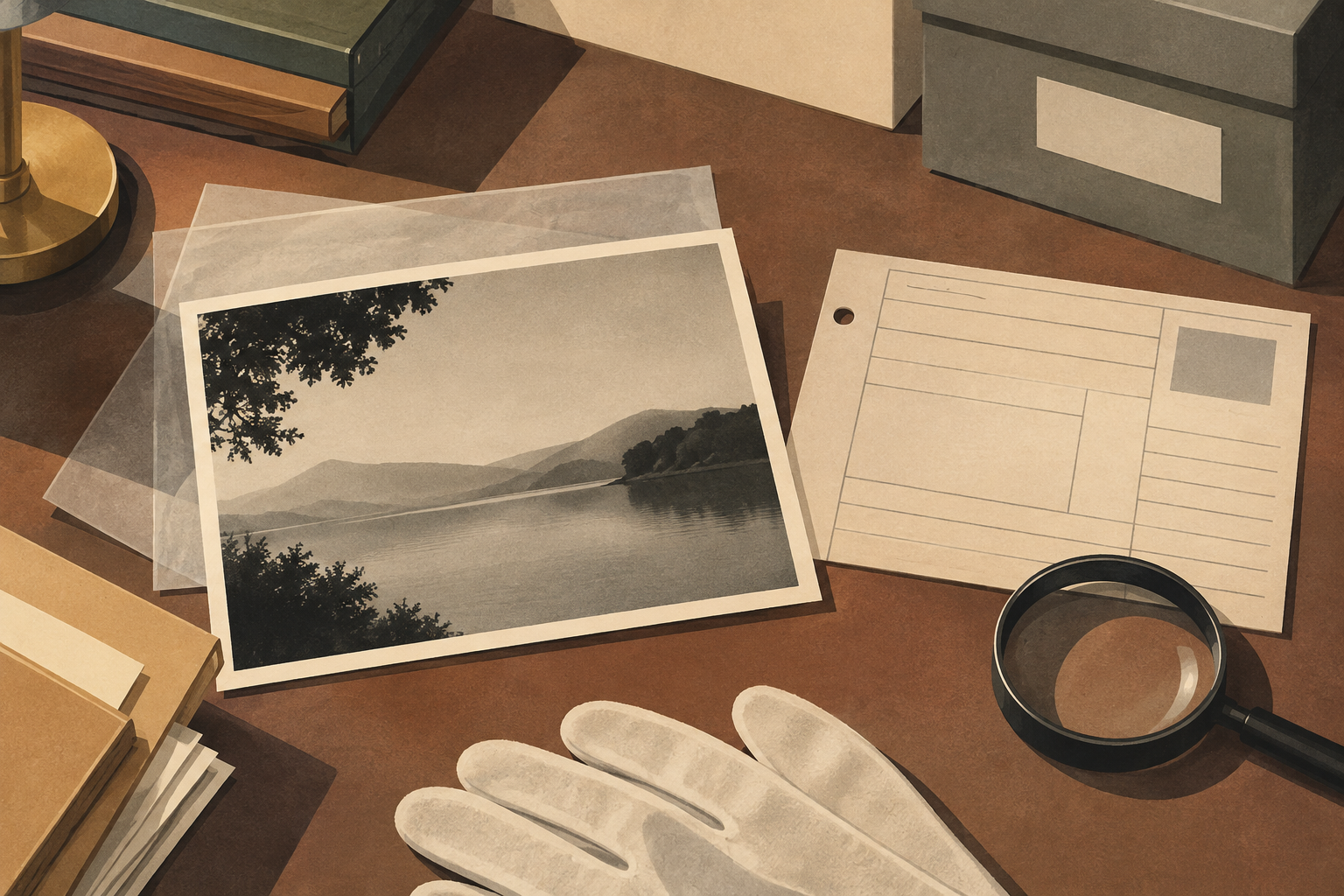
An audiovisual archive makes it possible to study what has survived, but it is not, by itself, a complete reconstruction of television. The University Complutense repository record identifies research devoted to preserving television’s audiovisual heritage. Its summary notes that UNESCO recognised audiovisual archives in 1980 as part of the Cultural Heritage of Humanity and recommended their safeguarding. That establishes the heritage importance of preservation; it does not show which materials survived, which broadcasts are missing, or how audiences received them.
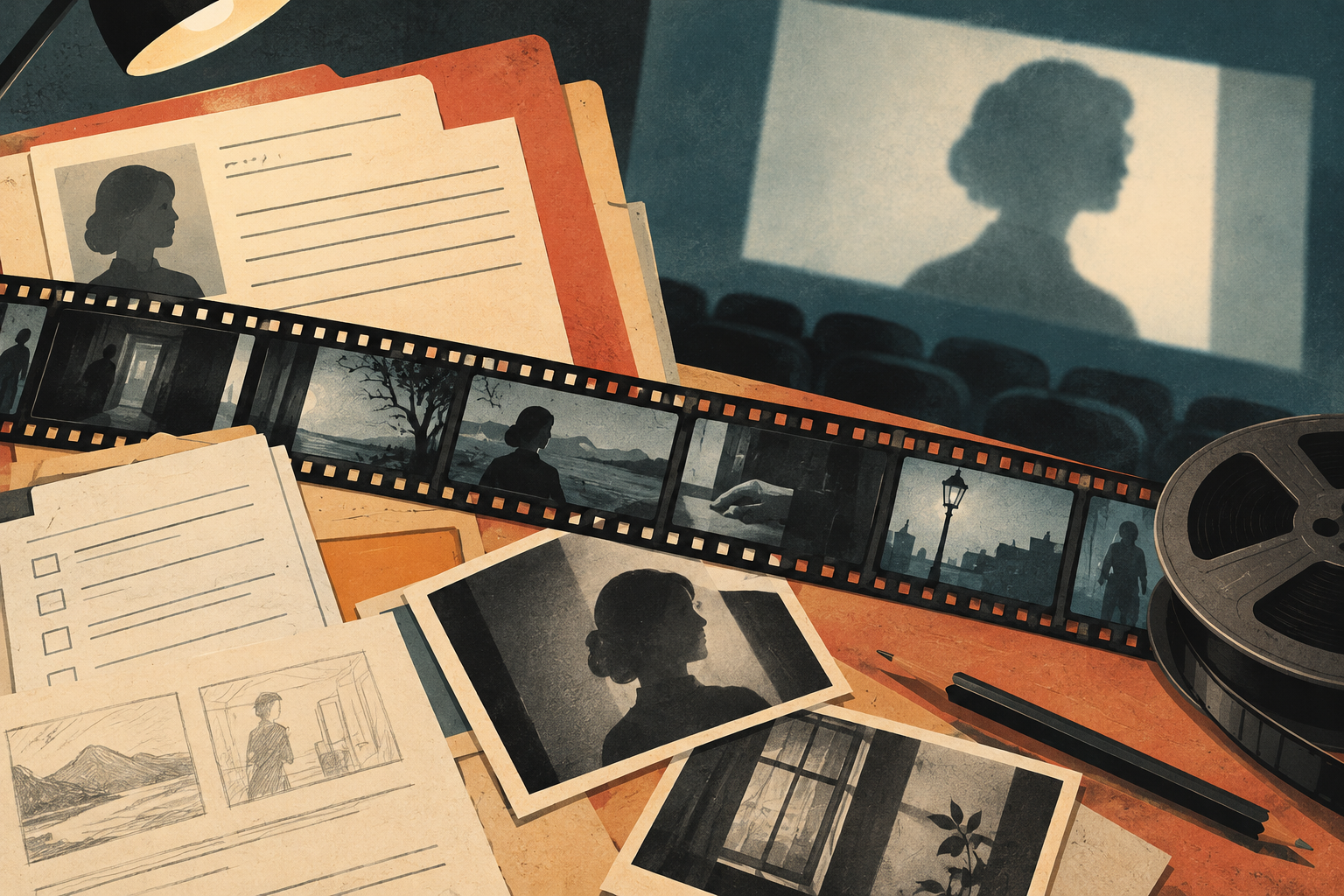
The distinction matters. A recording preserves images and sound, but a history of broadcasting also needs evidence about when something aired, how it was presented, and how it related to other programmes. Without such documents, surviving content alone cannot reconstruct the schedule or the circumstances of reception.
Different sources answer different questions
The supplied sources include an academic record on television preservation, a video whose title announces conservation experiences with historical audiovisual media at RTVE, and academic works on archives and television in Argentina and Cartagena. There is also a chapter titled around the archive as a narrative agent in digital cultural television. The available titles and descriptions identify their general subjects; they do not justify attributing specific conclusions that are absent from the supplied material.
Taken together, these references offer a direction for research, not a finished account of television history. Preservation research can prompt questions about safeguarding; a description of a conservation experience points to an area of practice; work on national archives or cultural identities opens other frames. To establish methods, examples and results, the full publications and their bibliographic details would need to be consulted.
Schedules require their own documentation
The question “which sources make it possible to reconstruct broadcast schedules?” is not answered by the available references. None of the supplied descriptions lists concrete programme guides, newspapers, internal broadcaster logs or press advertisements. It is therefore not possible to state here which records survived for a particular channel or period.
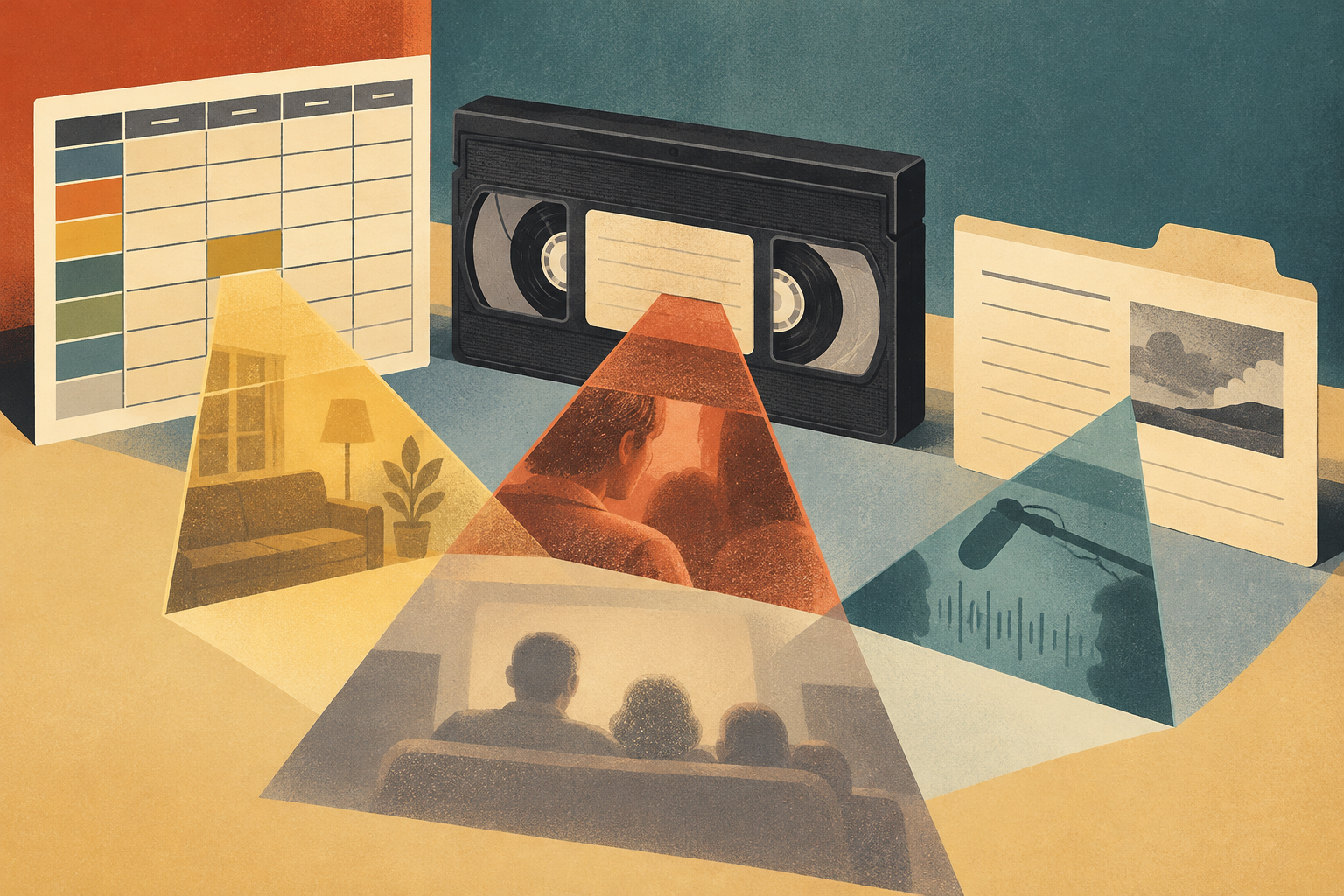
A methodological caution can still be set out: distinguish between a document showing that a programme existed, one placing a broadcast in a time slot, and one showing how it was presented to viewers. A recording may be valuable for analysing a programme, but it does not automatically establish its date or position in the schedule. Conversely, a schedule record may document an announced slot without proving that the broadcast took place exactly as planned. Specific, verifiable sources are needed for such claims.
Recording changes the research question
The second question—how habits changed when programmes could be recorded—also cannot be answered historically from these extracts. The references point to preservation and heritage, but provide no data on the adoption of recording devices, domestic practices, or changes in audiences. Presenting a change in habits as established fact would go beyond the evidence.
The possibility of recording nevertheless offers a useful distinction for research: television is no longer studied only as a broadcast tied to a schedule, but also through copies and later viewing. This is an analytical question, not a conclusion demonstrated by the cited sources. To turn it into history, researchers would need documentation about devices, patterns of use, and reception studies or testimony covering the period and place under investigation.
The archive as both limit and starting point
The academic records supplied point to a wider discussion of preservation, television archives and cultural identity. Their titles identify relevant subjects, but do not show that archives are complete, follow a common policy, or represent every viewer. Nor is a research title enough to summarise its findings.
A rigorous reading should separate three levels: what a source states explicitly, what its title cautiously suggests about its subject, and what still requires consultation. In this case, the preservation of audiovisual heritage and the existence of research on television archives are documented in the supplied information. Details about collections, specific broadcasts, schedules and recording habits remain open questions.
A history built from cross-checked traces
Television involved both broadcasting and reception, but reconstructing each requires evidence suited to the question. Preserved images are central to the work; they do not replace programme records or automatically document reception. The sources available here justify investigating television preservation and point to academic cases worth consulting, but they are not enough to tell a detailed history of schedules or recording habits.
That limit does not make an archive useless. It defines the next step: locate primary documents, verify the period they cover, and compare their information with complete research. Until then, the most faithful approach is to treat each source as a partial trace and not confuse a surviving collection with everything that was broadcast or experienced in front of the screen.
- Decade
- Contemporary
- Region
- Global
- Level
- Introduction
- Entities
- Televisión
Sources and references
- Memoria, inteligencia artificial y ciudadanía digital: el archivo como agente narrativo en la era de la desinformacióndoi.org · 2026-10-10
- La televisión de Cartagena y las identidades culturalesopenalex.org · 2026-10-10
- La ley que olvidaron. Itinerarios del desamparo de los archivos audiovisuales de televisión en la Argentinaopenalex.org · 2026-10-10
- 04 EXPERIENCIAS DE CONSERVACIÓN CON SOPORTES ...www.youtube.com · 2026-10-10
- Preservación del patrimonio audiovisual de televisión El ...eprints.ucm.es · 2026-10-10