Television has historically been an ephemeral medium. Unlike cinema, which is screened in specific venues, or radio, which leaves traces in oral memory, television broadcasts were consumed in real time and often disappeared without leaving a material trace. However, the existence of television archives allows us to reconstruct not only what was seen, but also how it was seen, who it was directed at, and what it meant for the communities that received it. This article explores the function of these archives as tools for cultural research, analyzing the inherent limitations of audiovisual preservation and the impact of technology on collective memory.
The ephemeral nature of broadcasting
For decades, most television programs were not recorded for archival purposes. Broadcasters prioritized live production or recording for immediate rebroadcasts, but rarely kept the original tapes once the program had aired. This practice, common in many parts of the world, has resulted in a significant loss of audiovisual content. In 1980, UNESCO recognized audiovisual archives as part of the World Cultural Heritage, recommending their safeguarding, but the implementation of these recommendations has been uneven and, in many cases, late.
The archive as a cultural document
Television archives are not simple tape repositories; they are cultural documents that contain information about the society that produced them. Broadcast schedules, advertisements, children's programs, and game shows reflect the values, concerns, and aspirations of an era. By studying these archives, researchers can reconstruct not only the programming but also the reception habits, audience preferences, and power dynamics between broadcasters and their audiences.
Limitations of preservation
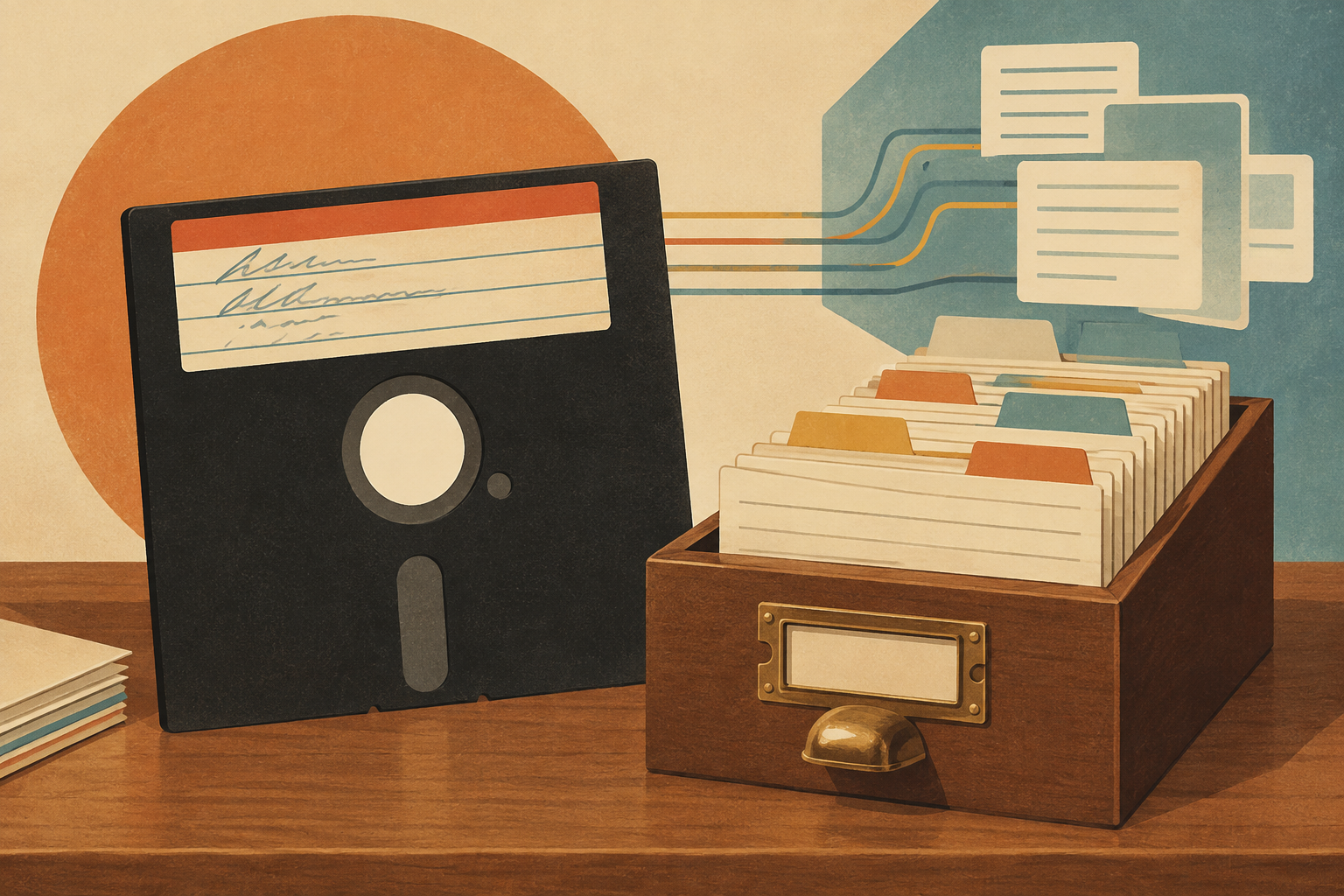
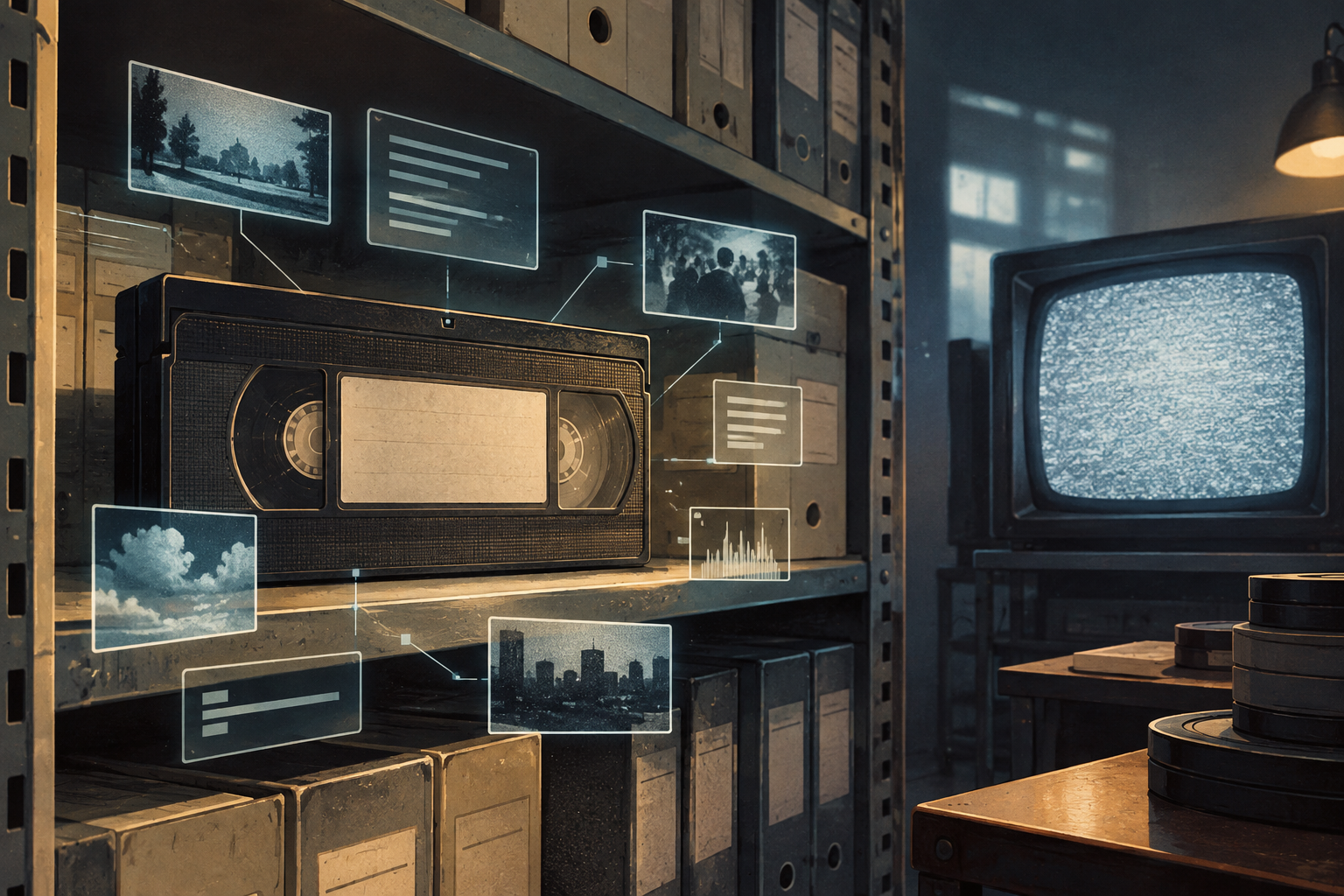
Audiovisual preservation faces significant technical and economic challenges. Video tapes, for example, suffer from physical degradation over time, requiring periodic migrations to digital formats. Additionally, metadata, that is, the information describing the content of the tapes, is often incomplete or non-existent, making it difficult to search for and access materials. In many cases, television archives are fragmented, with collections scattered across different institutions, complicating research and long-term preservation.
The impact of digitization
Digitization has transformed the way television archives are accessed. Online platforms allow users to search for and view fragments of old programs, democratizing access to audiovisual memory. However, digitization also poses new challenges, such as technological obsolescence and the need to keep storage systems updated. Moreover, the selection of which content to digitize and which not to involves editorial decisions that can bias collective memory.
Collective memory and identity
Television archives play a crucial role in building collective memory and cultural identity. Programs that are preserved become shared references, while those that are lost become gaps in memory. This process of selection and loss affects communities in different ways, depending on their relationship with television and the content that was broadcast in their regions. In Latin America, for example, television has been an important medium for building national identities, and the loss of archives can have a significant impact on understanding the region's cultural history.
The future of television archives
The future of television archives depends on collaboration between institutions, governments, and communities. It is necessary to invest in preserving existing materials and creating new archives that reflect the diversity of television production. Additionally, it is important to involve communities in the preservation process so that archives are not just memory repositories but also tools for cultural participation. Television, as a mass communication medium, has the potential to be an invaluable resource for research and education, but only if its archives are properly preserved.
Conclusion
Television archives are more than simple tape collections; they are cultural documents that allow us to reconstruct society's history through the screen. However, their preservation faces significant challenges, and the memory they offer is necessarily incomplete. Understanding these limitations is key to using television archives as research tools and to understanding how television has shaped the culture and identity of communities.
- Decade
- 1980s
- Region
- Global
- Level
- Enthusiast
- Entities
- Televisión
Sources and references
- Memoria, inteligencia artificial y ciudadanía digital: el archivo como agente narrativo en la era de la desinformacióndoi.org · 2026-10-13
- La televisión de Cartagena y las identidades culturalesopenalex.org · 2026-10-13
- La ley que olvidaron. Itinerarios del desamparo de los archivos audiovisuales de televisión en la Argentinaopenalex.org · 2026-10-13
- Archivos de Museo: Funcionamientoevemuseografia.com · 2026-10-13
- Preservación del patrimonio audiovisual de televisión El ...eprints.ucm.es · 2026-10-13
- Patrimonio culturales.wikipedia.org · 2026-10-13