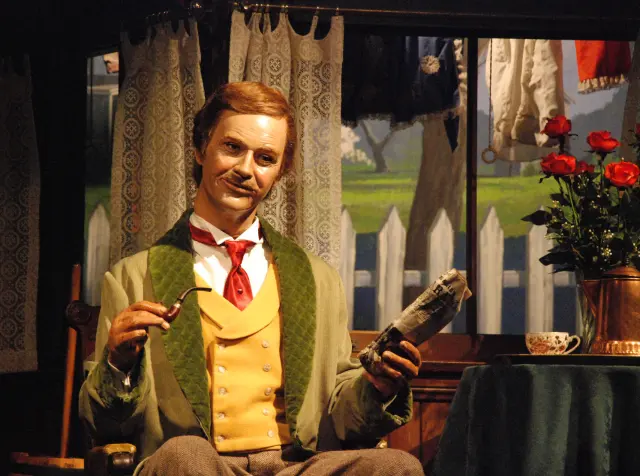
A technique using robotic or electronic mechanisms to simulate the appearance and behaviour of living beings through puppets or other mechanical figures, whose movements can be controlled remotely.
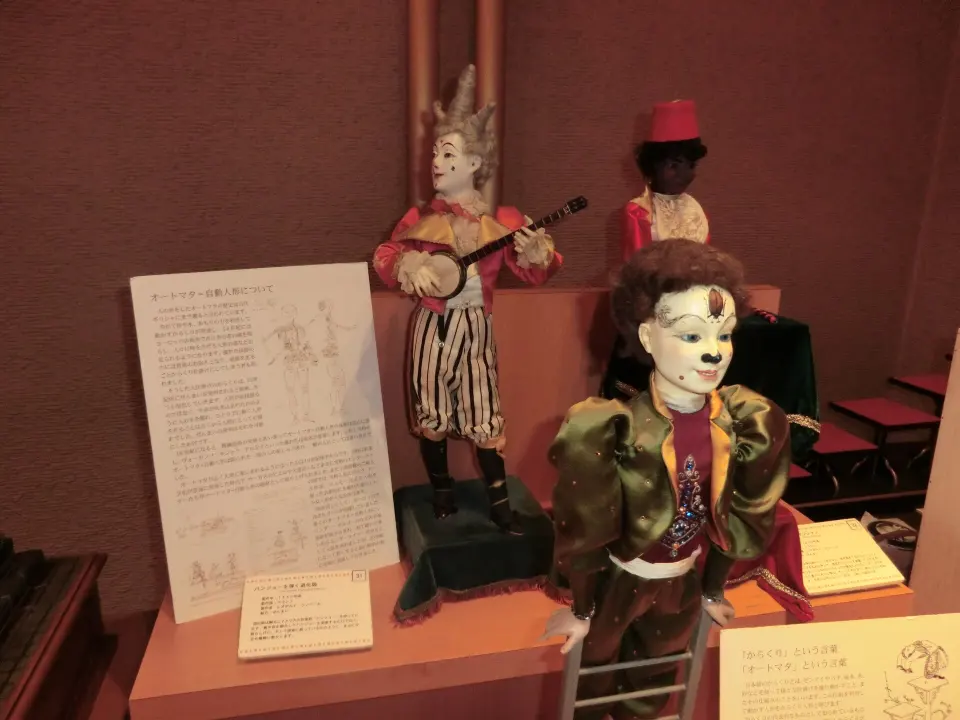
Selected excerpts from our archive offer more context on this subject. Each reading links to the original article and its sources.
Engineering Motion: Animatronics as a Discipline
Animatronics should not be understood simply as a magic trick or a visual effect, but as a specific branch of engineering applied to entertainment. Its technical definition lies in the use of robotic or electronic mechanisms to simulate the appearance and behavior of living beings. This distinction is crucial: unlike traditional animation or stop-motion, which occur on a two-dimensional plane or require constant operator intervention for each frame, animatronics operate in real time and occupy the same physical space as the viewer. The goal is not just to move a figure, but to replicate the vitality, expressiveness, and interaction that characterize organic life, creating an illusion of presence that is tangible and immediate.
Historical sources place the formal development of this discipline in the early 1960s, driven primarily by Walt Disney. It was not an isolated experiment, but a technical need to solve specific narrative problems in amusement parks. The engineering behind these mechanisms sought precision and repeatability. In a theme park environment, where thousands of people experience the same attraction daily, the consistency of movement is vital. A mechanism that fails or varies its behavior breaks immersion and can compromise safety. Therefore, animatronics of that era focused on creating robust, predictable systems capable of executing complex movement sequences autonomously.
To understand the singularity of animatronics, it is necessary to contrast them with other special effects techniques. In film and television, special effects (SFX) often seek to create realities that cannot be filmed or are too dangerous or costly to represent live. They can be 'invisible,' such as the recreation of historical sets, or visible, such as the transformation of a character. However, animatronics have a distinct quality: they are a physical object present in the viewer's space. They are not a projection or a post-production edit; they are a sculpture that breathes, blinks, and moves. This physical presence generates a different psychological connection, based on proximity and direct interaction, rather than the optical illusion of a screen.
The natural environment for animatronics is the amusement park, specifically theme parks. These spaces, which evolved from European fairs and 19th-century world exhibitions, seek to encapsulate specific themes in an immersive experience. Disneyland, for example, popularized the idea of integrating multiple themes into a single facility. In this context, animatronics are not just another attraction, but a narrative tool. They allow characters from stories to come to life in a controlled and safe manner. The need to maintain a constant and safe experience for a mass audience demands that these mechanisms be extremely reliable. Unlike a human actor, who may have a bad day or make a mistake, an animatronic executes its sequence with unbreakable mechanical precision.
KEY FACTS
- Type
- Animation
References
- Animatrónicaes.wikipedia.org