DATABASE / SEARCH

Explore

Archive of technology, entertainment and everyday life

analysis · 2000

The Car as a Document: What Vehicle Collections Can Tell Us

A look at several Spanish collections shows that an automobile museum preserves more than vehicles: it can also bring together engines, components, documents and context to explain the history of technology and society. The available information allows a comparison between MAUTO and the Torrejón de Ardoz automobile collection without conflating their origins or aims.

Open story
analysis · 1970

From Phonograph to Walkman: What Changes When Music Becomes Portable

A cautious reading of two documented moments in the history of recorded music: the Museu de la Música de Barcelona’s acquisition of phonographs and gramophones in 1970, and the Walkman’s introduction as a portable stereo player in 1979. The comparison highlights changes in scale and use without mistaking the available evidence for a complete history of the format.

Open story
analysis · 1980

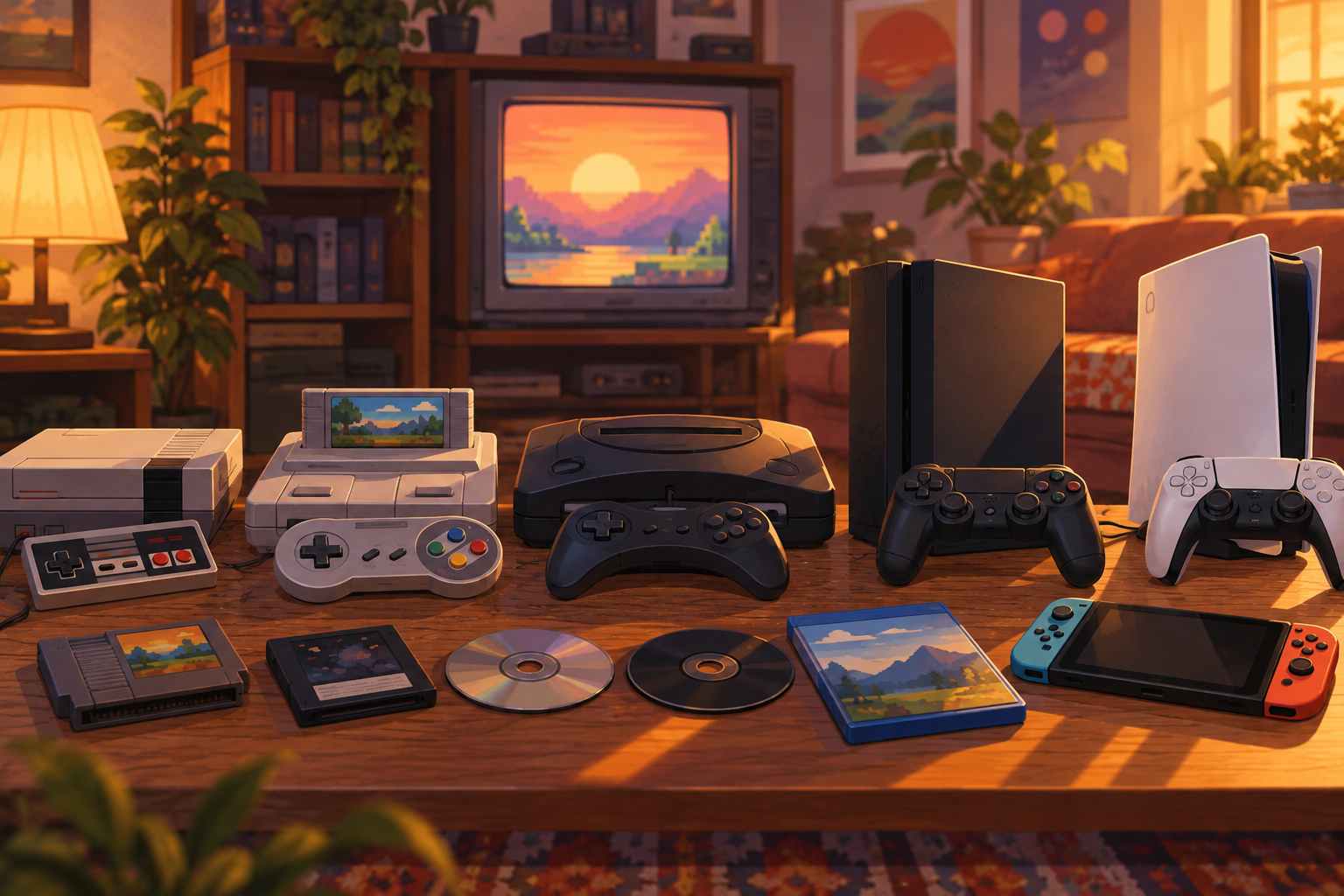
A plural history of consoles: clones, crises and generations

Consoles did not follow a single path. The available sources let us connect Mexican clones of the 1970s and 1980s, the North American crisis of 1983, and the technical competition between 16-bit systems—without conflating distinct contexts or treating generations as a universal scale.

Open story
analysis · contemporary

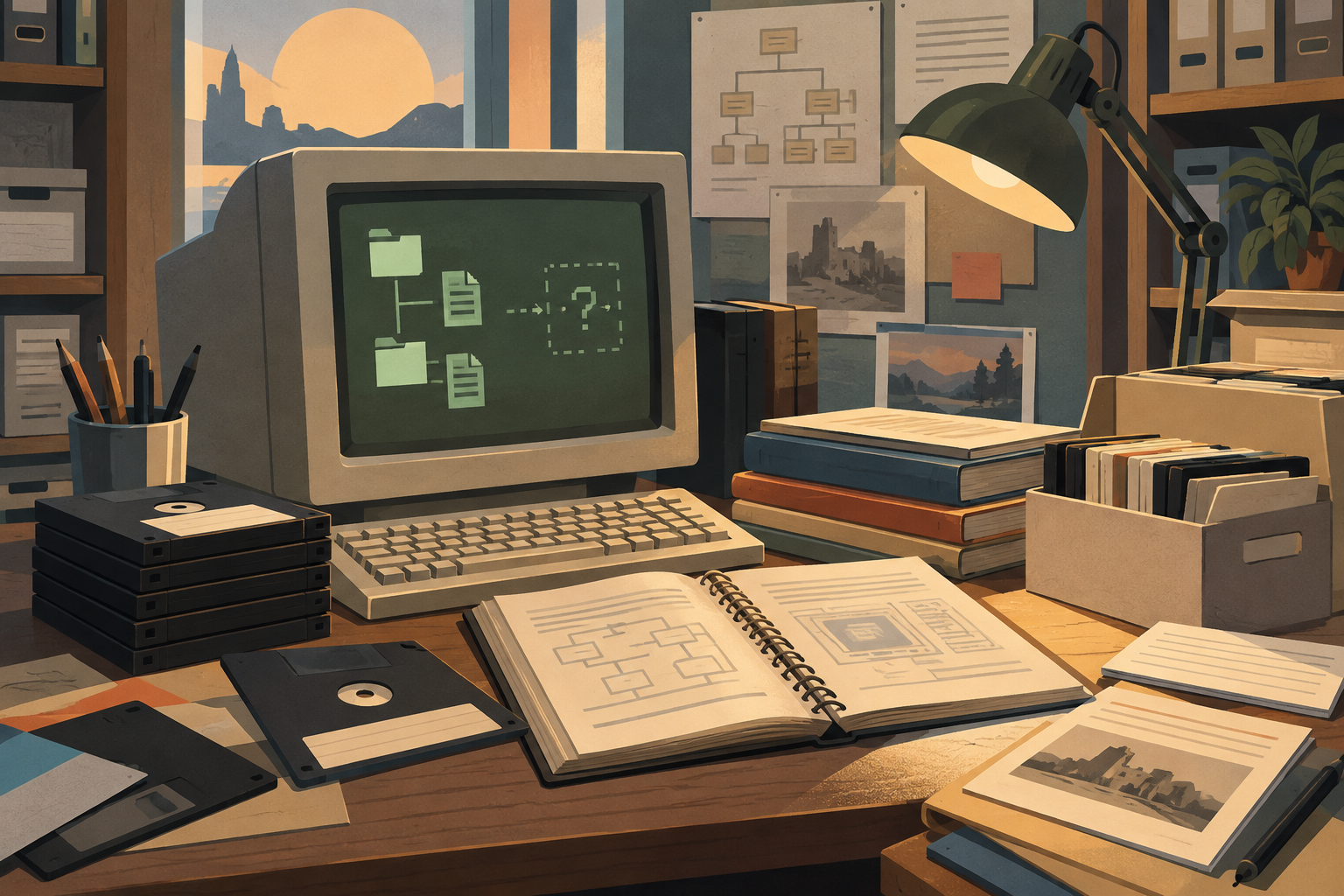
Old software running again: what a virtual museum can tell us

Virtual museums promise more than preserving names and screenshots: they can offer access to software in operation. We examine what the sources claim about the Virtual OS Museum, WinWorld and the Internet Archive’s Historical Software Collection—and the limits readers should keep in mind.

Open story
history · 1970

1977 and the personal computer: from promise to a visible market

The so-called “1977 Trinity”—Apple, Commodore and Tandy—offers a way to examine how the personal computer began to consolidate as a commercial category. The available evidence also shows the limits of that story: there was no single inventor, nor an instantaneous shift from large institutions to the home.

Open story