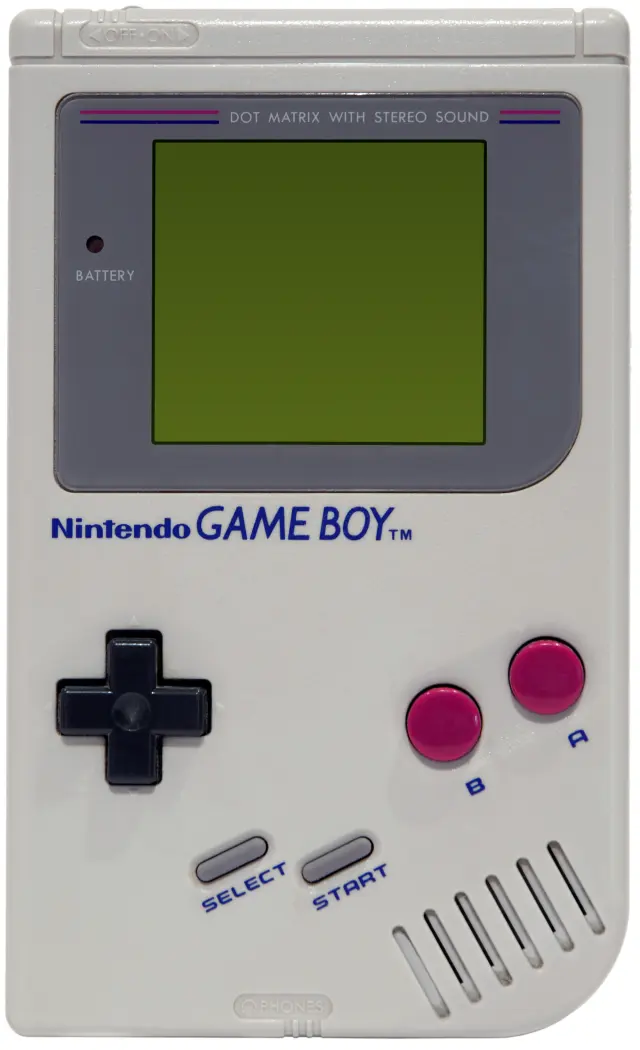
Documentary record of the Game Boy handheld console, connected to the archive’s verified stories, dates and resources.
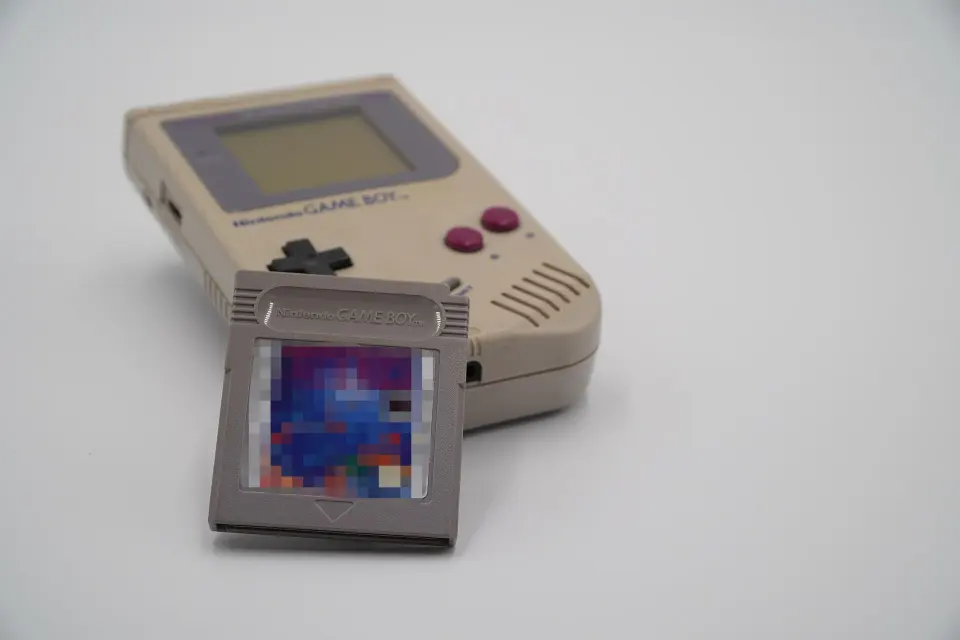
Selected excerpts from our archive offer more context on this subject. Each reading links to the original article and its sources.
The Game Boy’s 1989 launch marked a turning point for handhelds
Nintendo’s Game Boy appeared in 1989. With the materials available, that sentence is the firm core of the story: one source on the evolution of handheld videogames identifies the launch as the arrival of the “definitive evolution” of handheld devices understood as videogame platforms. The wording matters, but it also calls for critical reading. It is a historical assessment from the source, not a technical measurement or a market figure. Even so, it places Game Boy within a specific cultural narrative: a move from earlier devices and game formats toward a more consolidated idea of the handheld as a platform.
1989 is the date supported by the supplied evidence. Nintendo’s name and the name Game Boy also appear explicitly in it. That precision may seem modest, but it prevents a short history from becoming an accumulation of unproven detail. There is no verifiable information here about launch territories, industrial design, screen, power supply, software catalogue, advertising campaigns, or distribution figures.
Nor is it appropriate to assign specific consequences to the arrival in 1989 when the sources do not describe them. It is possible to say that the device marks a stage in the history of handhelds, because the source presents it as a culmination. Explaining exactly how that culmination worked would require additional documents. The significance of the fact does not depend on filling those gaps: it lies in recognising that a platform enters historical narrative when a source positions it as a reference point within an earlier sequence.
The same evidence summarises that sequence. It places the first fully electronic games marketed by Mattel at the beginning of the 1970s, while noting that they could hardly be considered videogames. That observation does not remove them from history; rather, it shows that the boundaries of the medium were still unstable. Electronic game devices existed, but the category of videogame was neither settled nor applied without qualification.
Game Boy (1989): a historical technical sheet and the limits of the evidence
The strongest statement in the collected evidence is straightforward: the Polytechnic University of Catalonia places Nintendo’s Game Boy launch in 1989 and describes that moment as the arrival of the definitive evolution of handheld systems understood as videogame platforms. This is a meaningful starting point, but it does not by itself authorize a complete history of the device.
The same university source places the background of electronic handheld games in the early 1970s. It mentions Mattel’s first fully electronic products, Coleco arcade conversions, and Nintendo Game & Watch microgames. The sequence matters because it prevents Game Boy from being treated as an object that appeared from nowhere: it emerged within an earlier trajectory of portable play formats.
That framework matches a broader idea in the supplied sources. Narratech proposes studying videogame history through devices, physical preservation, internet archaeology, and the experience of playing on old consoles and computers. From that perspective, a Game Boy sheet should not be reduced to a list of specifications: it should also explain what is known, where that knowledge comes from, and which parts remain unconfirmed.
Supported historical scope: the UPC source argues that Game Boy marked the definitive evolution of handheld systems as videogame platforms. This is the source’s historical assessment, not a technical measurement or a market figure.
KEY FACTS
- Type
- Console
- Year
- 1989