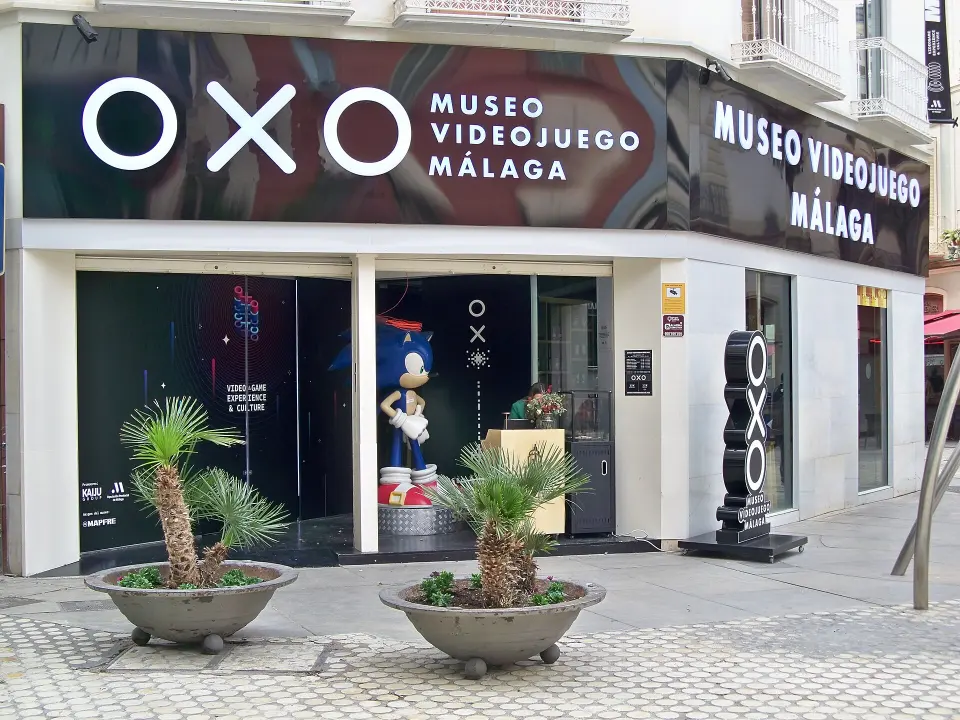
An online project dedicated to preserving and sharing video-game and computing history. It states that it gathers data, images, magazines and videos, and maintains a database with more than 21,000 video-game entries and 800 consoles.
Selected excerpts from our archive offer more context on this subject. Each reading links to the original article and its sources.
Preserving Video Games Is Not Just Saving ROMs: What Museums and Archives Actually Keep
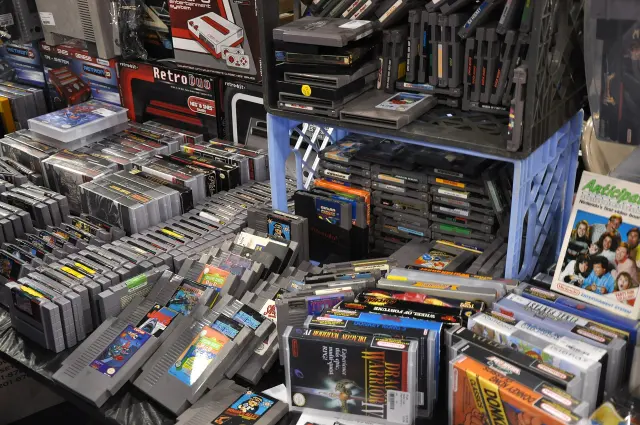
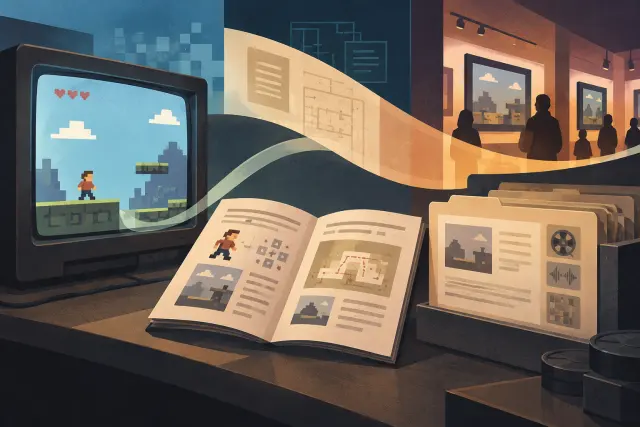
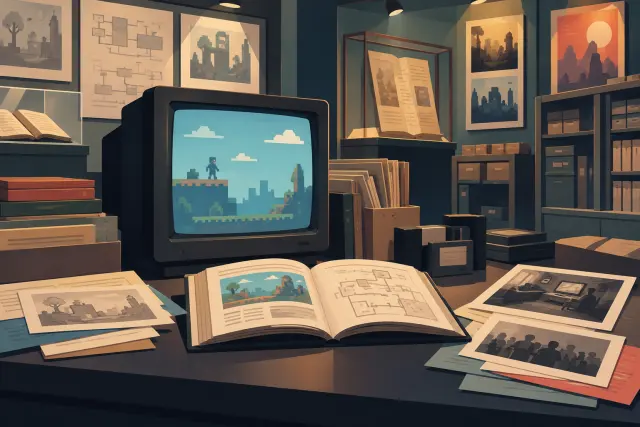
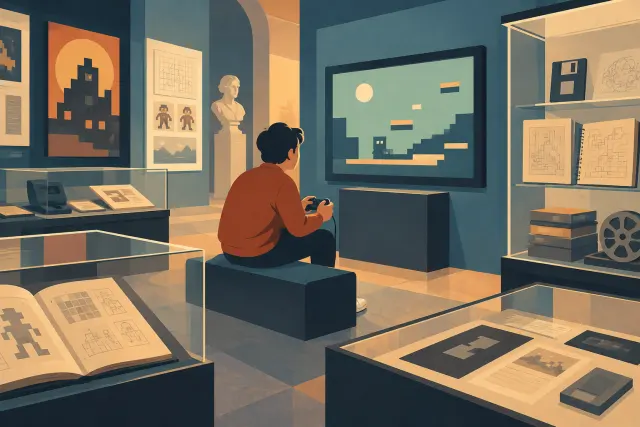
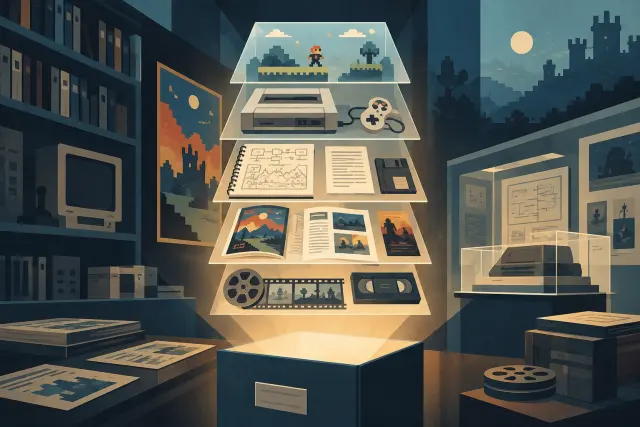
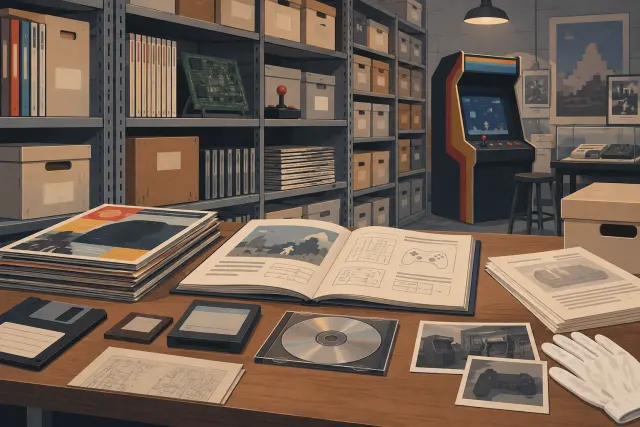
When video-game conservation is discussed, the subject is often reduced to a technical question: if the program runs, has it been preserved? The available evidence calls for a more careful answer. Museo del Recreativo describes its preservation collection as physical and digital means for consulting, displaying and teaching documentation, machines, software and hardware. Museo del Videojuego likewise describes an archive of game and console data, images, magazines and videos. A runnable game is therefore important, but it is not the only trace through which a game can be understood.
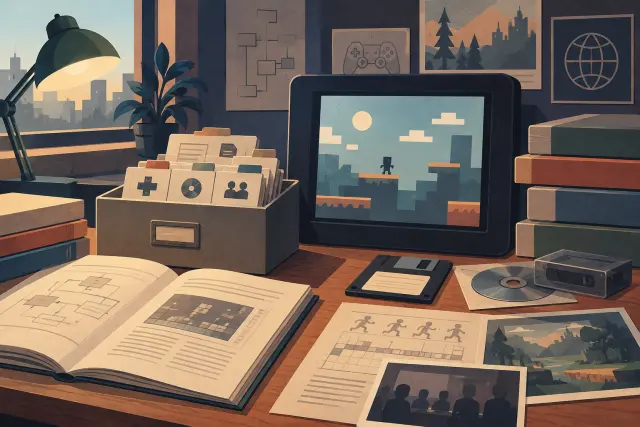
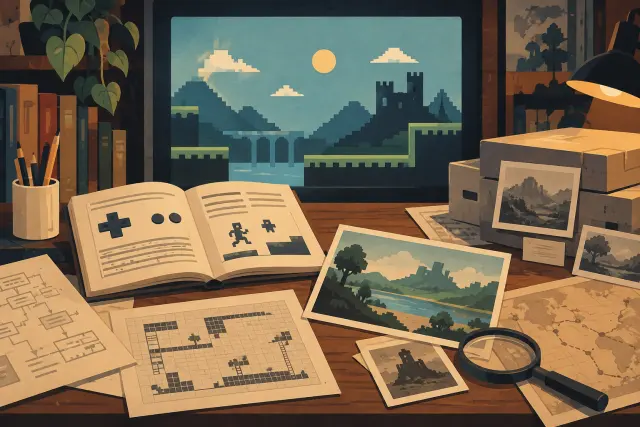
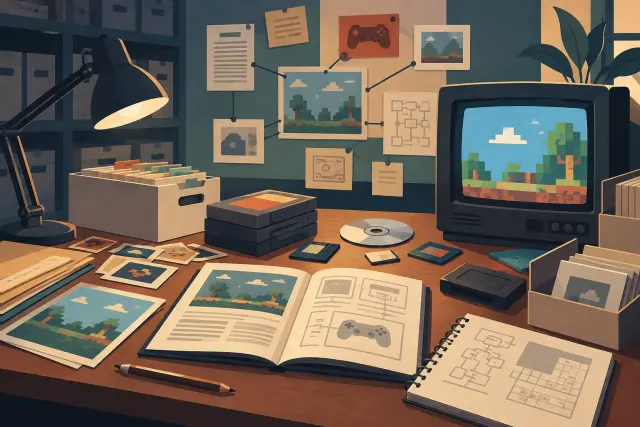
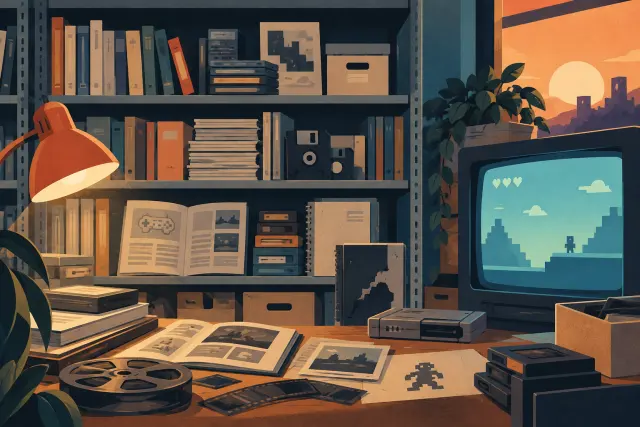
Museo del Videojuego’s digital library lists official guides, walkthroughs, printed advertising, commercials, specialist press, reports, documentaries, trailers, intros, promotional CDs and DVDs, demos, utilities and magazine-disc content. It also includes audiovisual material from events such as E3, CES and Tokyo Game Show.
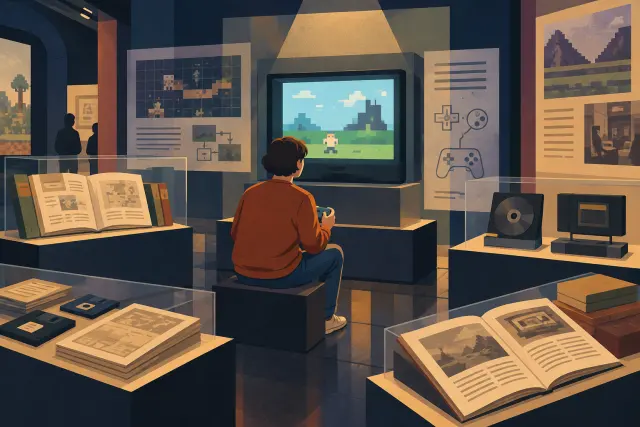
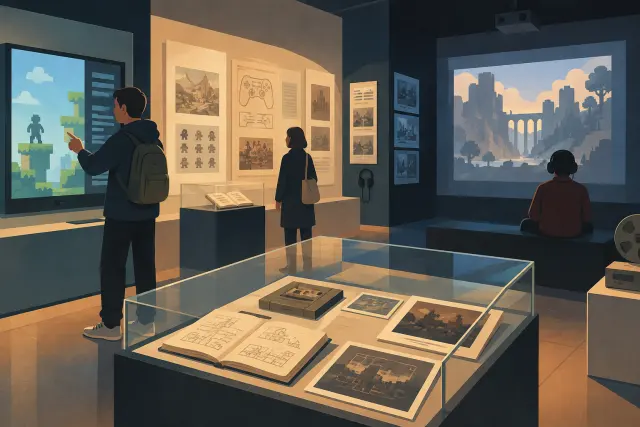
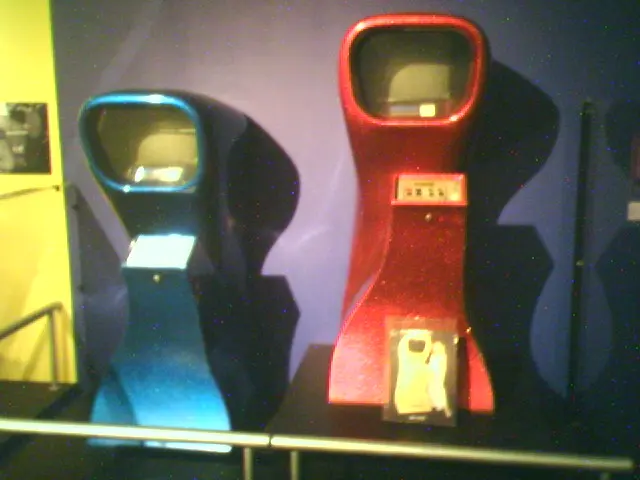
The Spanish initiatives in the evidence connect conservation, exhibition and public engagement. Arcade Vintage describes itself as a cultural association devoted to conserving and sharing the culture of arcades and arcade machines from the 1970s, 1980s and 1990s. Museo del Videojuego frames its catalogue and library as work to preserve the history of games and computing. Museo del Recreativo stresses that holdings should be available for consultation, display and teaching.
Preserving Video Games Means Preserving Their Contexts
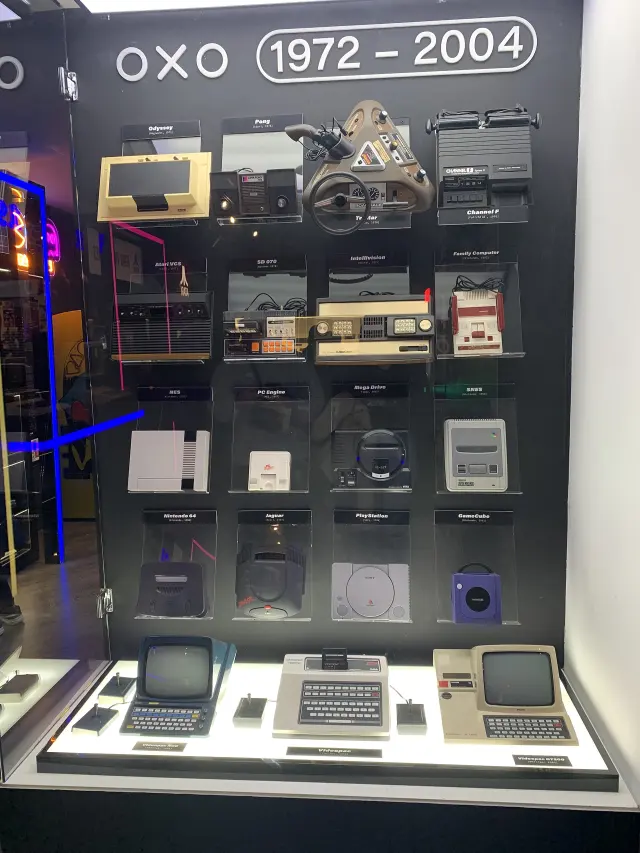
Museo del Videojuego likewise distinguishes intersecting but different historical paths: arcade machines, consoles, handhelds and computers. This view prevents the medium from being reduced to one line of domestic products. Each setting produces distinct preservation issues and, above all, distinct accounts of use. An arcade machine points to a shared space; a computer can belong to work and leisure practices; a home console places play in another area of everyday life.
Catalogues and digital libraries are a visible part of this work. Museo del Videojuego reports collecting data, images, magazines and videos, while its library organizes publications, advertisements, guides, audiovisual material and content included on promotional media. Such material helps us read video games as cultural products: it records commercial languages, the mediation of specialist press and forms of learning that do not always remain inside the program.
KEY FACTS
- Type
- Museum
References
- Objetivo del Museo del Videojuego | Museo del Videojuegomuseodelvideojuego.com
- Blog | Museo del Videojuegomuseodelvideojuego.com