RetroPauseCollectibles
Thematic archive · Collectibles

Collectibles and the thrill of completing a series

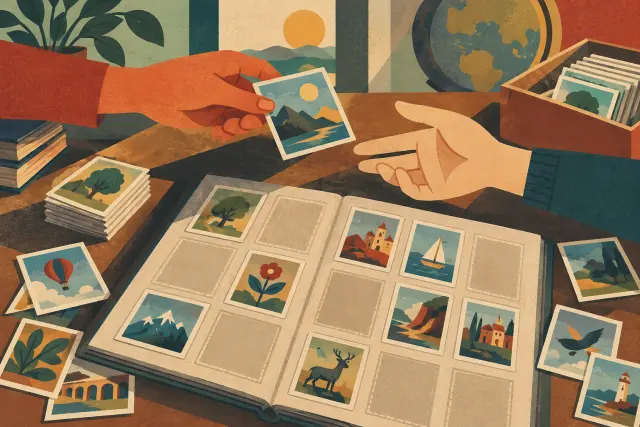
Collectible cards, figures and serialized objects turned trading into a shared experience. This landing page brings together readings on collections, how they are organized and documented, and the practices around them, rather than treating collecting as a search for individual items.

Start here

Readings to help you find your bearings.

Analysis · NOW

A catalogue can identify an album; a variant needs evidence

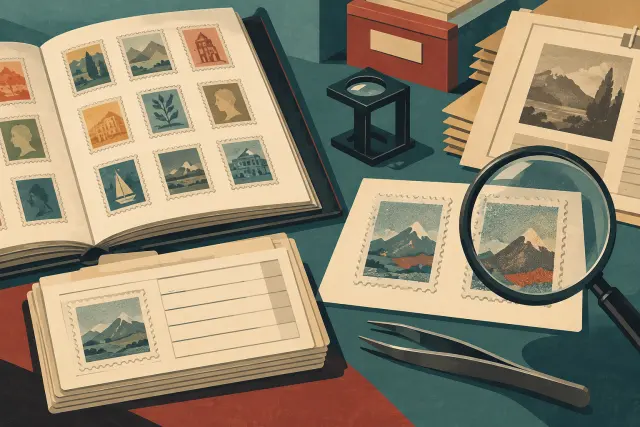
CER.es brings together records and images of a selection of cultural objects and offers a starting point for locating documented sticker albums. The available information does not, however, show that the catalogue records every series or its variants. Rigorous research should distinguish catalogue identification from material comparison and preserve gaps as part of the archive.

Open story
Collectibles

A story in context

Catalogues and objects can help identify variants, but estimates of value are not presented as historical fact. Networks of exchange are also part of this archive.

The focus is on series and collecting practices. Comics covers narrative publications, while Toys explores the playful uses of objects.

Choose your path

Three perspectives on the archive.

Featured dossier

A Guide to Reading a Comics Magazine as a Historical Document

A reading and cataloguing guide for separating publication date, serialization, collected editions, and editorial context without turning clues into certainties.

Read article

Documented milestones

  1. 1283

    Compilation of the Libro de acedrex, dados e tablas by Alfonso X

    Alfonso X the Wise orders the creation of a manuscript that standardizes the rules of chess, dice, and backgammon, turning oral practices into a written and visually documented text.

    Read article
  2. 1815

    The Spanish peineta arrives in Buenos Aires

    The Spanish peineta was introduced in Buenos Aires around 1815 and became a precursor to the Río de la Plata peinetón.

    Read article
  3. 1819

    The Prado Museum Founded as the Royal Museum of Paintings

    The Prado Museum was founded as the Royal Museum of Paintings; the history of its restoration workshops is studied from that year through archival documentation.

    Read article
  4. 1824

    Interest grows in larger, more elaborate combs

    From 1824, interest in larger, more elaborate models began to grow, a development that led to the peinetón.

    Read article
  5. 1830

    The peinetón reaches its peak

    The peinetón reached its peak between 1830 and 1837 as a striking accessory in women’s fashion in Buenos Aires and Montevideo.

    Read article

Latest additions

Contemporary

Heisei retro: remembering not just the objects, but how they were used

Tamagotchi, Tamamori stickers and purikura show that revisiting the past involves more than reissuing its imagery: it also means considering what people did with these objects and how they circulate today. Heisei retro brings together memory and first-time discovery without reducing the era to a single experience.

Before 1950

The Toy as a Play Object: Materials, Uses and the Stories Collections Tell

Wear, materials and collecting histories help us understand toys without reducing them to rare curiosities. From pedal vehicles made by Valencia’s Sauquillo factory to a toy cradle in Madrid’s National Museum of Anthropology, these objects reveal possibilities for play as well as ideas about childhood, education and everyday life.

1950s

The LP and the 45: two record formats, two ways of listening

The microgroove LP and the 45-rpm single began as rivals but settled into complementary roles: one gathered longer programmes, while the other kept individual songs in circulation. Their history shows how playing time, materials and playback equipment shaped listening at home.

1990s

A Comics Magazine Is Read at the Edges, Too

The magazine format brings together stories, editorial choices and traces of circulation. Collections and comics scholarship help show what changes when these publications are preserved as archives.

Contemporary

Conserving comics as material heritage

Comics have ceased to be ephemeral objects to become cultural documents requiring specific archival practices. This analysis explores how institutions manage the physical integrity of these works to ensure future access.

Sources for the selected readings

Editorial review ·