A proposed documentary module on recovering interiors: Museo Cerralbo illustrates that conservation can encompass rooms, routes, and relationships between objects, not only individual pieces.
Selected excerpts from our archive offer more context on this subject. Each reading links to the original article and its sources.
Restoring an Interior: The Recovery of the Museo Cerralbo and Why Documenting Change Matters
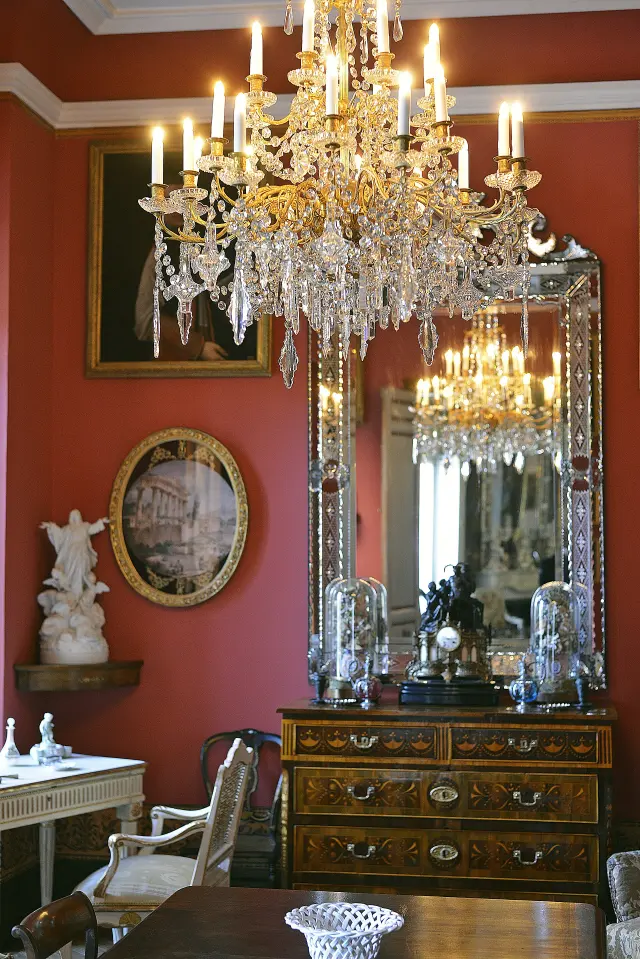
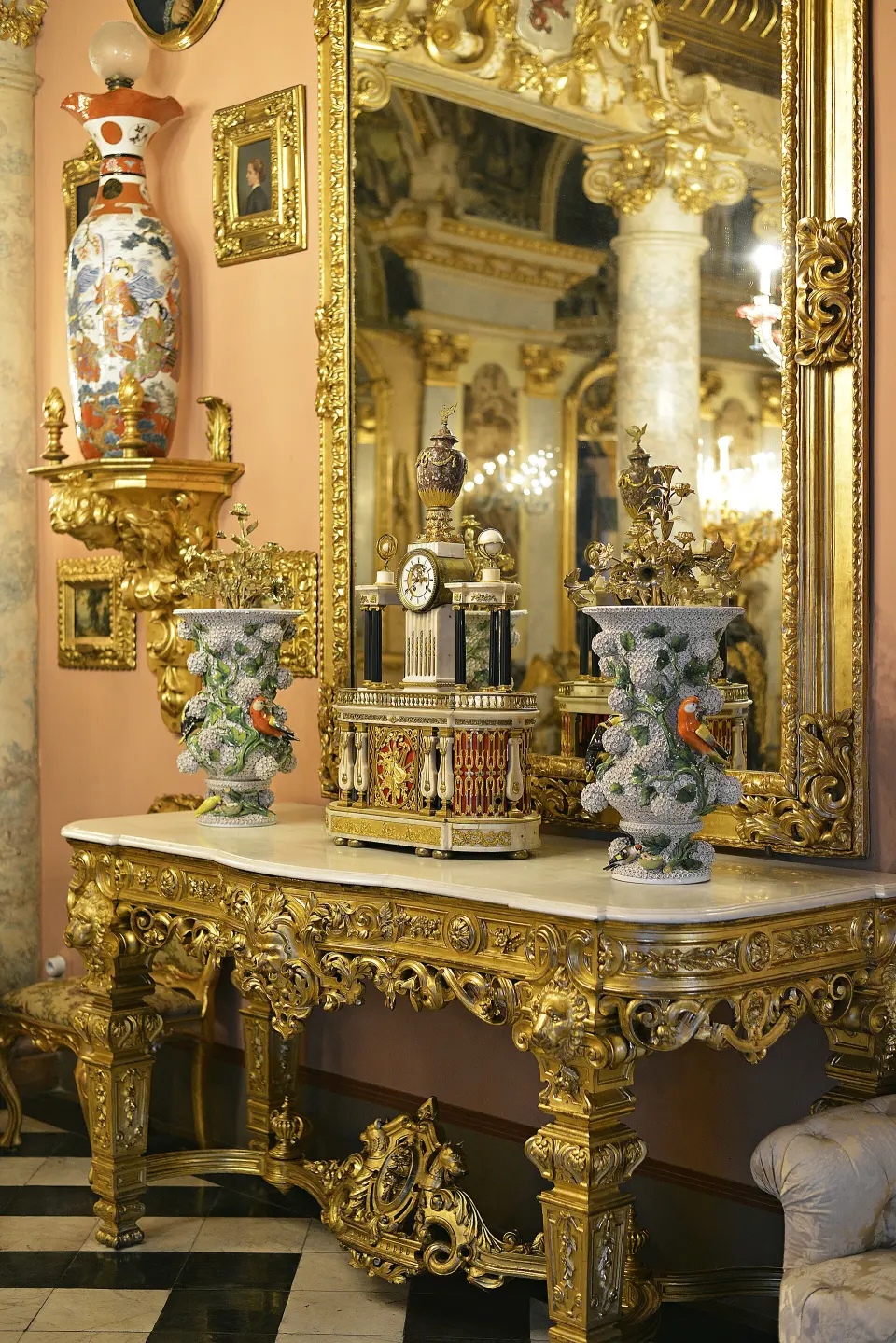
Recovering a house museum requires looking beyond each individual artwork, piece of furniture, or wall covering. At the Museo Cerralbo, the Ministry of Culture describes the interior setting as a historic-artistic value: evidence of taste, social practices, and ways of life associated with part of nineteenth-century society. That definition shifts the usual question. The issue is not only whether an object can be repaired, but how to preserve the relationship among objects, rooms, routes, and display.
This case matters to recent restoration history because it was not framed as a merely visual update. The institution describes historical documentation and complex work of recovery, conservation, and restoration requiring coordination among historians, restorers, and workers from many trades. Restoration therefore appears as evidence-based interpretation with limits: every decision changes how visitors understand a place.
The Museo Cerralbo states that structural work to floors and roofs, electrical improvements, air conditioning, and closed-circuit television had been completed in 1993. Attics were also adapted for administration, conservation, and restoration workshops. These changes addressed functional and conservation needs in the building, but they did not by themselves renew its museographic reading.
From 2002, a different phase began: recovering the atmosphere of the main floor. The museum explains that options ranged from retaining earlier interventions and restoring only necessary pieces to completely renewing the display through thematic series on nineteenth-century collecting. The choice makes a recurring tension visible: preserve an inherited state, intervene selectively, or build a more contemporary exhibition narrative.
Restoring an Ambience: the Museo Cerralbo Case and the Limits of Bringing a House Back to Life
The Museo Cerralbo raises a particularly useful question for thinking about historical restoration: what is recovered when a museum’s value also lies in the arrangement of its rooms? Spain’s Ministry of Culture describes ambience as a historical-artistic value worthy of recovery because it reflects the taste, social practices and ways of life of part of nineteenth-century society. That definition shifts attention from the isolated object to the whole: architecture, finishes, furniture, objects and visitor route.
This does not mean that every present detail reproduces an unmediated moment from the past. Recovering an ambience requires documentation, decisions and professional coordination. It is therefore better understood as an evidence-based interpretation than as a time machine.
The Museo Cerralbo’s institutional page places the start of its space-recovery project in 2002. It also states that architectural works had been completed in 1993, involving structural floors and roofs, as well as electrical, air-conditioning and closed-circuit television improvements and work areas for administration, conservation and restoration.
That distinction matters. Structural and service works address building and operational needs; the later recovery addressed museographic renewal and the relationship between rooms, decoration and collections. According to the museum, the work required historical documentation and coordination among historians, conservators and practitioners from numerous trades.
KEY FACTS
- Type
- Museum