Thematic archive · Film

Cinema and the ways audiences discovered films

Movie theaters, posters and video screenings accompanied films and shaped how audiences encountered them. We explore works and cinema culture to understand how films reached their viewers.

Start here

Readings to help you find your bearings.

Analysis · NOW

A Genre in the Catalogue Does Not Tell the Whole Film

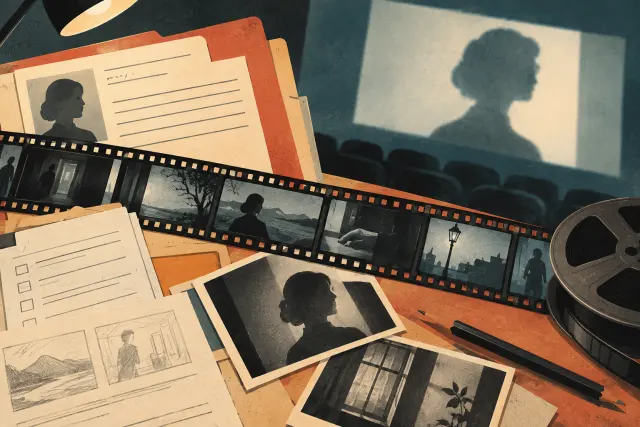
Film archives bring together identification data, production documents and visual materials. Reading them together can illuminate how a film was classified and preserved without confusing that documentation with the work itself or with the audience’s experience.

Open story
Film

A story in context

Posters, editions and critical sources offer ways to examine what was promoted and how films were watched, without letting nostalgia stand in for the works themselves.

The focus is on films and their cinematic context. Television explores domestic broadcasting, while Animation looks at its techniques.

Choose your path

Three perspectives on the archive.

Featured dossier

Preserving cinema means preserving its contexts too

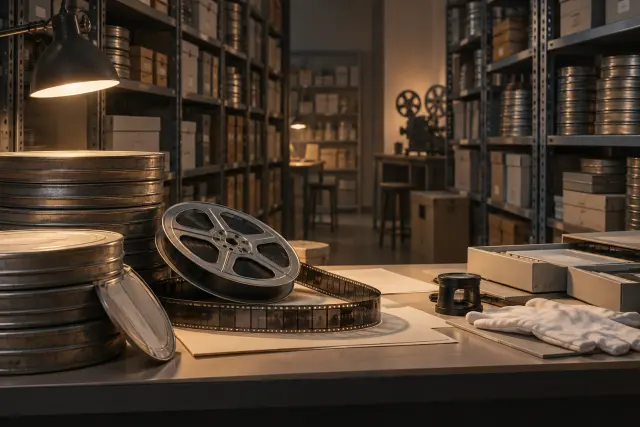
Films are works of art and sources for thinking about social memory. Preserving them means attending to how they were made, what they show and which decisions shape the versions audiences encounter.

Read article

Documented milestones

  1. 1905

    The approximate consolidation of film distribution in Spain

    Archivo Cine places the consolidation of film distribution in Spain around 1905, alongside changes in cinemas, the construction of permanent venues dedicated to film, and the expansion of film catalogues. The date is approximate and describes a process, not an exact beginning.

    Read article
  2. 1914

    Start of Max Fleischer's experimental shorts

    Max Fleischer began producing experimental shorts between 1914 and 1916 to demonstrate the rotoscope, a technique that projected images through a glass panel to be traced frame by frame.

    Read article
  3. 1917

    Namakura Gatana is dated to 1917

    The sources place the Junichi Kouchi-attributed short film Namakura Gatana in 1917. They do not document a release month or day, so year precision is retained.

  4. 1918

    Start of the Out of the Inkwell series

    Max Fleischer begins production of the animated series Out of the Inkwell, which becomes a milestone for the use of the rotoscope.

    Read article
  5. 1919

    Creation of the character Felix the Cat

    Cartoonist Pat Sullivan and animator Otto Messmer created Felix the Cat, considered one of the first major hits of animation at the time.

    Read article

Latest additions

2000s

Preserving cinema means preserving its contexts too

Films are works of art and sources for thinking about social memory. Preserving them means attending to how they were made, what they show and which decisions shape the versions audiences encounter.

1990s

What Disney Animation’s Production Art Reveals

Drawings, story sketches, concept art, and background paintings are not incomplete versions of a film: each belongs to a different stage and answers a different question. Read alongside sequences and finished shots, they reveal decisions about staging, style, and collaboration.

2000s

Ánima Estudios: From Web Experiments to Continuous Production

Emerging from the animation team behind Tirabala.com, Ánima Estudios turned a digital venture into an effort to produce features on a continuing basis. Magos y gigantes and Imaginum show both the studio’s technical development and the challenges of financing, distribution and finding an audience.

Contemporary

Photography and video: how time becomes part of the image

Photography and video share composition, framing and lighting, but they organize those tools differently. In moving images, changes within a shot, duration and editing make time a creative material in its own right.

Contemporary

Photography and video: how time transforms shared tools

A camera can take photographs and record video, but each medium organizes images differently. In audiovisual work, composition, framing and lighting unfold over time; duration and editing turn shots into a rhythmic sequence.

2000s

The digital pulse setting film release dates

Beyond the production calendar, studios use massive mobile user data to predict audience response. This analysis explores how predictive analytics is redefining release strategy and the ethical challenges it poses for cultural diversity.

1970s

The migration of fear: from IMAX to streaming in three decades

Between 1970 and 2009, horror cinema shifted from a collective experience in large-format theaters to domestic digital consumption. This analysis examines how technology and international festivals redefined the distribution and reception of the genre.

Contemporary

Beyond the Cel: The Material Complexity of Preserving Anime

Anime heritage resides not only in digital archives but in a physical network of cels and backgrounds that challenges traditional museum conventions. This analysis explores how institutions and academic communities are redefining the documentation of this cultural medium.

Sources for the selected readings

Editorial review ·