Shared tools, different roles
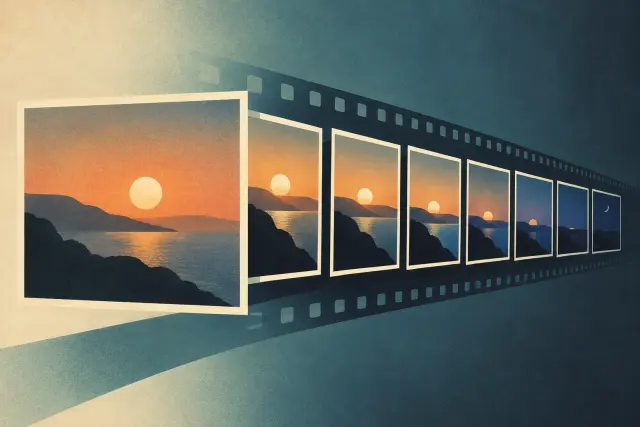
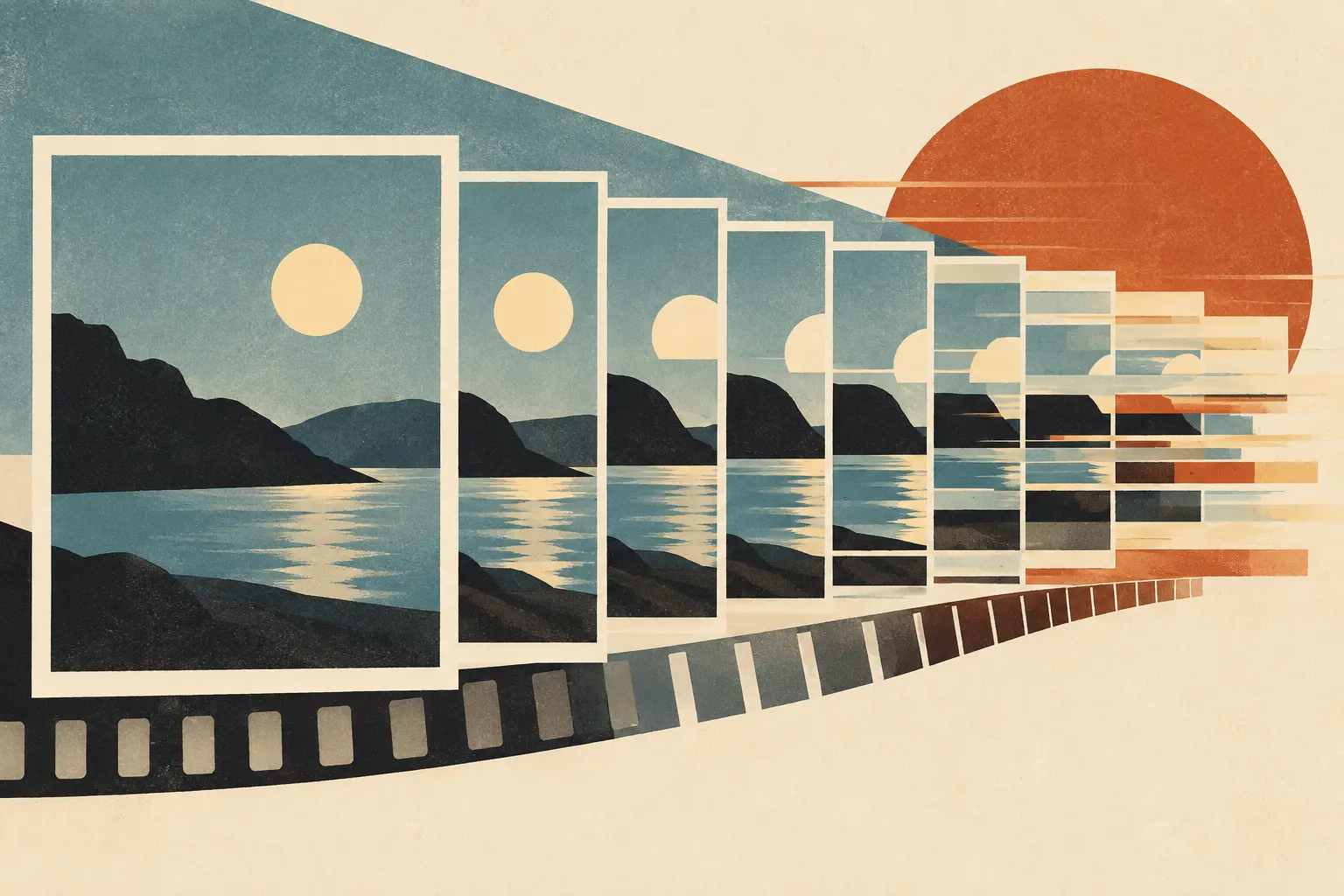
A photograph and a video shot can frame the same subject and use similar lighting or composition. Moving images, however, introduce a crucial possibility: those elements can change while the shot lasts. Time is not merely the interval in which an image is recorded; it also shapes its form and its relationship to other images.
In his analysis for Mosaic, Antoni Marín Amatller distinguishes the visual tools shared by photography and audiovisual work from the way those tools function in each medium. Composition, framing, lighting and colour correction belong to both. In photography, they are generally conceived for a particular image; in video, they can evolve within a shot and help build a sequence.
The difference is not simply a matter of equipment. Today’s cameras make it easy to switch between photography and video, but having both functions does not mean using the same visual language. For Marín Amatller, the central questions are what the creator wants to narrate and how that narrative is organized.
Moving images change from within
In a photograph, the arrangement of elements is fixed at capture, even if it can later be altered in post-production. In an audiovisual shot, that arrangement can transform: a person moves through the frame, another element enters the scene, or the camera shifts. Composition is no longer just a stable arrangement; it unfolds over time.
Framing can change too, altering the distance and angle from which a subject is shown. A shot might begin as a wide view and end closer in, through camera movement or a change of focal length. The image does not simply present a viewpoint; it can guide the viewer from one scale or position to another.
Lighting shares this dynamic quality. A lighting setup may draw on photographic practice, but light can also change over the course of an audiovisual shot. That is why assessing a video frame by frame as if each image were independent misses part of its meaning: the appearance of each instant matters, as do continuity and the changes between moments.
From shot to sequence
The difference is also visible in the unit of work. Photography often begins with the individual image, which may have force in its own right. An exhibition, series or photobook, however, can bring photographs together as a coherent whole. Marín Amatller notes that some photographic projects rely on seriality, repetition or relationships among images; photography, then, is not confined to the isolated image.
Audiovisual creation, by contrast, usually treats a shot as part of a sequence. Its function depends on what it shows and on how it relates to the shots before and after it. The sequence provides a shared framework for visual decisions: a shot can gain meaning through contrast, continuity or association with another, even if it seems less conclusive on its own.
This helps explain why duration and order matter so much. In audiovisual work, alternating wide shots, medium shots and close-ups is not just a matter of varying scale. Their order and the time allowed for each can describe a situation, direct attention or modulate intensity. There is no single formula, but there is a temporal organization that an individual photograph does not have to resolve in the same way.
Editing turns duration into rhythm
Audiovisual rhythm emerges from several factors combined: how long each shot lasts, what happens within it, how the camera moves and the order in which images appear. Editing selects fragments from the recorded takes and connects them; post-production may add colour adjustments, digital compositing and sound. The final rhythm is therefore not just a matter of counting cuts: it also depends on the dynamics unfolding within each shot.
Marín Amatller suggests thinking of audiovisual work not as a mechanical succession of images, but as a temporal structure whose rhythm shapes the viewer’s experience. A long take can let a movement or transformation develop; a quicker succession of shots can create a different relationship between detail and whole. These are possibilities of the medium, not automatic effects: their meaning depends on the scene and on decisions made in production and editing.
The process also explains why a recorded shot is not necessarily the final version. Different takes and versions of a situation may be filmed; in editing, the creator chooses the fragments that will form the work. Post-production then helps give it its final shape. The duration audiences experience is thus constructed from the recorded material.
A useful distinction, not a rigid boundary
Photography and video are not sealed-off categories. They share visual principles and can be combined, while photographic projects based on series or repetition also organize relationships among images. Marín Amatller’s distinction is not intended to reduce one medium to stillness and the other to movement. It draws attention to a more specific question: how an image changes over time and what rhythm those changes create.
For video-makers, deciding what appears in the frame is only part of the task. They must also consider how long it lasts, how it changes and how it connects to what follows. Attention to temporal development extends the resources associated with photography and reveals editing as more than a technical operation: it is a way of composing with duration, movement and the relationships between shots.
- Decade
- Contemporary
- Region
- Global
- Level
- Introduction
- Entities
- No linked entities
Sources and references
- El factor temporal y el ritmo como distintivo entre fotografía y vídeodoi.org · 2026-10-26
- Modelo multidimensional de los factores que afectan la interacción entre marketing y ventas en el lanzamiento de nuevos productos en Latino Américadoi.org · 2026-10-26
- Fotografía para lanzamientos de marca y producto - eventecheventech.mx · 2026-10-26
- Fotos para eventos de marca y lanzamiento de productoswww.fotofuneventos.com · 2026-10-26
- Foto y video profesional eventos CDMX | Bodas, XVwww.eventplannermexico.mx · 2026-10-26