The transformation of horror cinema between 1970 and 2009 was not merely an aesthetic shift but a reconfiguration of its consumption space. What began as an immersive experience in large-format theaters evolved into a constant presence in the home, driven by technological and distribution changes. This period marked the transition from collective projection to digital privacy, altering the relationship between the viewer and fear.
The Rise of Immersive Formats
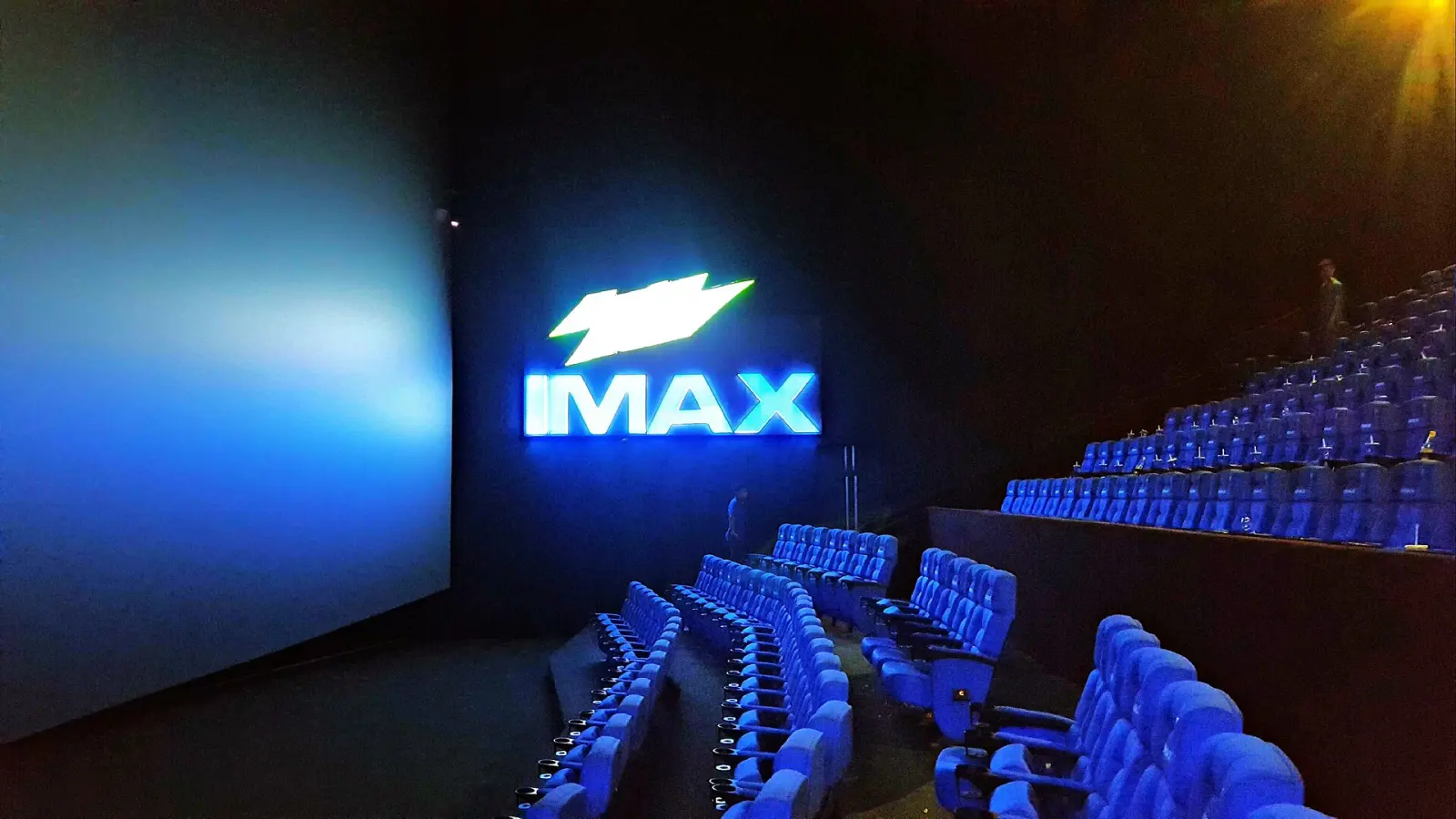
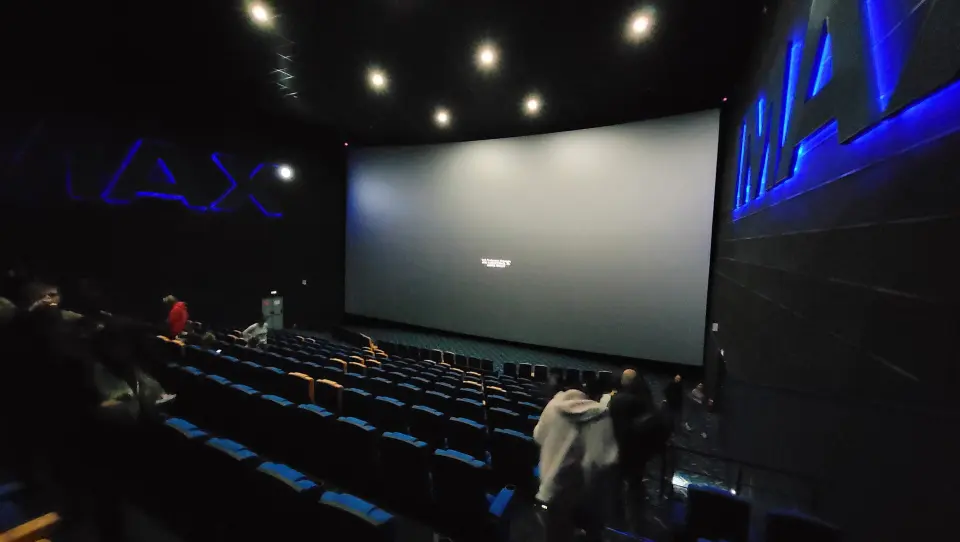
In 1970, the introduction of IMAX represented a technical milestone. Projected on much larger screens, this format allowed studios to experiment with larger-scale visual effects. Although IMAX was not limited to horror, its ability to amplify immersion laid the groundwork for a new perception of cinema. Directors of the era, influenced by Stanley Kubrick's innovations, began to explore how technology could intensify the narrative experience, an approach that would be crucial for the development of later subgenres.
The Consolidation of Subgenres
During the 1970s, horror diversified into subgenres such as slasher, gore, and psychological horror. Films like A Clockwork Orange (1971) demonstrated that the genre could combine horror elements with social critique, expanding its reach beyond pure fear. This diversification allowed horror to adapt to different audiences and cultural contexts, laying the foundation for its international expansion.
The Domestic Distribution Revolution
In the 1980s and 1990s, the rise of VHS and DVD transformed distribution. Viewers could acquire film copies at home, reducing dependence on cinemas. This change facilitated the diffusion of niche titles and allowed horror to be consumed in a more private setting. The accessibility of these formats also fostered the emergence of specialized festivals, such as the Mar del Plata International Film Festival, which consolidated itself as a reference for horror works.
The Role of International Festivals
Festivals like Mar del Plata played a crucial role in promoting international horror. By offering a platform for filmmakers from different regions, these events helped consolidate subgenres and promote cultural diversity within the genre. The presence of specialized festivals also contributed to the legitimization of horror as an art form, beyond its commercial function.
The Arrival of Streaming and Digitalization
In 2009, the expansion of streaming platforms and digital formats marked a new phase. The ability to access films anytime and anywhere changed audience expectations, who now sought immersive experiences without leaving home. Improved image quality and extensive catalog availability allowed horror to be consumed in a more personalized way, adapting to individual viewer preferences.
Limitations of Historical Evidence
While the available evidence allows for a general evolutionary line to be traced, there are limitations in verifying certain details. For example, the specific influence of IMAX on 1970s horror is not clearly documented in the provided sources. Similarly, the relationship between festivals like Mar del Plata and the consolidation of specific subgenres requires further research to establish direct connections.
Conclusion
The migration of horror cinema from the big screen to streaming between 1970 and 2009 reflects a broader transformation in the film industry. Technology not only changed how films were produced and distributed but also how fear was experienced. This period laid the foundations for contemporary horror, where immersion and accessibility are key elements in the relationship between the genre and its audience.
Documentary gallery

- Decade
- 1970s
- Region
- Global
- Level
- Enthusiast
- Entities
- VHS, Festival Internacional de Cine de Mar del Plata
Sources and references
- Capítulo cuarto. La «tercera vía» y el cine español middlebrow en la década de 1970doi.org · 2026-10-22
- CRONOLOGÍA DE LA HISTORIA DEL CINElas1000nochesyuna.com · 2026-10-22
- Películastranslate.google.com · 2026-10-22
- Las 50 mejores películas de los años 70, ordenadaswww.fotogramas.es · 2026-10-22
- Cine de terrores.wikipedia.org · 2026-10-22