An archive for studying contemporary art
An interpretive module devoted to the museum’s documentary continuity since 1986.
OPEN RECORD →Computers · floppy disks · printers
An interpretive module devoted to the museum’s documentary continuity since 1986.
OPEN RECORD →Displaying the 5150 in a computer classroom makes it possible to explain that the personal-computer market existed before 1981 and that the later adoption of its architecture by other manufacturers helped consolidate the compatible ecosystem.
OPEN RECORD →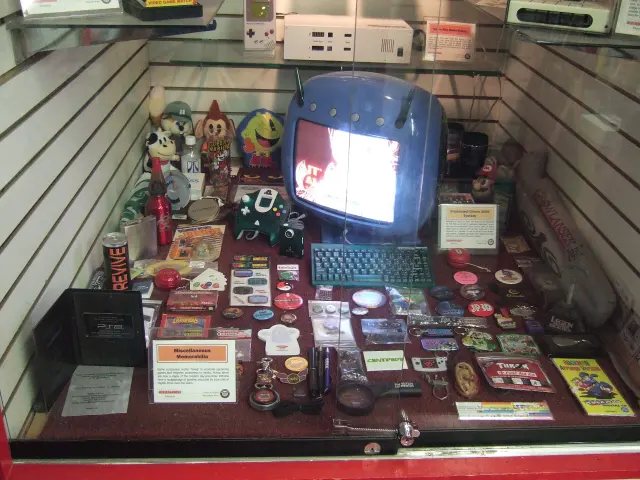 CONSOLE
The history presented by the UPC Faculty of Informatics identifies 1989 as the year Game Boy launched, placing the milestone in the evolution of portable video game platforms.
OPEN RECORD →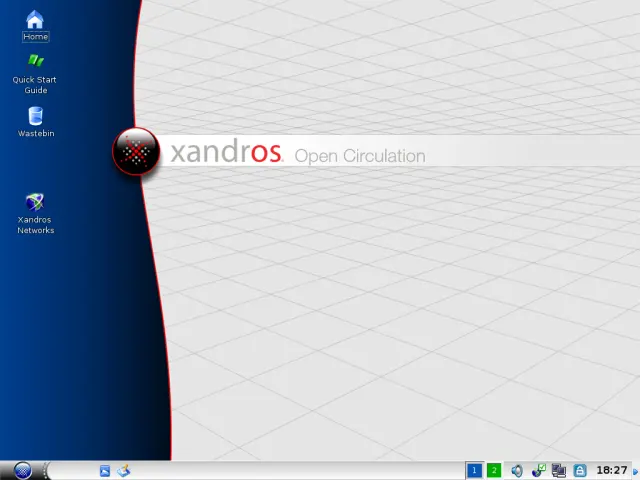 OPERATING SYSTEM
A classroom workstation can present GNU/Linux as a family of operating systems distributed in different configurations. The display can explain, within the available evidence, how distributions combine the Linux kernel with software, applications and sometimes a desktop environment; no specific version or date is assigned.
OPEN RECORD →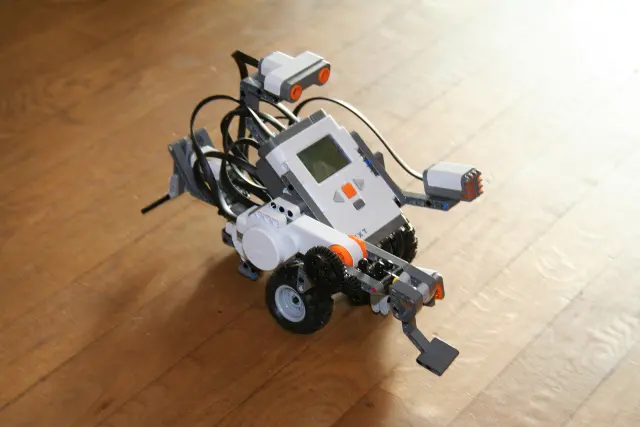 TOY
Exhibition of the Mindstorms line as an educational tool that joined constructive play with basic programming.
OPEN RECORD → ANIMATION
Archive piece that allows reading stop motion as technique, process and memory.
OPEN RECORD →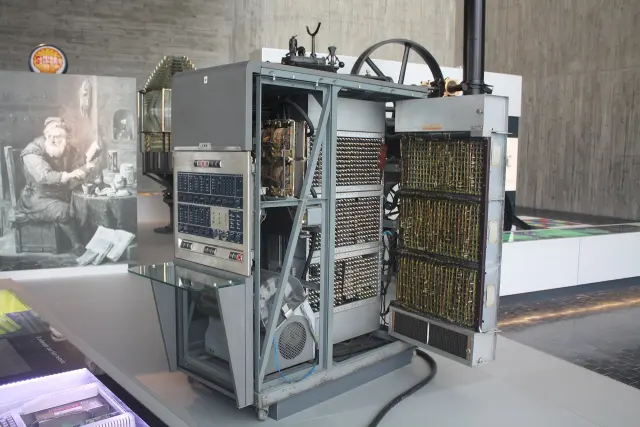 COMPUTER
The IBM 650, a punched-card computer that arrived in Spain in 1958, was used by Renfe to calculate routes for mining railways. It illustrates an administrative and technical application of early computing, beyond the image of the computer as a personal machine.
OPEN RECORD →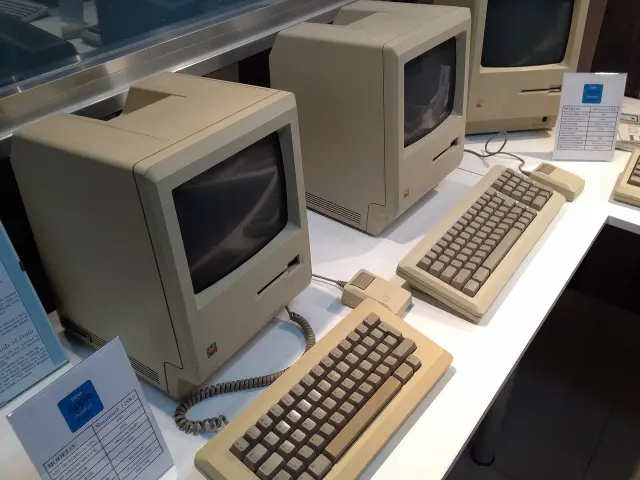 COMPUTER
The Macintosh 128K shows how integrating the screen, computer, mouse and graphical interface shaped a proposal for home use in 1984. It also helps explain the trade-offs between ease of use and practical constraints: limited memory, few initial applications and a compact architecture that was difficult to expand.
OPEN RECORD →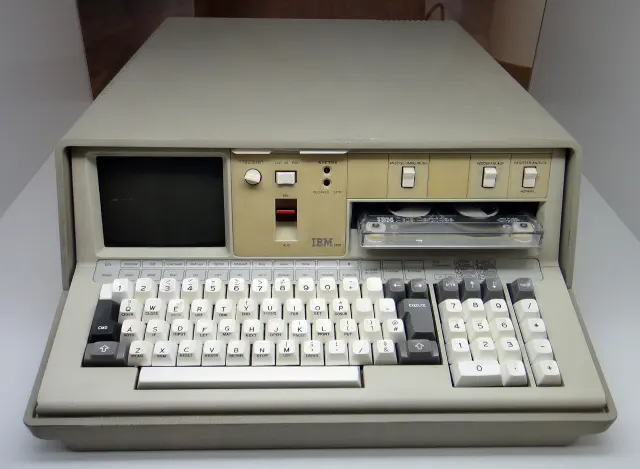 COMPUTER
The 1975 IBM 5100 shows how a computer could combine a keyboard, display and tape storage in one unit, without relying on a large computer installation. IBM aimed it at engineers and professionals; its weight and price, however, set it apart from a lightweight, affordable home computer.
OPEN RECORD →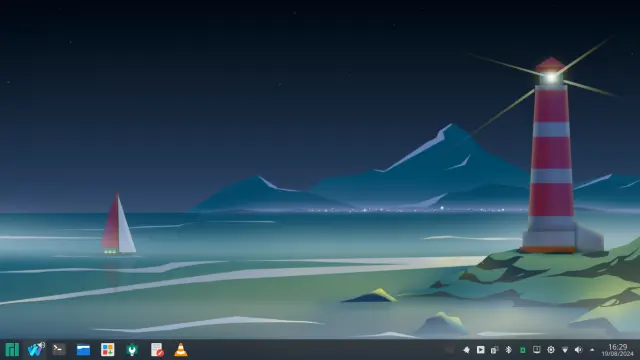 OPERATING SYSTEM
A computer-classroom station can present GNU/Linux as a composite operating system: the Linux kernel, begun in 1991, is combined with GNU tools and components from other projects. The exhibit can show how a distribution assembles these elements into a usable system and how collaborative development distinguishes this history from that of a program made by a single company.
OPEN RECORD →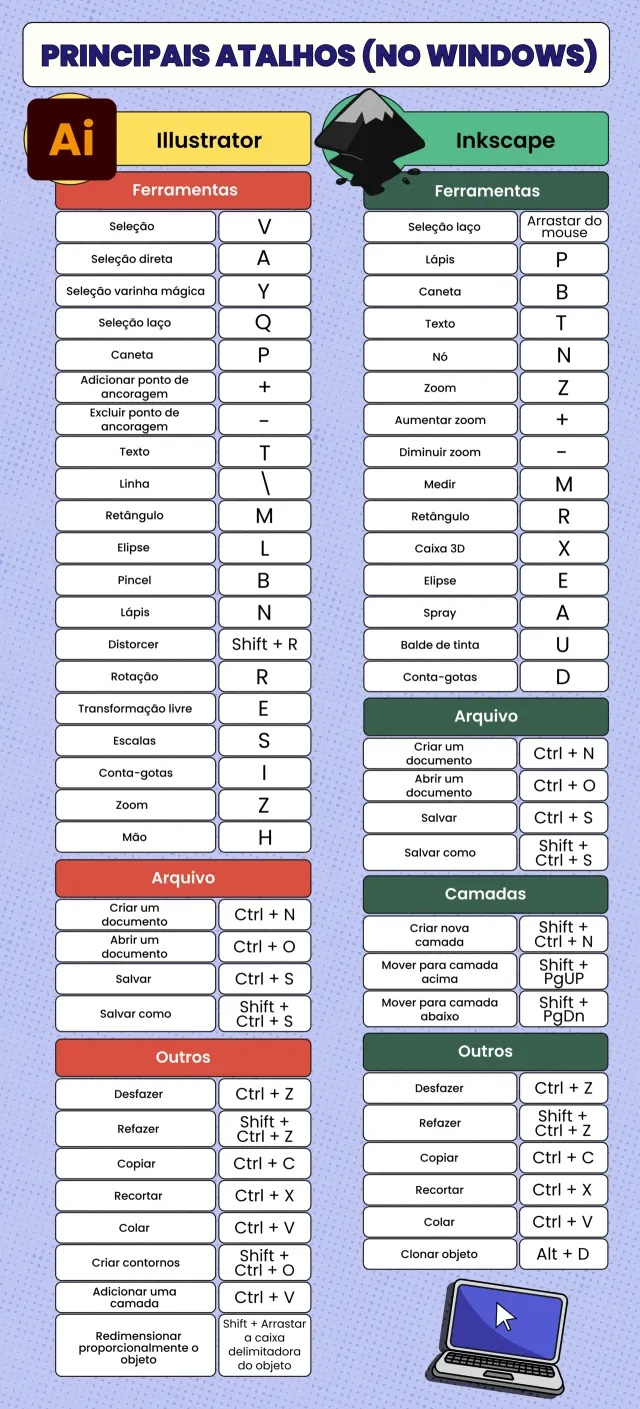 SOFTWARE
A station devoted to Adobe Illustrator can show how a program released for Macintosh in 1987 made Bézier curves and vector shapes practical tools for creating scalable illustrations and logos. Changes to its interface and features offer a way to explore the development of digital graphic design.
OPEN RECORD →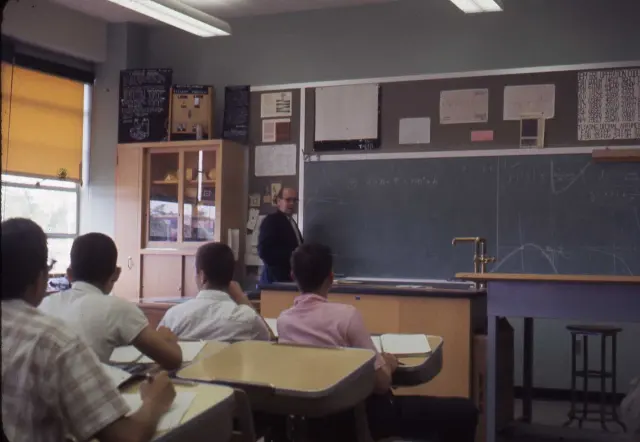 COMPUTER
The IBM 650 was a commercial drum-memory computer that could connect to tape units, disks, and a printing machine. In this room it represents both business data processing and the introduction of computers into university teaching during the 1950s.
OPEN RECORD →