Cinema is heritage in two connected senses: films are works of art and records of their time, and their images help shape collective memory. Yet a film is not a transparent window onto the past. To understand what it can tell us, we need to consider how it was made, what its staging selects, and the conditions under which it is preserved and shown.
Images need questions and context
A film can record places, objects, gestures and ways of life that other sources document only sparsely. That value does not make its images self-sufficient evidence. Fiction organizes what we see through its script, performances and cinematic conventions; non-fiction images are framed too, and require information about their origin and purpose. The camera shows something and leaves something else outside the frame.
Cinema is therefore most revealing when studied alongside other records and in response to specific questions. A film can help us examine both what it set out to represent and what its settings, objects or storytelling make visible, even if those details were not its primary purpose. A portrayal of family, for instance, can help us analyze a social ideal; it does not automatically describe how every family of an era lived.
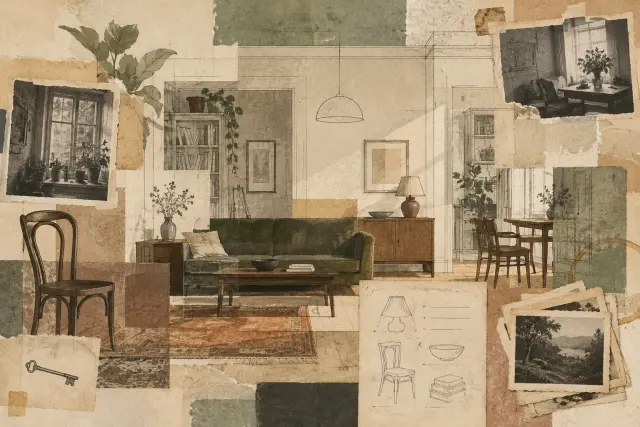
A comparison of Una familia de tantas (1948) and Nosotros los nobles (2013) offers a concrete example. A study of the two films considers how domestic space is woven into the narrative and helps construct representations of family in different periods of Mexican cinema. The home is more than a setting: its layout, objects and transformations guide our reading of relationships between characters. That interpretation concerns the films and their cultural forms; on its own, it is not a comprehensive portrait of Mexican society.
The experience of a film can change too
Context does not end with production. Watching a film in a cinema and encountering it later on video or another format does not guarantee an equivalent experience: viewing conditions change, and the available version may change as well. Studying shifts in reception requires testimony, distribution records or comparisons of versions and their contexts. A film’s circulation across different formats, by itself, does not prove audiences received it in the same way.
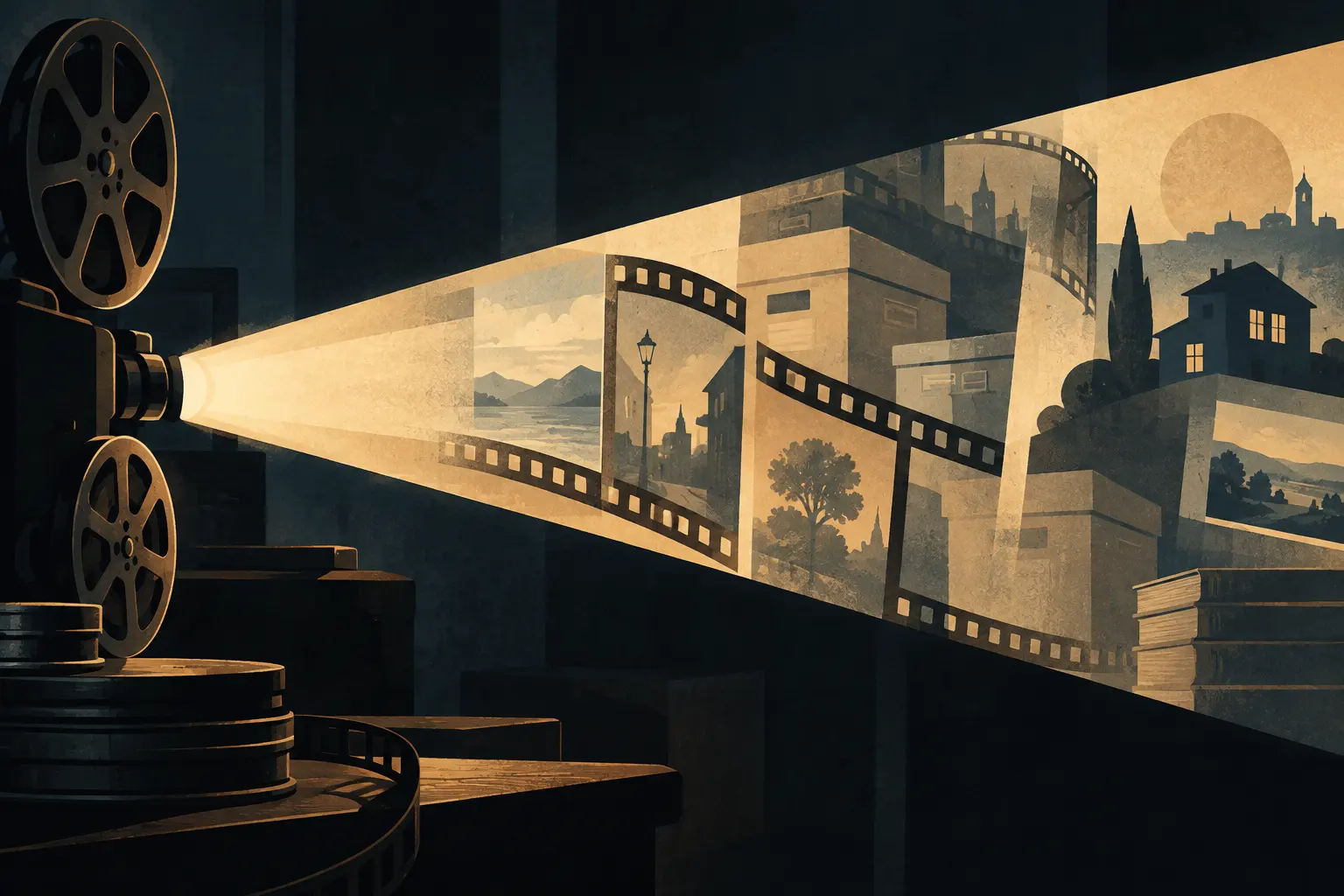
This matters to heritage work. For a long time, films were treated as commercial products with short lives, and some cinematic material was lost. Recognition of cinema as cultural heritage encouraged the development and work of archives and cinémathèques, along with preservation and restoration practices. Preservation is not neutral, however: decisions about which materials to keep, which version to present and what to alter affect both the experience of the work and the memory that remains accessible.
Restoring without erasing a material’s history
Restoration does not mean remaking a film to suit present-day preferences. Interventions should take account of the characteristics and history of the materials, and make clear the decisions that affect presentation. Documentation matters too: provenance, versions, production conditions and circumstances of circulation help keep images connected to the relationships that gave them meaning.
Restoration can recover works and make it possible to see them again, but their historical value does not lie solely in returning them to a particular appearance. It also matters to understand what is preserved and what is changed. In this sense, archival and restoration decisions become part of a film’s later history: they influence how it is presented, interpreted and remembered, and which aspects of its past remain accessible.
Shared heritage, not a single memory
Heritage recognition affirms the value of films and supports their transmission, but it also helps determine what is preserved and circulated. Archives, institutions and communities can bring different perspectives to the questions of what merits preservation and how it should be done. Preservation and access complement one another: protecting a work without enabling people to consult it limits its cultural presence; circulating it without regard for its materials and context can impoverish what is passed on.
Understanding cinema as heritage means keeping several questions open: what is preserved, in which version, with what information and for whom? Films allow us to study the artistic and social forms of their time, but they do not dictate a single interpretation. Preservation keeps open the possibility of seeing them again, comparing readings and better understanding both the images and the decisions that brought them to us.
- Decade
- 2000s
- Region
- Global
- Level
- Enthusiast
- Entities
- Una familia de tantas
Sources and references
- El estado del patrimonio cinematográfico en el Perúrevistas.unitru.edu.pe · 2026-11-09
- Cementerio General de San Salvador: de personajes y monumentos. Su origen, crecimiento y evolución con la ciudad y la sociedad. Reflexión y futuro del cementerio como patrimonio culturaldoi.org · 2026-11-09
- El cine como patrimonio cultural. Soporte de la patrimonializacióndoi.org · 2026-11-09
- La importancia de restaurar películas para ...cinerecobrado.cl · 2026-11-09
- Análisis de Una familia de tantas y Nosotros los nobleseditorialrestauro.org.mx · 2026-11-09