DATABASE / SEARCH

Explore

Archive of technology, entertainment and everyday life

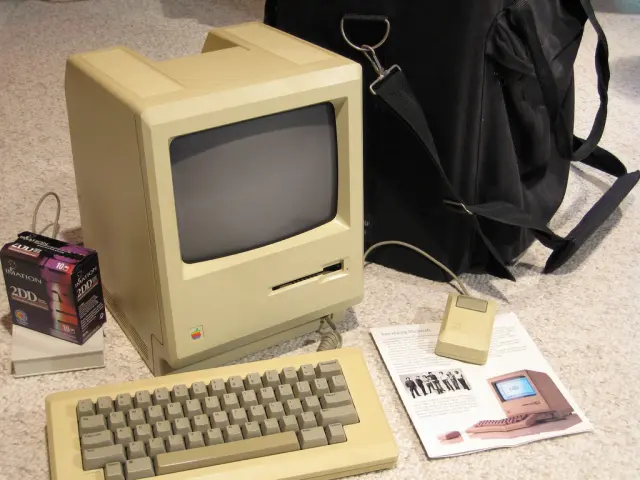
Analysis · 1980

Macintosh 128K: how the mouse made computing visual

The Macintosh 128K brought a graphical interface to the home and office desk with an integrated screen, a mouse and programs such as MacPaint and MacWrite. Its compact design also imposed limits: little memory, one floppy drive and workflows shaped by disk swaps and peripherals.

Open story
Analysis · 2000

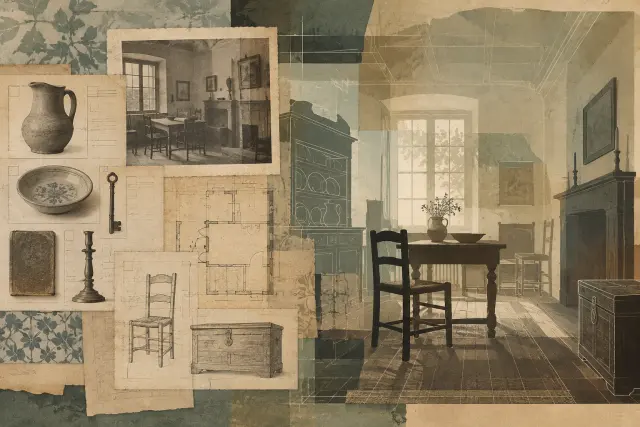
How to Reconstruct a Historic Home Through Its Objects

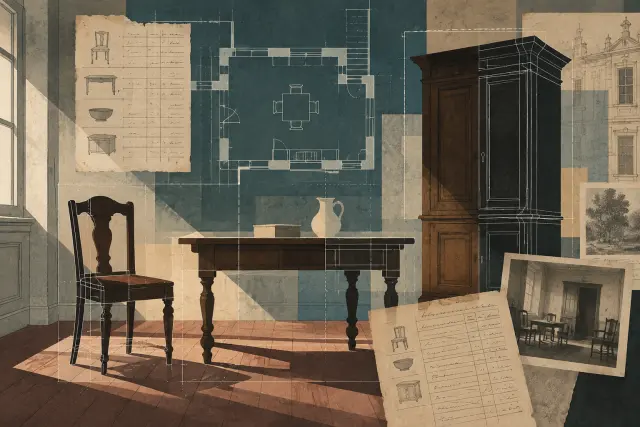
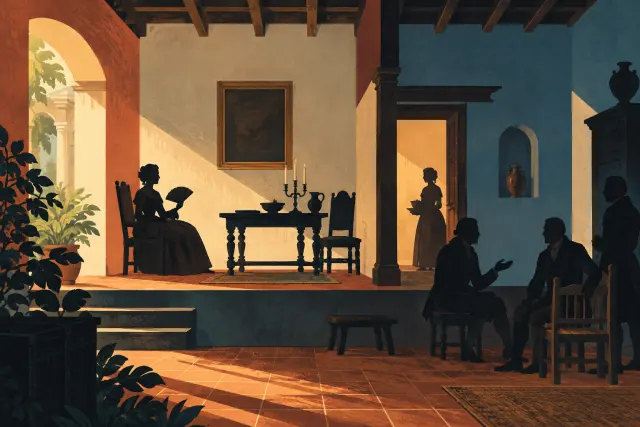
Furniture, photographs and inventories offer different clues to domestic life. Read alongside archival records and the history of a collection, they help researchers study an interior without mistaking a plausible interpretation for a complete reconstruction.

Open story
Analysis · 2000

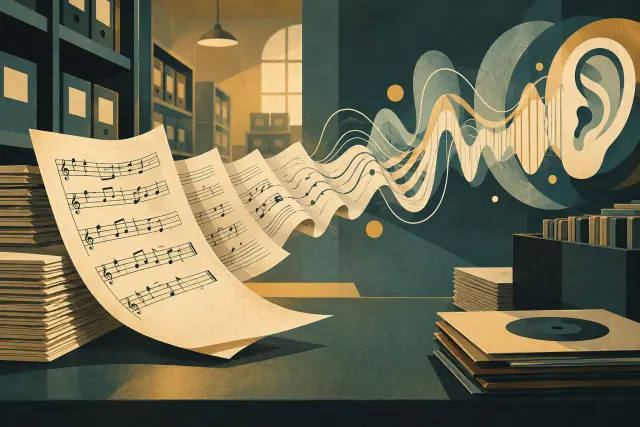
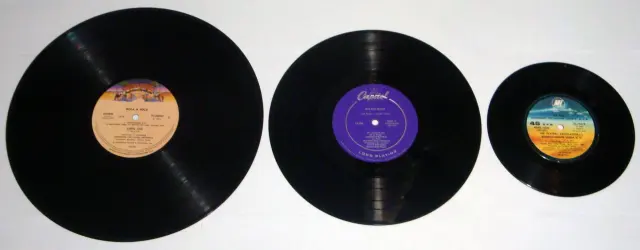
A Score Is Not the Music: Opening Sound Archives to the Public

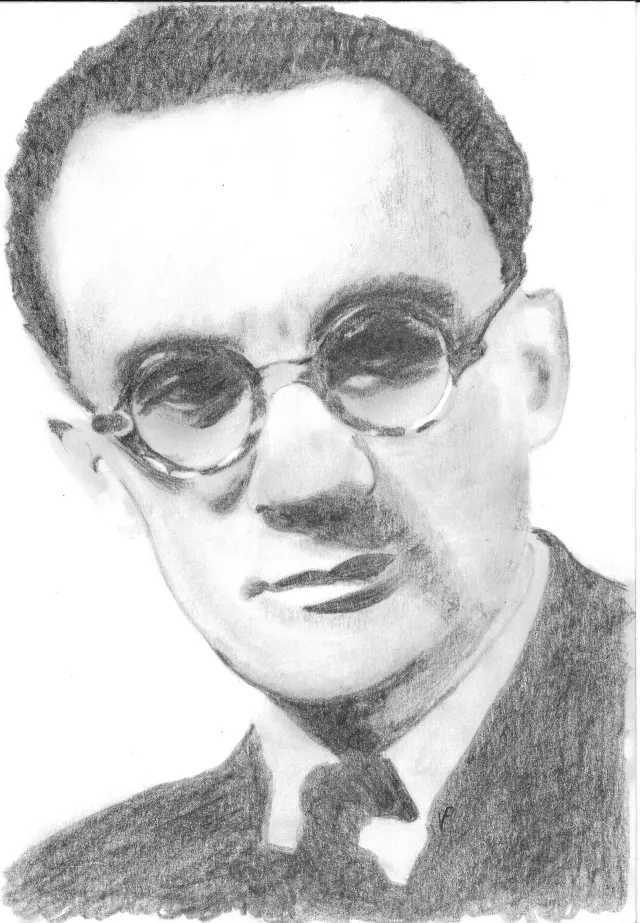
A score preserves notation, but music also depends on performance, listening and the contexts in which it was created. Research on Nikos Skalkottas and the Colombian composer Luis Antonio Escobar shows how archives can connect documents, histories and audience experiences without treating personal response as historical evidence.

Open story
Analysis · 2000

Production Committees: Who Funds an Anime, and Who Animates It?

The studio credited with animating an anime does not necessarily finance or control it on its own. Production committees bring companies together to share costs, risks, and expertise; their credits offer clues about those relationships, but do not fully disclose contracts or creative decisions.

Open story
Analysis · 2000

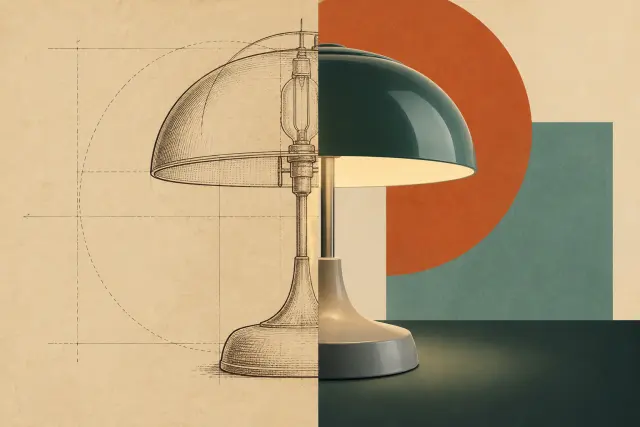
Reading a Historic Home Through Its Furniture and Archives

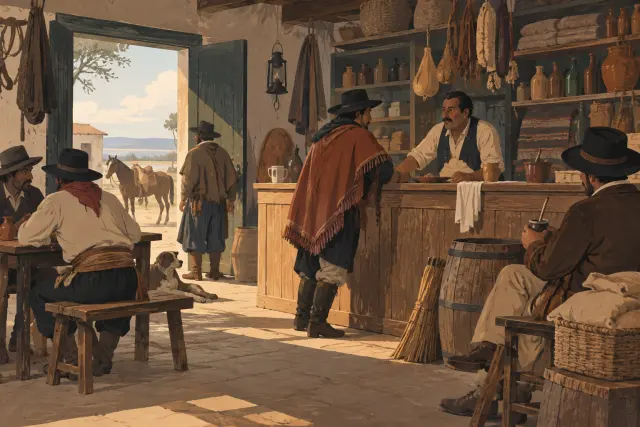
Furniture, photographs and inventories can help explain how a home was organized, but no object tells its whole story on its own. Collections at Madrid’s National Museum of Anthropology and Colombia’s National Museum show why sources must be read together—and why historical evidence should be distinguished from museum display.

Open story