History · 1970
Airgam Boys and Spanish toys in the 1970s
A cautious look at Airgam Boys as part of a decade in which articulated figures, plastic and mass consumption feature in available accounts of Spanish toys.
Open storyArchive of technology, entertainment and everyday life
A cautious look at Airgam Boys as part of a decade in which articulated figures, plastic and mass consumption feature in available accounts of Spanish toys.
Open storyArchives, historical studies and decade-by-decade retrospectives help reconstruct parts of Spanish television history, while also showing why it is important to distinguish surviving broadcasts from later accounts and documentary gaps.
Open storyStarting with Destroyer and more recent documentation projects, this article explores what can be reconstructed—and what remains difficult to verify—about arcade games made in Spain.
Open storyThe Televisión Española archive offers more than programmes to study: its media, equipment and documents show how television became technical and cultural memory, and why preservation requires context.
Open storyNostalgia helps explain the appeal of retro products, but the sources also point to present-day needs: standing out, reinterpreting objects and bringing familiar design languages back into circulation.
Open storyThe available sources describe the 1990s as a turning point for the industry: the range of games grew and new proposals became more popular. They also show how history, mechanics, materiality and debates over what makes a board game “modern” intersect.
Open storyPosters, print advertisements, packaging and digital pieces do more than convey messages: they also reveal their media, audiences and modes of communication. A guide to analysing them without mistaking interpretation for historical certainty.
Open storyConservation records also tell a museum’s story. Reports, photographs and Prado publications show how restoration work became a record that can be consulted, although the available sources are not enough to reconstruct individual treatments.
Open storyA computer preserved in a museum cannot be understood by appearance alone. Documentation of its provenance, condition, history and operation helps turn the object into a source of knowledge and clarifies what can—and cannot—be said about it.
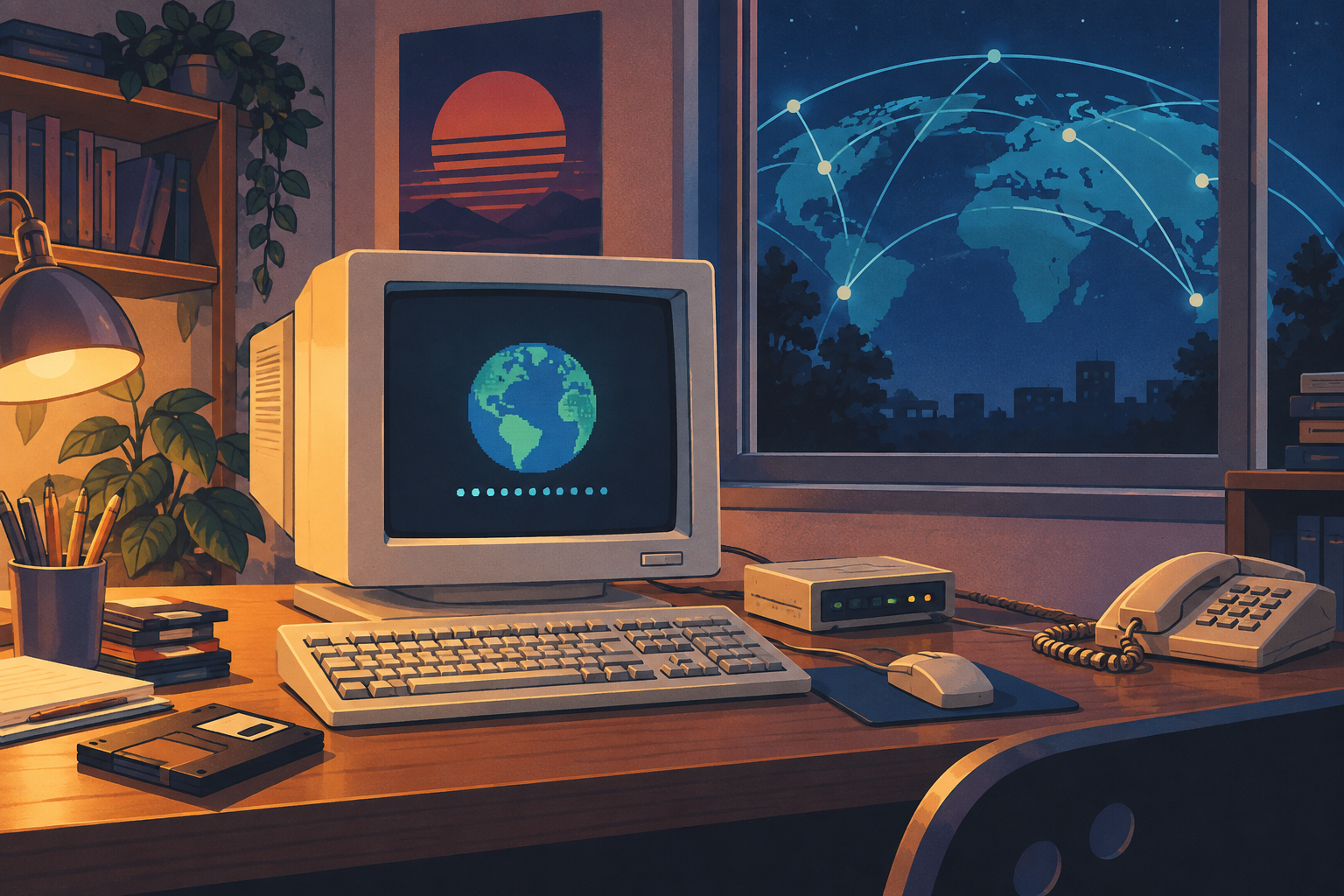
Open storyThe history of the internet is often told as a succession of milestones. The available sources also invite us to consider less visible services, forms of collaboration and the gaps left by any timeline.
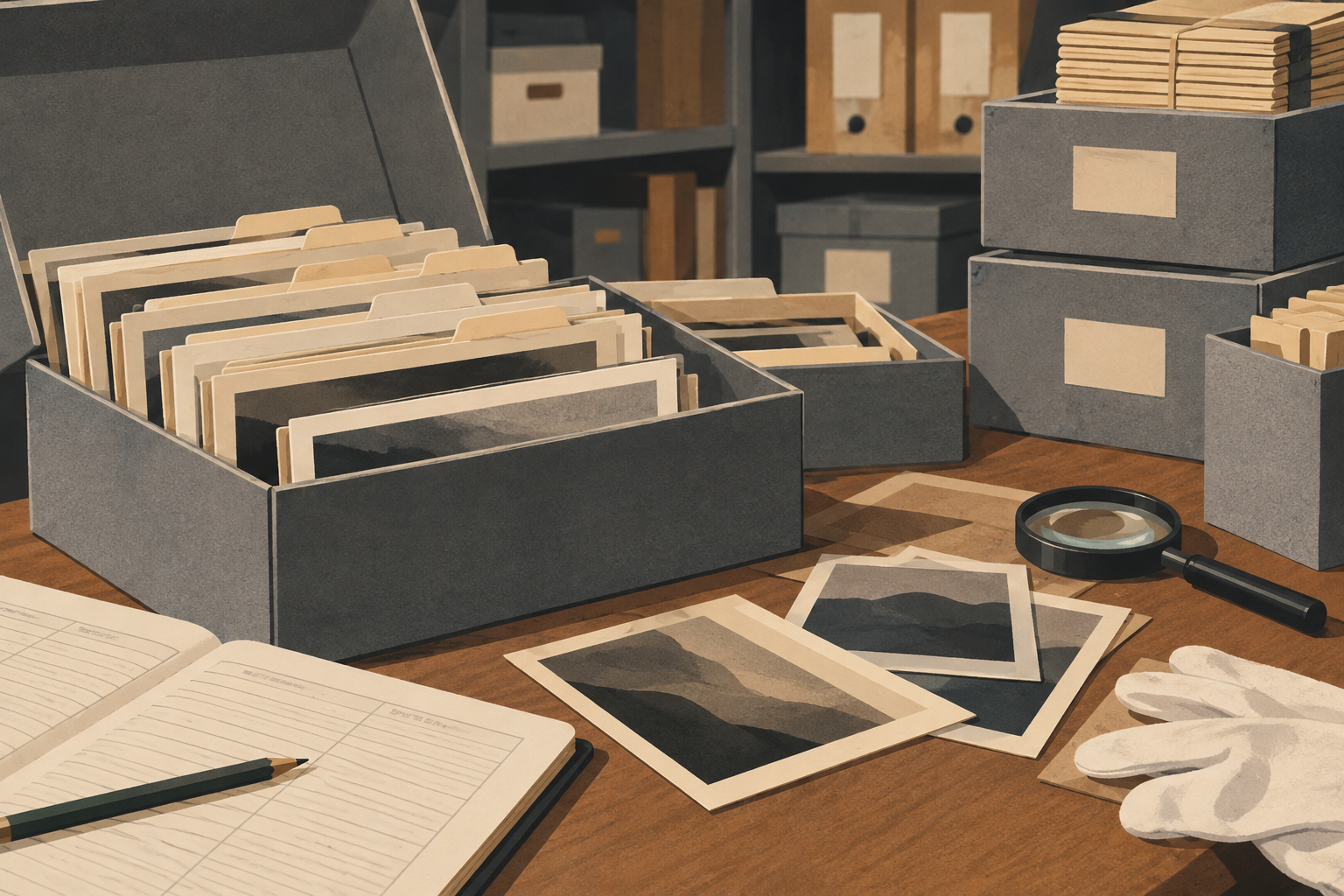
Open storyAn image can reveal details about what it depicts, but understanding it as a historical document also means investigating who produced it, for what purpose, and how it reached us. A guide to reading archival photographs without separating the image from its context.
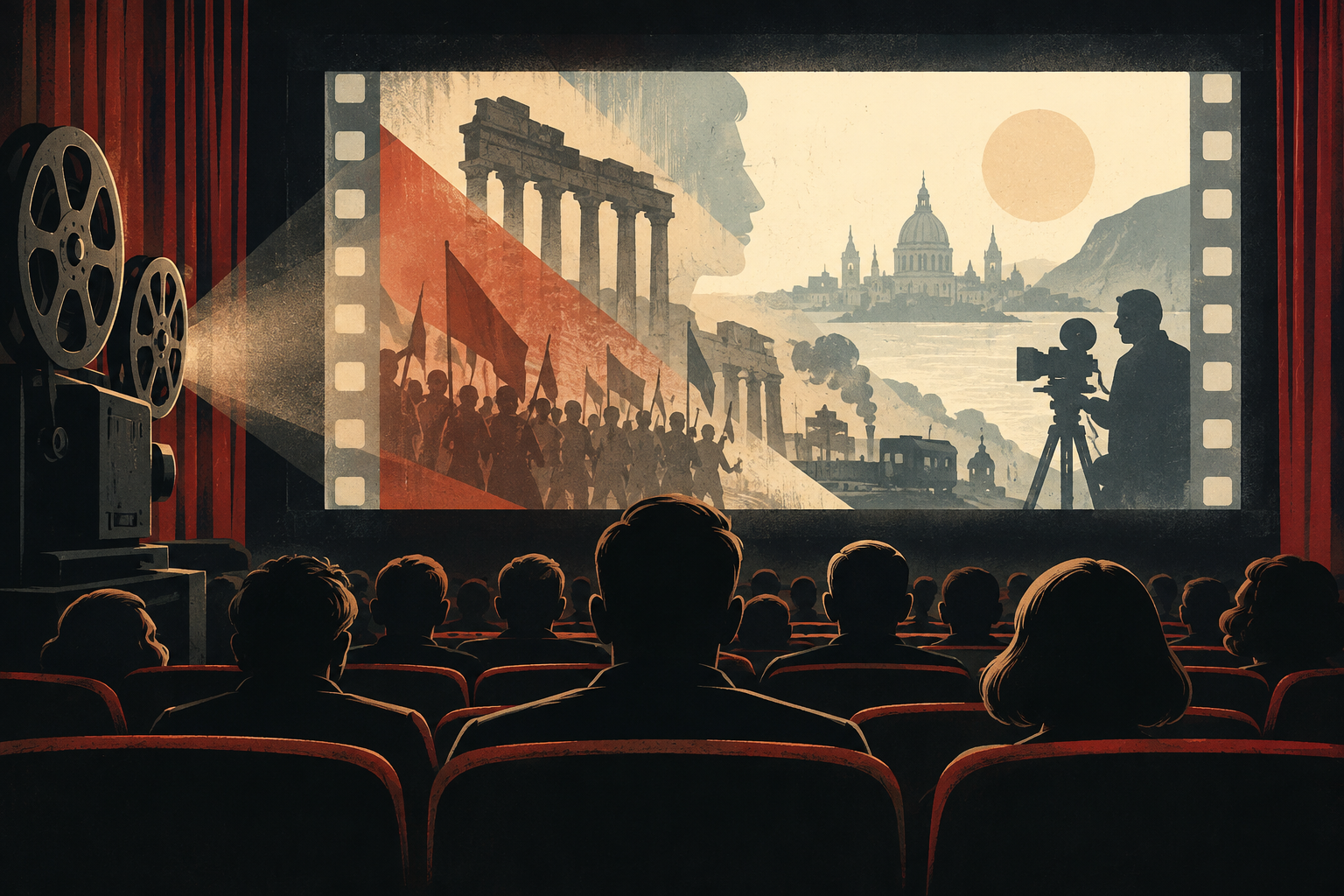
Open storyCinema can represent events, periods and memories, but its images need context. A careful reading distinguishes what a film depicts from what its choices allow us to study.
Open story