Evoking an era is not the same as rebuilding it
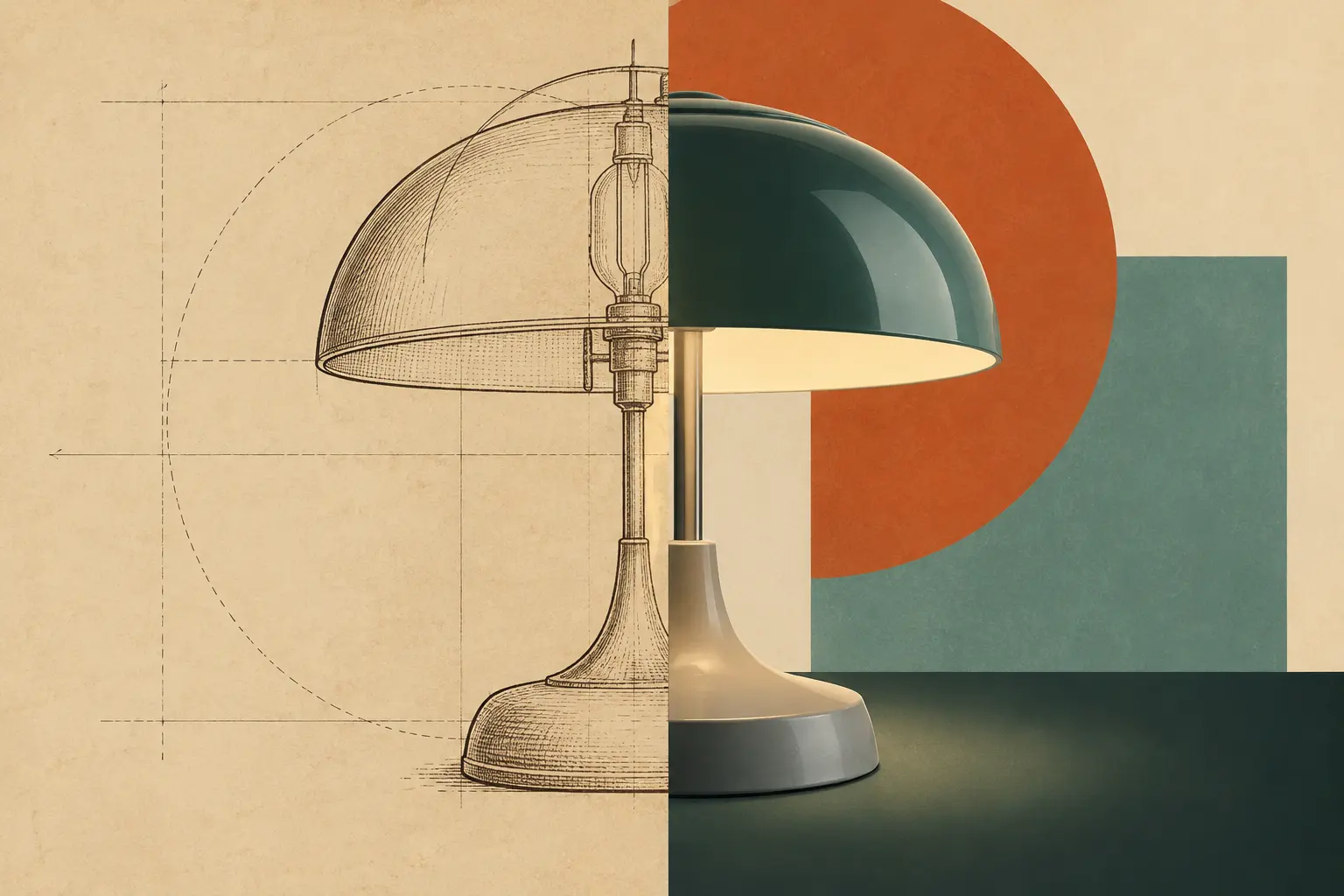
A contemporary retro product is not the historical object it refers to. It is a new creation that draws on selected features of the past and combines them with present-day needs, techniques, and expectations. It may retain a silhouette, colour palette, or way of presenting a brand while changing materials, technology, ergonomics, and use. The historical reference is a starting point, not necessarily a model to reproduce in every detail.
This distinction helps explain why visual resemblance alone cannot account for a retro design. A casing or decorative motif does not, by itself, reveal how the original object was made, who could access it, what its technical limitations were, or how it fitted into everyday life. A reinterpretation can make an era recognizable while changing its function and social context.
Retro design also depends on the experience of the person looking at it. Someone who knew the reference object may recall using it; someone else may encounter the same aesthetic through films, photographs, stories, or objects that were never part of their own life. Both involve recognition, but not necessarily personal memory.
Nostalgia is one motive, not the whole explanation
A study of potential buyers of retro products, published in 2013 in Contaduría y Administración, offers a concrete way to examine these differences. The authors surveyed 349 adults living in Valencia, with fieldwork conducted in May and June 2008. Using factor analysis, they grouped purchase motives into three dimensions: product characteristics, present-day feelings of differentiation, and feelings associated with the past.
The first dimension brought together assessments such as quality, authenticity, security, genuineness, and recognition. The second concerned personal identity, the wish to feel different or unique, and the possibility of escaping the present. The third captured nostalgia and the desire to relive memories. The research also identified two consumer segments: one more oriented toward the feelings products generated, and another that chiefly valued their characteristics.
The study cannot describe every present-day buyer: it concerns a local sample and fieldwork from 2008. Within that scope, however, it helps move beyond nostalgia as the sole explanation. Buying a retro product does not necessarily mean wanting to return to an earlier era. Familiarity, perceived quality, authenticity, differentiation, and identity can matter alongside memories, and people do not give these motives equal weight.
What reinterpretation preserves and changes
Analysing a retro design means distinguishing inherited elements from new decisions. A recognizable shape may remain because it is still comfortable or useful; it may also communicate continuity or authenticity. A visual code—such as a typeface, colour combination, or graphic arrangement—can be carried into a contemporary object without restoring the original purpose or the technology of its time.
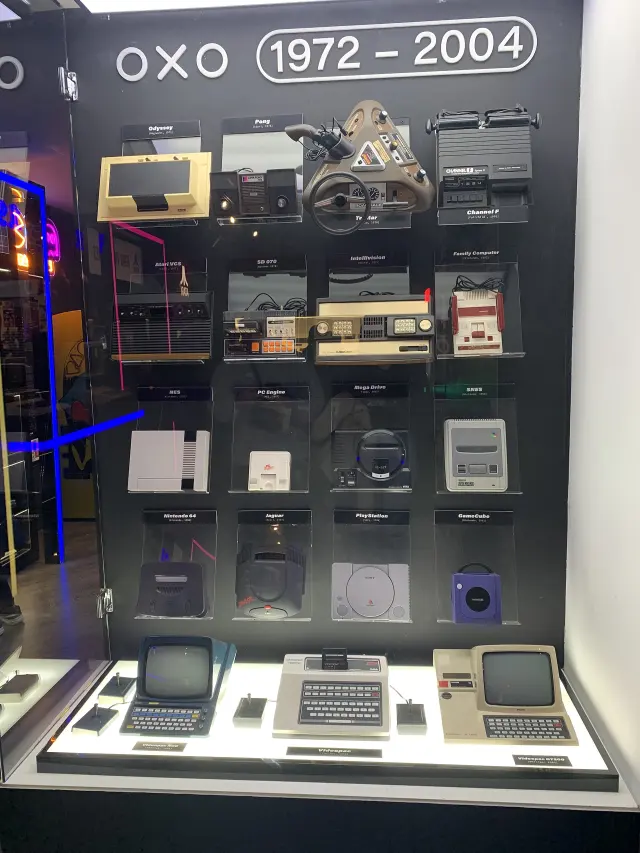
The same logic appears across media. A home version of Pong, for instance, brought to the television a gaming experience that had become popular in arcades. Nintendo entered the home-console market with the Color TV-Game 6, which offered variations on the game, followed by the Color TV-Game 15. These examples show how a recognizable reference can become a new proposition through changes in format, medium, and setting.
Editorial design offers another example of visual identity combining consistency and difference. For Vintage Contemporaries, a paperback series launched by Random House in 1984, designer Lorraine Louie established a shared graphic structure while different artists created images for individual titles. The series’ coherence did not require identical covers: a common system provided unity, while the illustrations interpreted each book separately.
In each case, the past is not preserved as an immovable artefact. Elements are selected, translated into another medium, and arranged for a new audience. Continuity may lie in a way of playing, a visual language, or a cultural association; transformation lies in the medium, function, and conditions of consumption.
How to read a retro design
When looking at a retro design, ask what it keeps and what it replaces. Is a shape revived because it meets a present-day need, or because it communicates an idea of authenticity? Is contemporary technology visible, integrated, or concealed behind an old-fashioned appearance? Does the reference make sense on its own, or does it depend on the audience knowing its history?
It also matters that every reinterpretation organizes the past from the standpoint of the present. It can emphasize some features and leave others out; it can make an object familiar to those who remember it or present it as a new aesthetic to those who do not. Nostalgia may be part of the process, but it coexists with functional, commercial, aesthetic, and identity-based motives.
Contemporary retro is therefore better understood as a dialogue between eras than as a copy. Its design points to an inheritance while also showing that the object belongs to another moment: the one in which people make, use, and interpret it now.
- Decade
- Contemporary
- Region
- Global
- Level
- Introduction
- Entities
- Nintendo, Pong, Color TV-Game 15
Sources and references
- Modelo multidimensional de los factores que afectan la interacción entre marketing y ventas en el lanzamiento de nuevos productos en Latino Américadoi.org · 2026-10-31
- Estudio de los factores de compra de productos retro y ...www.scielo.org.mx · 2026-10-31
- CONTEMPORÁNEOS VINTAGE - Talking Coverstranslate.google.com · 2026-10-31
- Nintendoes.wikipedia.org · 2026-10-31
- Ponges.wikipedia.org · 2026-10-31
- 32Xes.wikipedia.org · 2026-10-31