DATABASE / SEARCH

Explore

Archive of technology, entertainment and everyday life

analysis · contemporary

The Past as an Interface: Why Retro Products Return

Contemporary retro design is not just about copying old forms. The sources describe products that revive recognisable references while seeking to serve present-day uses, with demand linked to both nostalgia and a desire for distinction.

Open story
analysis · contemporary

Virtual OS Museum: Preserving Operating Systems So They Can Be Used

Andrew Warkentin’s project brings together more than 1,700 installations of over 600 operating systems for more than 250 platforms in a museum that runs on current computers. Its importance lies in turning software archiving into a usable experience, although the available evidence leaves questions about provenance, licensing, and specific coverage unanswered.

Open story
analysis · contemporary

Digitisation Is Not Enough: The Context a Museum Must Preserve

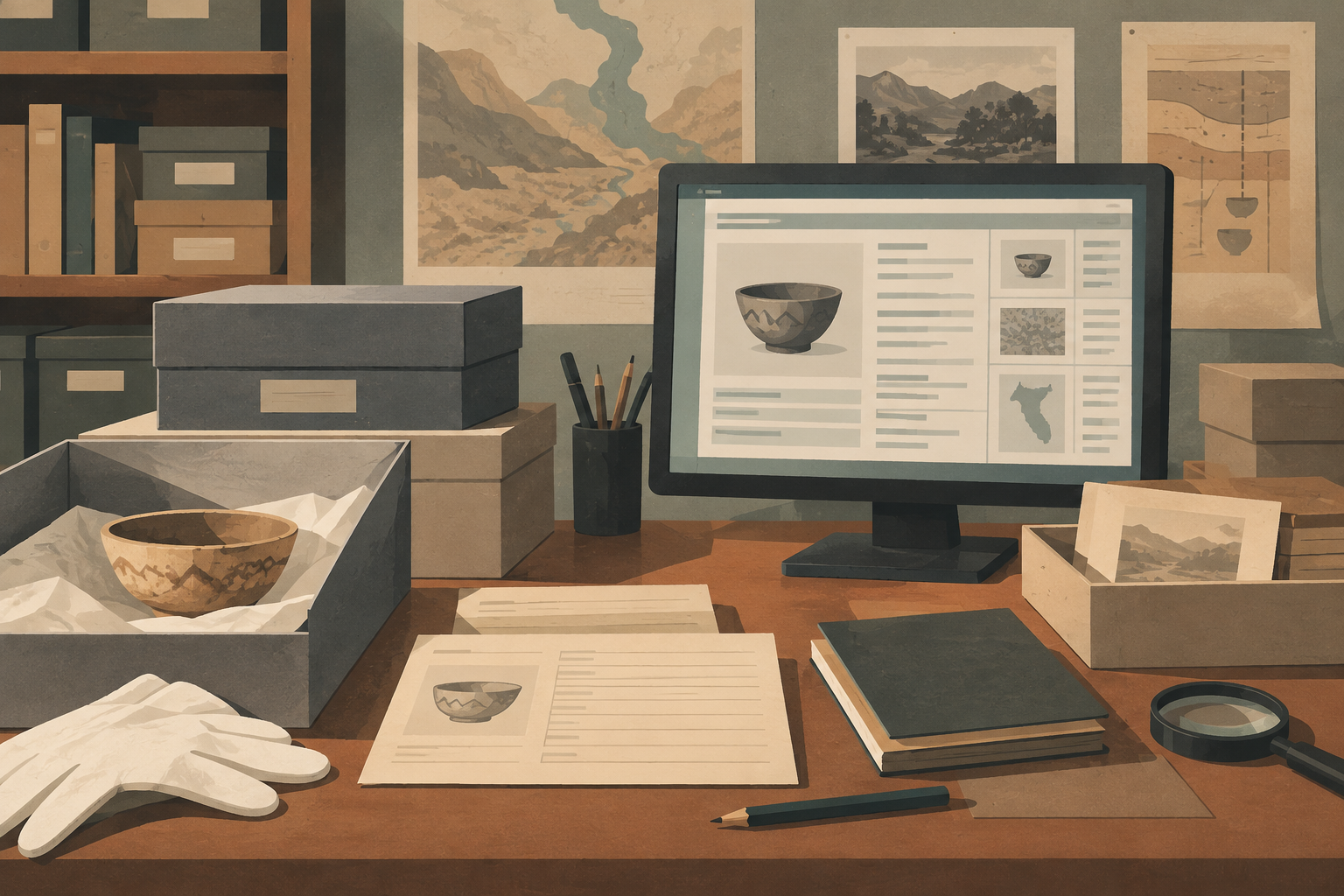
A digital copy can broaden access to a collection, but it cannot by itself replace the documentation explaining what an object is, where it came from, and how it reached a museum. This editorial guide examines the value of metadata, archives, and digital narratives in preserving technology and material culture without losing meaning.

Open story
analysis · contemporary

When Preserving Software Means Being Able to Run It

WinWorld and Virtual OS Museum illustrate two models of digital preservation: collecting historic programs and making old operating systems explorable on current machines. Their value is not limited to downloading; it lies in recovering contexts of use that version lists alone cannot explain.

Open story
analysis · contemporary

Contemporary Retro: When the Past Becomes a Strategy for the Present

The return of products, visual languages and references from earlier decades is not a simple reproduction of the past. Drawing on academic and journalistic sources, this analysis examines contemporary retro as an operation in design, consumption and identity, while identifying what the available evidence does not allow us to conclude.

Open story