Atari is a US video game company founded in 1972, known for launching Pong, the first commercially successful video game. This title, created by Nolan Bushnell, laid the foundations of the home and arcade industry. The popularity of Pong led to a patent infringement demand by Magnavox Odyssey, marking a legal and commercial milestone. Atari continued to innovate with sequels and home versions, influencing the design of later consoles. Its history is fundamental to understanding the transition of electronic games from a niche to a mass phenomenon, serving as a key reference in studies on retro culture and the evolution of entertainment technology.
Selected excerpts from our archive offer more context on this subject. Each reading links to the original article and its sources.
How the IBM PC 5150 Made Compatibility the Basis of an Ecosystem
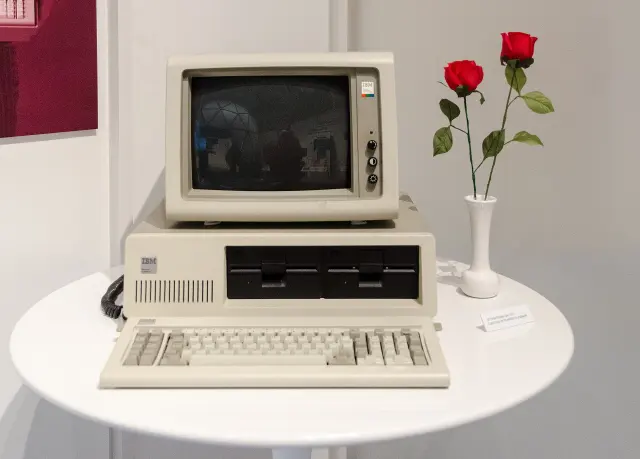
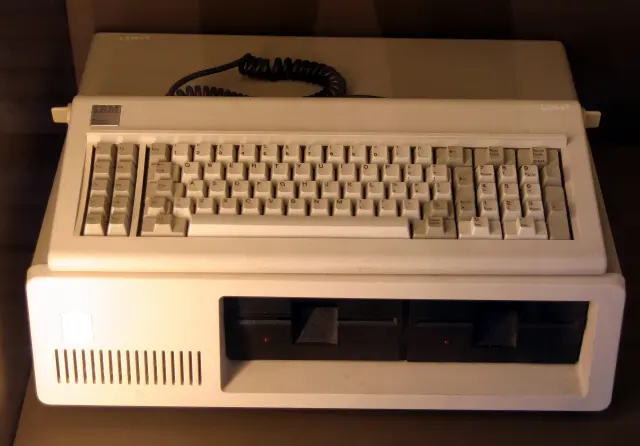
That qualification does not lessen its relevance. It makes that relevance clearer. According to Xataka, IBM launched the 5150 in response to the momentum that computers from smaller companies—including Commodore, Atari, Apple and Tandy—were giving the sector. The machine’s historical interest does not rest on assigning it absolute priority, but on seeing how a very large company entered a moving market and how its proposal became a later point of reference.
IBM PC 5150: How an Open Design Accelerated the Compatible-PC Era
The context was already lively. The Universitat Politècnica de València’s Museum of Computing describes the 1970s as the period in which the personal-computer market emerged, grew and consolidated, placing 1977 at the beginning of a phase associated with Apple, Commodore and Tandy. Xataka likewise notes that IBM was responding to personal computers boosting companies such as Commodore, Atari, Apple and Tandy. The 5150’s historical interest, then, is not that it created personal computing from nothing, but that it changed the conditions of an existing market.
KEY FACTS
- Type
- Company
- Year
- 1972
- Country or region
- United States
References
- Ponges.wikipedia.org