Digital preservation poses a challenge broader than merely storing information: maintaining its integrity, authenticity, reliability, readability, and context. In the realm of contemporary retro, this definition acquires a critical dimension. It is not just about an old program or a physical device continuing to exist on a server or in a display case, but about its meaning remaining accessible to current generations. Evidence suggests that preservation is not a static state, but a divergent practice involving restoration, documentation, archiving, and sometimes the deliberate disposal of what is no longer sustainable.
The Complexity of Digital Integrity
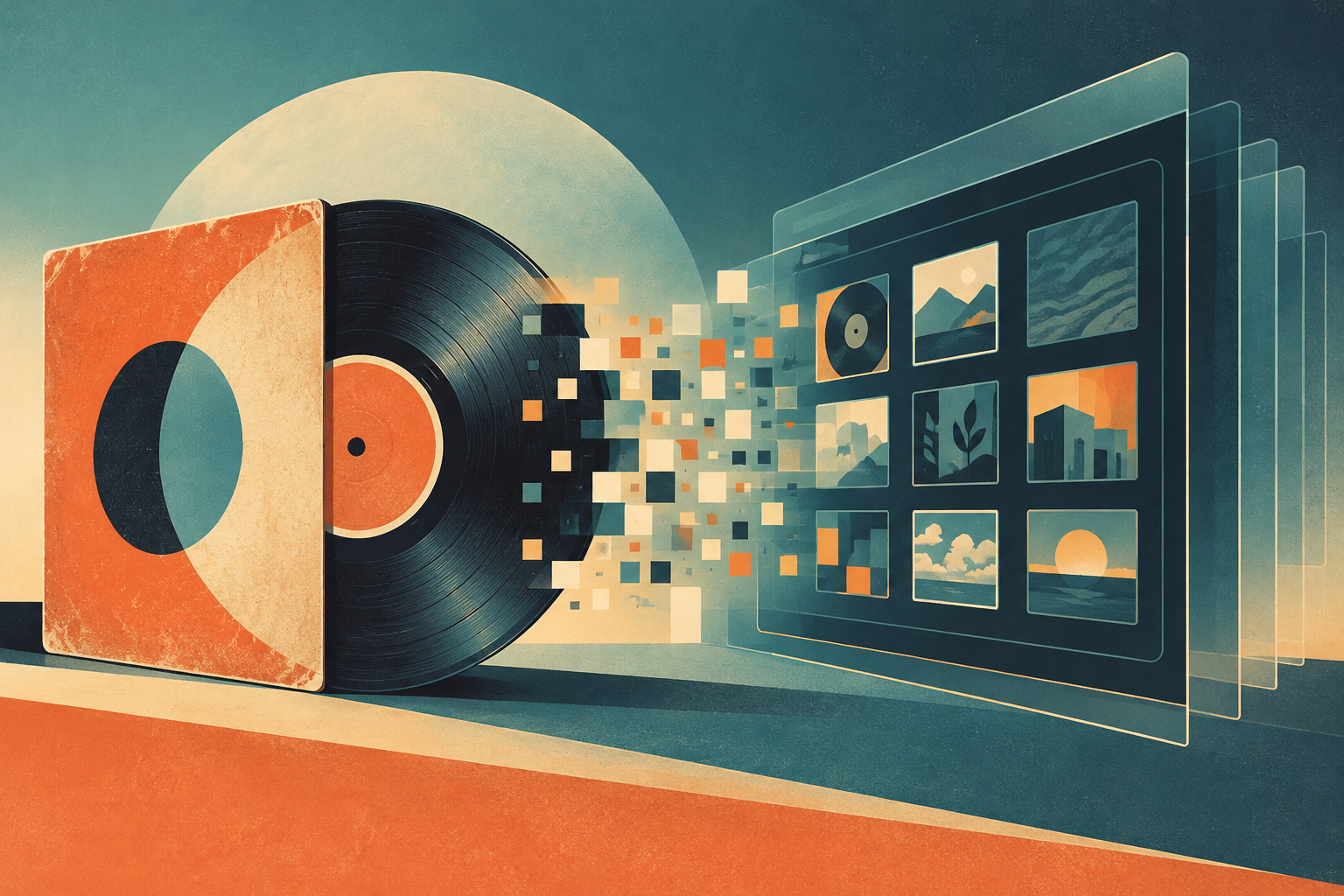
When we talk about preserving a retro object, we often think of backups. However, studies on digital preservation indicate that readability is a factor that degrades over time. A file saved in an obsolete format may be technically intact but useless if the software to read it does not exist. This forces conservators to adopt emulation or migration strategies, processes that, paradoxically, alter the original object. Contemporary reinterpretation is born here: by adapting the past to present technologies, the user experience is transformed.
Documentation as Vital Context
A device is also reconstructed from its documents. Manuals, technical specifications, and manufacturing records provide a layer of meaning that the physical object alone cannot convey. In contemporary museology, it has been observed that archives and digital records can provide context, although primary sources are sometimes fragmentary. This documentation is not an ornament, but the skeleton on which the historical narrative is built. Without it, the retro object becomes a relic without history, an aesthetic object deprived of its original function.
Divergent Practices in Art and Technology
The preservation of media art shows that there is no single correct way to conserve. Divergent practices range from physical restoration to digital recreation. In the case of works based on digital technologies, the review of preservation strategies through the relationship with context is fundamental. This implies that what is preserved is not just the code or the hardware, but the interaction between both. Contemporary reinterpretation accepts that the retro object is a system, not an isolated piece.
The Role of Institutions and the Archive
Cultural institutions, such as museums, play a leading role in shaping memory. Preservation, as material testimonies of past processes, is destined to have a leading role in the path towards the formation of a collective identity. However, the archive is not neutral. The selection of what is preserved and what is discarded is an editorial decision. In the context of retro, this means that not all objects have the same preservation value. Valuable documentation through the centuries shows that the enormous challenges of preserving historical heritage require active curation.
Costs and Sustainability of Preservation
The calculation of the costs of digital preservation is an analysis of models that reveals the unfeasibility of preserving everything. It is not possible nor desirable to conserve every bit of digital history. Selective preservation is an economic and technical necessity. This forces prioritizing those objects that have a significant cultural or historical impact. Therefore, contemporary reinterpretation must be aware of its limits. One cannot preserve what cannot be sustained, and documentation must reflect this reality.
Reinterpretation as a Temporal Bridge
Contemporary reinterpretation does not erase the differences between past and present, but allows valuing the connections. By studying preservation, it is observed that historical categories preserve the context of the references. This means that when preserving a retro object, one is also preserving the way it was understood in its time. Documentation of this process is crucial so that future generations can understand not only the object, but the mentality that created it.
Limits of the Verifiable
It is important to differentiate between documented facts and interpretations. Preservation can maintain the technical integrity of an archive, but it cannot guarantee the authenticity of the original experience. The reliability of documentation depends on the quality of the sources. In many cases, primary sources are lost or incomplete. Contemporary reinterpretation must be transparent about these limits, indicating what has been verified and what has been inferred.
Conclusion
The contemporary preservation of retro objects is an act of continuous reinterpretation. It is not about freezing the past, but keeping it alive through documentation and technological adaptation. This process requires collaboration between conservators, historians, and technologists. Only in this way can it be ensured that the retro legacy is not lost in digital oblivion, but continues to be a source of inspiration and knowledge for future generations.
- Decade
- Contemporary
- Region
- Global
- Level
- Enthusiast
- Entities
- No linked entities
Sources and references
- (PDF) Memorias Simposio Internacional de Patrimonio ...www.academia.edu · 2026-10-13
- Un programa antiguo no se conserva solo con el archivo ...www.retropause.com · 2026-10-13
- Conservación de Arte Contemporáneorecursos.museoreinasofia.es · 2026-10-13
- Un aparato también se reconstruye desde sus documentoswww.retropause.com · 2026-10-13
- Prácticas divergentes de preservación del arte de los medioswww.jstor.org · 2026-10-13
- Las obras incautadas durante la Guerra Civil y la Posguerra ...content3.cdnprado.net · 2026-10-13
- los usos de los archivos en el arte contemporáneo. ...riull.ull.es · 2026-10-13
- Casas museo: museología y gestiónevemuseografia.com · 2026-10-13