A decade without a single uniform
The fashion of the 2000s is often recalled through a handful of images: low-rise jeans, miniskirts, cropped tops, fitted clothes and accessories associated with celebrities. These are recognisable references, but they do not by themselves describe how everyone dressed. The decade was shaped by styles existing side by side, influenced by age, context, gender, music and access to consumption.
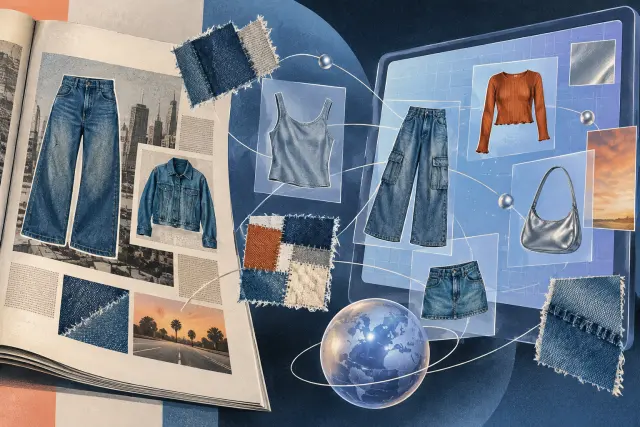
Denim offers a useful thread. The Fashion Institute of Technology (FIT) timeline notes the continued presence of jeans and traces changes in cut: low-rise flares were common early on; bootcut styles gained ground in the middle of the decade, and skinny jeans spread later. It also records distressed denim and its acceptance on occasions once associated with more formal dress. These are observed trends, not a universal account of what people wore.
Styles that coexisted
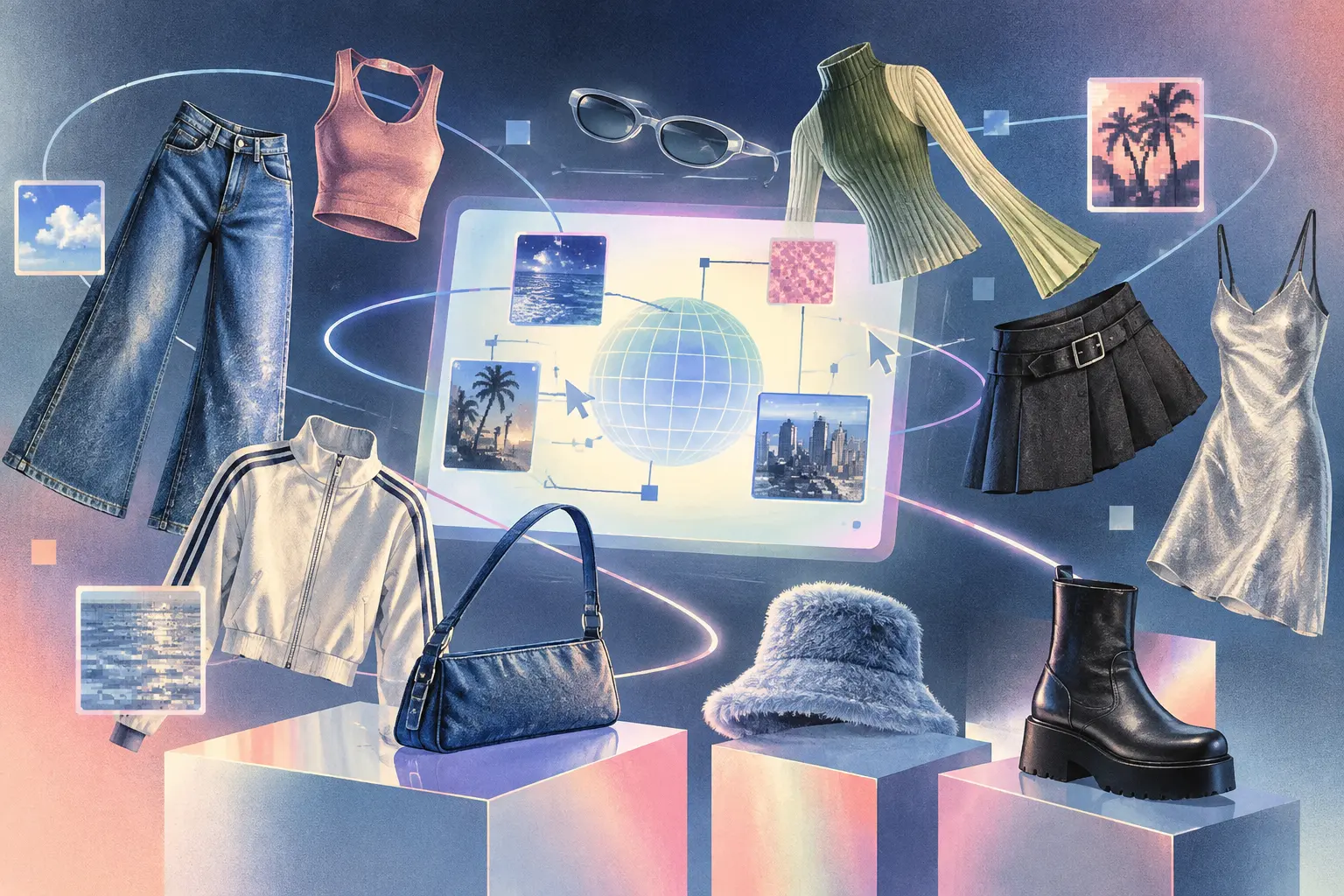
So-called boho style combined vintage-inspired and second-hand clothes with boutique and designer pieces. The mix expressed a tension of the period: the appearance of old or found clothing could be incorporated into high-priced commercial circuits. In another register, celebrity photography gave miniskirts, Ugg boots and cropped tops high visibility. Press coverage and red-carpet images helped turn these combinations into recognisable references, although media exposure does not show that they were everyday norms.
Menswear also had no single silhouette. Sportswear and casual dress coexisted with slimmer cuts, independent-pop influences and styles associated with hip-hop. The FIT timeline links the narrow line popularised by Hedi Slimane at Dior Homme with bands such as The Strokes and The Libertines, and describes how some of those codes later reached high-street stores. The connection between music and clothing helps trace the circulation of styles, provided a particular scene is not mistaken for the experience of an entire generation.
From image to purchase
Fashion magazines and celebrities continued to influence clothing choices, but the internet accelerated the circulation of images and references. The FIT timeline links the growth of online sales to the expansion of retailers’ transactional websites and new ways of shopping digitally. Runway trends also reached more affordable versions quickly, while some chains collaborated with high-fashion designers. Karl Lagerfeld’s collaboration with H&M in 2004 exemplifies this intersection of designer, mass retail and the desire for access.
Editorial imagery, however, is not a transparent record of everyday life. A celebrity photograph documents an outfit worn by one person on one occasion; a magazine selects which images to publish and which garments to highlight. Magazines, street photographs and preserved garments are different kinds of evidence. Comparing them makes it possible to consider both commercial presentation and visible uses without treating any one source as a measure of what everyone wore.
Clothing as object and evidence
Looking at the period through garments shifts attention to material details: the cut of a pair of trousers, its fabric, signs of wear or the way layers are combined. Labels, fashion plates and magazine pages, in turn, document how clothes were designed and proposed. The Museo del Traje catalogue on Spanish clothing from 1940 to 1970 shows the value of studying preserved garments alongside documents and images to reconstruct uses and contexts. For the 2000s, the FIT timeline and the journalism it cites help track trends and their circulation; objects and photographs make it possible to ask who wore each garment and in what circumstances.
The result is not a single silhouette that sums up the decade, but a system of shared references and varied appropriations. Denim, casual clothing, music styles, celebrities, online retail and designer collaborations intersected in a period when images began travelling faster. Understanding that mixture means distinguishing what runways and advertising proposed from what photographs of use show and what can be observed in preserved garments.
- Decade
- 2000s
- Region
- Global
- Level
- Enthusiast
- Entities
- Museo del Traje, Internet, Karl Lagerfeld
Sources and references
- 2000-2009 | Cronología de la historia de la modatranslate.google.com · 2026-11-07
- Historia de la moda - Wikipedia, la enciclopedia librees.wikipedia.org · 2026-11-07
- Biblioteca — Historia de la Modahistoriadelamoda.net · 2026-11-07
- ÁREA 09 - Museo del Trajemuseodeltrajevirtual.com · 2026-11-07
- Historia de Barcelonaes.wikipedia.org · 2026-11-07