Analysis · 1980
Television is preserved beyond the screen
The RTVE Archive and the Museo RTVE project show why preserving television means caring for recordings, documents, equipment and the context that gives them meaning.
Open storyArchive of technology, entertainment and everyday life
The RTVE Archive and the Museo RTVE project show why preserving television means caring for recordings, documents, equipment and the context that gives them meaning.
Open storyCommercial nostalgia rarely means bringing an object back exactly as it was. The available sources point to a more contemporary process: recovering familiar forms and references and connecting them to present-day needs, functions and desires.
Open storyIn 1970, Panini published its first international album devoted to the football World Cup, according to one of the sources consulted. The milestone matters both for what it establishes and for what remains open: a history of printed images, recollection and exchange that the available documentation cannot fully reconstruct.
Open storyThe history of everyday life shifts attention from major events to routines, homes, work and leisure. The available sources show both the reach of this approach and the limits of what can be claimed.
Open storyThe history of restoration at the Museo del Prado can be read not only in the works that were treated, but also in reports, records and publications that trace how the work was documented.
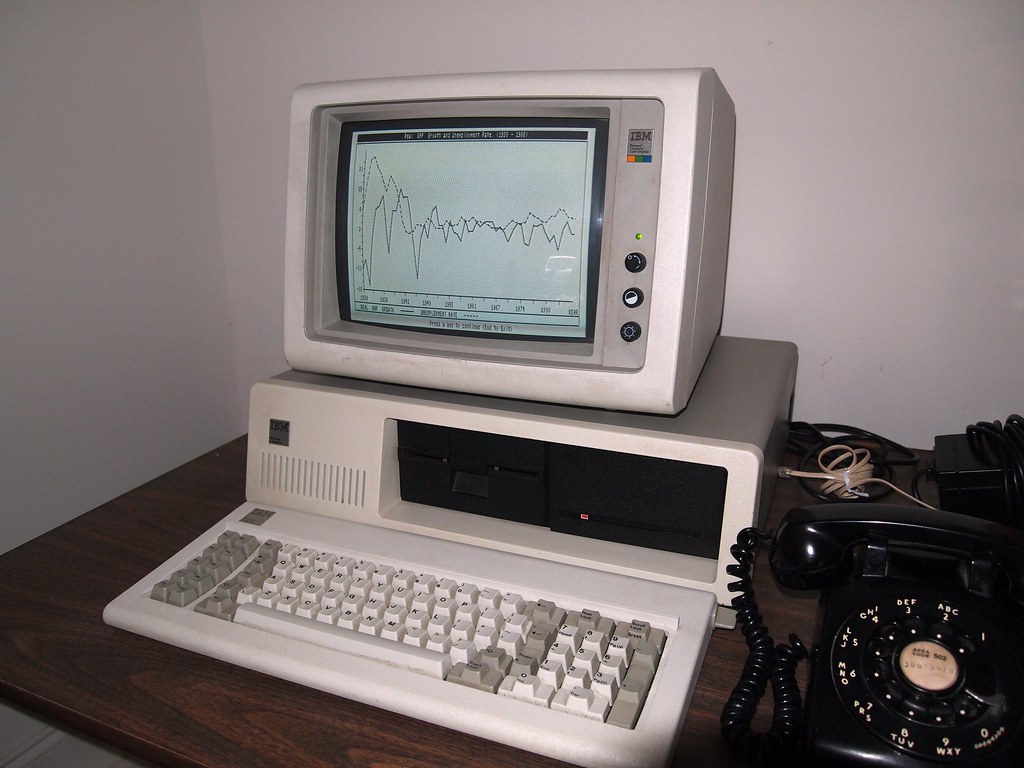
Open storyIntroduced by IBM in August 1981, the 5150 entered a personal-computer story that already had other protagonists. Its importance is better understood as a shift in scale and expectations than as an absolute point of origin.
Open storyFilms, documents and equipment help us understand cinema as material and cultural heritage. The planned Cinema Museum in the former NO-DO building raises a central question: how can this memory be preserved and made accessible?
Open storyArchitecture, decoration and successive exhibition-design interventions are part of a museum’s history. The Museo Nacional del Romanticismo offers a case for examining how an institution adapts its spaces without erasing earlier phases.
Open storyThe Walkman is often presented as a symbol of portable listening. Yet the available sources even disagree about its date: that discrepancy shows what we can—and cannot—claim about changing listening habits.
Open storyThe available sources foreground Karl Benz’s 1886 patent, while also describing parallel developments and distinct industrial trajectories. Telling this history means distinguishing between a patent, a vehicle, an engine and a company.
Open storyThe Museo del Traje exhibition brought together magazines, fashion plates, patterns, garments and accessories to explore how the press helped circulate fashion in Spain. Its documented objects and figures offer an entry point, though they cannot by themselves reconstruct the whole history.
Open storyBoard games can serve as entertainment, educational tools and accounts of the past. Looking at their rules and production contexts helps us ask which histories they make visible—and which they leave out.
Open story