DATABASE / SEARCH

Explore

Archive of technology, entertainment and everyday life

Analysis · 1970

The Walkman took music beyond the room

The Walkman is remembered as a turning point in portable listening, but the available sources place that change within a broader history of sound recording, personal devices and digital distribution. They also show why documented dates should be distinguished from retrospective accounts.

Open story
Analysis · pre-1950

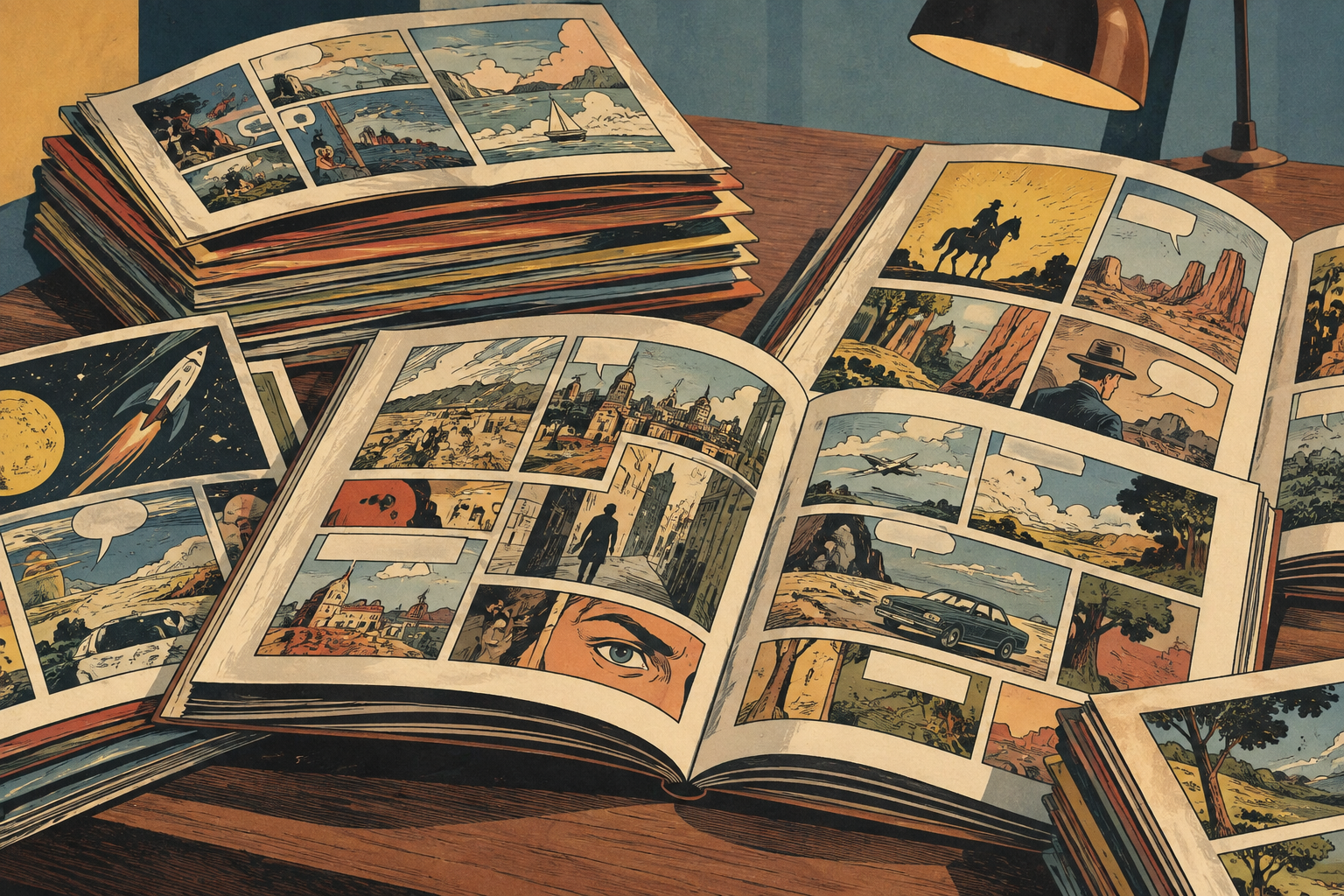
Comics Were Read in Installments, Too

The magazine, comic book, album and collected edition are not interchangeable wrappers: each format organizes the reading and circulation of comics differently. A cautious tour through the available sources, from early Spanish publications to the smaller place magazines occupy today.

Open story
Analysis · 1990

The 1990s changed the board game, but not overnight

The spread of Eurogames, festivals and a growing range of products helps explain the transformation of board games from the 1990s onward. The available sources point to a significant shift, but do not support reducing it to a single date or title.

Open story
Analysis · 2000

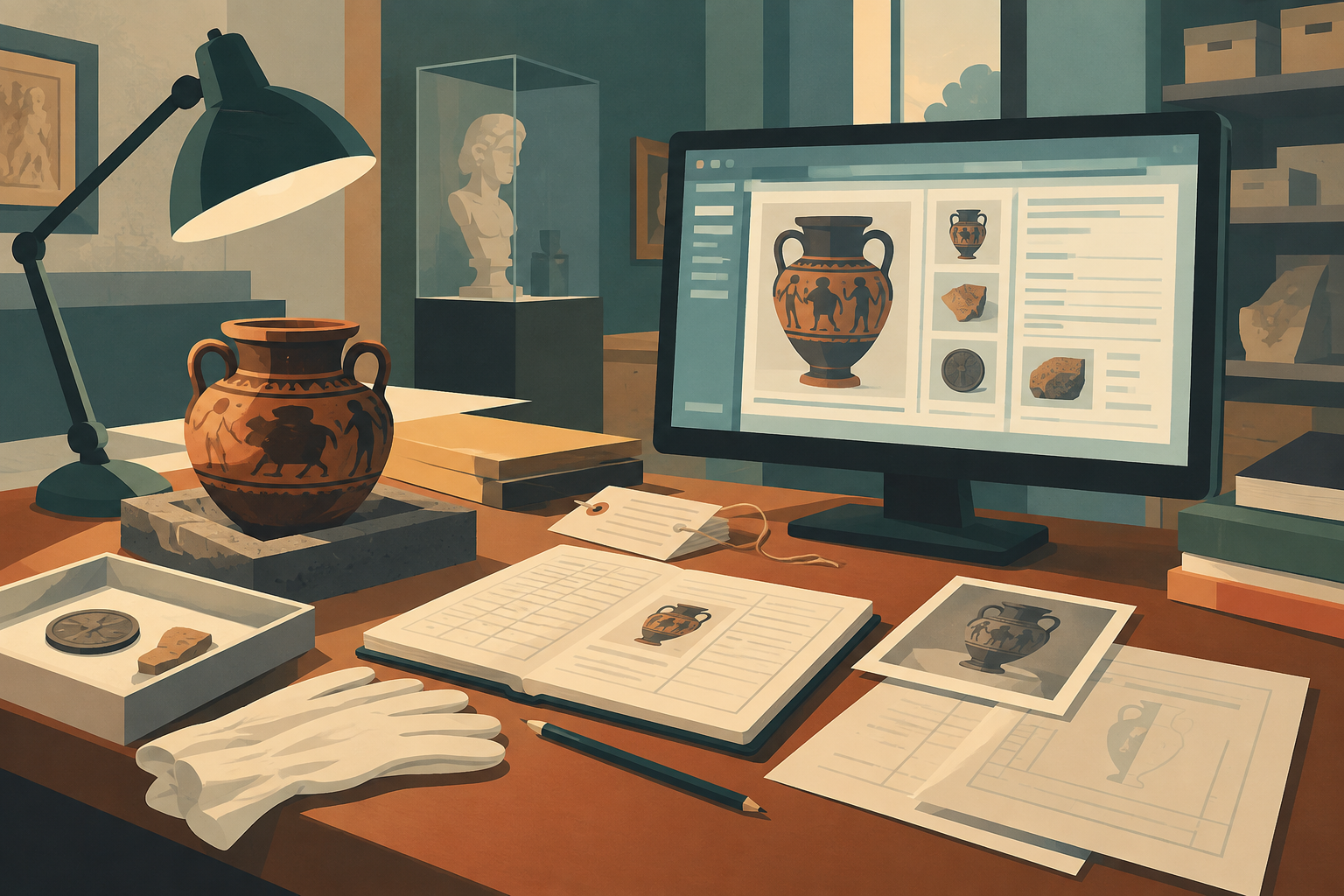
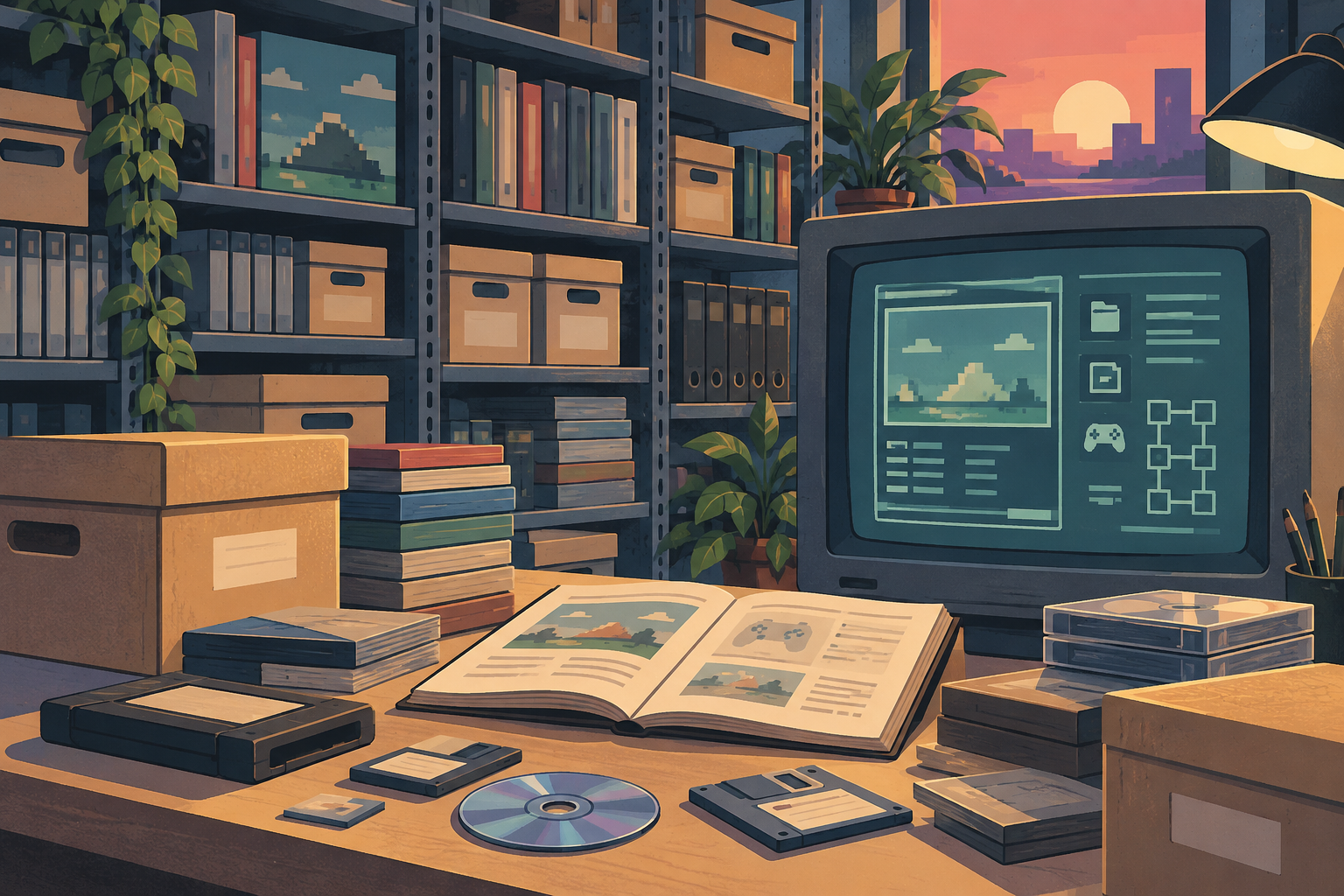
A Digital Museum Still Needs Context

Digitizing collections can broaden access, but it does not replace the work of documenting objects, organizing their records, and preserving the links that make them interpretable. A look at museum digitization through its less visible tasks.

Open story
Analysis · contemporary

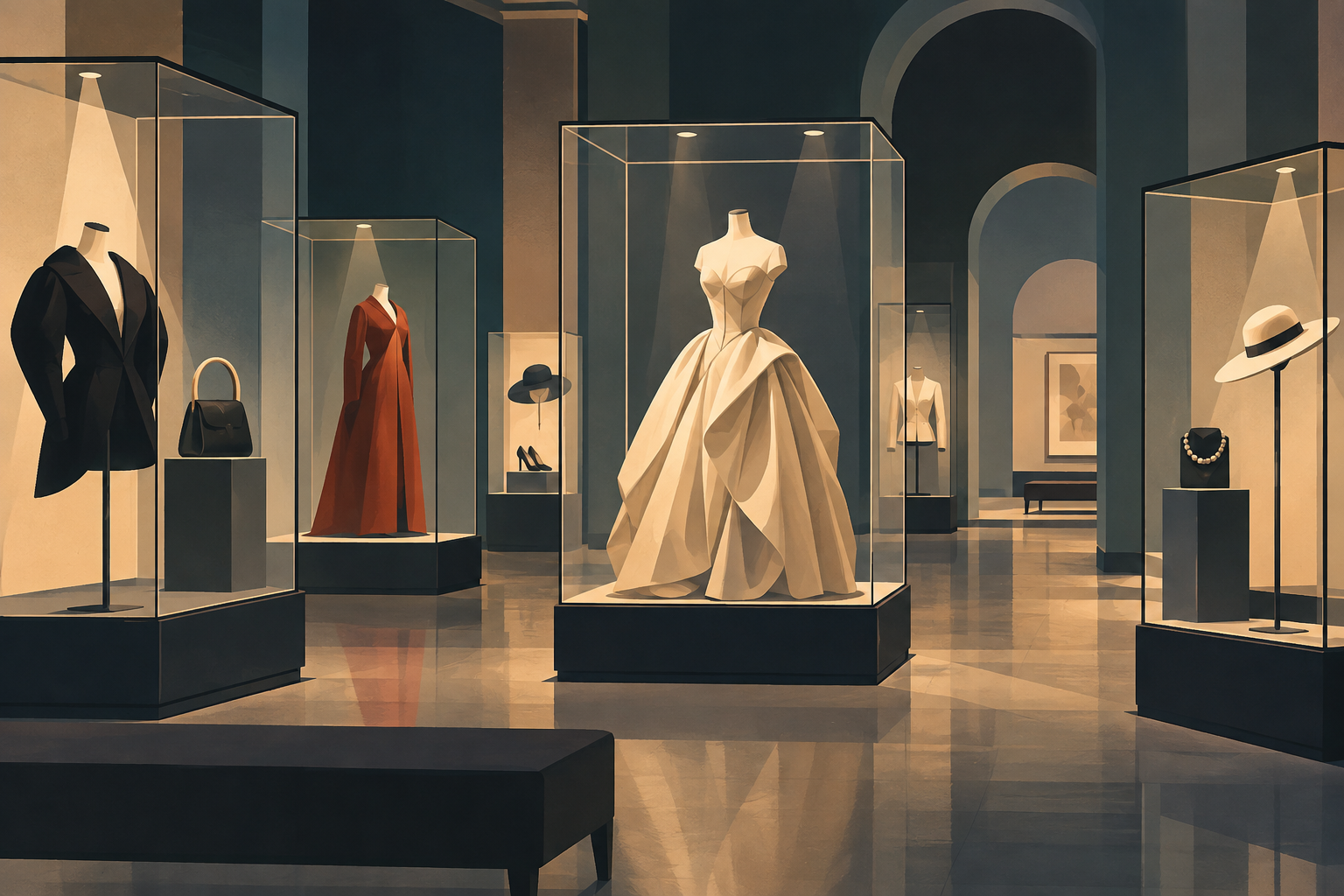
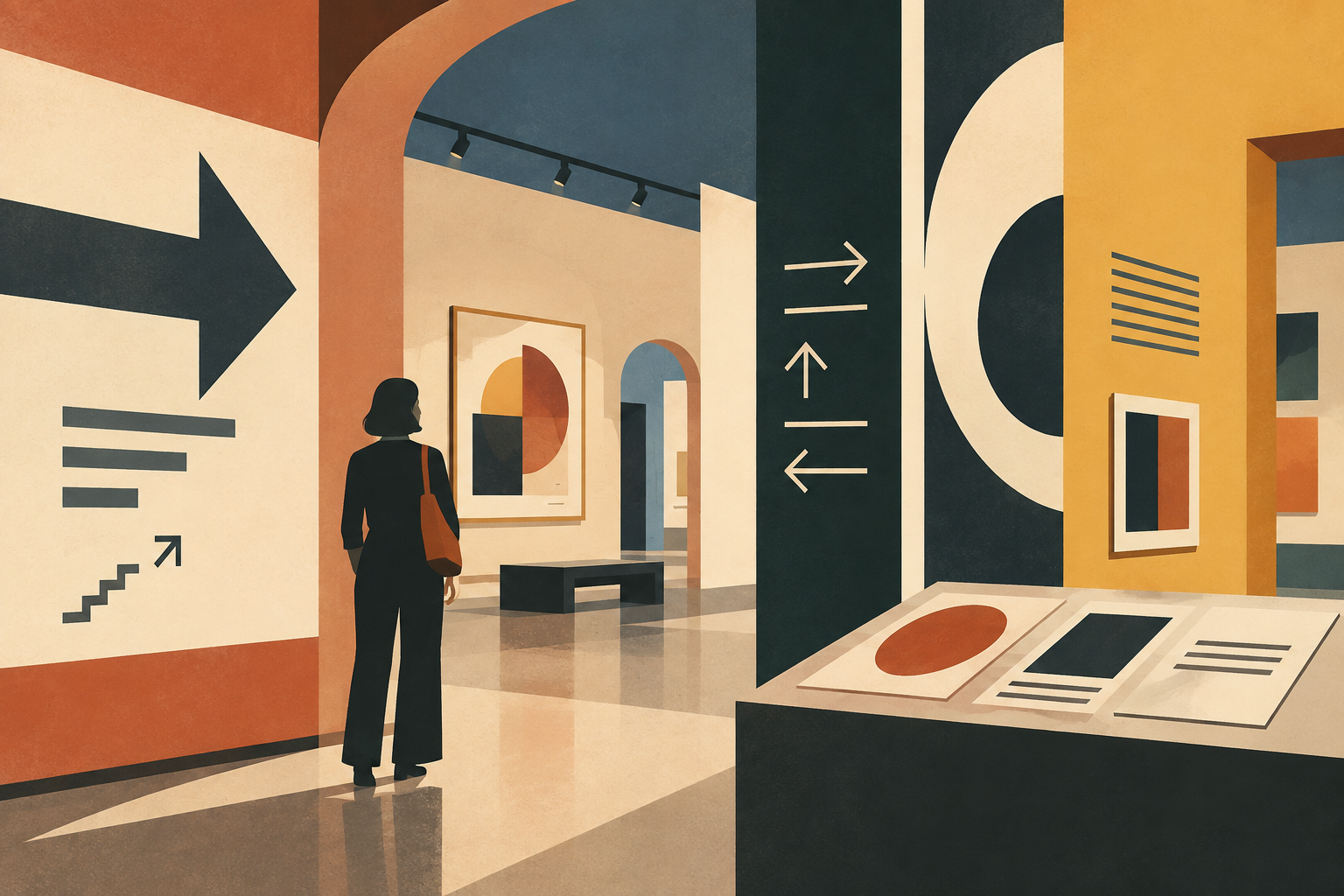
A museum’s identity is designed on its walls, too

A museum’s graphic design is more than decoration or signage: it guides attention, communicates an identity and can contribute to an educational experience. Research on museums in Valencia and guidance on museum archives offer ways to consider what should be documented—and what the available evidence does not establish.

Open story
History · 1990

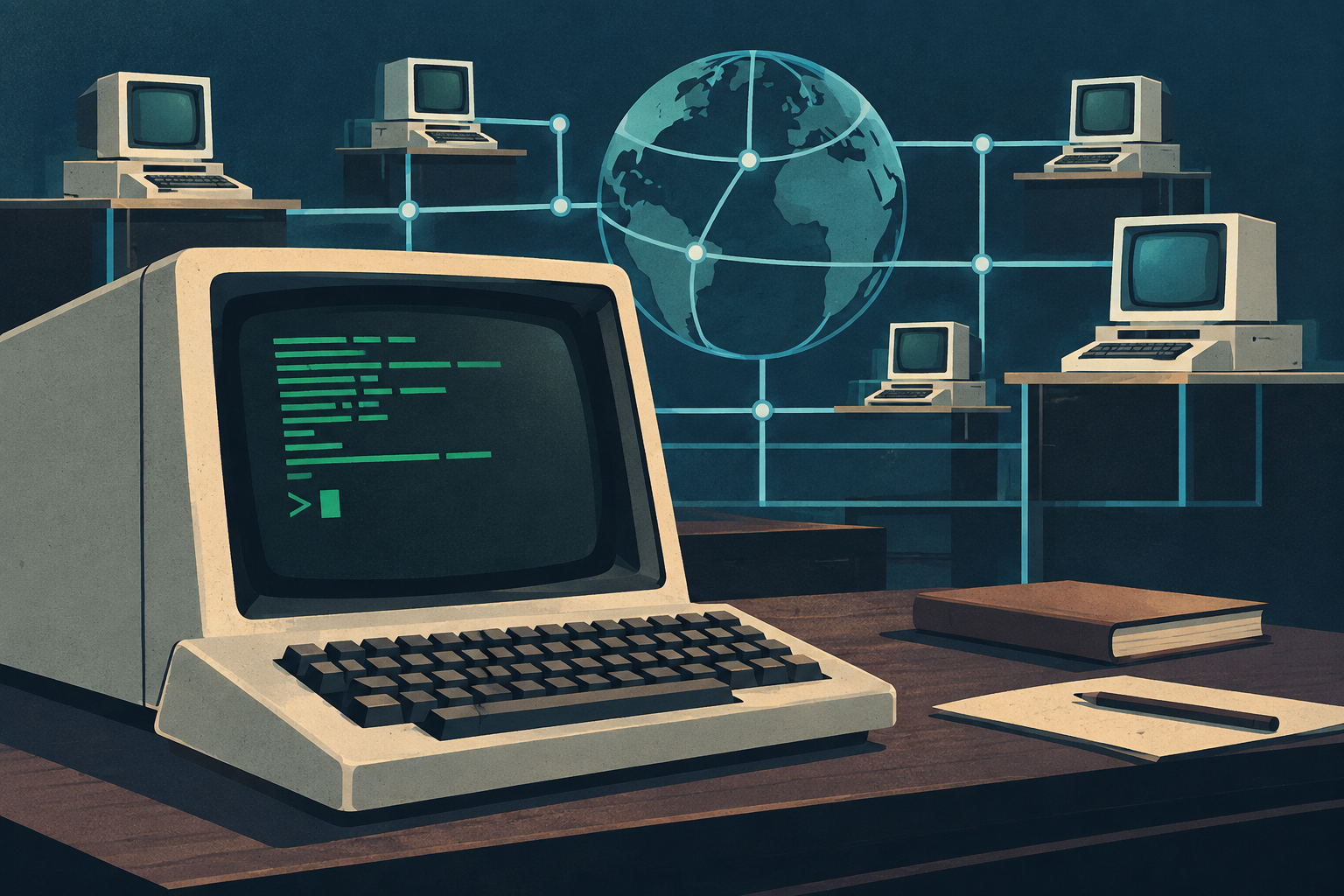
The Internet Before the Browser Window

The Web made the Internet more visible, but it did not create it. Email and other network services already enabled communication and remote access before links and browsers brought the network to a wider audience.

Open story
Analysis · contemporary

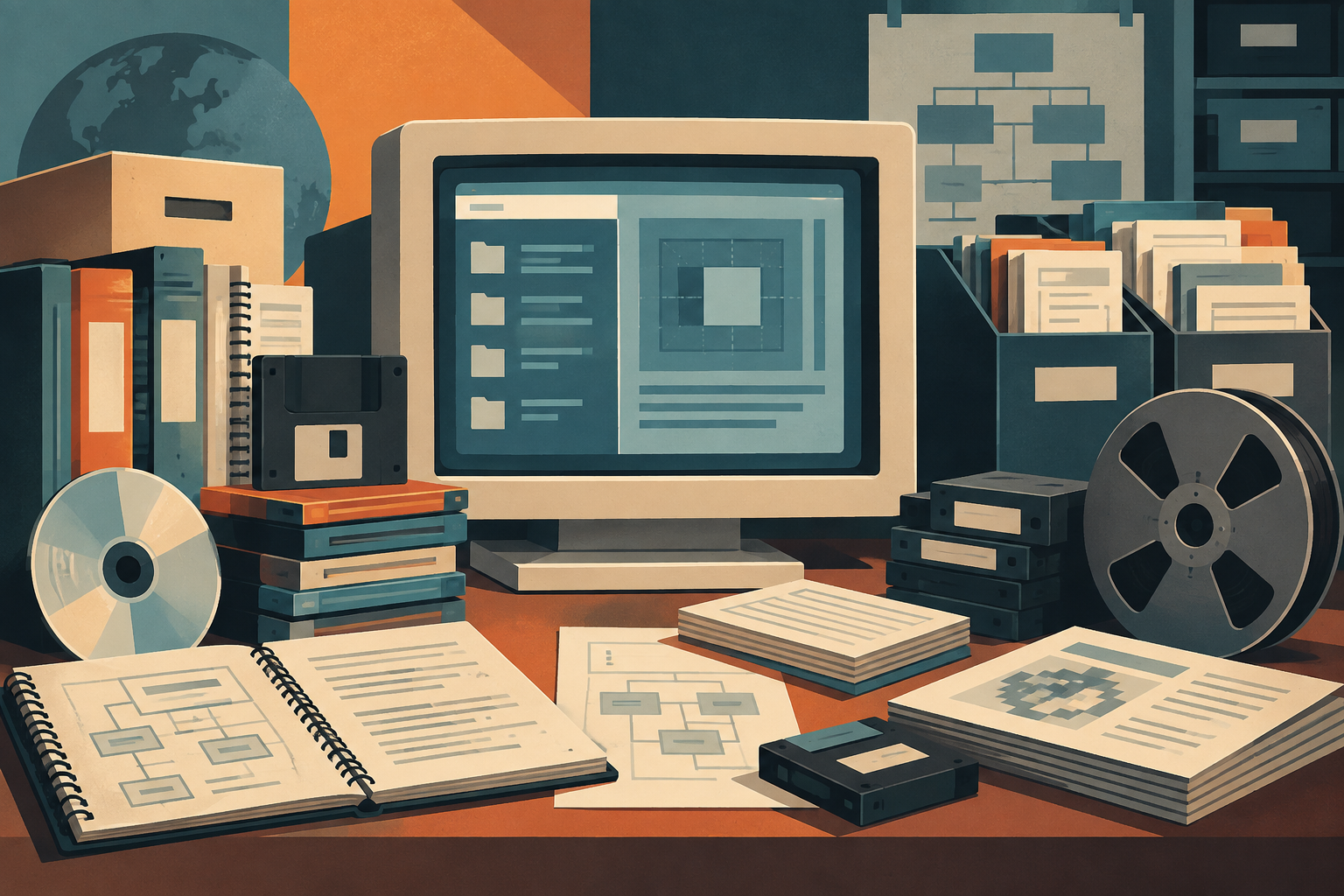
An Old Program Is More Than Its File

Preserving old software means looking beyond its data to include documentation, context of use and the conditions that make it intelligible. Archives and museums offer useful principles, but they cannot replace research into each individual program.

Open story
Analysis · 2000

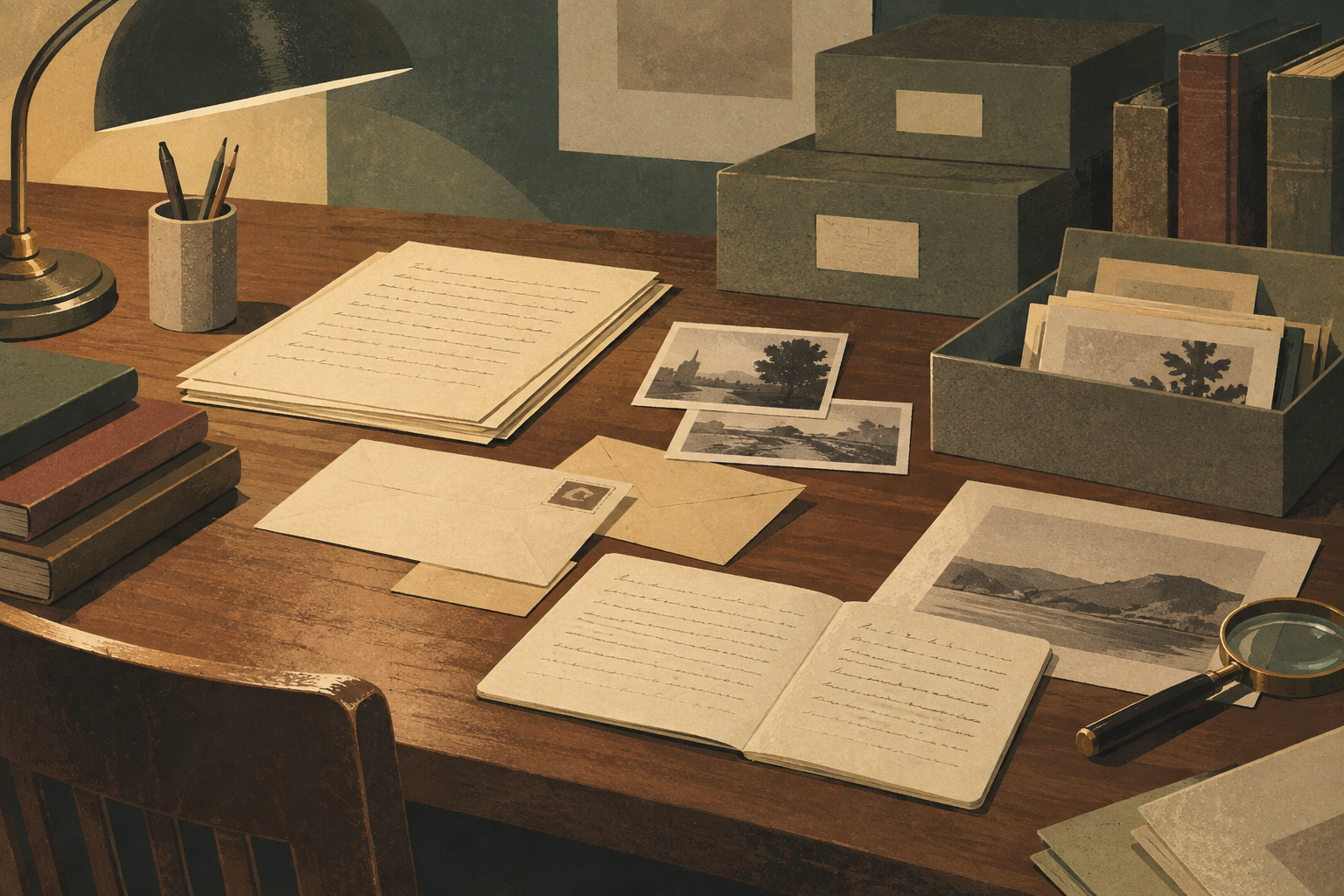
When a City Sees Itself in Its Photographic Archive

Mexico City’s Museo Archivo de la Fotografía invites us to see an image not only as a visual memory but as a document connected to institutions, places and urban change. Its history also shows why preserving a photograph means safeguarding the information that gives it context.

Open story
Analysis · 1990

Museum decoration is part of what must be preserved

Caring for a collection is not limited to its objects: it also depends on documentation, accessibility and the conditions of the spaces that house them. Institutional sources help explain what can—and cannot—be said about decoration as part of the museum experience.

Open story