DATABASE / SEARCH

Explore

Archive of technology, entertainment and everyday life

Analysis · contemporary

When advertising becomes graphic heritage

Posters, packaging and advertisements do more than promote products: they also record ways of designing and communicating. What archives and museums can tell us about that memory—and where caution is needed.

Open story
Analysis · 1970

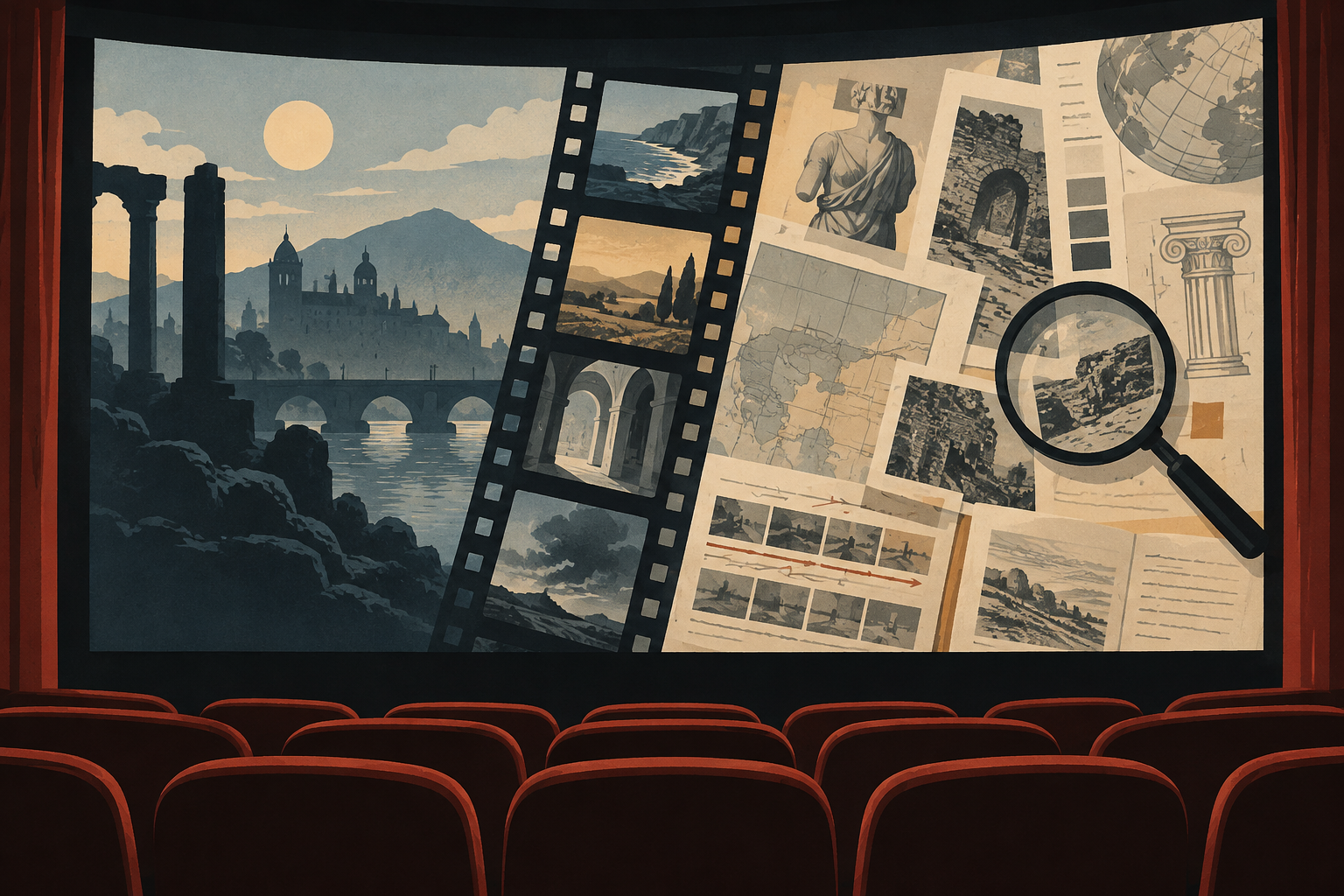
History Does Not Simply Appear on Screen

Cinema can help us study the past, but it is not a transparent window: films are also stories shaped in particular moments and contexts. A careful reading distinguishes what they depict from what they can substantiate.

Open story
Analysis · 2000

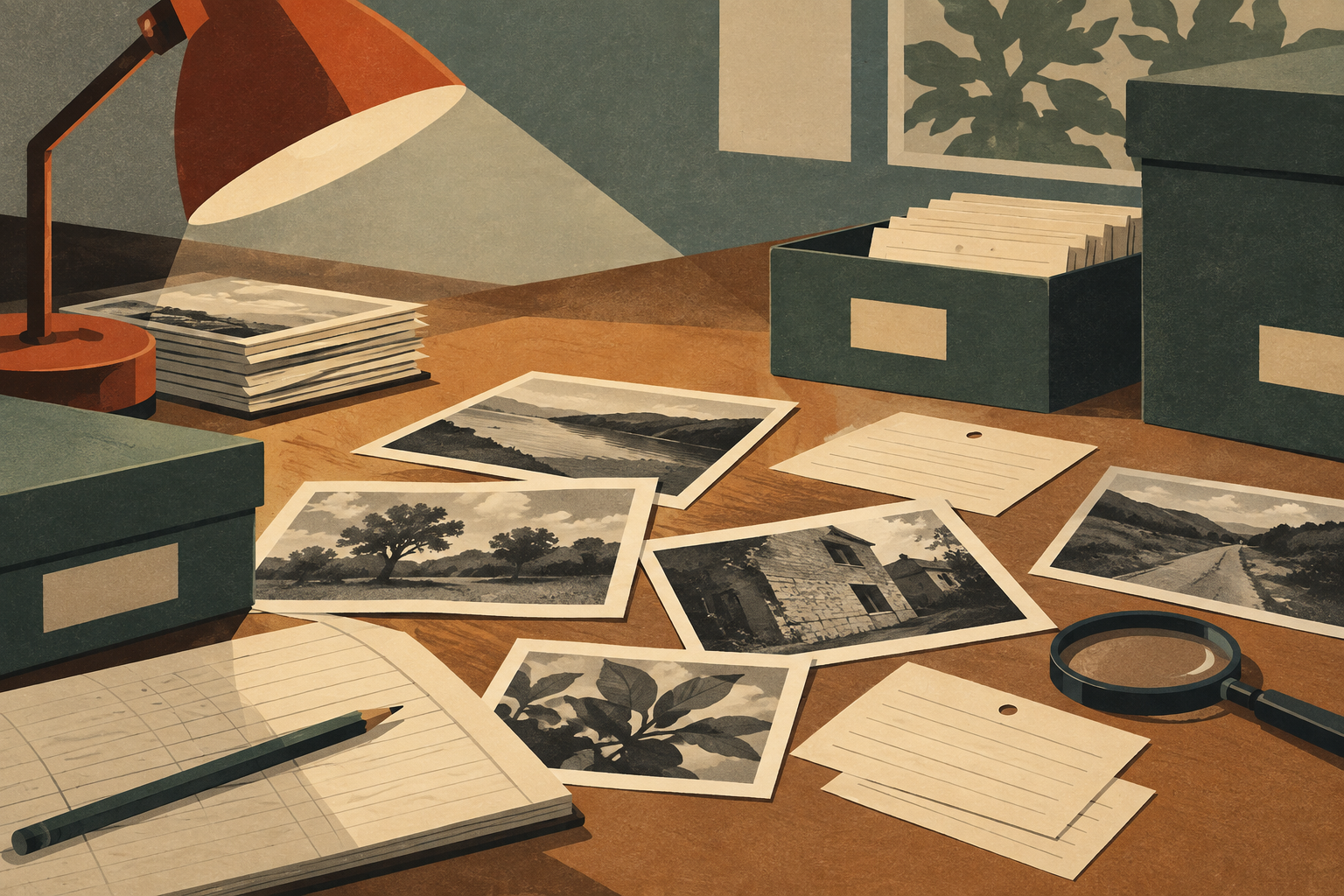
An Archive Photograph Needs Context, Too

An image can tell us about people, places and activities, but its documentary value also depends on knowing who made it, why, and within which collection it survives. Photographic archives become easier to understand when we consider both what was photographed and the circumstances that produced the image.

Open story
Analysis · 1970

The 1970s Didn’t Dress in Just One Way

Seventies fashion is often reduced to disco style, but the available sources also point to experimentation, diversity, and the influence of different musical cultures. A careful reading of the decade begins by recognizing that variety—and the limits of the evidence.

Open story
On this day · 1990

23 June 1996: Nintendo 64 arrives in Japan

Nintendo dates the Japanese launch of Nintendo 64 to 23 June 1996. The date offers a way to examine a console defined by 64-bit branding, cartridges, and an unusually shaped controller, without treating generational labels as an automatic explanation of its importance.

Open story
Analysis · 2000

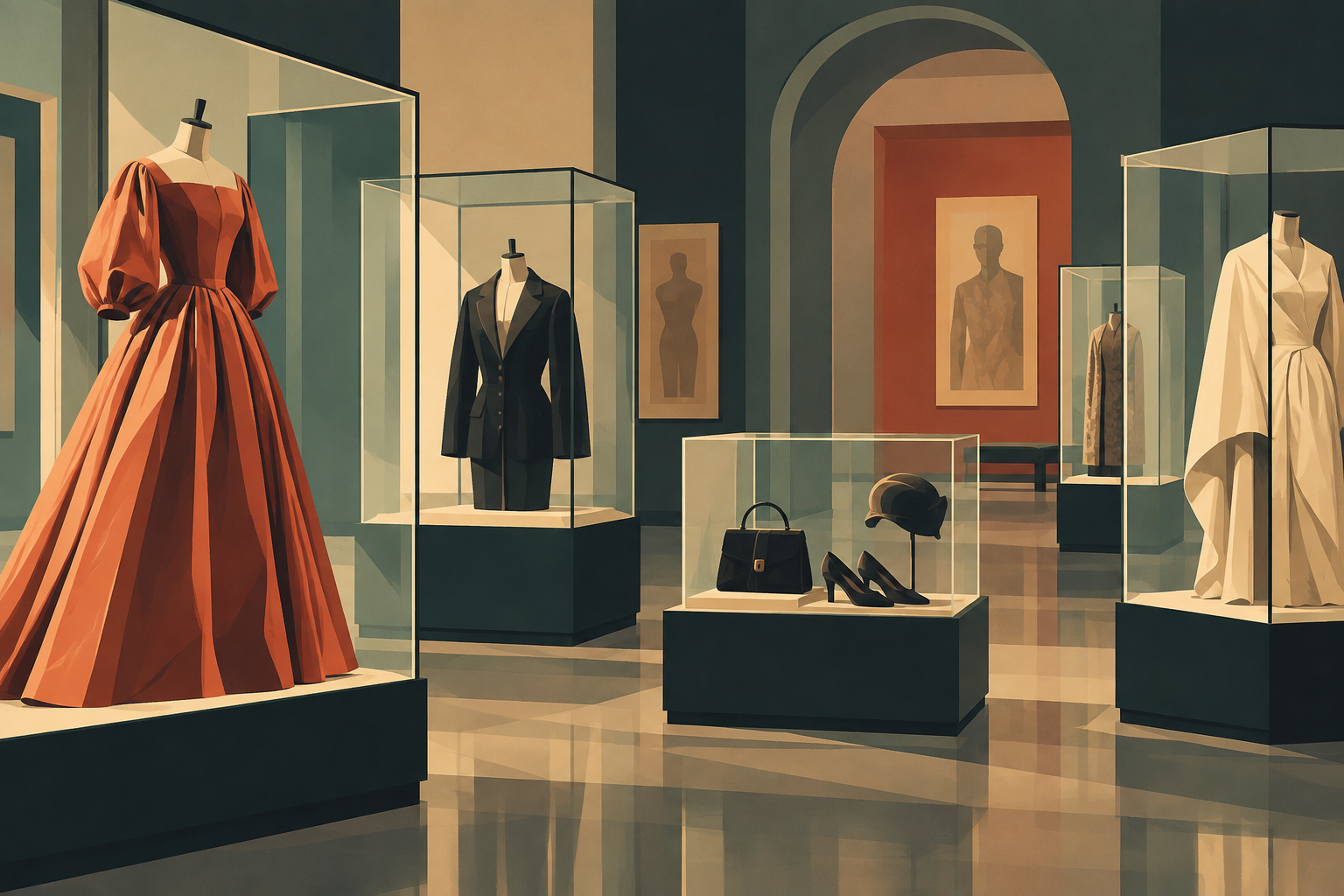
Clothing takes on a new meaning in the museum

Fashion on display is more than clothing removed from everyday life. Collections, archives and conservation decisions turn garments and accessories into cultural documents, while raising questions about what is shown and why.

Open story