The Automobile as Archive: What Motor Museums Preserve
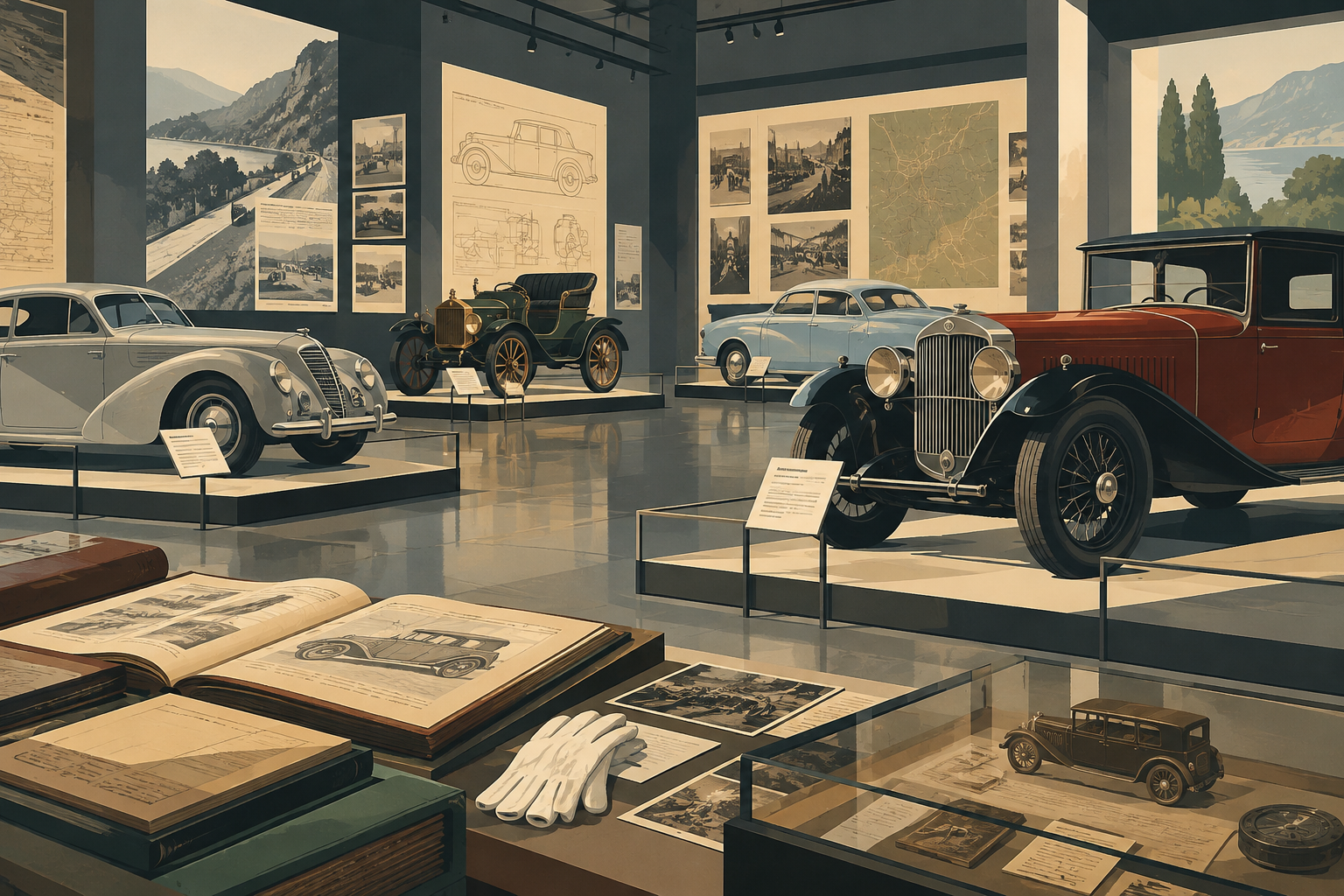
A reading of automotive preservation as a cultural practice: vehicles, engines, chassis and manuals, together with their social contexts, explain far more than technical evolution.
Open storyArchive of technology, entertainment and everyday life
A reading of automotive preservation as a cultural practice: vehicles, engines, chassis and manuals, together with their social contexts, explain far more than technical evolution.
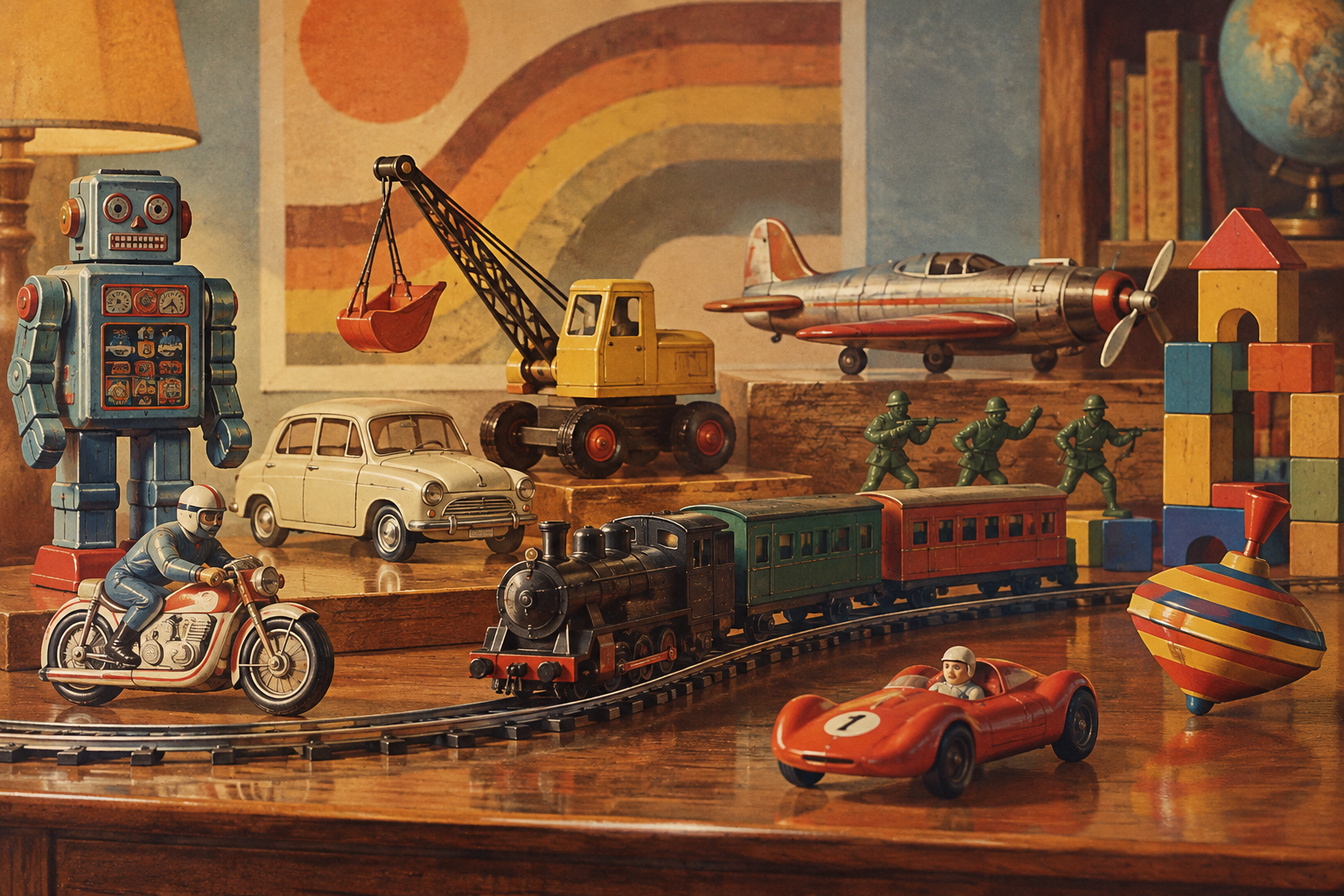
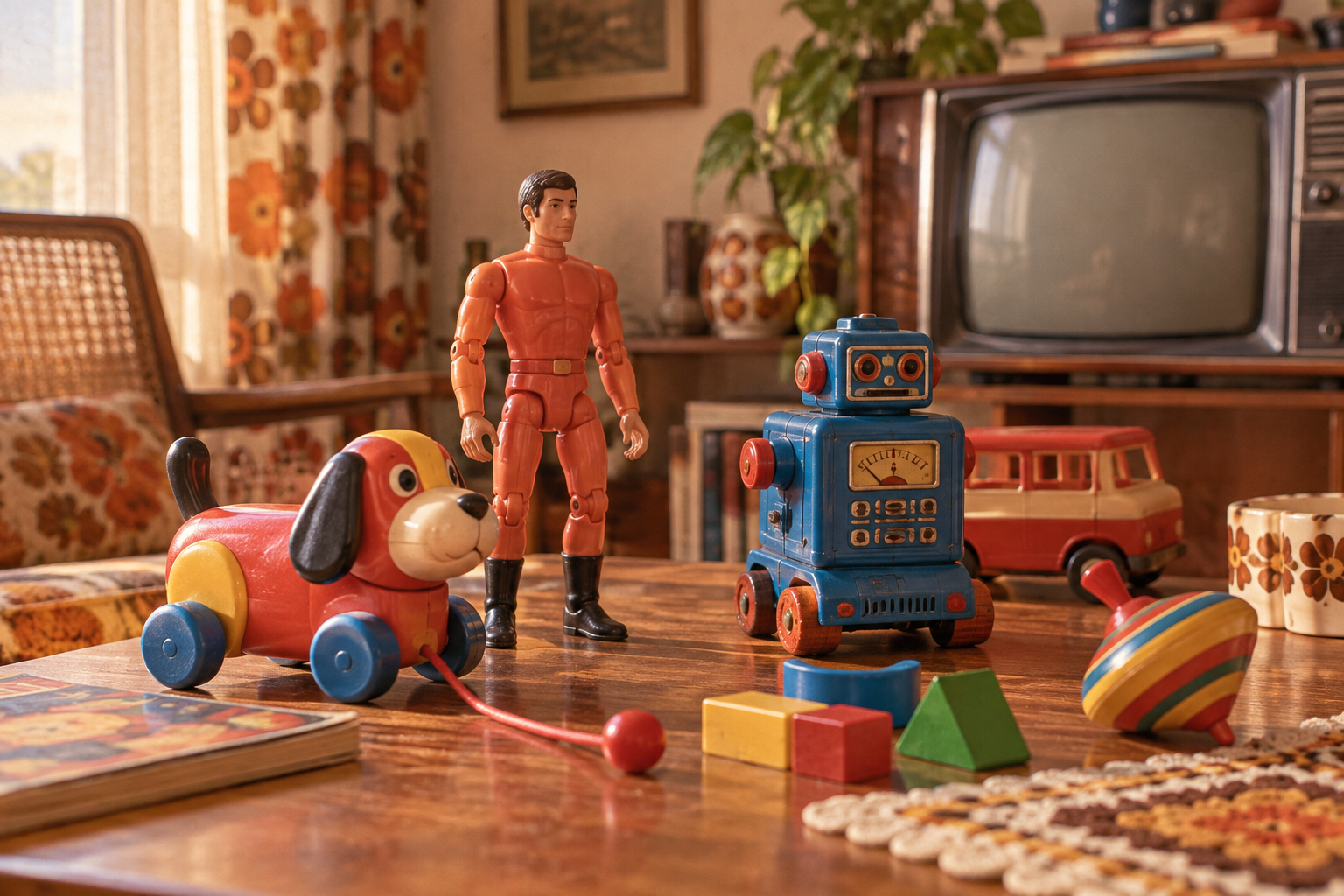
Open storyA cautious reading of the changes that several museum and popular-history sources associate with Spanish toys in the 1970s: the expansion of plastic, battery- and wind-up mechanisms, broader consumption, and the continuity of figures and construction toys.
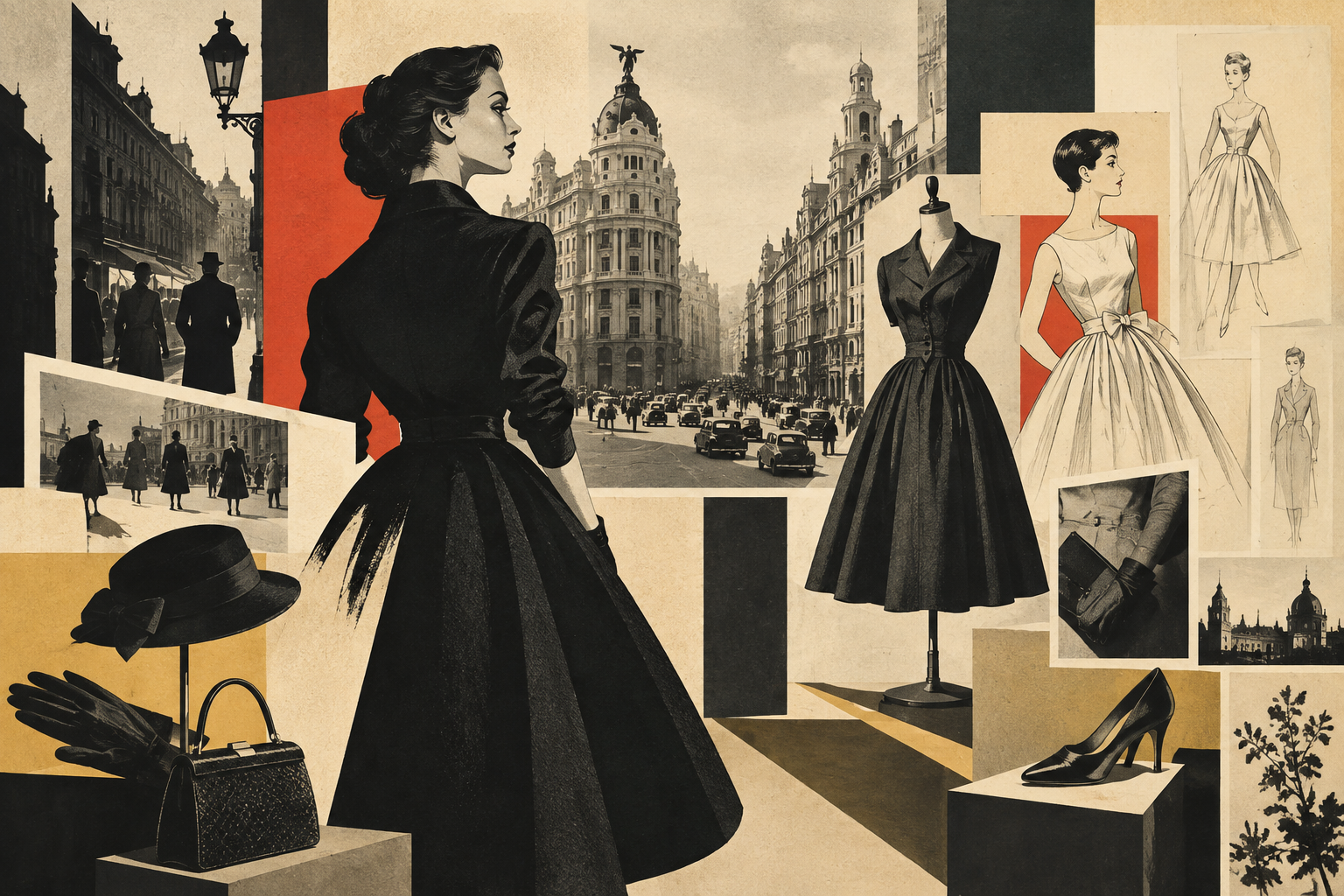
Open storyDrawing on documented Spanish exhibitions and collections, this analysis examines Madrid fashion from the post-war period to the 1970s as a material and visual source. Garments, photographs, fashion drawings, magazines and accessories can reveal changing customs, without mistaking a museum exhibition for a complete portrait of an era.
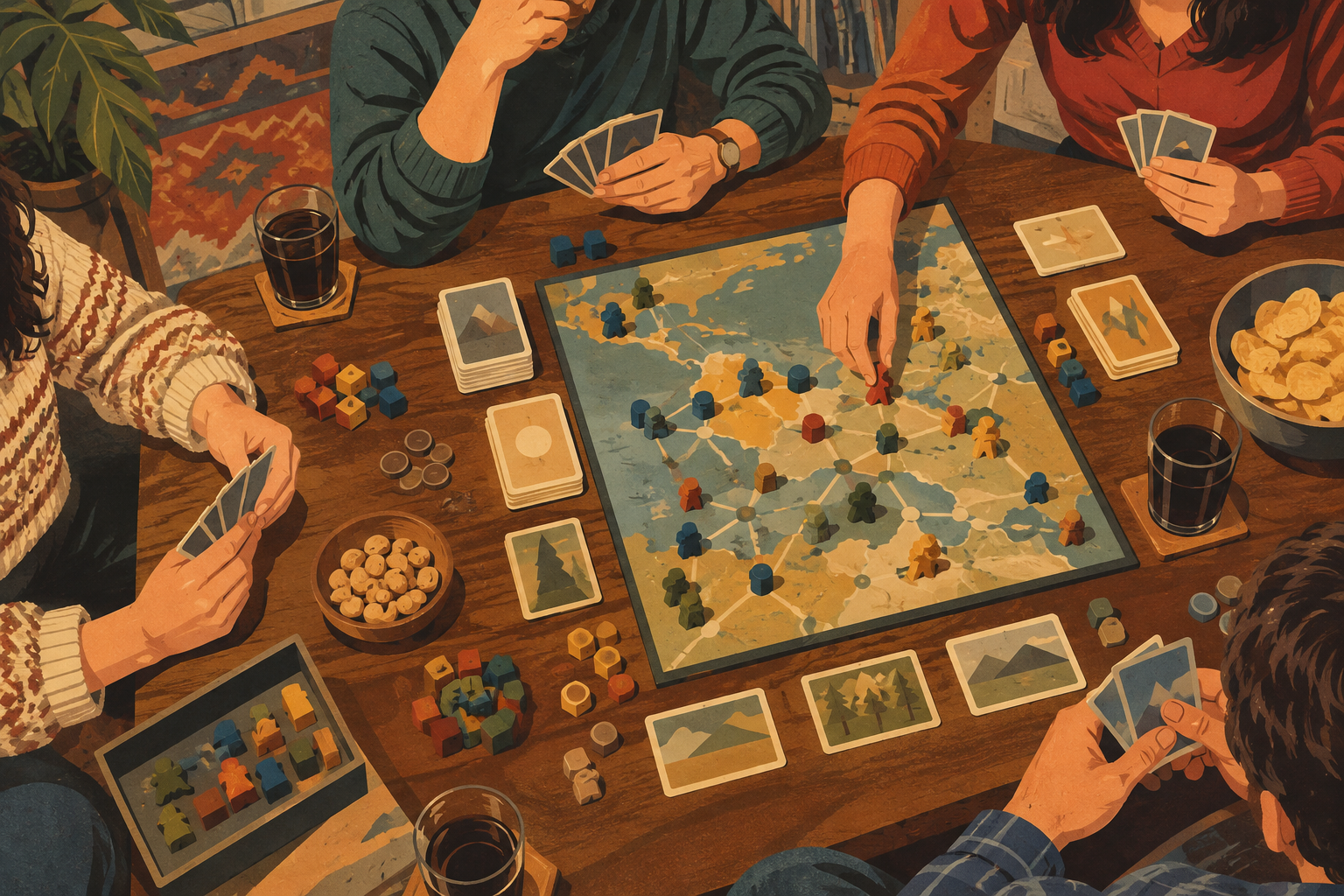
Open storyA documented tour of several decisive changes in board games from 1970 to 2009: Spanish editions of historical games, the so-called European school, the expansion of the 1990s, and a selection of titles whose chronology appears in the available sources.
Open storyTurin’s Museo Nazionale dell’Automobile opened to the public in 1939 with a collection of 181 objects. Its origins show how the automobile became not only a technical object, but also a record of design, mobility and social change.
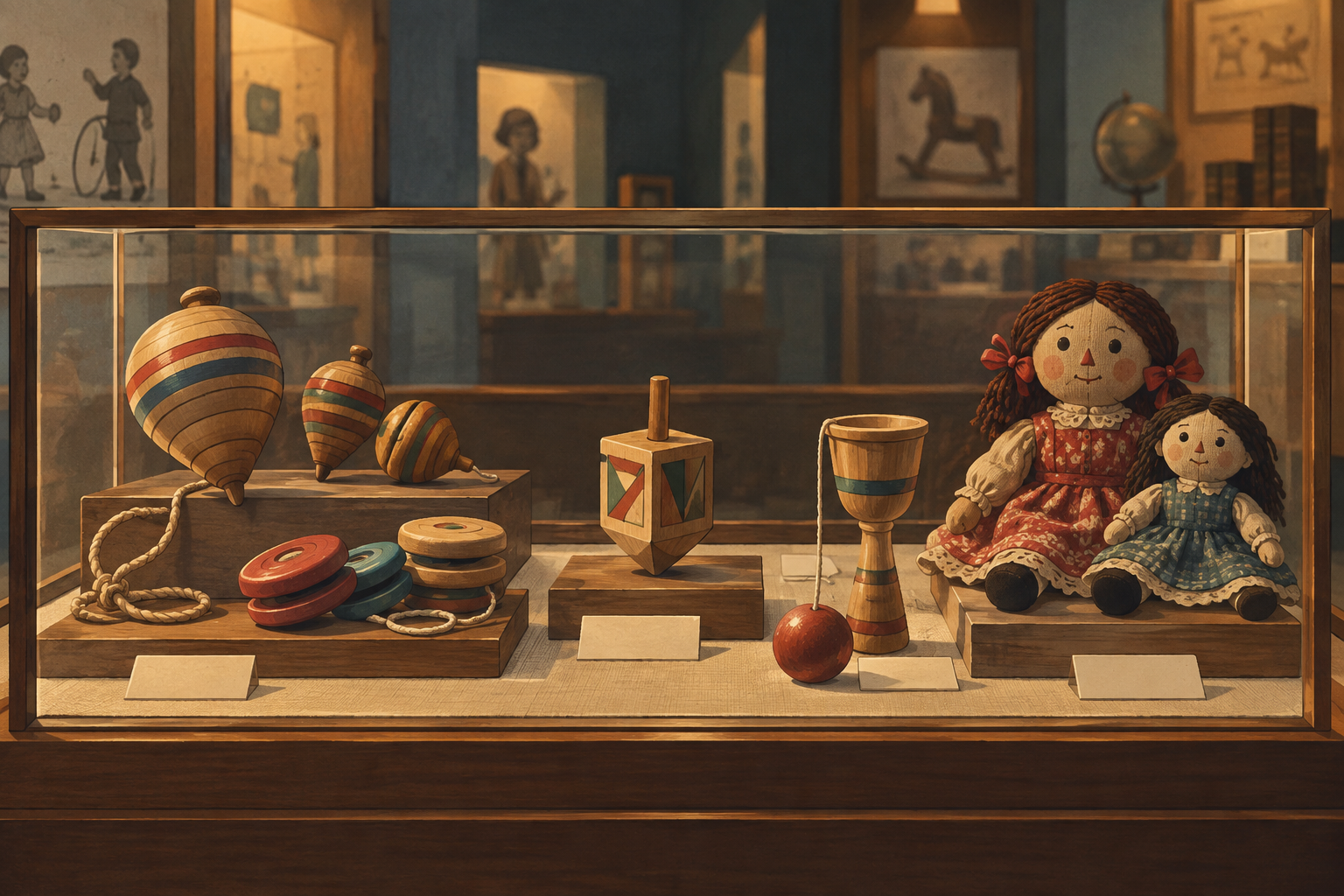
Open storyToys do more than evoke an individual childhood: they make it possible to study crafts, materials, educational models, consumption and everyday life. Drawing on documented collections and exhibitions in Spain and Colombia, this analysis examines what changes when an object of play is preserved and interpreted as heritage.
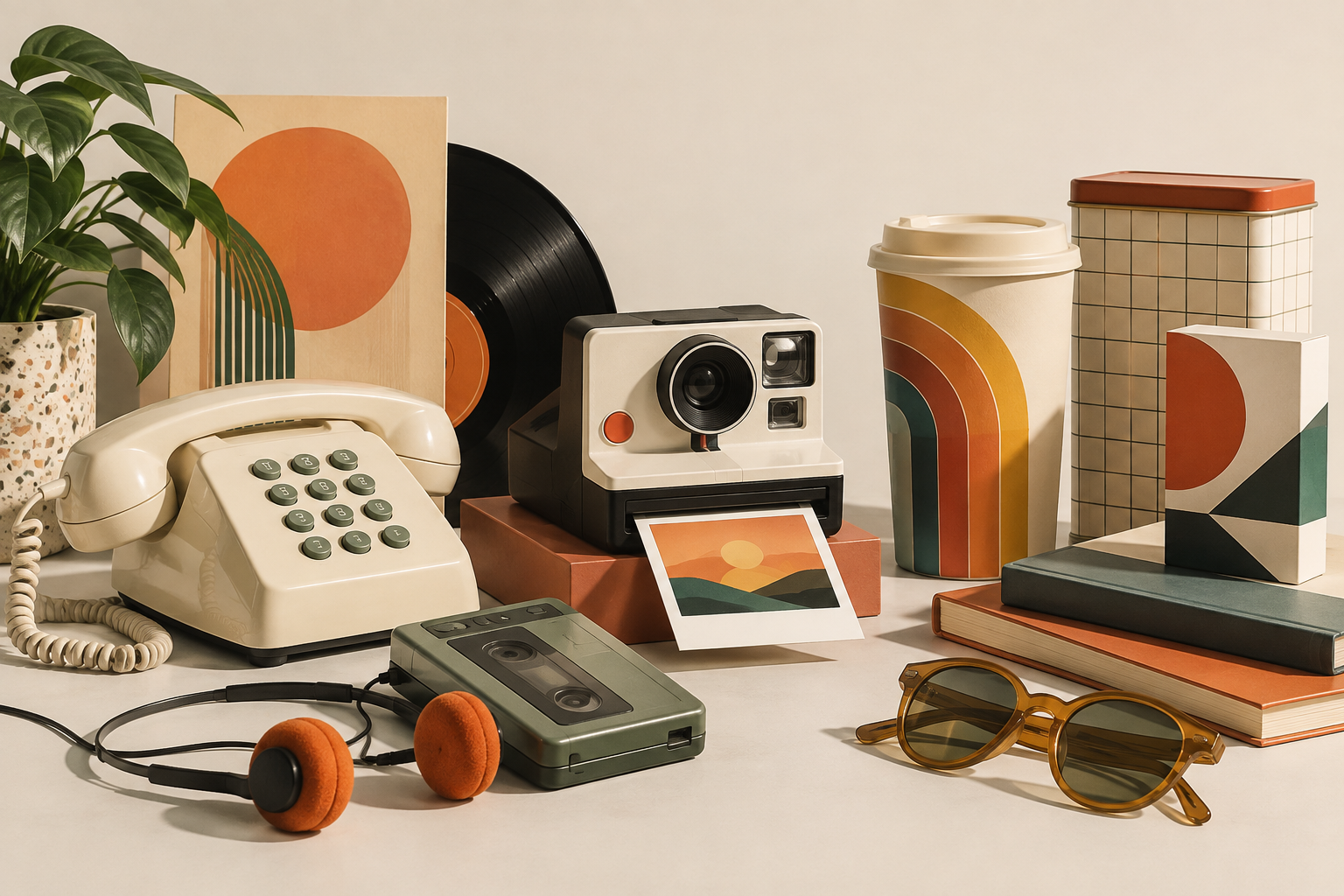
Open storyA critical reading of contemporary retro as a strategy of design, consumption and differentiation: it is not simply about repeating old objects, but about selecting recognizable features from the past and combining them with present-day uses.
Open storyA reading of Spanish toys through their materials, advertising circulation, and the ways museums and exhibitions place them within social and design history.
Open storyA critical reading of graphic design, documentation and advertising as layers that shape how a museum preserves, interprets and communicates its heritage.
Open storyThe institutional evidence available shows that conservation and restoration are not limited to repairing objects: they depend on reports, inventories, protocols and traceable decisions. A look at the Prado, the MNCN and Spanish public documentation to understand why the record of an intervention becomes part of the object itself.
Open storyA documented reading of the transformation of toys in Spain during the 1970s: the predominance of plastic, expanding consumption, and the place of figures such as Airgam Boys within a heritage now preserved and reinterpreted by collections and museums.
Open storyA journey through the changing focus of Spain’s National Museum of Decorative Arts: from its early support for industrial products and technical education to a later reading centred on objects, their uses, and their contexts of production and consumption.
Open story