DATABASE / SEARCH

Explore

Archive of technology, entertainment and everyday life

profile · 1950

Museo del Traje: a collection for reading Spanish fashion

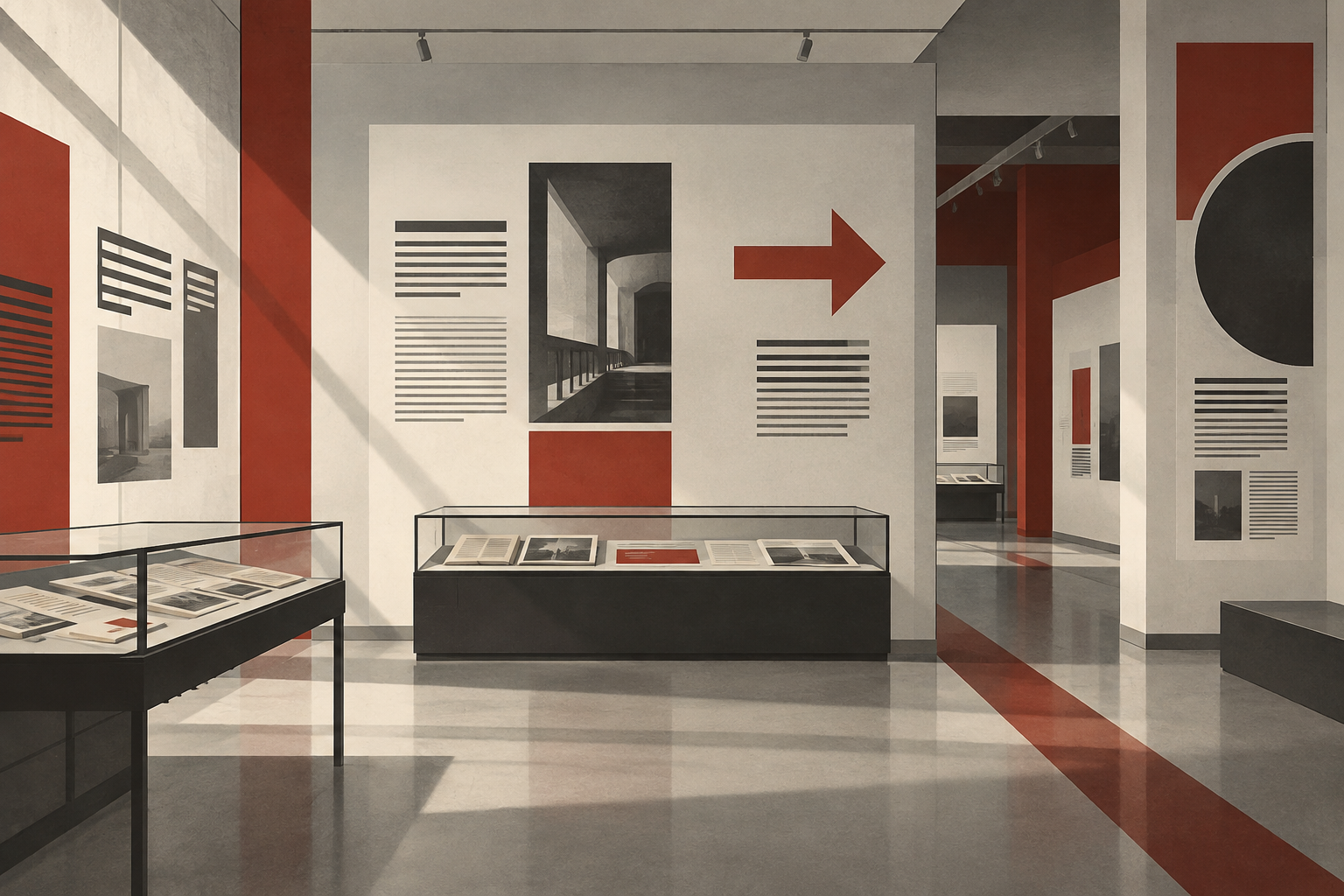
The Museo del Traje collection brings together regional dress, jewellery and accessories, works by Mariano Fortuny y Madrazo, and holdings representing Cristóbal Balenciaga and Pedro Rodríguez. Using the available institutional information, we examine what this concentration of objects allows us to say and the limits of a collection description.

Open story
analysis · 1970

Walkman: Private Listening in Public

The available evidence places the presentation of Sony’s Walkman in July 1979 and describes it as a portable stereo player associated with lightweight headphones. This analysis considers what that documentation supports, why the object matters to the cultural history of listening, and which questions require further sources.

Open story
analysis · 1950

Spanish Fashion as Document: From Garment to Fashion Illustration in Public Collections

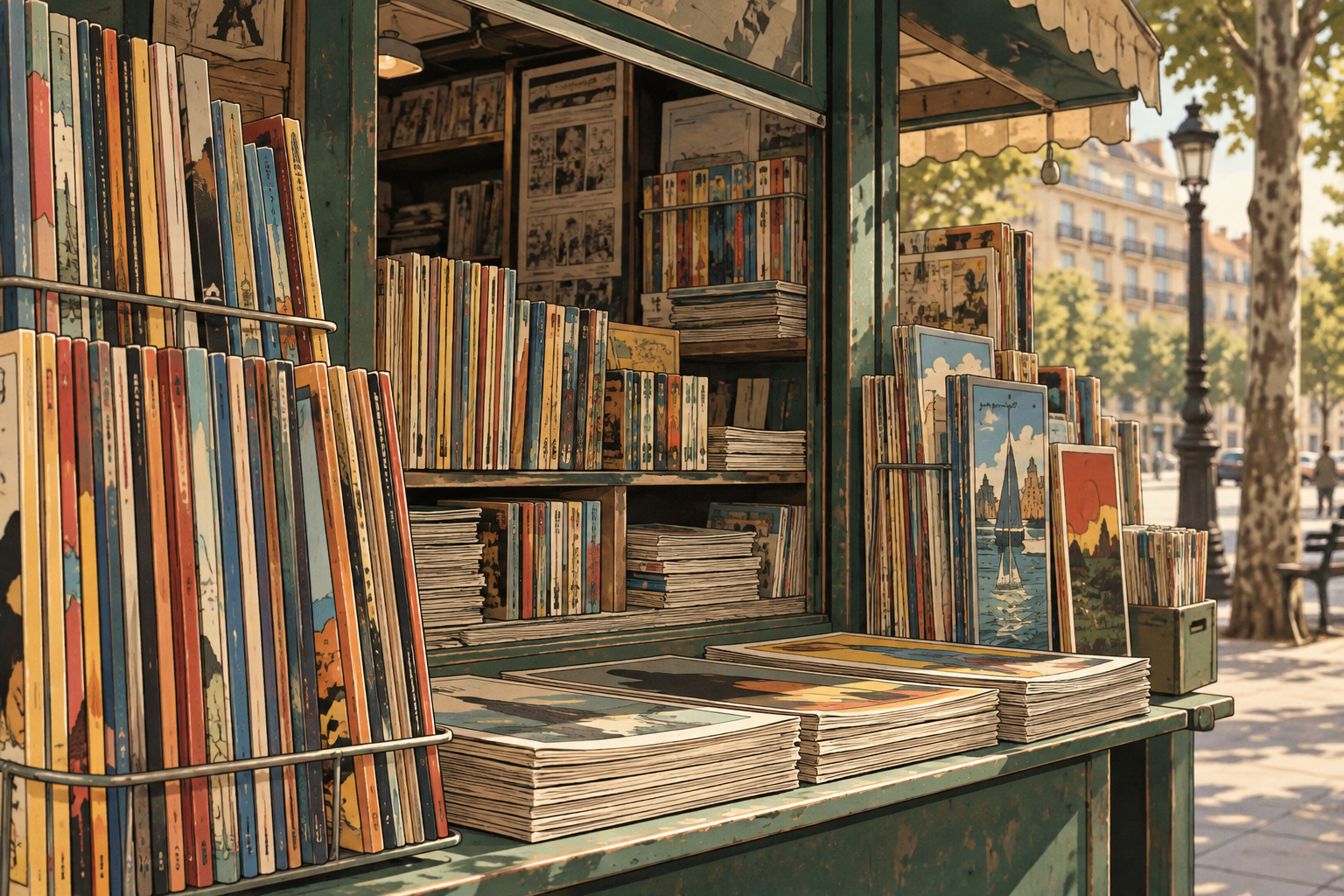
Collections and exhibitions at the Museo del Traje and other institutions make it possible to read fashion as material culture: garments, accessories, photographs, magazines, patterns and fashion illustrations preserve traces of production, circulation and use. A tour of what these sources allow us to state—and what they do not—about Spanish fashion from the post-war years to the 1970s.

Open story
analysis · contemporary

Contemporary Retro: When the Past Becomes a Strategy for the Present

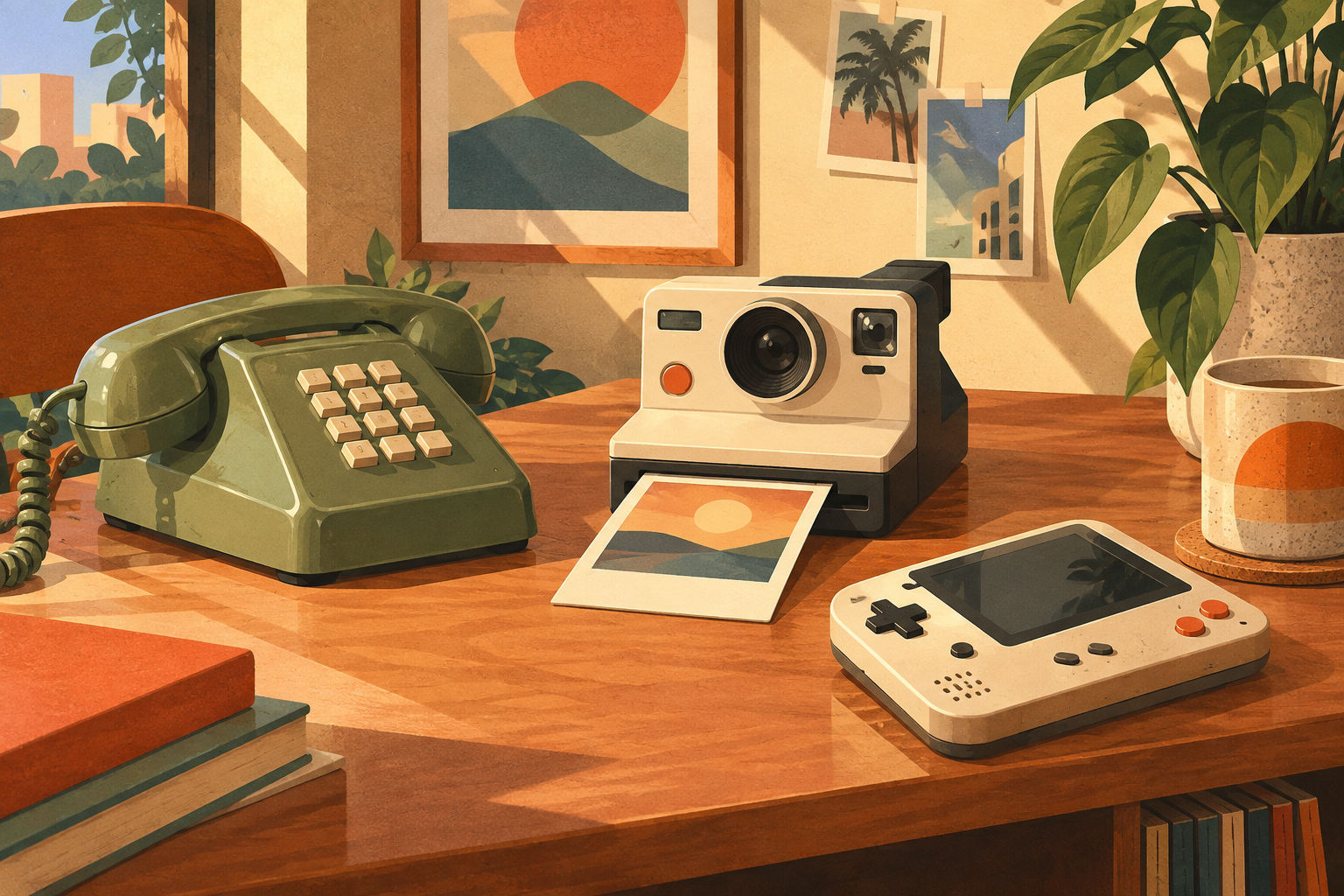
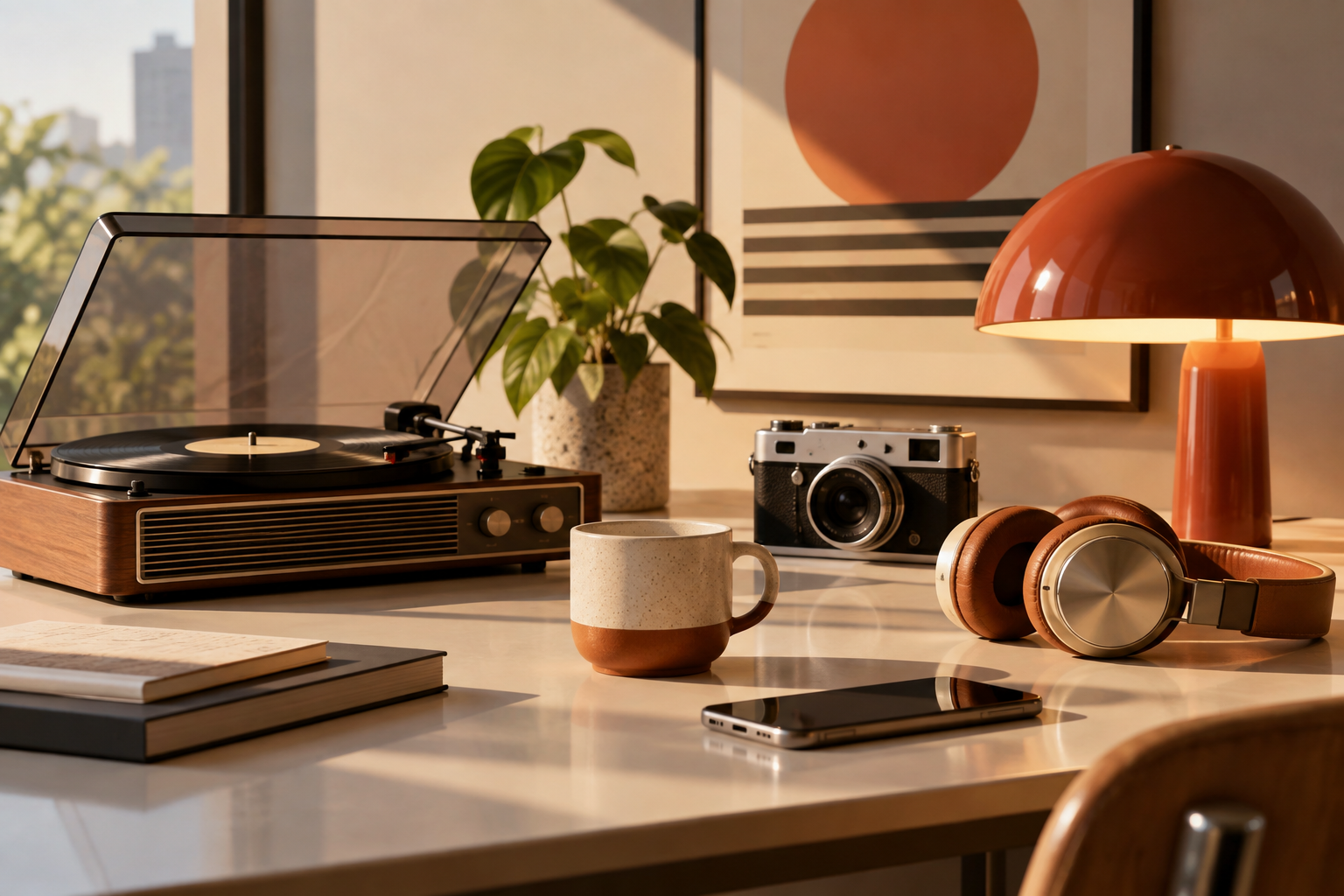
The return of products, visual languages and references from earlier decades is not a simple reproduction of the past. Drawing on academic and journalistic sources, this analysis examines contemporary retro as an operation in design, consumption and identity, while identifying what the available evidence does not allow us to conclude.

Open story
analysis · contemporary

From Album to Archive: What Museology Can Teach a Sticker Collection

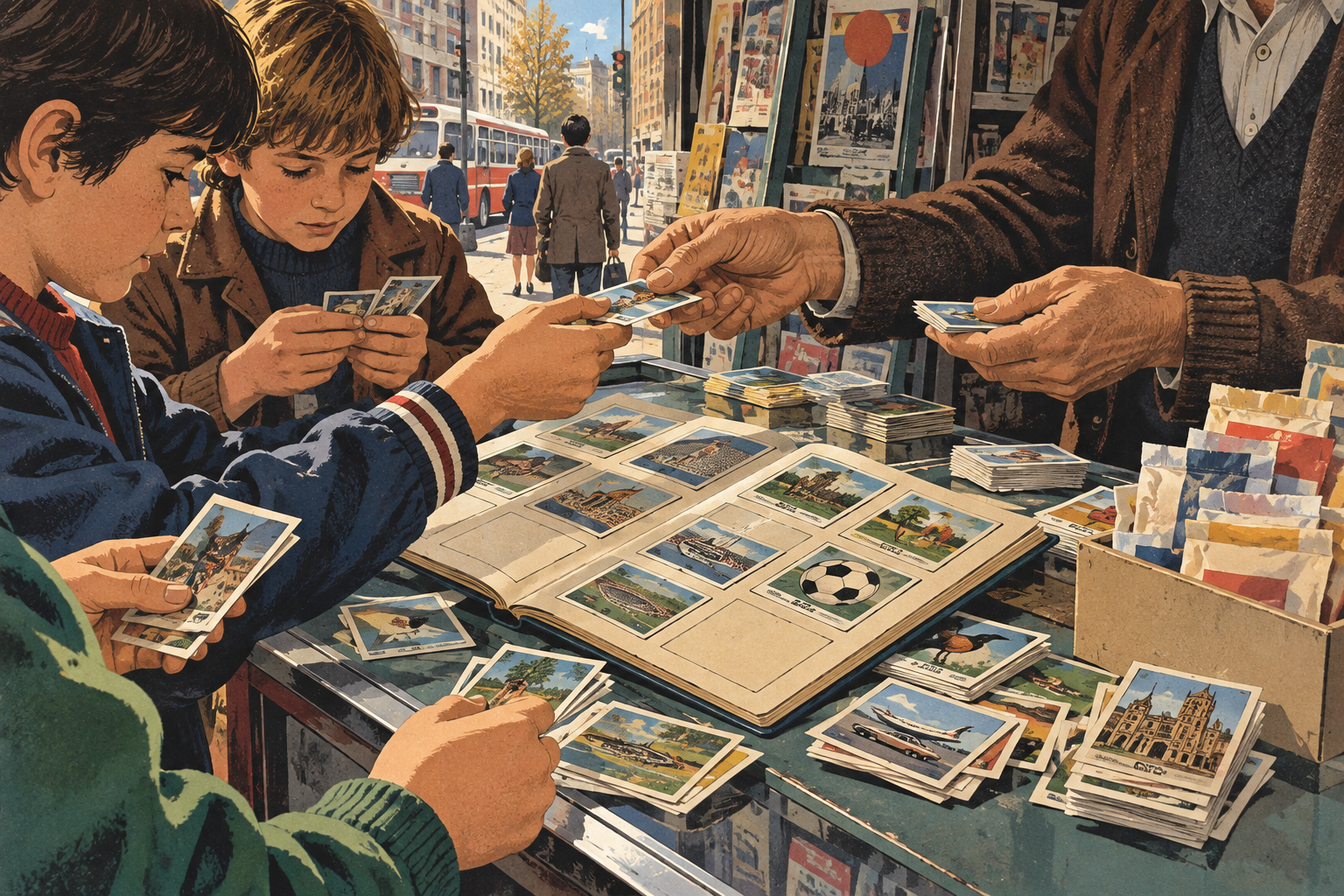
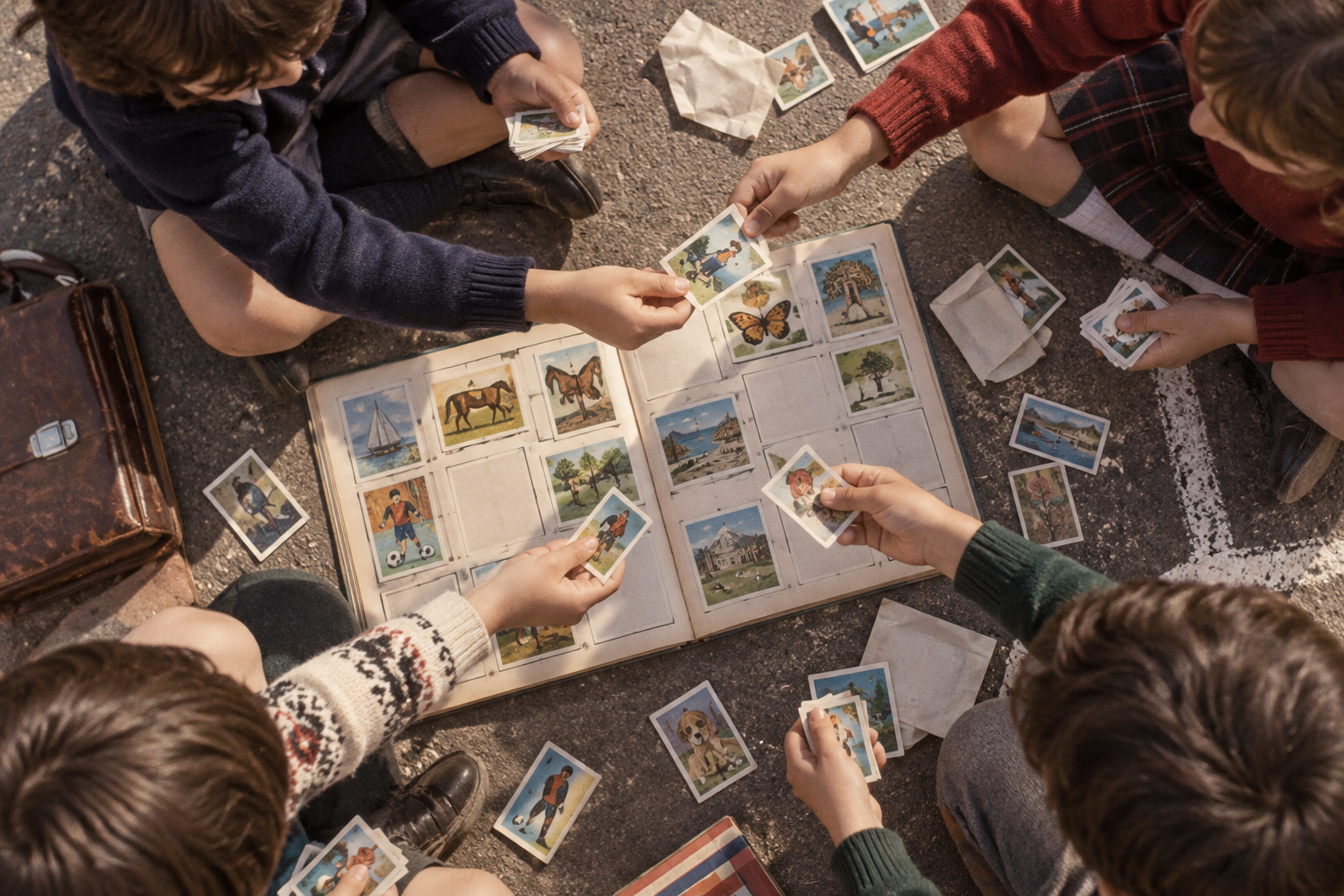
Stickers do not automatically have to become institutional heritage to deserve documentary attention. Drawing on Modena’s Museo della Figurina and basic principles of inventory, conservation and museum context, this analysis treats the album as a cultural source: a set of printed objects, themes, uses and memories in which the information matters as much as each item.

Open story