Exterior cleaning
Begin with the least invasive intervention and document the initial condition.
Careful conservation, documented diagnosis and reversible modifications.
CRT televisions and power supplies can retain lethal voltages even when unplugged. Electrical work must be performed by trained personnel.
Begin with the least invasive intervention and document the initial condition.
Do not replace components without measuring, verifying and recording the reason.
Control humidity, sunlight, batteries and incompatible materials.
Always retain the original parts and avoid permanent damage.
Work from copies and preserve the original medium without writing to it.
Record tools, products, parts and every technical decision.
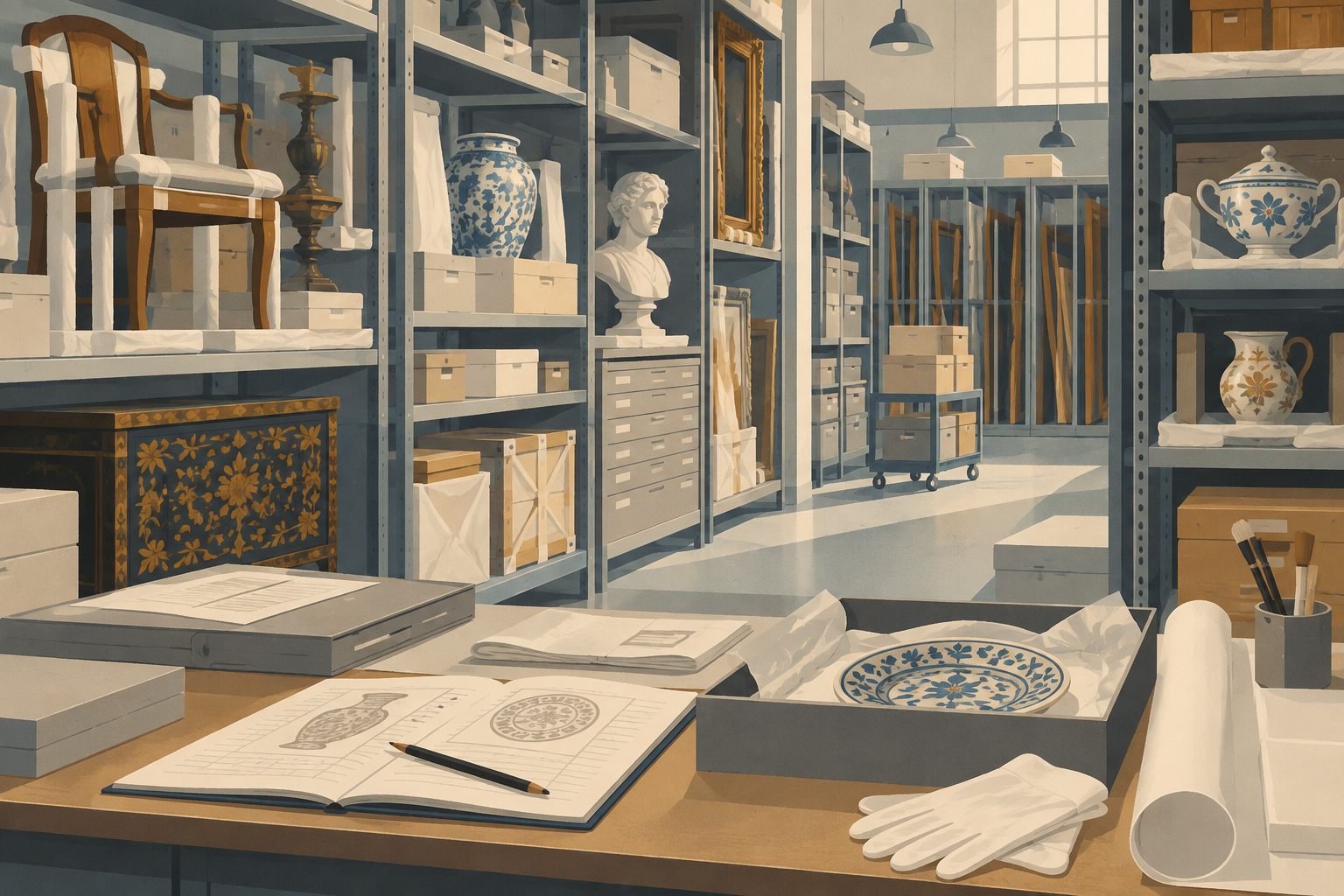
Preserving decorative arts is not limited to repairing objects. Documentation, safe access and organised storage also help protect both their physical condition and the information they convey.
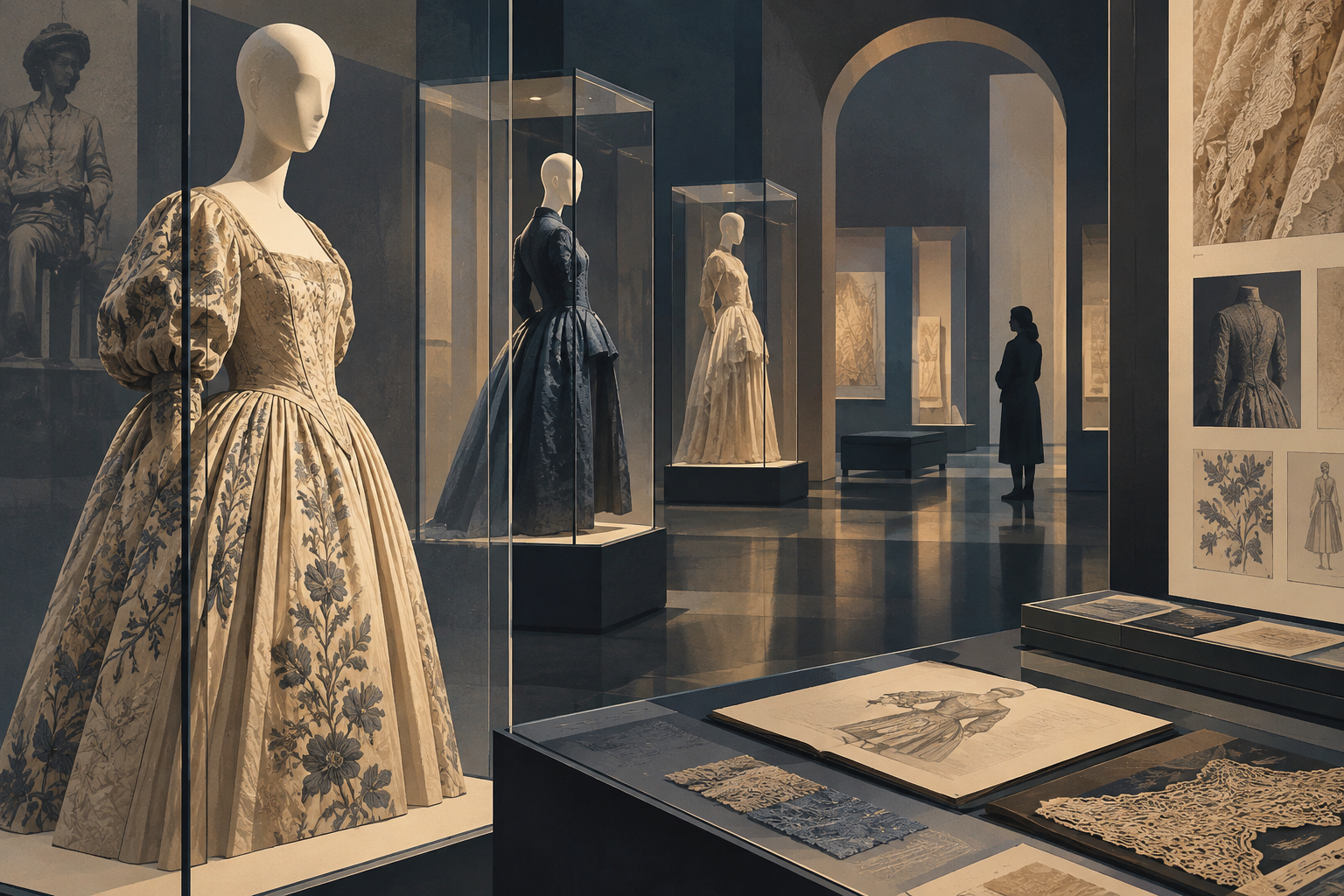
Open storyFashion’s presence in museums is not simply about displaying beautiful or recognisable garments. Decisions about conservation, documentation, rotation and installation determine which stories can be told and which remain outside the case.
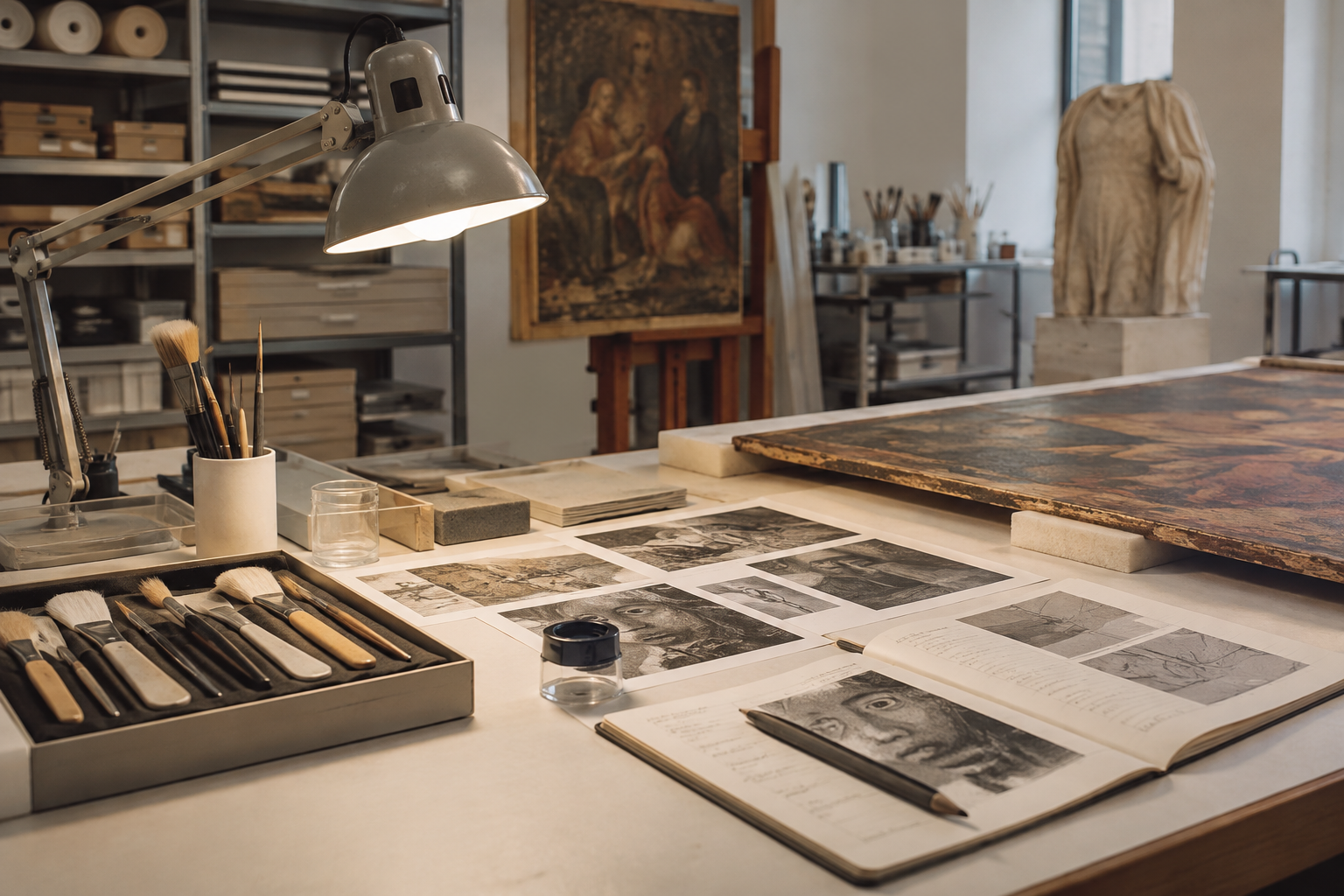
Open storySystematic intervention records changed how restoration is understood: they preserve not only an artwork, but also the verifiable memory of what was done to it.
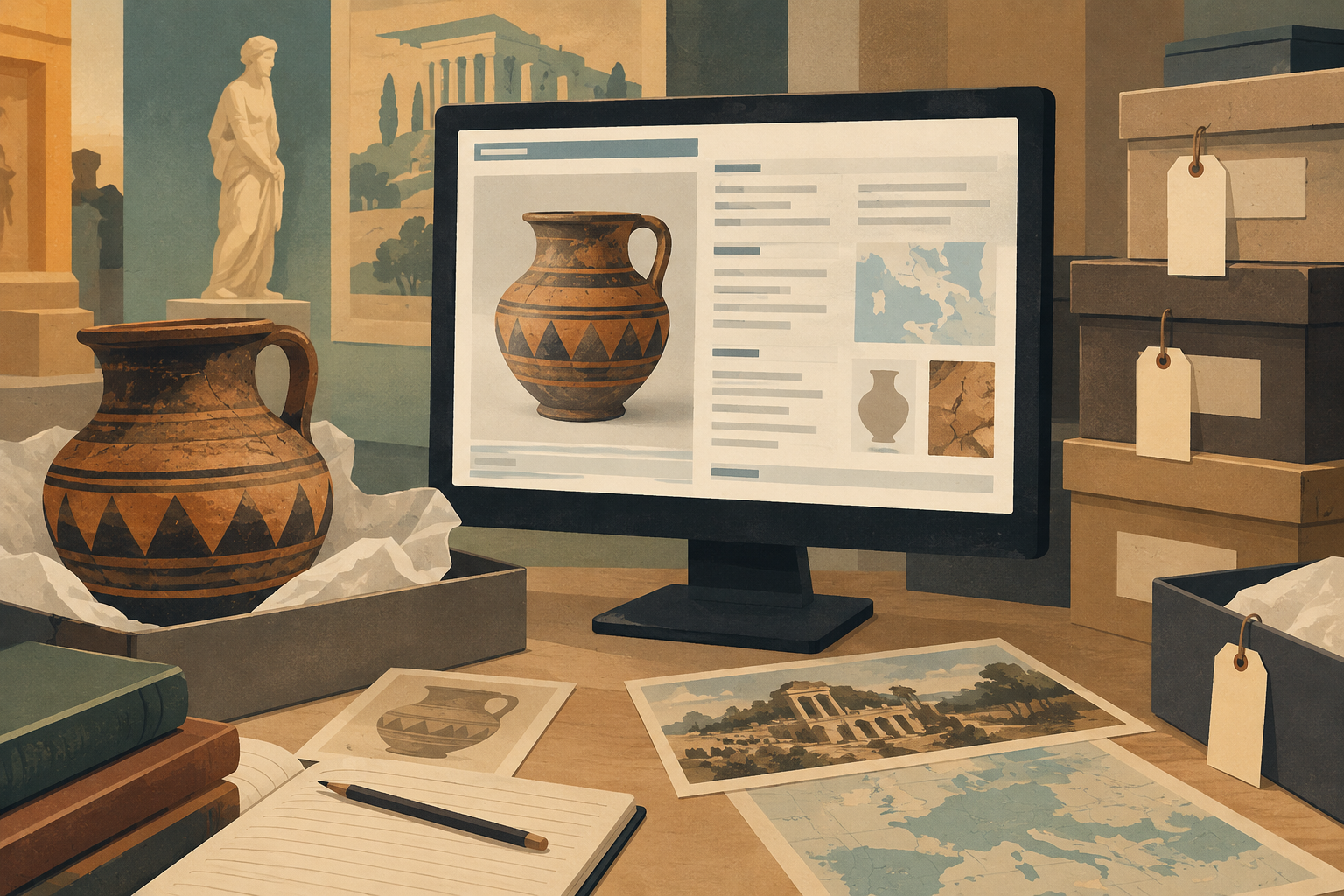
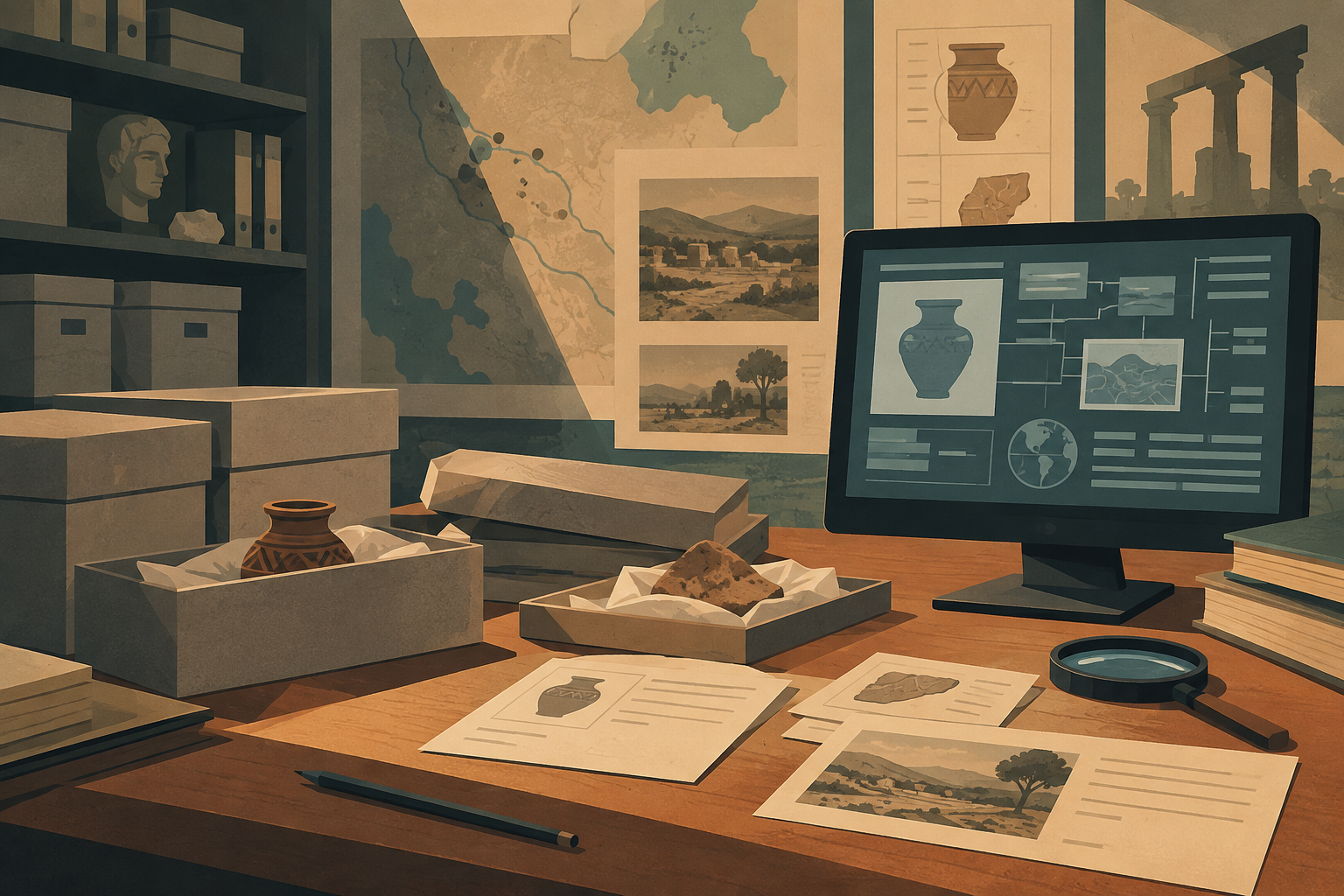
Open storyMuseum computing can structure records, images, movements and conservation reports. Yet the consulted sources stress a decisive limit: without contextual documentation, an object is reduced to an isolated item.
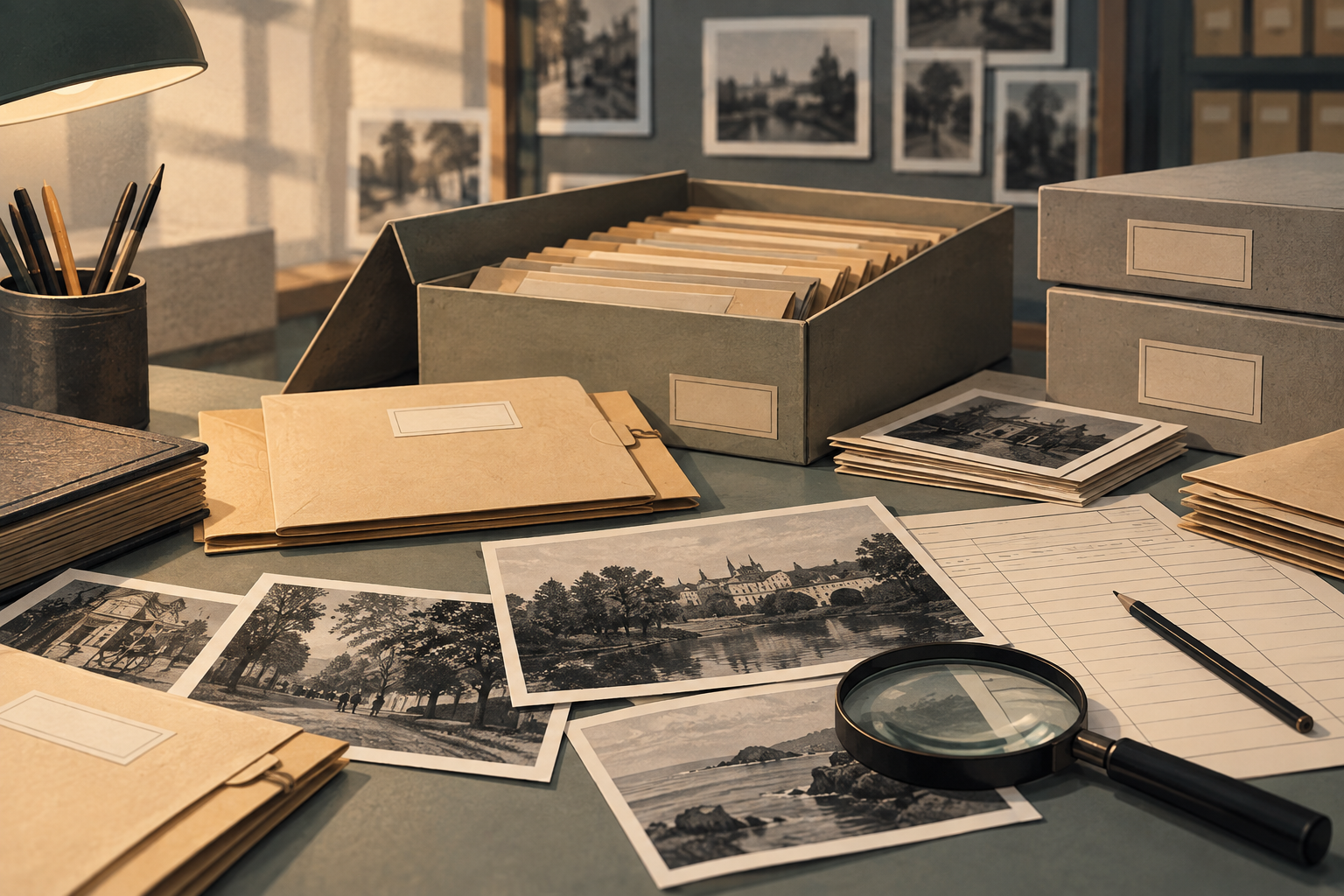
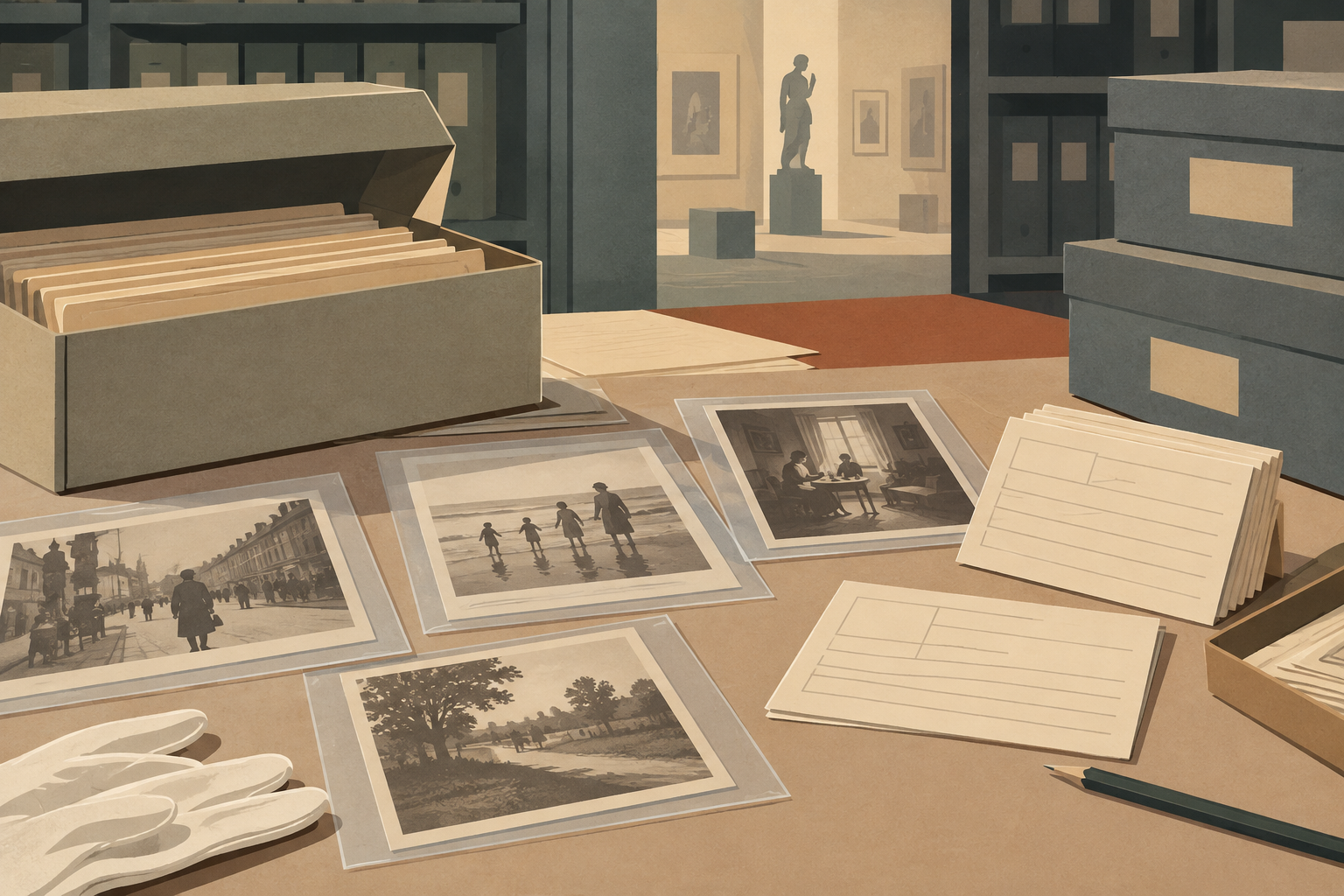
Open storyA guide to viewing historical photographs as documents connected to the people and institutions that produced, preserved, and described them. The Museo Archivo de la Fotografía in Mexico City helps place that idea within institutional management, cataloguing, and digitisation.
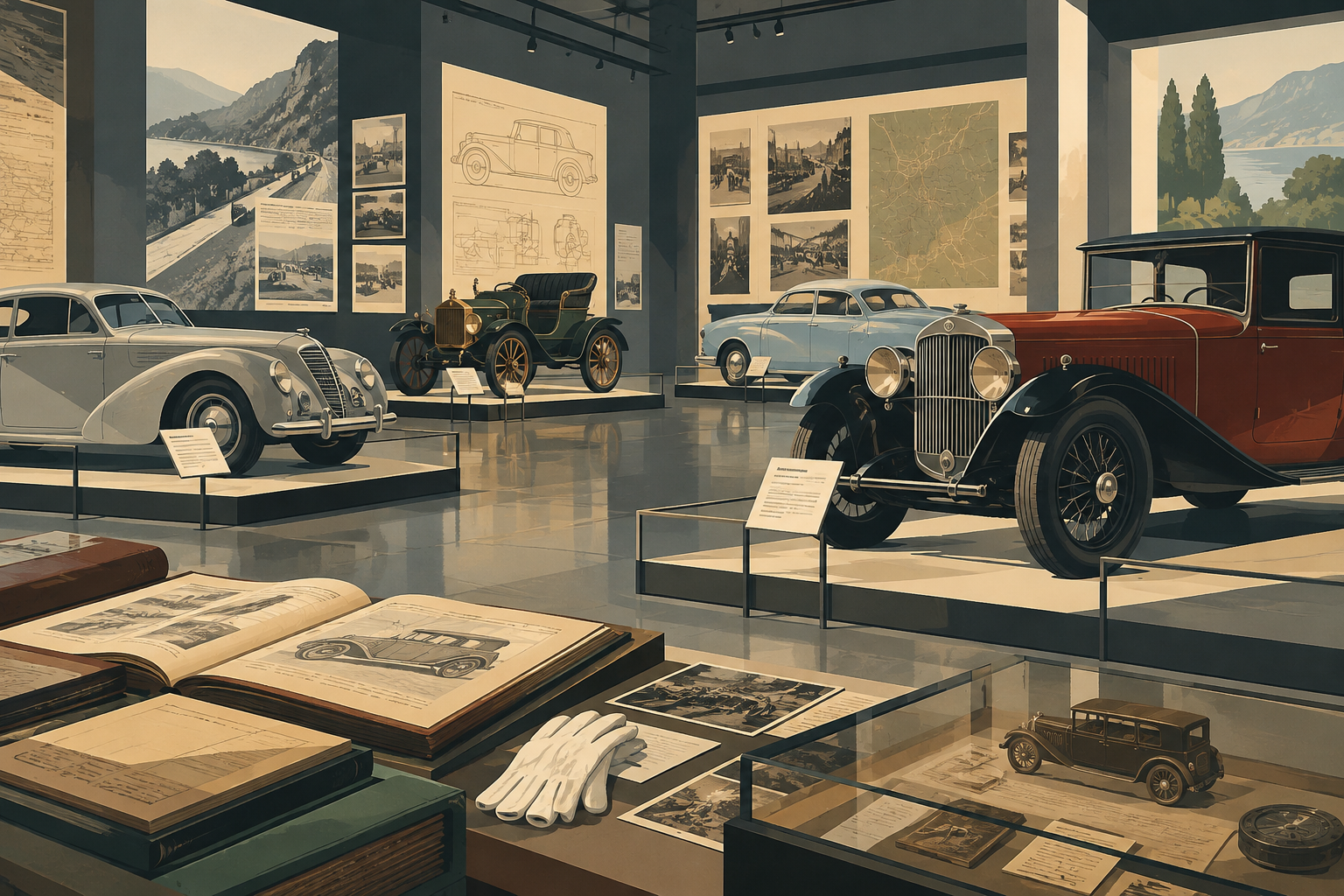
Open storyA reading of automotive preservation as a cultural practice: vehicles, engines, chassis and manuals, together with their social contexts, explain far more than technical evolution.
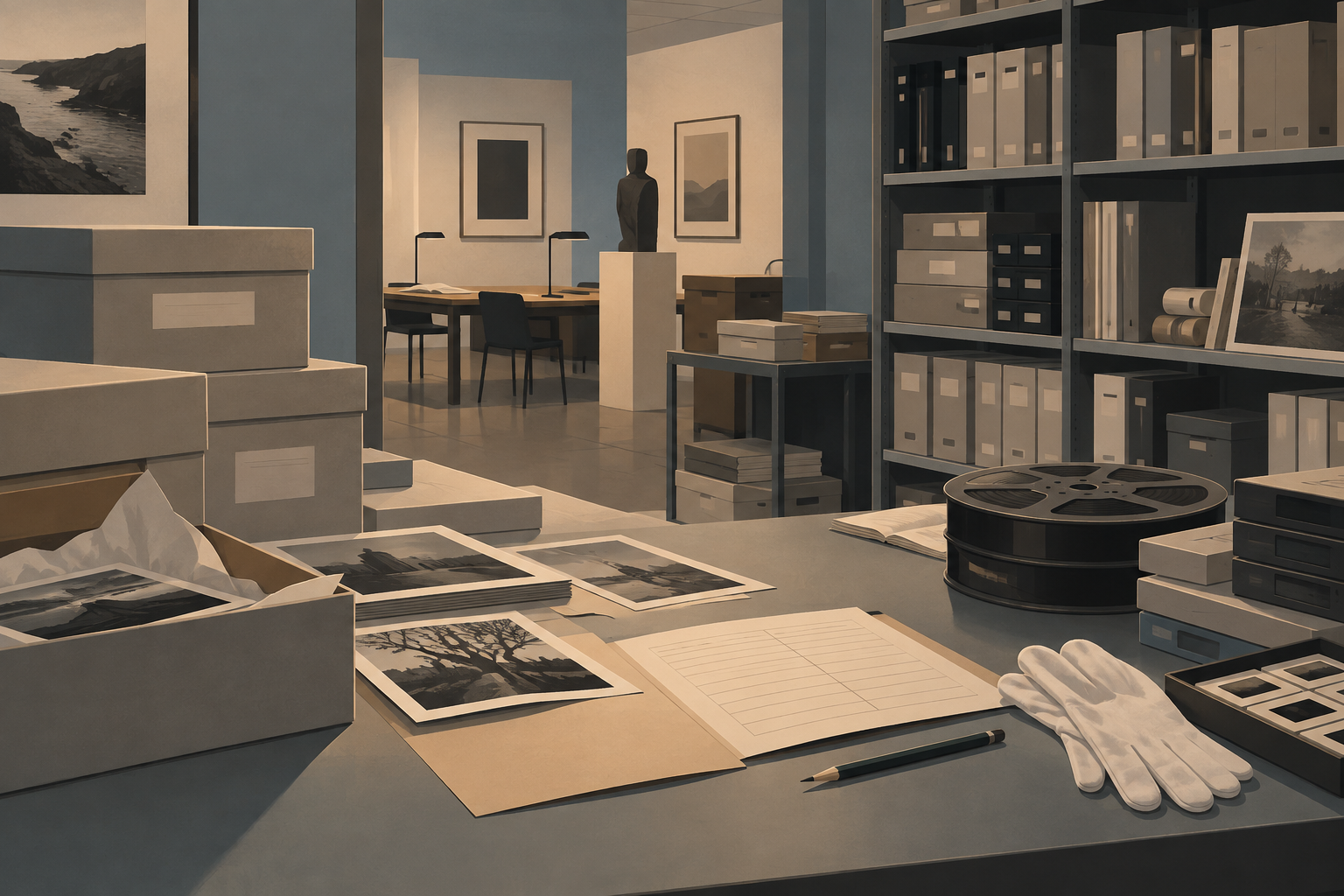
Open storyMuseum archives show that conservation is not simply about storing objects. Drawing on institutional cases and resources from Spain and Latin America, this article examines how documents, photographs, moving images and electronic technologies support research, access and cultural memory.
Open storyBetween 1970 and 2009, restoration in Spanish museums can be read as a shift from poorly documented interventions towards coordinated projects combining historical research, conservation, the recovery of interiors and renewed museum displays. The Prado, Museo Cerralbo, MAN and National Library make it possible to trace that change without reducing it to a merely technical timeline.
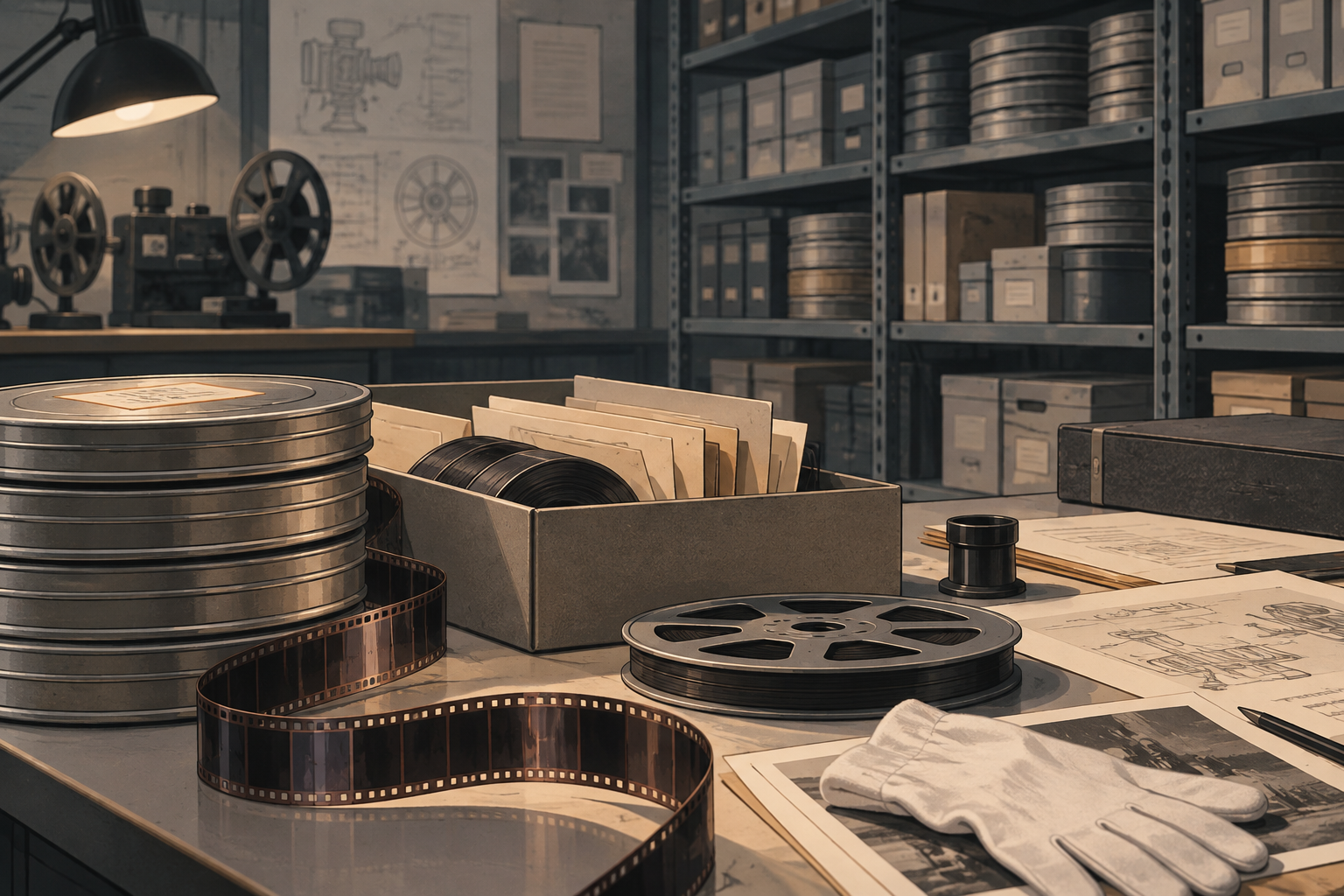
Open storyThe planned new Film Museum in the former NO-DO building offers a way to reconsider what preserving film heritage means: not merely safeguarding copies, but also caring for media, documentation, cultural uses and the conditions of access that make audiovisual history intelligible.
Open storyTechnology can broaden access to collections, support their documentation and reduce handling of some originals. Yet an isolated image or record does not, by itself, preserve an object’s history. This analysis explains why inventories, identifiers and contextual metadata are essential parts of cultural preservation.
Open storyMuseum archives are not merely administrative back-up. Institutional records, photographs, and collections linked to communities make it possible to study how the memory of everyday life is constructed, preserved, and interpreted—provided their limits and production contexts are taken into account.
Open storyThe institutional evidence available shows that conservation and restoration are not limited to repairing objects: they depend on reports, inventories, protocols and traceable decisions. A look at the Prado, the MNCN and Spanish public documentation to understand why the record of an intervention becomes part of the object itself.
Open story