Exterior cleaning
Begin with the least invasive intervention and document the initial condition.
Careful conservation, documented diagnosis and reversible modifications.
CRT televisions and power supplies can retain lethal voltages even when unplugged. Electrical work must be performed by trained personnel.
Begin with the least invasive intervention and document the initial condition.
Do not replace components without measuring, verifying and recording the reason.
Control humidity, sunlight, batteries and incompatible materials.
Always retain the original parts and avoid permanent damage.
Work from copies and preserve the original medium without writing to it.
Record tools, products, parts and every technical decision.
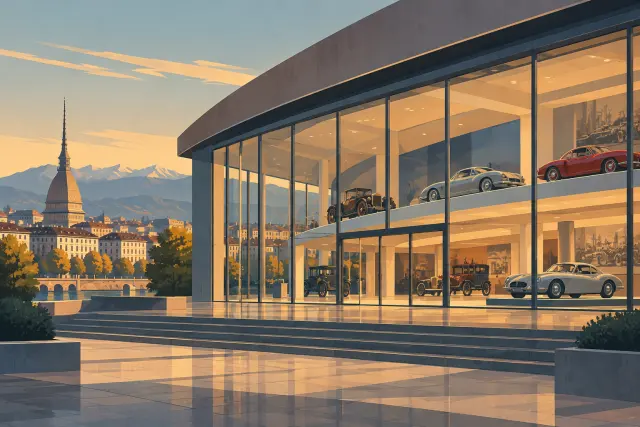
Turin's National Automobile Museum does not merely display cars: it builds its narrative through documents, social contexts and conservation practices that link technology with twentieth-century life.
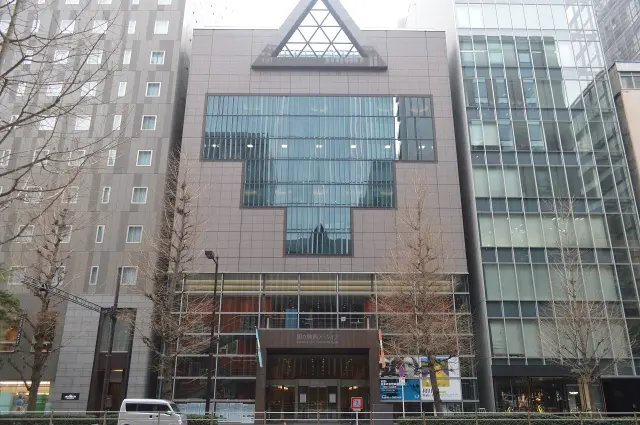
Open storyCels, drawings, and other intermediate materials reveal production decisions hidden by the finished work. The National Film Archive of Japan’s experience shows how preserving them depends on cataloguing and access as well as collaboration with a global intellectual-property industry.
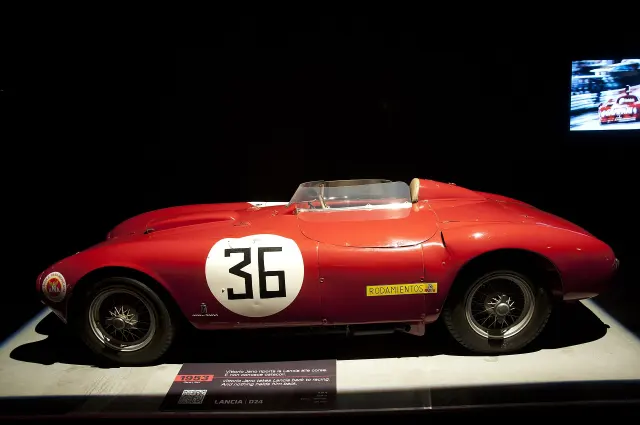
Open storyTurin's MAUTO integrates vehicles, archives and restoration workshops to preserve historical authenticity. Its approach demonstrates that conserving a car depends as much on its material condition as on the documentation that contextualizes its origin and use.
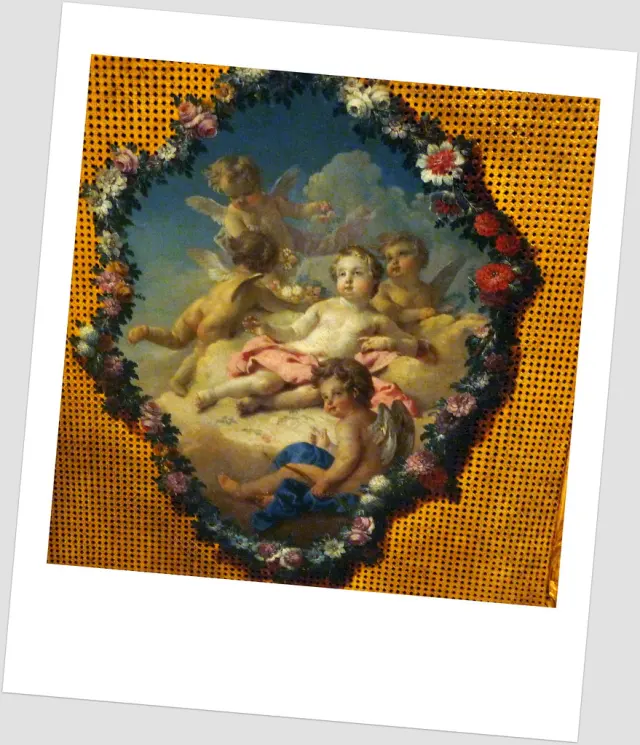
Open storyThe care of decorative arts does not begin or end in the display case. Documentation, access and the ongoing review of objects shape what a museum can show and communicate.
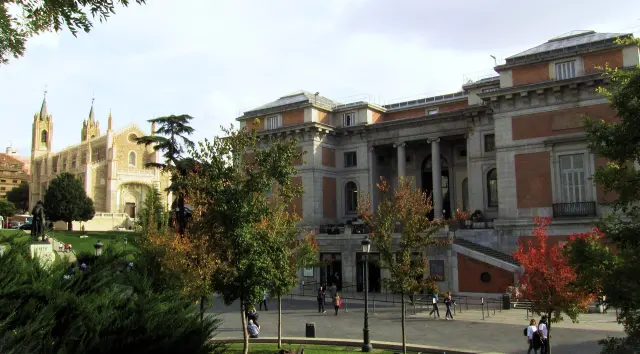
Open storyRecords of work at the Prado, the Cerralbo Museum and the National Archaeological Museum show how documentation and institutional coordination form part of conservation history, although the available sources do not describe the techniques used in detail.
Open storyAnalyzes how ergonomics, lighting, and low-impact materials are integrated into museography to balance the physical protection of objects with their interpretive accessibility.
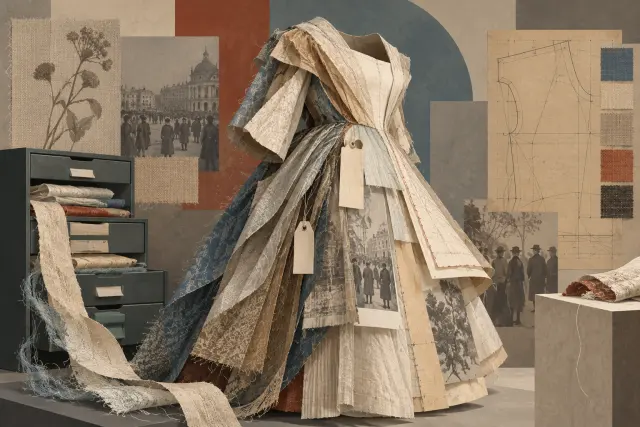
Open storyMuseum garments preserve more than design. Their materials, traces of use and social context make textile conservation an interpretive task as well as a matter of physical care.
Open storyWe analyze how prior documentation and historical context determine the ethics of intervention in heritage, preventing repair from erasing the object's memory.
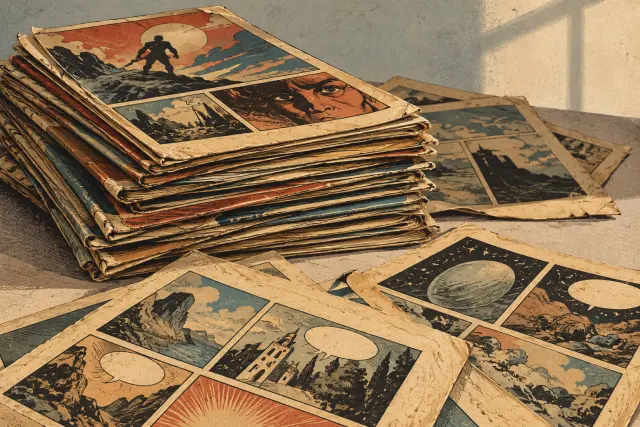
Open storyComics have moved beyond their status as ephemeral products to become recognized cultural heritage. This analysis examines the technical and museum challenges institutions face in preserving originals and archives, highlighting the need for specific criteria for a medium that combines art, history, and a delicate physical support.
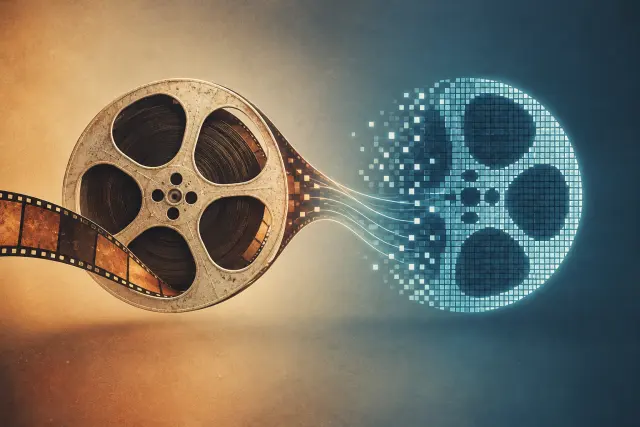
Open storyDigitalization has not buried physical film but created a productive tension between material preservation and mass access, redefining the role of film archives.
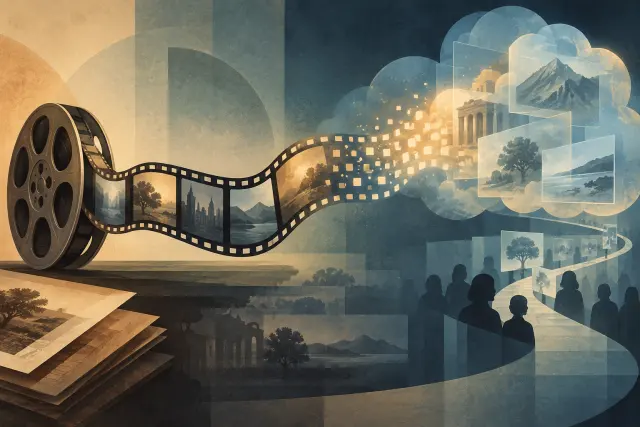
Open storyFilm preservation brings together two distinct tasks: conserving the materials and keeping films accessible within their social context. Digitization can widen access, but it does not replace physical conservation or, by itself, solve questions of continuity and cultural meaning.
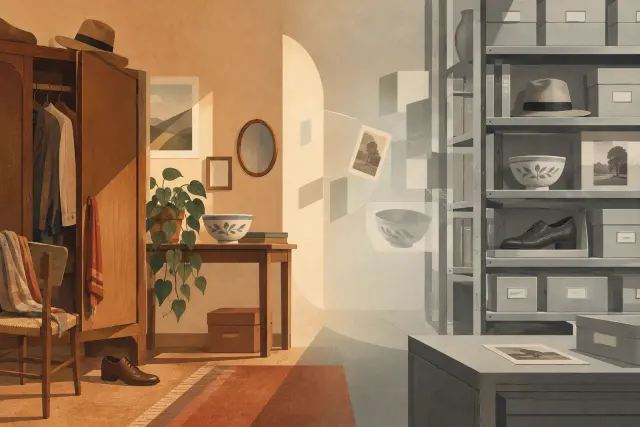
Open storyAnalyzes how institutions like the NMAH and the Osorno Museum transform everyday objects into heritage, expanding the concept of the archive to include human experience and domestic cultural resistance.
Open story