Exterior cleaning
Begin with the least invasive intervention and document the initial condition.
Careful conservation, documented diagnosis and reversible modifications.
CRT televisions and power supplies can retain lethal voltages even when unplugged. Electrical work must be performed by trained personnel.
Begin with the least invasive intervention and document the initial condition.
Do not replace components without measuring, verifying and recording the reason.
Control humidity, sunlight, batteries and incompatible materials.
Always retain the original parts and avoid permanent damage.
Work from copies and preserve the original medium without writing to it.
Record tools, products, parts and every technical decision.
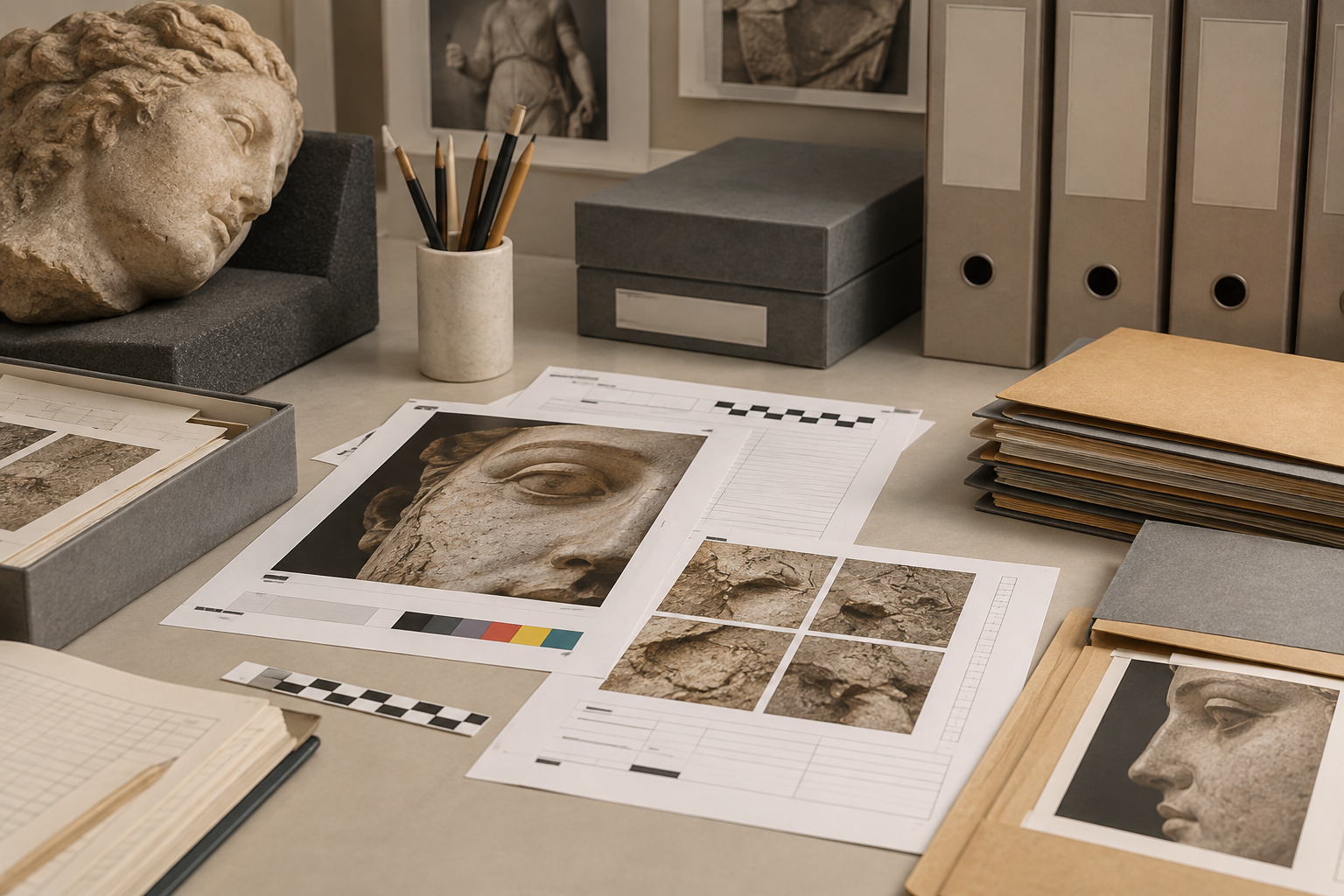
Between 1969 and 2009, museum restoration in Spain can also be read as a transformation in its records: from practices with limited documentation to projects in which research, photographs, reports and follow-up became part of the work. The Prado, the MAN, the National Library and the Cerralbo Museum help place that change without turning it into a linear or universal history.
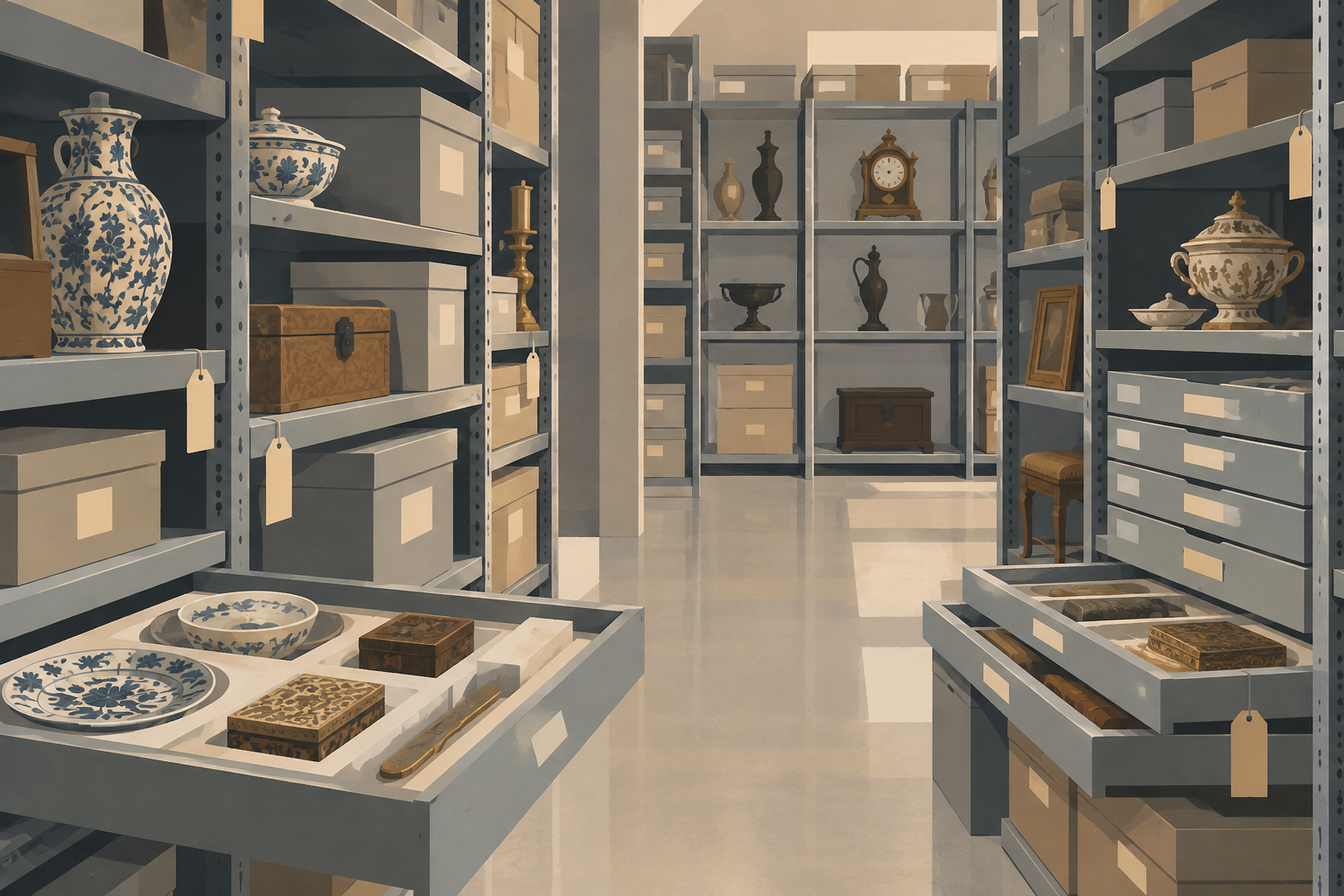
Open storyA reading guide to preventive conservation and documentation in the decorative arts: why preserving an object means protecting not only its material but also its history, condition and relationship to a collection.
Open storyComics and magazines cease to be ephemeral materials when an institution, collection or digitisation project contextualises, describes and preserves them. Drawing on sources about the Museu del Còmic i la Il·lustració, public archives and digital-preservation studies, this article examines what can be verified about that transition.
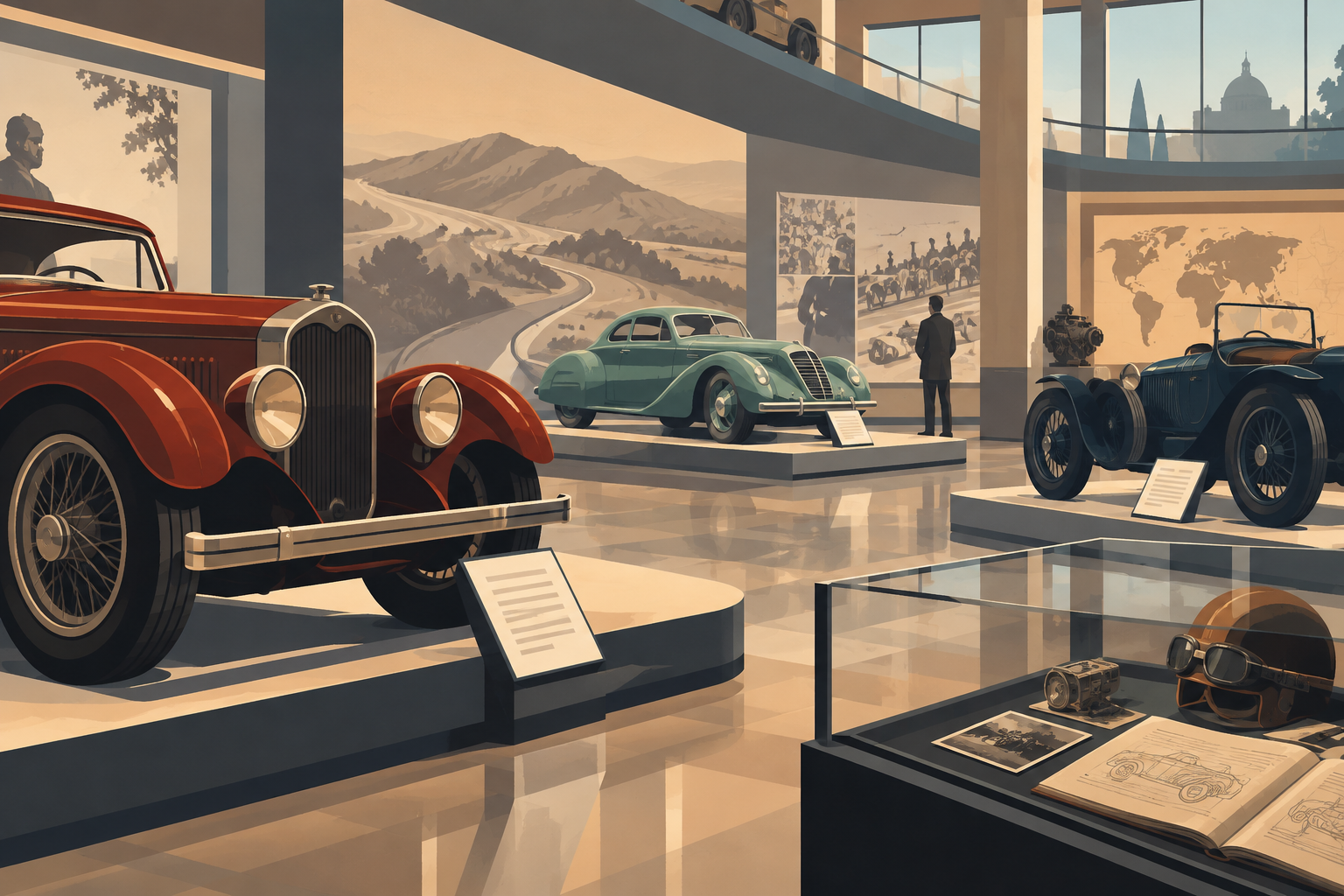
Open storyMotor museums do more than assemble cars and motorcycles: they preserve technical objects, archives and contexts that allow vehicles to be read as industrial, social and cultural heritage.
Open storyThe Museo Cerralbo recovery project shows that restoring a house museum is not merely a matter of repairing objects: it also means interpreting spaces, uses and historical ways of displaying a collection. This analysis separates documented facts from the questions that remain open.
Open storyThe announcement of a Film Museum in the former NO-DO building opens a discussion that goes beyond displaying objects: how to preserve, contextualise and make audiovisual heritage accessible when its material form and historical meaning cannot be separated.
Open storyBetween 1944 and 2009, several documented interventions affected room decoration and other spaces at Madrid’s National Museum of Romanticism. This feature examines what can be stated about those phases and why historic decoration must be read through the building, display, and documentation together.
Open storyA fashion collection is not merely an assemblage of beautiful garments: it requires documentation, exhibition limits and a cultural reading. The Museo del Traje preserves almost 30,000 objects, while museum research helps explain why wearing, displaying and preserving are inseparable decisions.
Open storyWinWorld and Virtual OS Museum illustrate two complementary ways to approach historic software: the downloadable library and the environment already prepared for emulation. The comparison also shows the documentary, technical and rights-related limits surrounding access to old software.
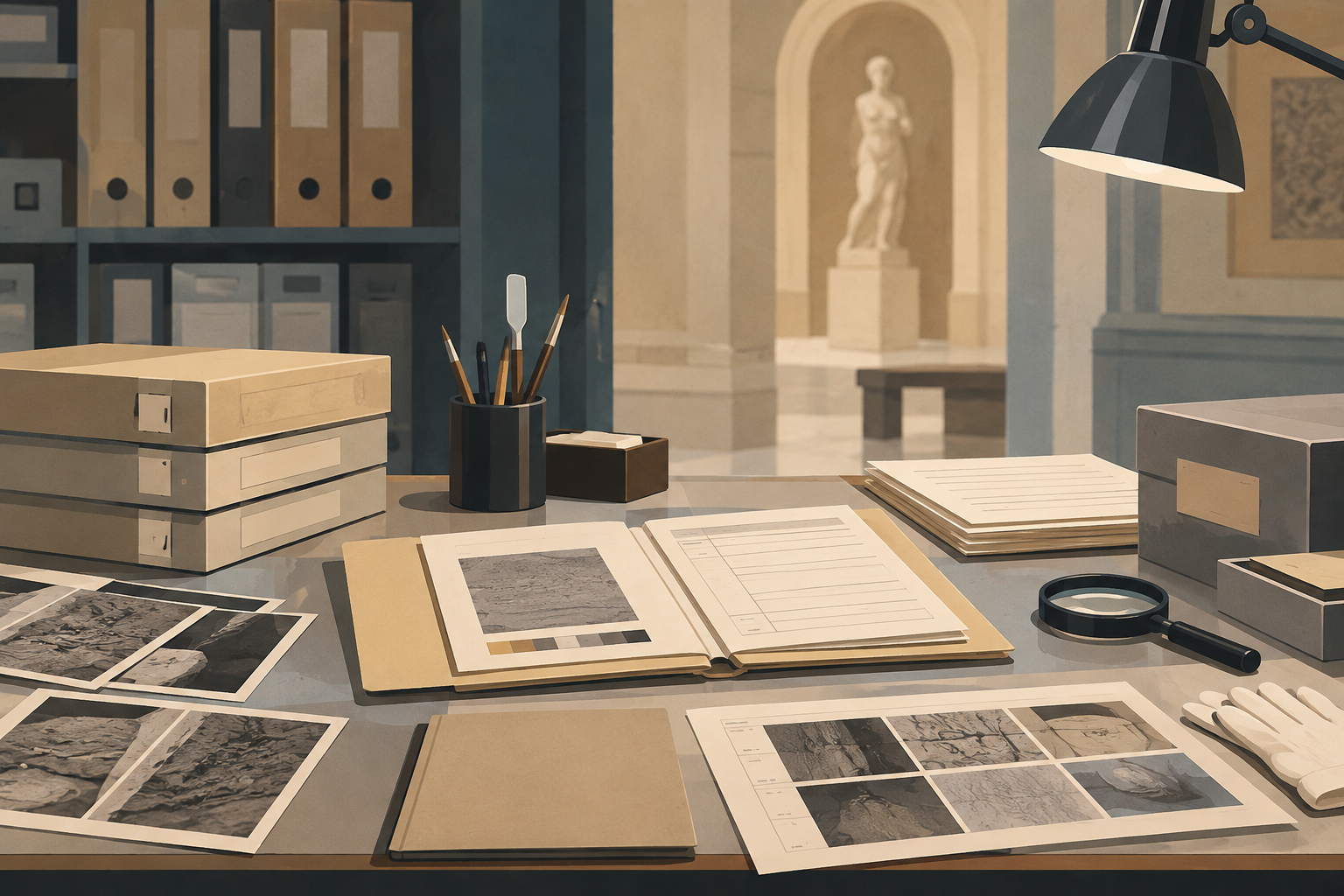
Open storyArchives, reports and protocols make restoration a verifiable and transferable practice. Spanish institutions show how documentation, minimum intervention and preventive conservation support heritage care.
Open storyThe Museo Cerralbo project offers a way to examine restoration as the recovery of a historic interior rather than work on isolated objects alone. Documentation, coordination among trades, and the sequence of work from 2002 to 2009 show why conservation also means deciding which material and museographic evidence should remain legible.
Open storyTurin’s National Automobile Museum presents vehicles, engines and chassis as evidence of innovation, fashion, science and social change. This profile examines what the available information supports about its origins, historic collection and conservation approach.
Open story