Exterior cleaning
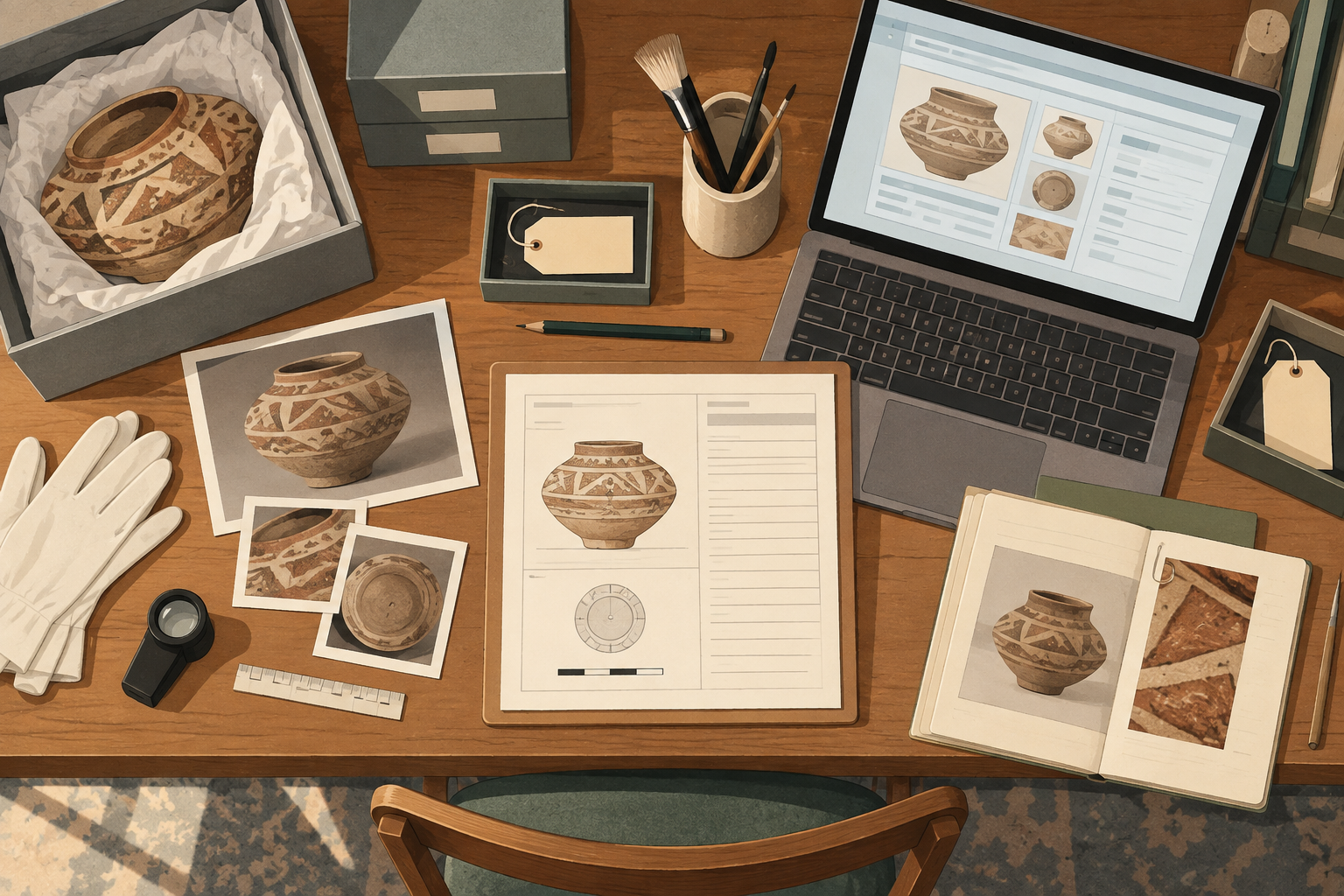
Begin with the least invasive intervention and document the initial condition.
Careful conservation, documented diagnosis and reversible modifications.
CRT televisions and power supplies can retain lethal voltages even when unplugged. Electrical work must be performed by trained personnel.
Begin with the least invasive intervention and document the initial condition.
Do not replace components without measuring, verifying and recording the reason.
Control humidity, sunlight, batteries and incompatible materials.
Always retain the original parts and avoid permanent damage.
Work from copies and preserve the original medium without writing to it.
Record tools, products, parts and every technical decision.
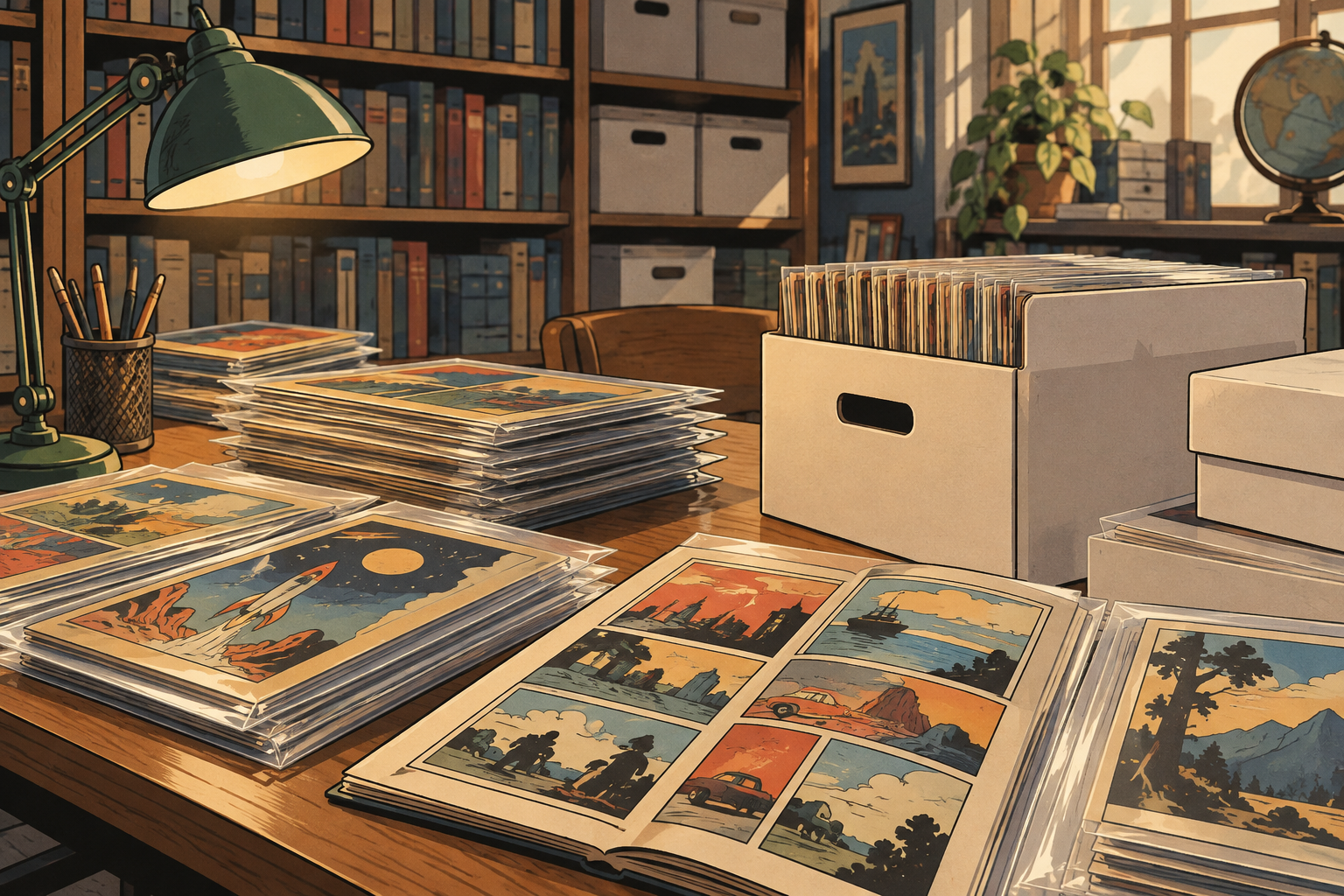
Comics and comic magazines were created as widely circulated, inexpensive, and vulnerable printed matter. The available documentation shows how archives, museums, digital projects, and collectors have helped reconsider them as cultural sources whose preservation requires context, description, and access—not storage alone.
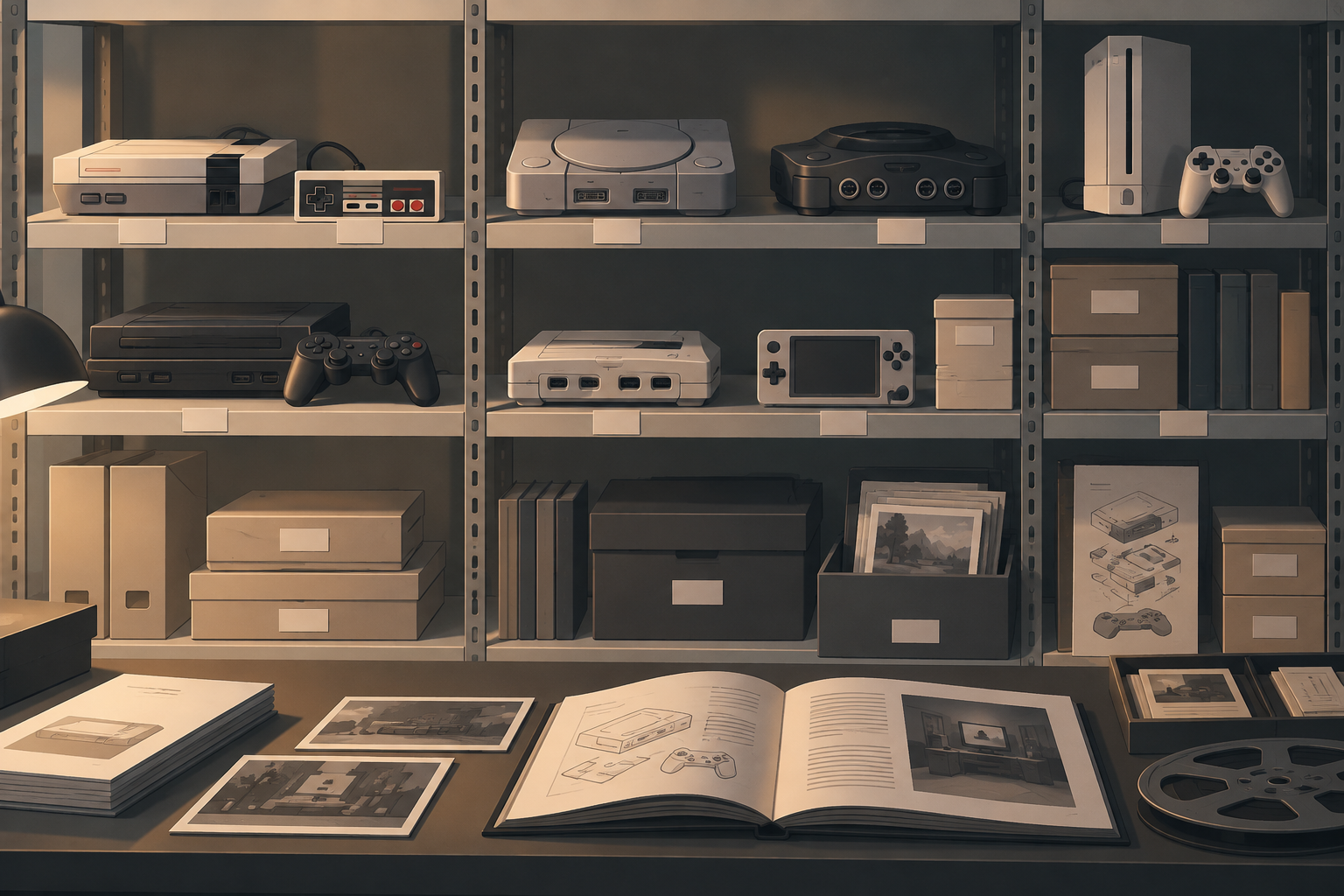
Open storyPreserving a console as an isolated object says little about its cultural life. Drawing on museum and archival principles, this analysis proposes viewing the console, its documentation, context, and public access as an inseparable whole, without assigning a specific model a history not documented by the available evidence.
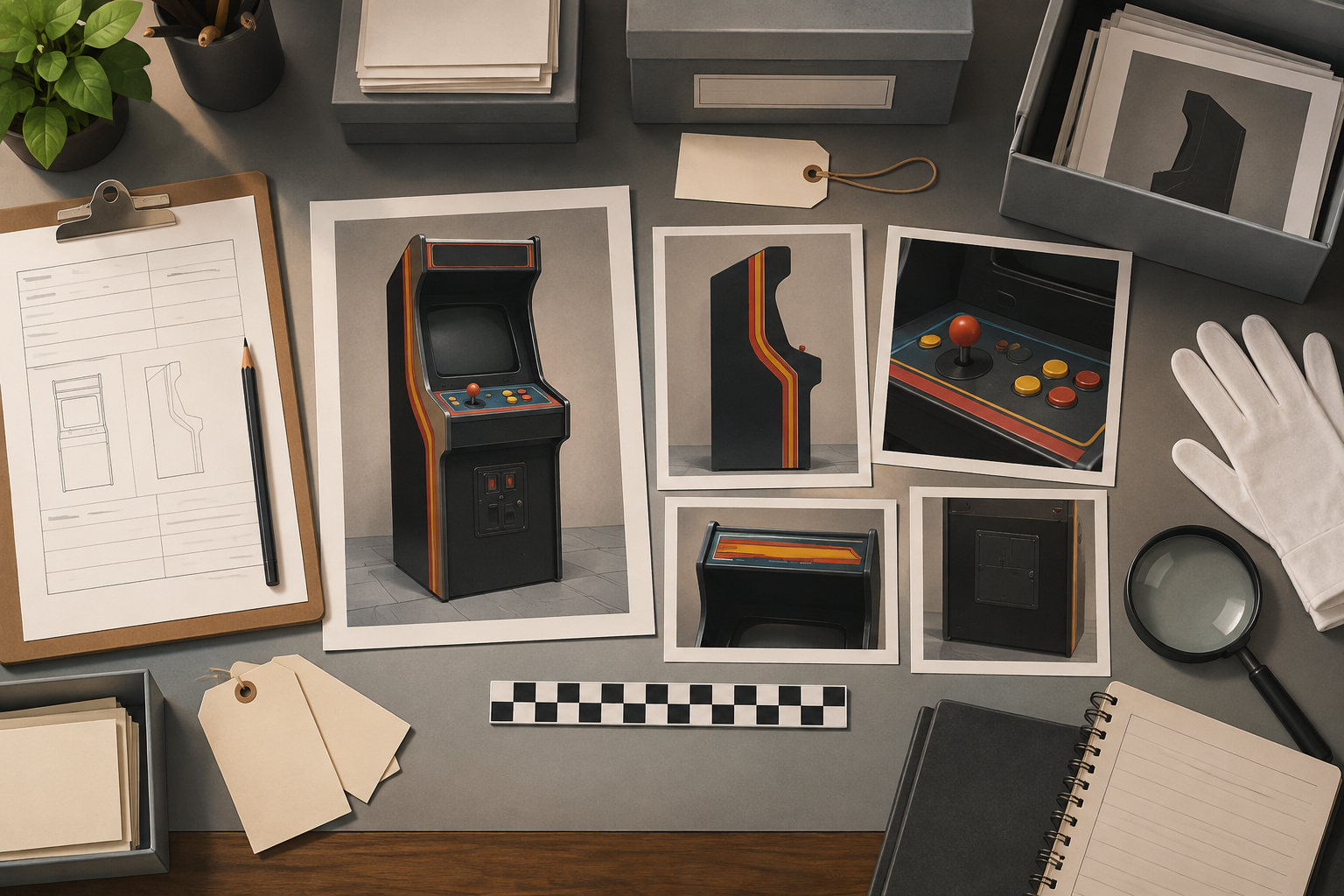
Open storyAn editorial guide to approaching an arcade machine through documentation and preventive conservation: identify what is known, record its condition and context, and separate verifiable data from memories.
Open storyBetween 1970 and 2009, several Spanish institutional examples reveal a decisive shift: restoration ceased to be understood only as an intervention on an object and increasingly required documentation, professional coordination, and a historical reading of spaces.
Open storyA guide to understanding the computer as a museum-documentation tool: not as a replacement for objects, but as a means of linking provenance, conservation condition, images, movements and institutional history.
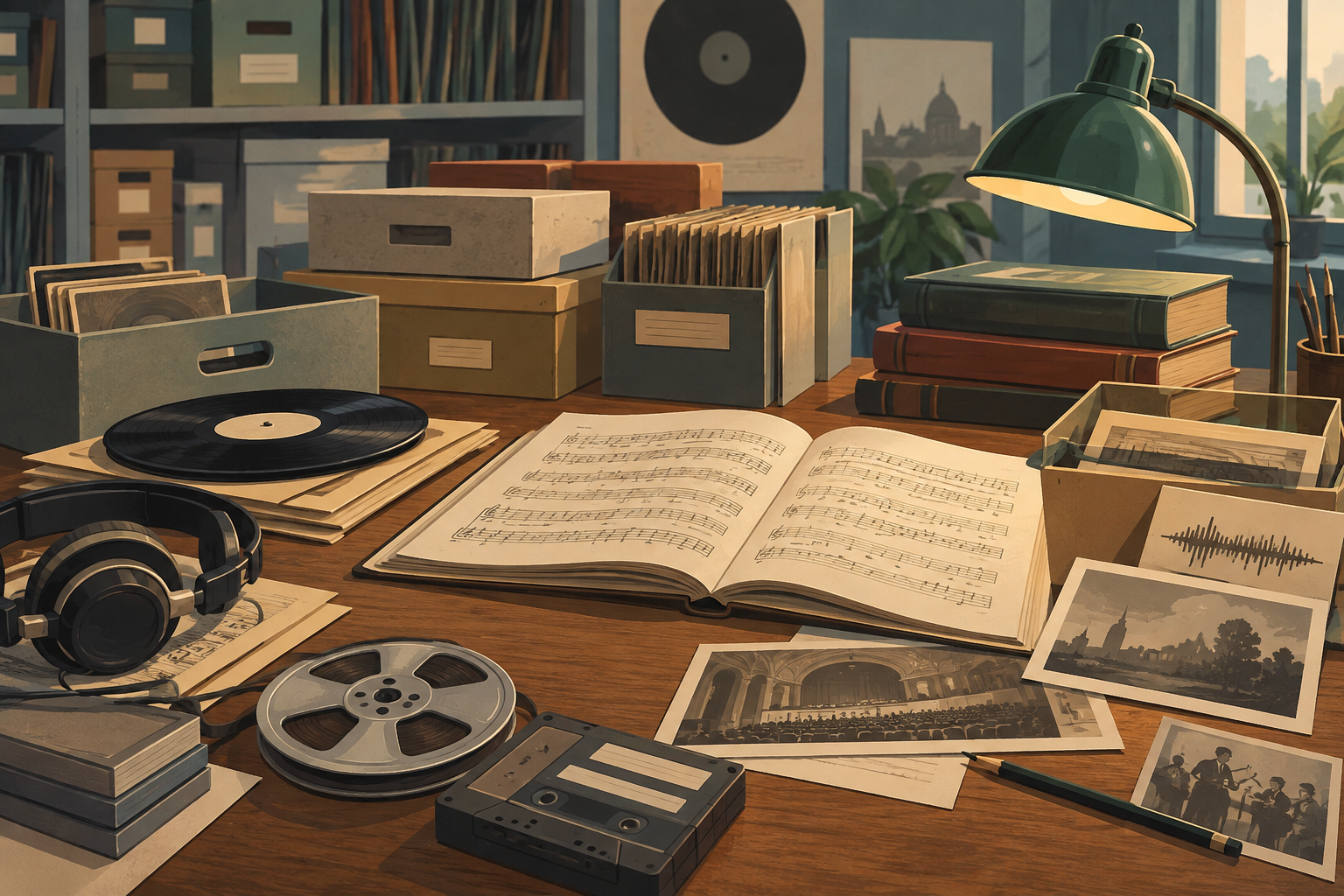
Open storyA reading of musical heritage as a set of documents, practices and social contexts. Preservation requires cataloguing, prioritising, digitising and describing material without reducing music to an isolated carrier.
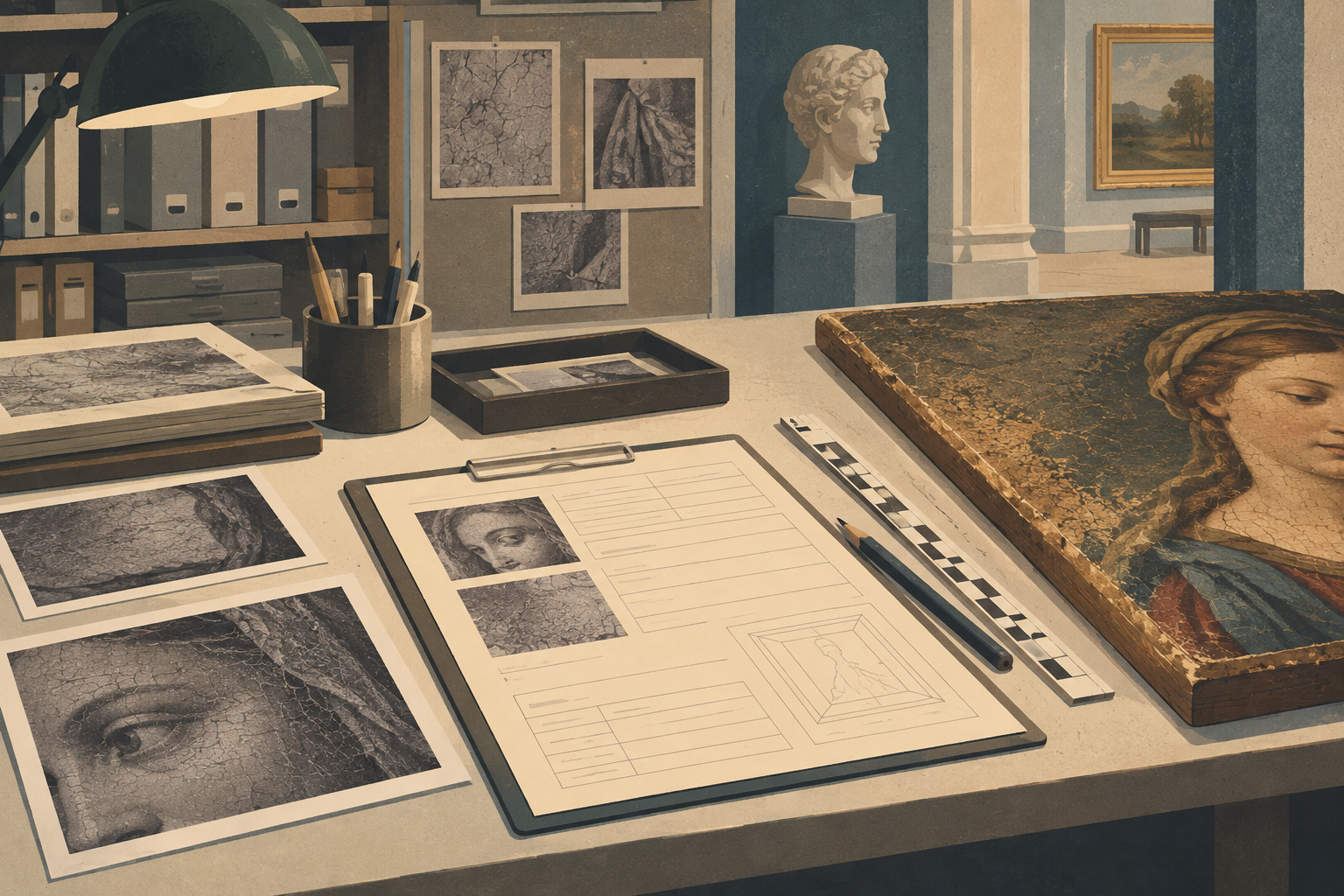
Open storyThe holdings of the Prado, MNCN-CSIC and publications from Spain’s Ministry of Culture point to an essential idea in conservation: restoration is not merely acting upon an object, but leaving a verifiable record of its condition, needs and the decisions made.
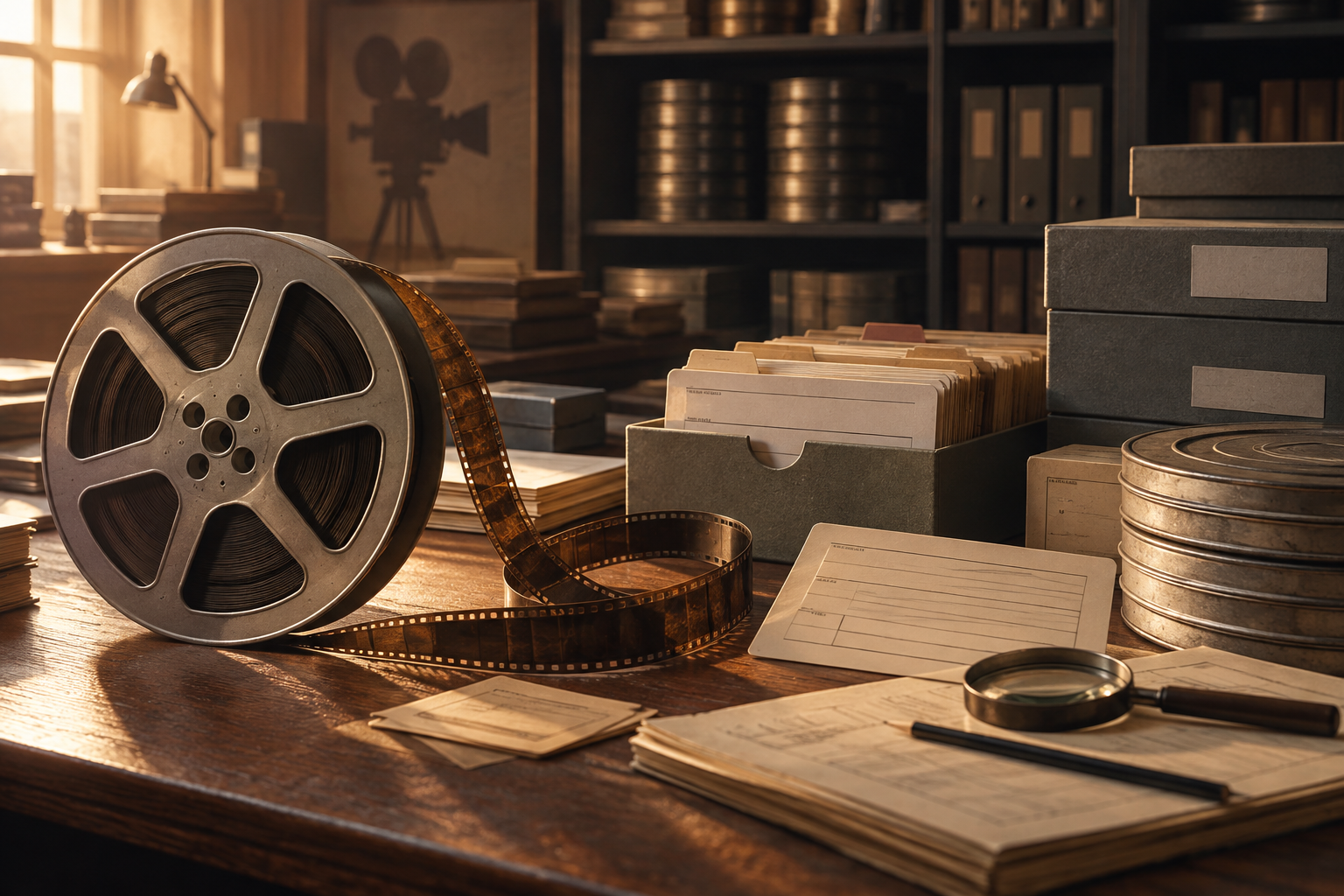
Open storyA contextual guide to why preserving cinema does not simply mean storing films: copies, documents, posters, devices and digital formats form a heritage whose access and dissemination matter too.
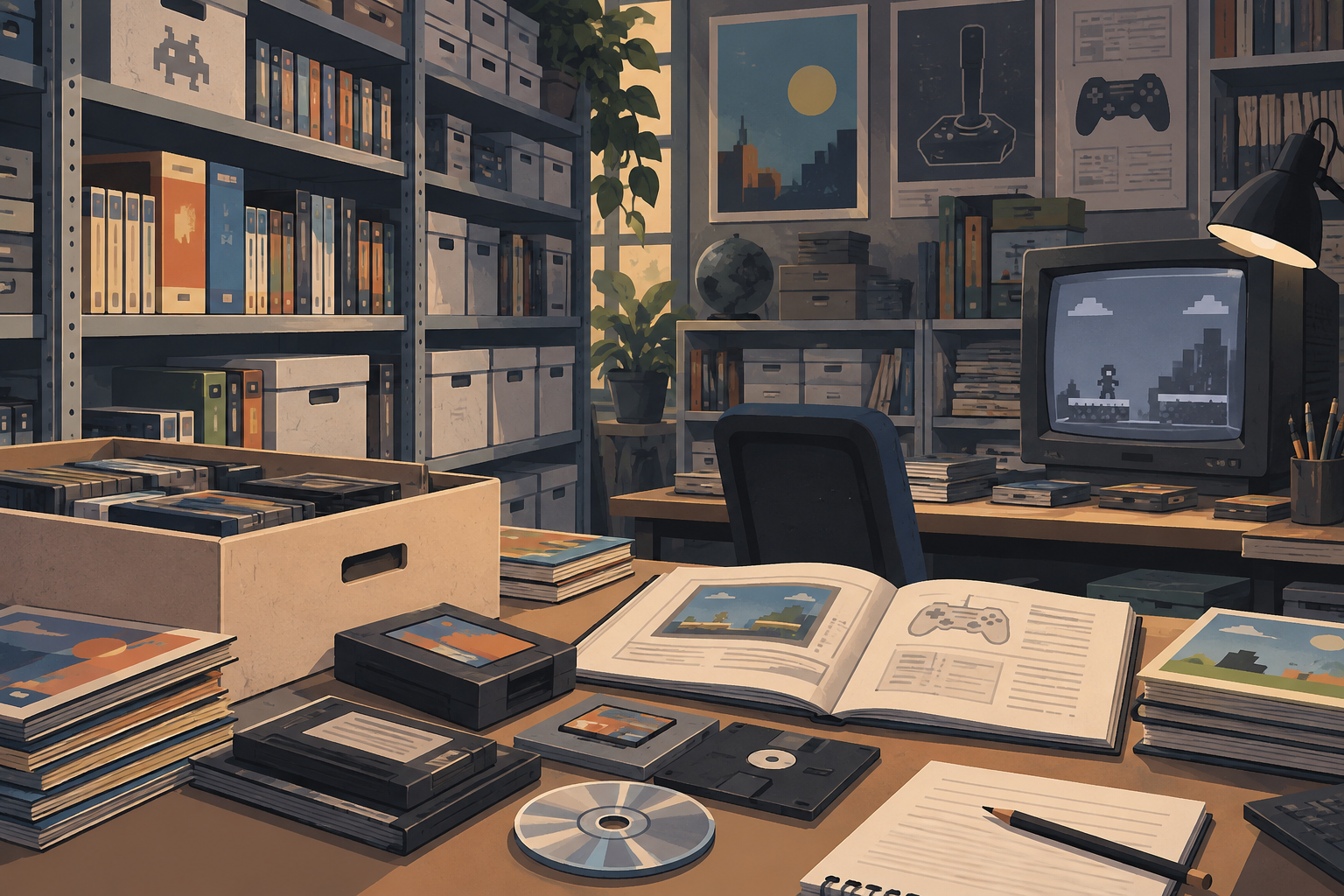
Open storyMuseums, archives and collections show that preserving video-game history requires attention to machines, software, publications, promotional material and the cultural contexts that give them meaning.
Open storyA critical journey through clothing’s move from the historical display case to the museum as a space for contemporary culture. Using documented milestones from 1971 to 1982 and conservation criteria, this article explains what a garment can communicate, why displaying it poses material limits, and which questions remain open.
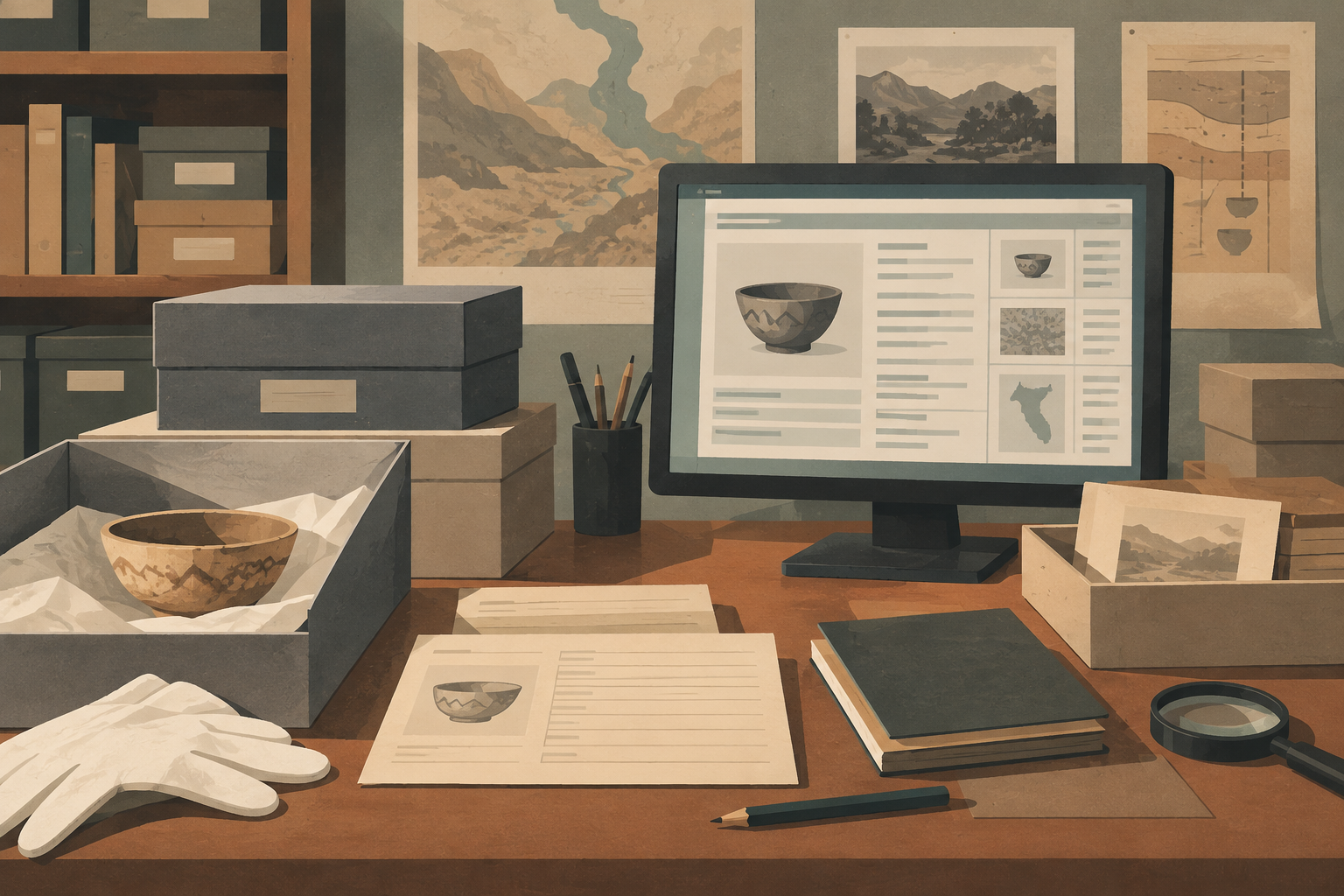
Open storyA digital copy can broaden access to a collection, but it cannot by itself replace the documentation explaining what an object is, where it came from, and how it reached a museum. This editorial guide examines the value of metadata, archives, and digital narratives in preserving technology and material culture without losing meaning.
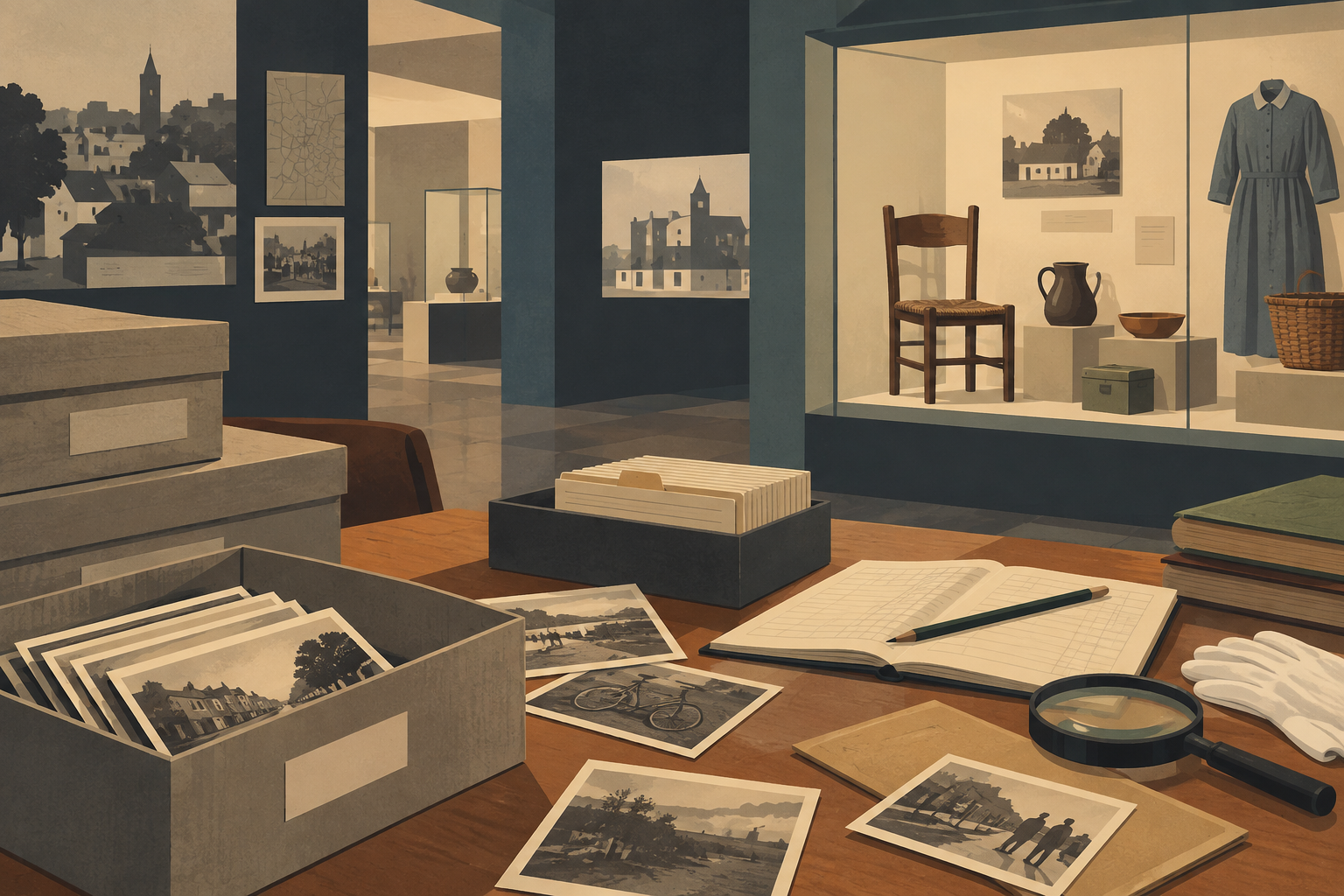
Open storyMuseum archives and collections do not only gather exceptional objects: they also make it possible to study everyday activities, customs, and relationships. Drawing on documented holdings in Spain and Latin America, this article examines what can be stated about that work and its limits.
Open story