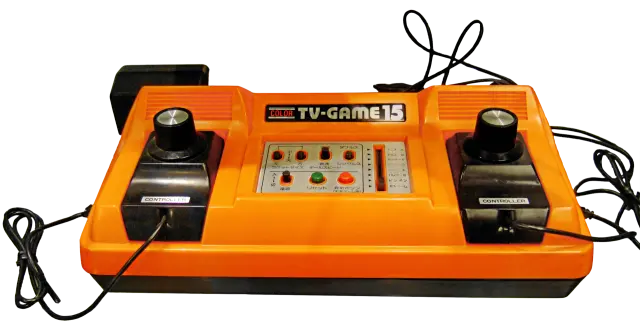
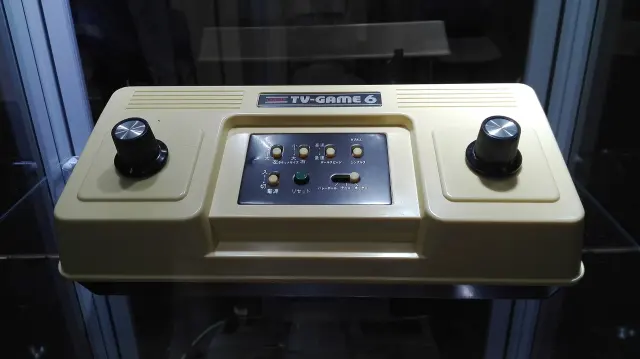
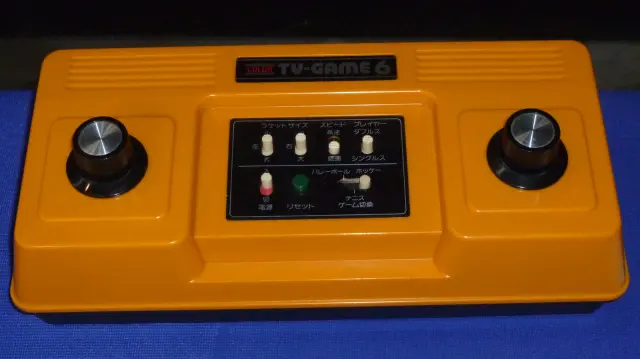
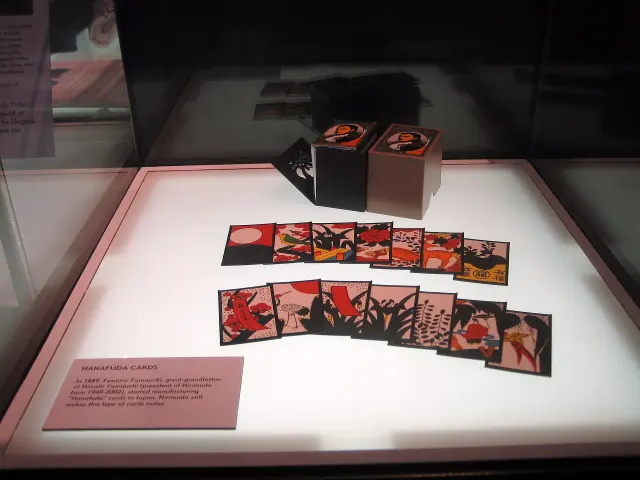
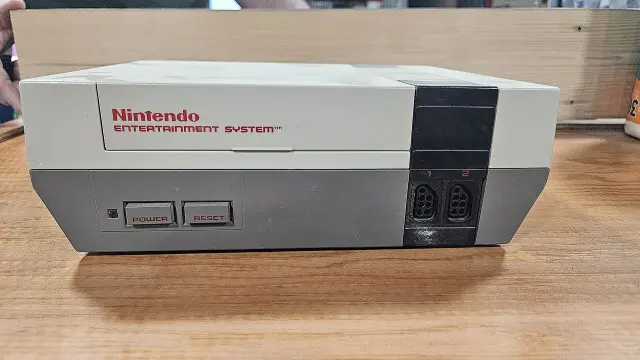
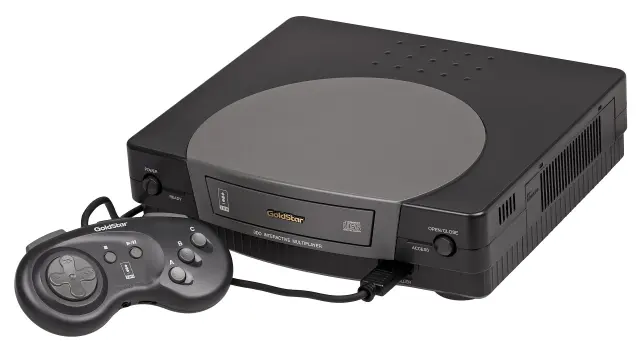
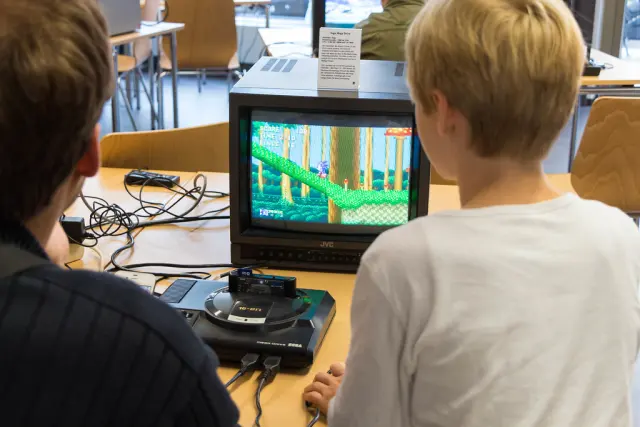
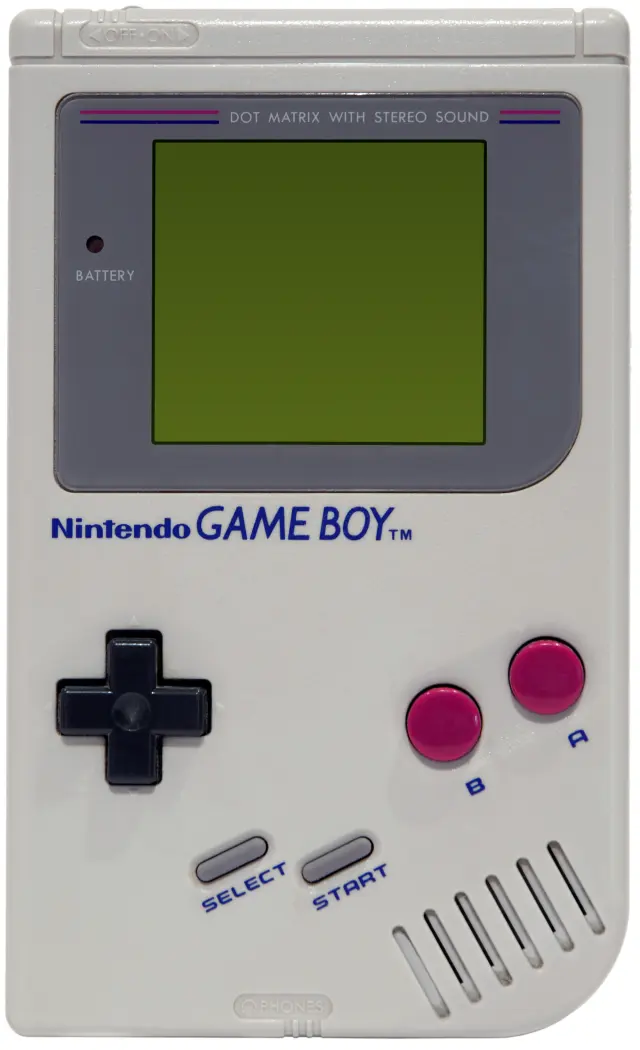
A Japanese entertainment company whose origins date to 1889, when it began producing and selling hanafuda playing cards. In 1977 it distributed its first video game console in Japan, the Color TV-Game 15, and later developed and distributed video game hardware and software.
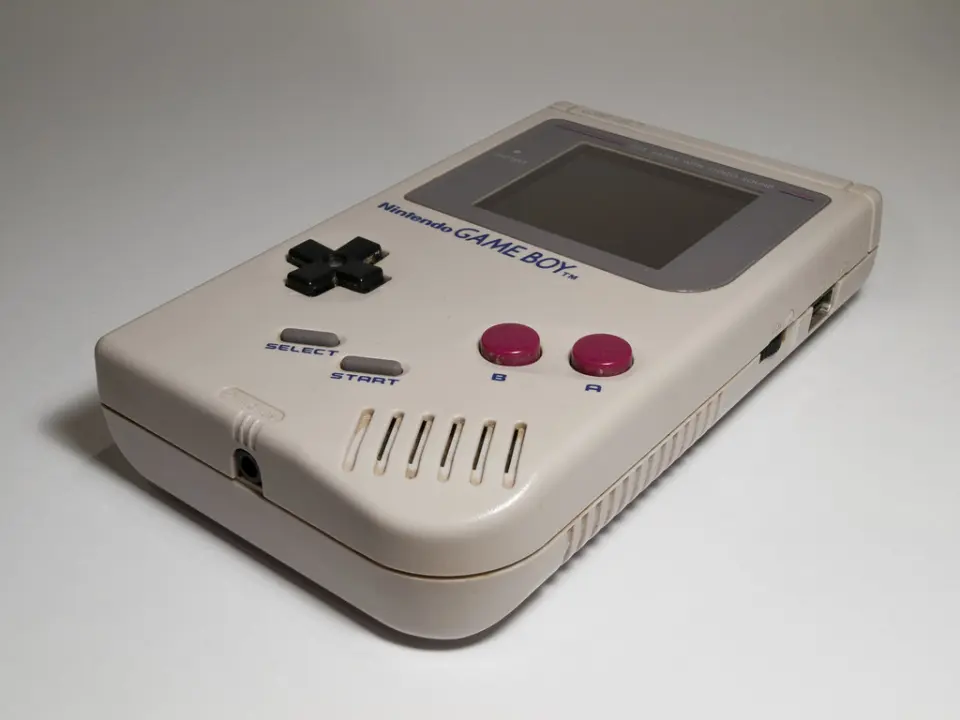
Selected excerpts from our archive offer more context on this subject. Each reading links to the original article and its sources.
Nintendo 64: the 64-bit console Nintendo launched in Japan on 23 June 1996
Nintendo places the Japanese launch of Nintendo 64 on 23 June 1996. In its corporate chronology, it calls the system its first 64-bit video game console and recalls queues of people arriving to buy it. Those facts are enough to locate the machine precisely: not as an abstract idea of “the 1990s generation,” but as a product that reached the Japanese market on a particular day with a technical description that became part of its public identity.
This technical sheet does not turn that label into a complete measure of quality or power. Console generations are commonly arranged by launch dates and available technology, but that framework simplifies very different catalogues, territories, revisions, and user experiences. “64-bit” is used here as Nintendo 64’s historical designation; it cannot, by itself, describe everything the console could do or settle comparisons with every competitor.
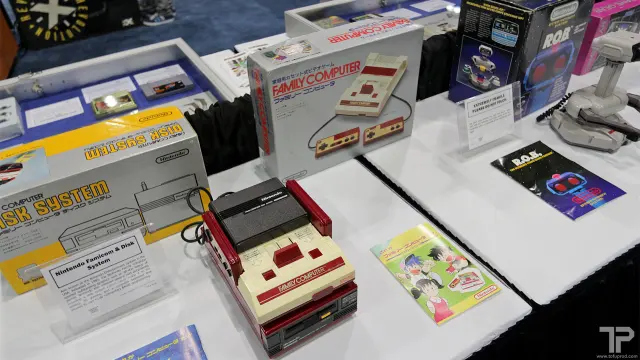
Nintendo’s official material places the machine in a continuity beginning with Family Computer, released in Japan in 1983. That continuity matters because Nintendo 64 was not presented by the company as an isolated object: it belonged to a line of consoles and games Nintendo developed, produced, and sold.
The available documentation also places Nintendo in Kyoto, Japan. The 23 June date should therefore be understood specifically as a Japanese launch. It does not establish a worldwide release date or the precise circumstances of every market. Keeping those levels apart prevents a common retro-memory mistake: treating a regional launch as though it happened everywhere at once.
23 June 1996: Nintendo 64 arrives in Japan
On 23 June 1996, Nintendo launched Nintendo 64 in Japan. Nintendo Spain’s own chronology places the debut on that date and describes queues of thousands of people; it also states that more than 500,000 units were sold on the first day. This is a corporate source and should be read accordingly: it records how Nintendo frames its milestone, rather than independently settling every commercial or cultural question around the machine.
The date matters because it establishes a precise point in a history often reduced to broad labels: “the 64-bit era,” “the 3D generation,” or rivalry between manufacturers. Such phrases can orient readers, but they do not replace attention to the hardware, its media, and the choices that shaped home use.
“Nintendo 64” made a technical number visible in the product name. Nintendo’s official chronology presents it as Nintendo’s first 64-bit video game console. Broader console histories place the machine among the notable systems of the 1990s and connect its library with titles including Super Mario 64, F-Zero X, Perfect Dark, and The Legend of Zelda: Ocarina of Time.
Two things should be kept separate. A console being marketed and remembered through an architecture or number does not itself explain what playing it felt like. The historical meaning of those terms depends on software, controllers, distribution, displays, and habits of use; several of those areas are not detailed in the supplied evidence. Here, “64” is therefore treated first as part of the system’s public identity.
KEY FACTS
- Type
- Company
- Year
- 1889
- Country or region
- Japan
References
- Nintendoes.wikipedia.org