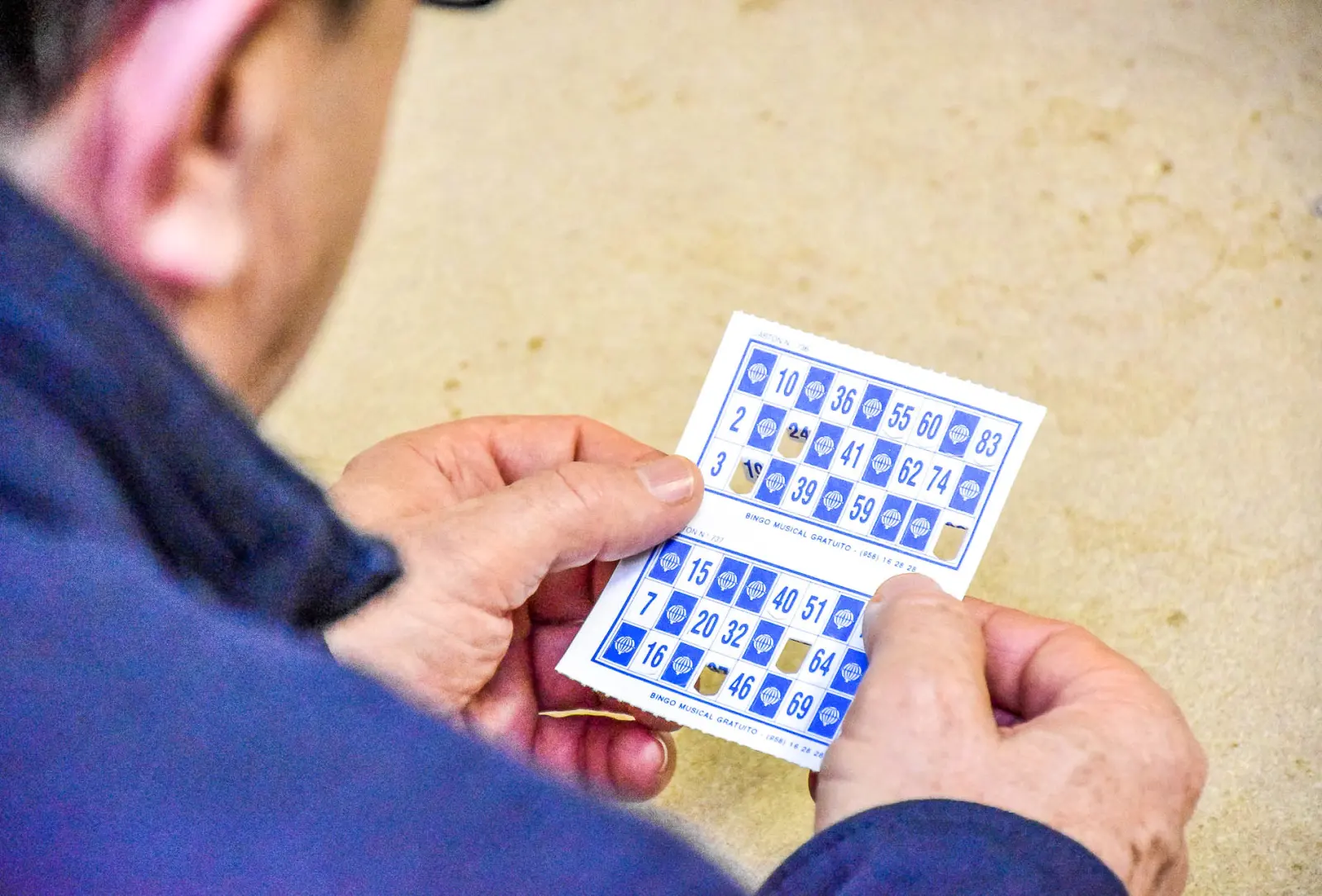
When bingo is mentioned, the prevailing image is often a crowded hall, with people marking cards while an announcer calls out numbers. However, this game of chance does not have a single origin or a precise invention date. Its history is a palimpsest of European traditions that, over the centuries, have adapted to new social and technological realities. To understand modern bingo, it is necessary to dismantle the idea that it is an isolated creation and examine the roots that sustain it, from Renaissance Italy to the digital age.
Uncertain roots and ancient theories
The genealogy of bingo is a subject of debate among historians. Some popular theories trace the game back to ancient Rome, where games with numbered tiles and wheels, known as tesserae, were practiced. Although this connection is frequently cited in popular culture, historical records do not clearly confirm that a game identical to modern bingo existed in classical Rome. The uncertainty persists because the exact place where the game was created in its recognizable form is unknown, turning its origin into a fascinating historical mystery.
The Lotto d'Italia as a precursor
The most solid starting point for the history of bingo is found in 16th-century Italy. In 1530, a game known as Lo Giuoco del Lotto d'Italia, or «The Draw of the Italian Lottery», emerged. Unlike informal games of chance, this was a public and organized draw that used cards with numbers. This format established the mechanical foundations of bingo: the random selection of numbers and the verification of matches on a grid. The Lotto was not just a pastime, but a fundraising tool for the State, which gave it an institutional legitimacy that later games would inherit.
The transatlantic migration
The journey of the Lotto towards what we now know as bingo began with mass migration to America. In the 19th century, settlers and immigrants brought European gaming traditions with them. In the United States, the game was adapted to local needs, simplifying the rules and changing the card format. This adaptation was not immediate, but it laid the foundations for the popularization of the game on the American continent, where it would find a new social and economic context.
The birth of the name and hall culture
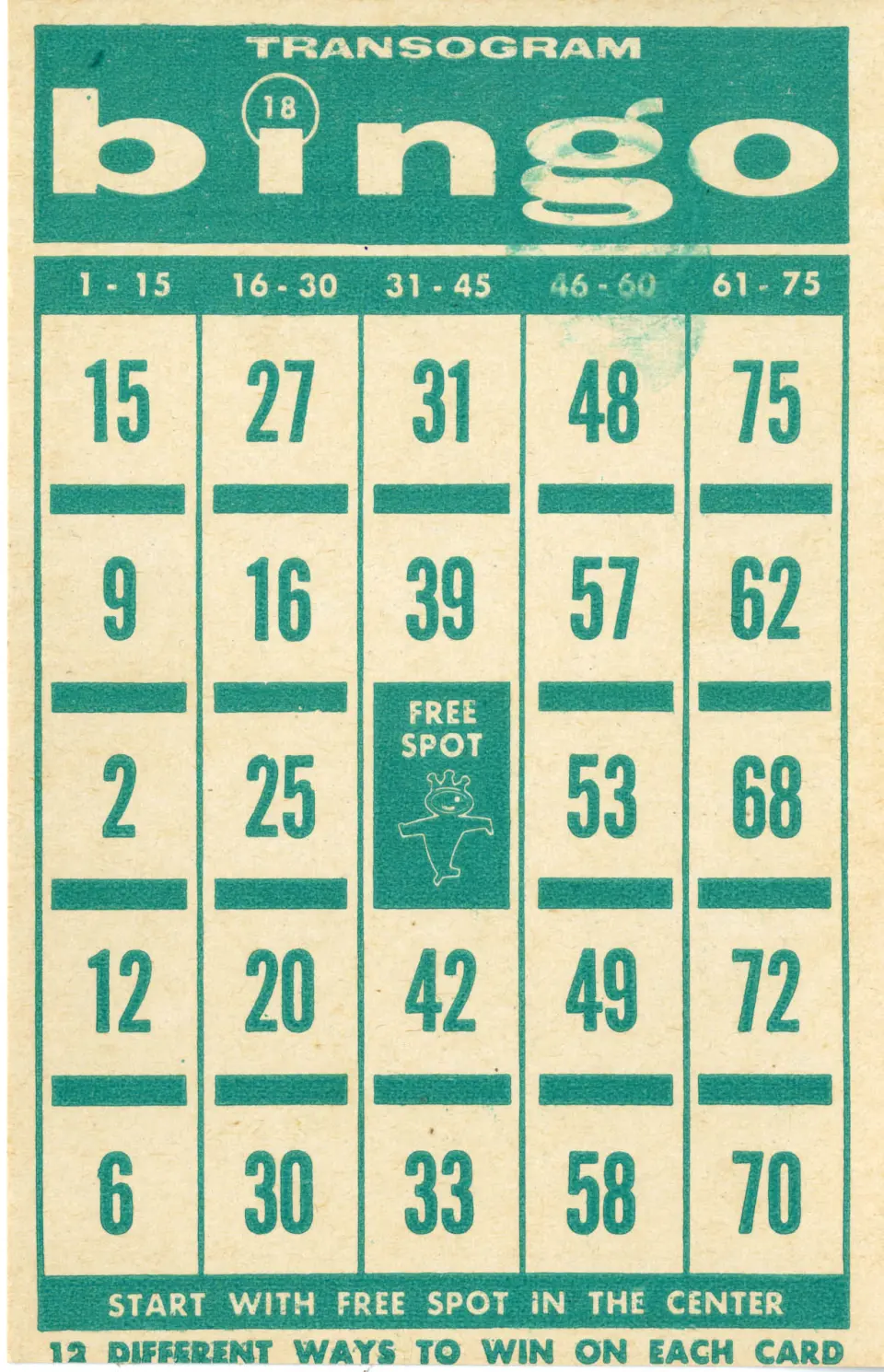
The term «bingo» did not appear until the 20th century. In the 1930s, the game gained popularity in US halls, where it became a community activity. The name comes from the victory shout that players emitted upon completing a line or the full card. This era marked the transition of bingo from an individual game of chance to a group social phenomenon. Bingo halls became meeting places, especially for local communities and religious groups, where the game served as a means of fundraising and social cohesion.
European expansion and standardization
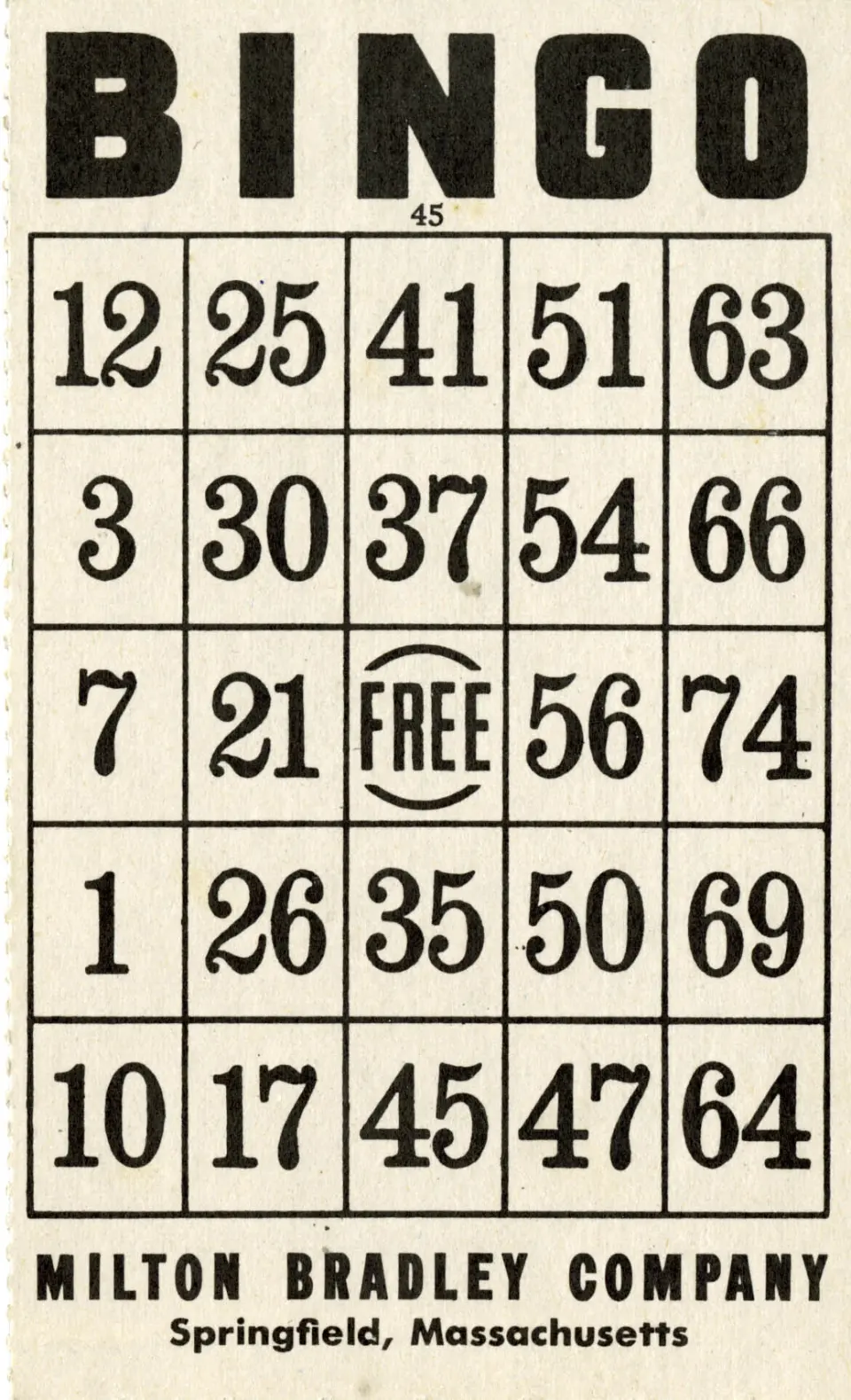
The popularity of bingo in America did not take long to cross the Atlantic. In the 1950s, the game reached Europe, where it was adapted to local norms and standardized. In countries like the United Kingdom, bingo integrated into popular culture, becoming a mass leisure activity. This European expansion consolidated the game rules that are now standard, including the use of 9x9 cards and the line and full card mechanics. Standardization allowed bingo to become a global phenomenon, with local variants but a common structure.
The digital era and format transformation
The arrival of the 21st century brought the digitalization of bingo. In the 2000s, the first online platforms emerged, allowing people to play from home. This transformation not only changed the way of playing but also the social experience. Digital platforms introduced elements such as thematic cards, instant prizes, and virtual rooms, maintaining the essence of the traditional draw but adding a layer of interactivity and accessibility. Online bingo has allowed the game to reach a global audience, breaking the geographical barriers that limited its expansion.
Cultural legacy and current relevance
Today, bingo remains a cultural phenomenon that combines chance, community, and technology. Comparative studies show that, although the format has evolved, the central mechanic of marking numbers has remained intact. Bingo is not just a game, but a reflection of the social and technological transformations of the last centuries. From Italian squares to smartphone screens, bingo has demonstrated its capacity for adaptation and its relevance in popular culture. Its history is a reminder of how games of chance can transcend their origins and become an integral part of social life.
Documentary gallery
- Decade
- 1970s
- Region
- Global
- Level
- Introduction
- Entities
- Bingo
Sources and references
- Bingo - Wikipedia, la enciclopedia librees.wikipedia.org · 2026-10-23
- La historia del bingo: sus orígenes, inventores y evolución.translate.google.com · 2026-10-23
- La evolución del bingo hasta nuestros díaselrecreativo.com · 2026-10-23
- Historia del bingo: origen, evolución y cómo llegó al ...culturizando.com · 2026-10-23
- Explorando la historia del Bingoblog.yobingo.es · 2026-10-23