Intervention on a heritage object is rarely a neutral act. Before applying any cleaning or consolidation technique, the restorer faces an ethical decision that transcends the technical: which part of the object's history should be preserved and which part can be modified? Available academic sources suggest that the answer does not lie in manual dexterity, but in the depth of prior research. Restoration, understood as a cultural practice, begins with the rigorous identification of materials and damage, a process that demands patience and documentary rigor before any physical gesture.
The primacy of documentation
In monumental architecture and cultural heritage conservation, photography and material analysis are unavoidable prior steps. A 2012 study on photography and restoration in Spain highlights how the image documents not only the current state but the evolution of the object. This documentation allows distinguishing between routine maintenance, structural repair, and aesthetic modification. Without this record, it is impossible to evaluate the impact of a future intervention. Evidence indicates that the lack of prior documentation increases the risk of turning a necessary repair into an irreversible loss of historical information.
Mortar analysis as a case study
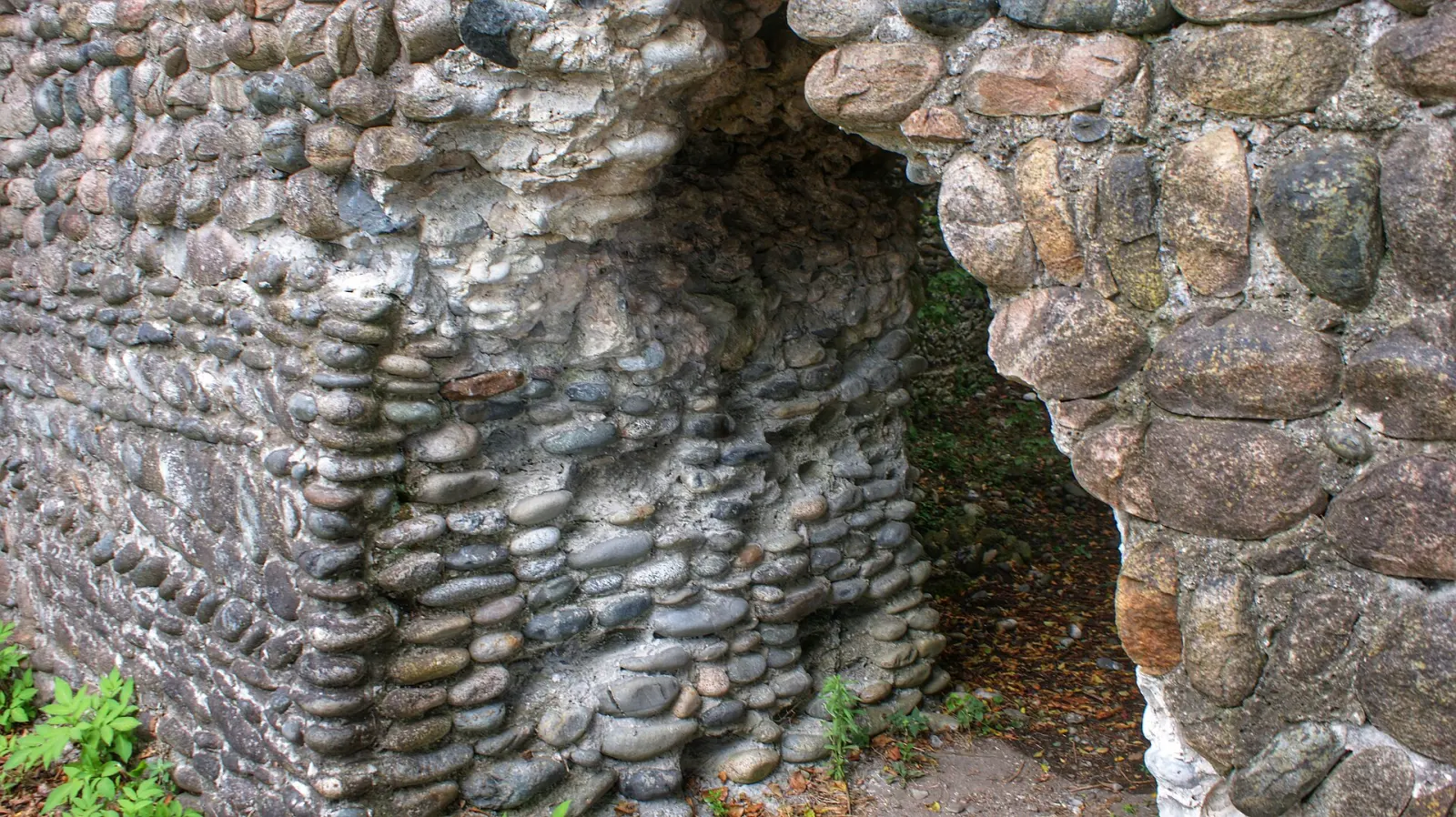
Material characterization provides concrete data on composition and conservation state. An academic book by Francisco Javier Alejandre Sánchez addresses the history and restoration of mortars, showing how identifying the original mix helps decide whether to conserve, repair, or replace an element. This process is not merely technical; it is a way of reading the object's constructive history. By knowing the composition, the restorer can avoid introducing incompatible materials that accelerate degradation or alter the authenticity of the piece.
The tension between history and restoration
Paolo B. Torsello raises in a Loggia journal article the inherent tension between restoration and history. Conflict of interests? The question suggests that restoration is not an objective process, but an interpretation. Each intervention decision reflects a theoretical stance on the value of heritage. This tension is particularly acute when dealing with objects with multiple layers of use and modification over time. Restoration cannot ignore this complexity, but it cannot be paralyzed by it either.
Historicism as an interpretive bias
The example of Córdoba, analyzed by Guillermo Luis López Merino, reminds us that historicism can condition the reading of heritage. In the 19th century, restoration often sought to recreate an idealized state of the past, ignoring subsequent modifications that are also part of the object's history. This approach, although well-intentioned, can erase legitimate memories. Evidence suggests that a responsible restoration must recognize the historicity of the object, accepting that its value lies in its complete trajectory, not in a specific moment.
Stylistic and cultural context
The study of art history adds a crucial layer of interpretation. This discipline analyzes works in their historical development and stylistic context, including genre, design, and appearance. For a heritage object, understanding its cultural and social context allows comprehending why it was designed in a certain way and how it was perceived in its time. This knowledge is not decorative; it is essential for making coherent intervention decisions. A restored object must remain legible within its original historical context.
Application to retro objects
The same principle applies to retro objects, from video game consoles to design furniture. Before intervening, the state must be recorded, layers of use, wear marks, and previous repairs identified. Photographic documentation and material characterization allow distinguishing between the original state and subsequent modifications. This prevents excessive restoration from erasing the object's use history, which is part of its cultural value. The evidence does not prescribe a single technique, but orders criteria: document, compare, attribute cautiously, and avoid erasing historical information.
Limits of the evidence
It is important to note that the cited sources do not allow claiming that a restoration method is universal. Each object has a unique history that requires a specific approach. Documentation reduces the risk of memory loss, but it does not eliminate the need for expert judgment. Restoration remains an interpretive practice, where evidence guides but does not dictate. The conclusion is that rigorous observation is the first act of restoration, a step that protects the integrity of the object and its historical memory.
- Decade
- 2000s
- Region
- Spain
- Level
- Introduction
- Entities
- Paolo B. Torsello
Sources and references
- Historia, caracterización y restauración de morterosdoi.org · 2026-10-21
- Restauración e Historia: ¿Conflicto de intereses?doi.org · 2026-10-21
- HISTORICISMO EN LA RESTAURACIÓN PATRIMONIAL. EL EJEMPLO DE CÓRDOBAopenalex.org · 2026-10-21
- Fotografía, arquitectura y restauración monumental en Españaopenalex.org · 2026-10-21
- Estudio de la historia del artees.wikipedia.org · 2026-10-21