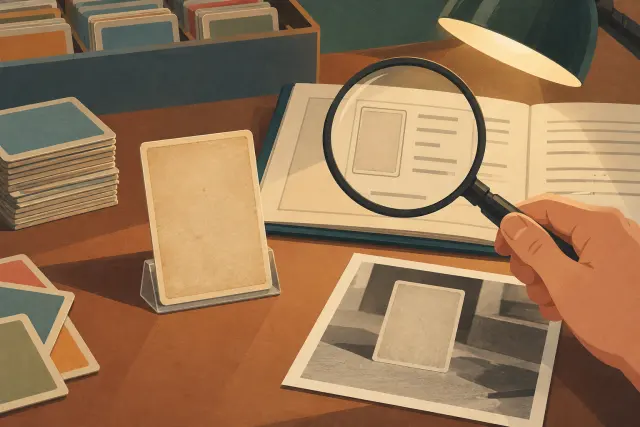
A sticker can be identified without its variant being settled
A museum record can name an album and attribute it to publishers or artists. Distinguishing variants, however, requires evidence that may not appear in a brief catalogue entry.
Open storyArchive of technology, entertainment and everyday life
A museum record can name an album and attribute it to publishers or artists. Distinguishing variants, however, requires evidence that may not appear in a brief catalogue entry.
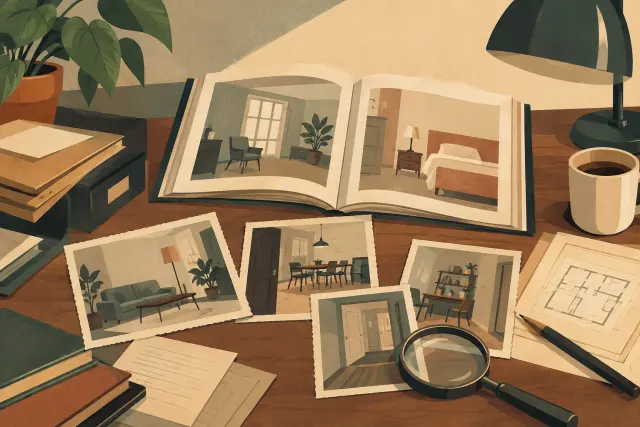
Open storyInterior photographs are clues, not complete portraits. Archives, catalogues and exhibitions help us interpret what they show—and what they leave out.
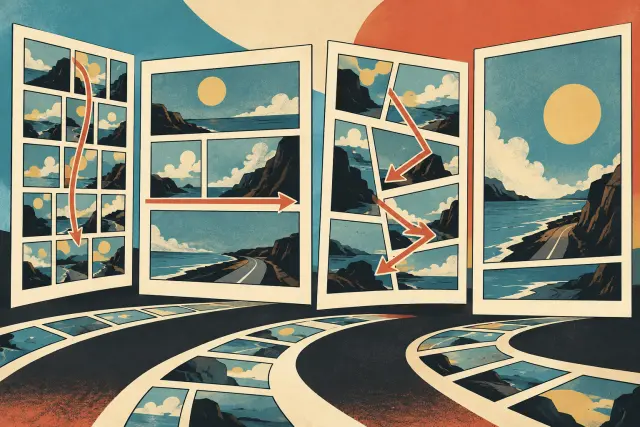
Open storyMagazines, fanzines, minicomic books, albums and graphic novels are not merely containers: their formats can shape a comic’s pacing, sequence and material relationship with its reader. Drawing on the supplied scholarship and resources, this analysis explains what to examine—and where interpretation must remain cautious.
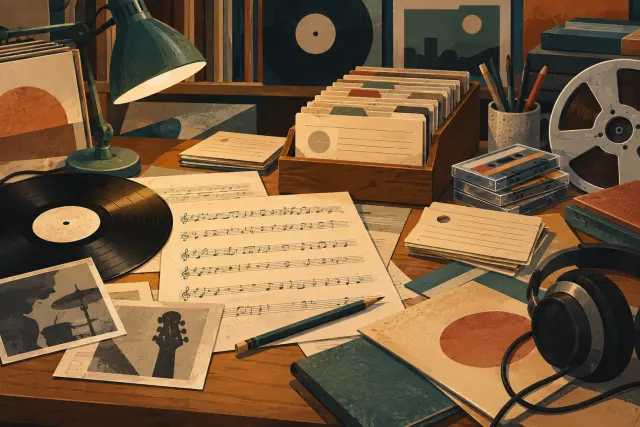
Open storyScores, recordings, correspondence and catalogues raise different questions about musical life. An exploration of what these sources can—and cannot—tell us.
Open storyCookbooks, packaging and museum records make food culture researchable, but do not by themselves prove how people ate. Separating promotion, object and domestic practice is essential.
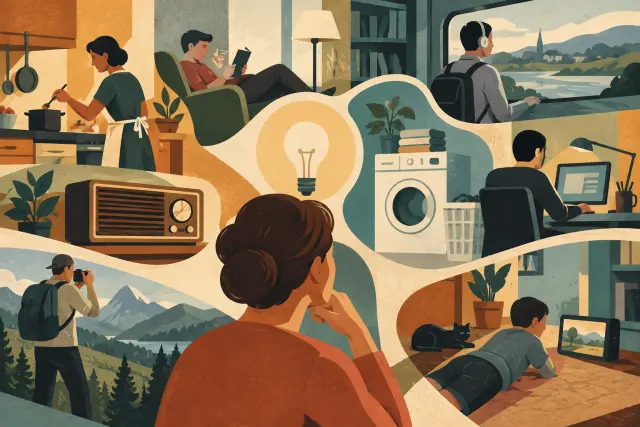
Open storyStudies of everyday life address families, individuals and practices through varied sources. Their titles and bibliographic records can guide questions, but they are not enough to reconstruct an experience shared by everyone.
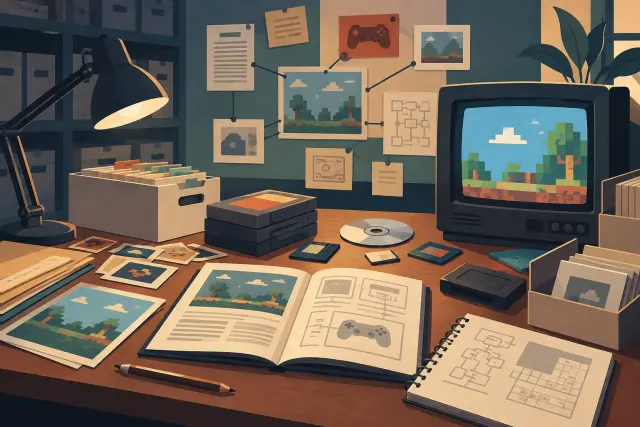
Open storyMuseums, libraries and archives approach video games as cultural heritage. The available documentation encourages looking beyond the machine, without mistaking preservation initiatives for evidence about every work or play experience.
Open storyA preserved garment, an image and a fashion document are different kinds of evidence. Reading them together helps investigate uses and ideas about dress without confusing advertising, representation and everyday experience.
Open storyHistorical overviews help organize major changes and milestones, but they do not by themselves explain how each device was used. A careful reading separates what the sources document from questions that still require verifiable manuals, advertisements and testimony.
Open storyA history of technology need not simply line up inventions. Manuals, archives and studies let us ask which uses the sources describe—and where their certainty ends.
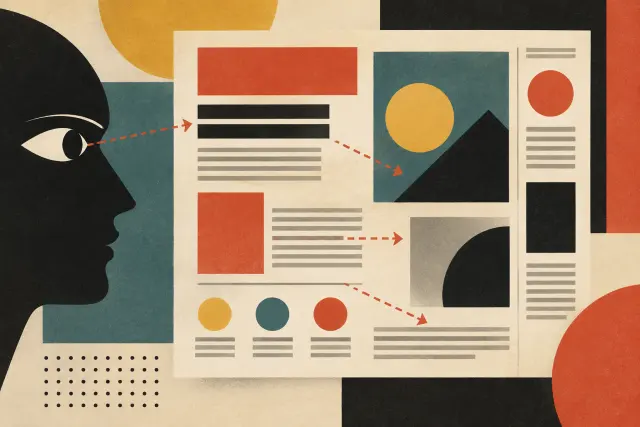
Open storyReading advertising design means looking beyond style: hierarchy, composition and text organize a message. Available archives and studies help frame questions, but do not always reveal the original intent.
Open storyA drive, a storage medium and the record that describes them are different kinds of evidence. Archival standards help distinguish them, but cannot reconstruct a domestic routine that the sources do not show.
Open story