DATABASE / SEARCH

Explore

Archive of technology, entertainment and everyday life

Analysis · NOW

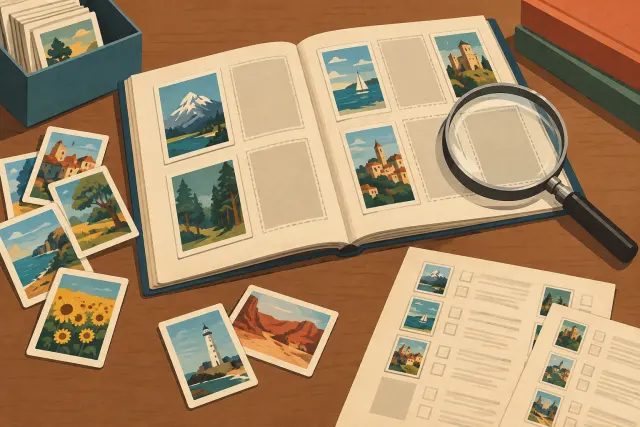
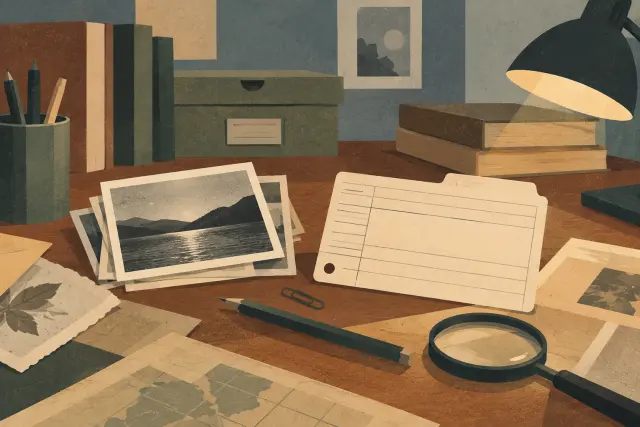
Reading the album without filling in its gaps

Catalogues help identify albums and variants, but they do not by themselves prove that two cards belong to the same series. A careful reading separates what each source records from what still requires comparison and evidence.

Open story
Analysis · NOW

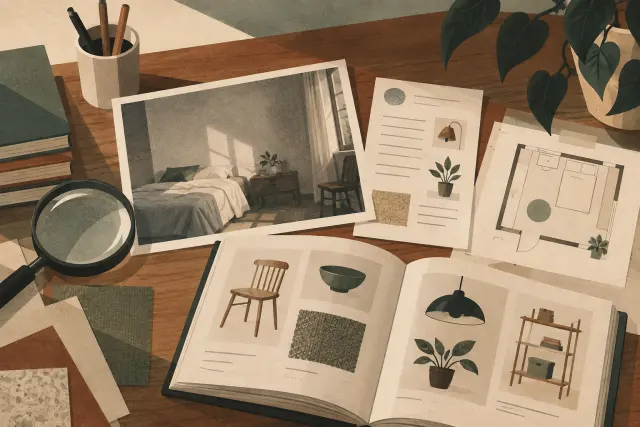
Reading a home through its traces

Photographs, catalogues and records describe different aspects of an interior. Comparing their roles helps frame useful questions without mistaking a partial image for a complete reconstruction of a room.

Open story
Analysis · 1970

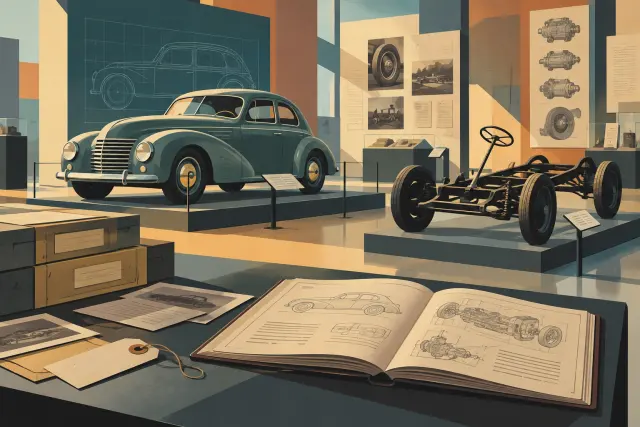
Material also sets the limits of play

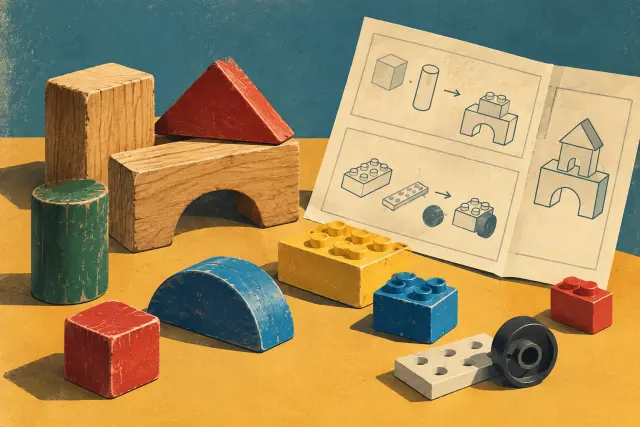
The spread of plastic and the persistence of wooden toys appear in the sources as material changes, not as a complete account of how children played. Comparing that evidence helps ask what an object can reveal—and what its instructions would need to add.

Open story
Analysis · 1970

One 1970s photograph cannot tell the story of everyday life

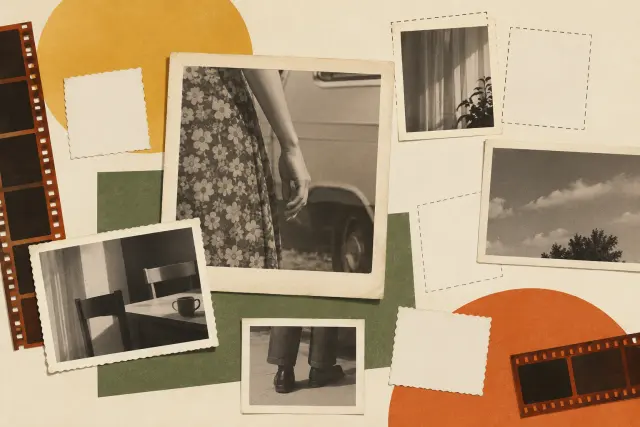
Photographs can bring us close to everyday gestures and settings, but they do not turn one experience into a general rule. Drawing on projects about photography and daily life, alongside Spanish archives, this analysis considers what an image documents and what it leaves open.

Open story
Analysis · 2000

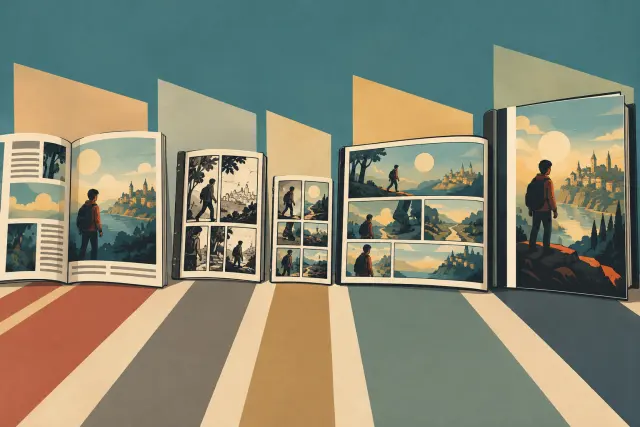
A story changes when its format does

Magazine, fanzine, mini-comic, album and graphic novel are distinct publishing formats. Treating them as formats raises questions about how narrative is experienced, without confusing what a medium might allow with established facts about a particular work.

Open story
Analysis · 1970

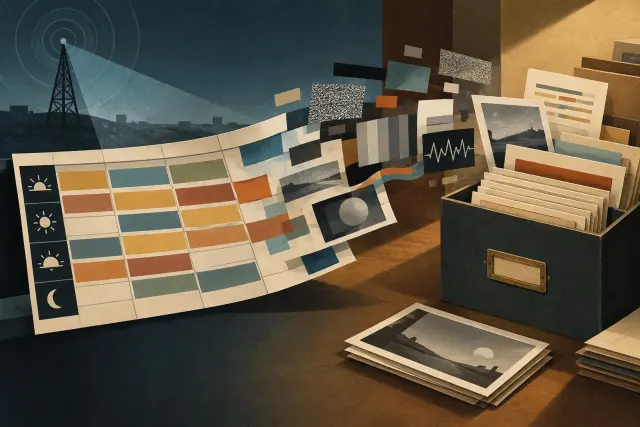
The schedule left traces beyond the screen

Reconstructing Spanish television from 1970 to 2000 means reading more than the programmes that survive: archives, research and documents can bring us closer to broadcasts and their context, while requiring us to distinguish what aired from what endured.

Open story