Modding communities interpret the past, too
Research on historical strategy-game mods, gender, and video-game memory helps frame what can be documented about gaming communities—and what should remain an open question.
Open storyArchive of technology, entertainment and everyday life
Research on historical strategy-game mods, gender, and video-game memory helps frame what can be documented about gaming communities—and what should remain an open question.
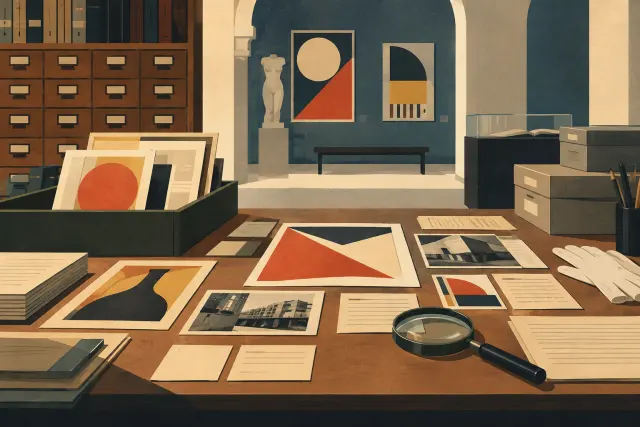
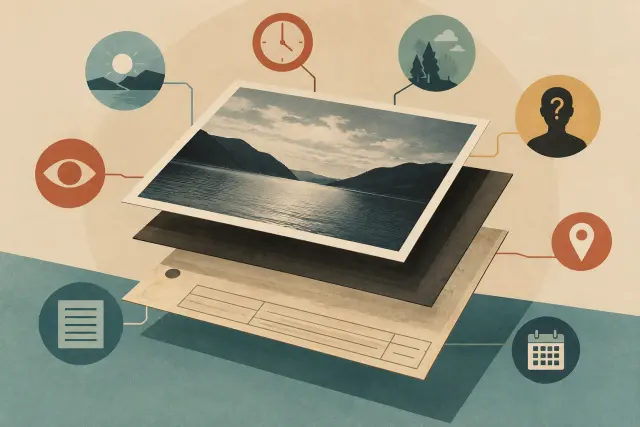
Open storyPhotographic archives preserve images with varied origins, subjects and formats. Understanding what they can establish means distinguishing the image from its support, its documentation and the context the sources actually substantiate.
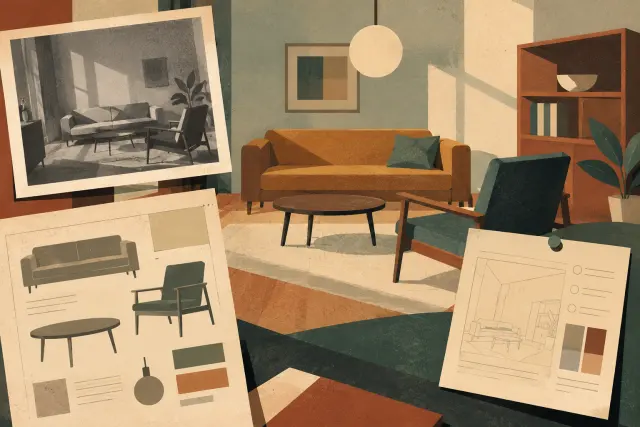
Open storyPhotographs and catalogues can help us study how domestic spaces were arranged, but every source has limits. A careful reading separates what is documented from what can only be interpreted.
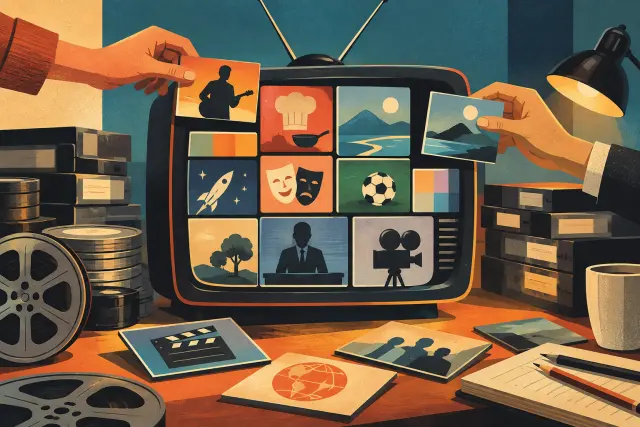
Open storyAudiovisual archives and studies of preserved material help investigate television history, but they do not by themselves amount to a complete schedule. What the available sources can establish—and where their limits begin.
Open storyA reading of design and advertising through archives and museums: what the arrangement of objects can explain, and what must remain an open question when evidence is missing.
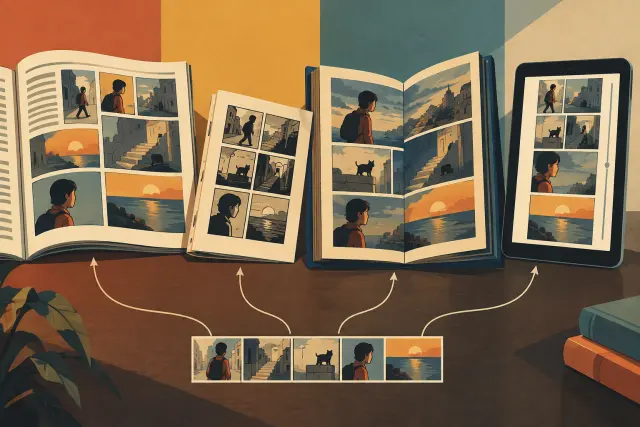
Open storyMagazines, fanzines, albums and graphic novels are more than packaging: each format raises different questions about sequence, reading and preservation. The available sources allow us to examine these as editorial and archival questions without attributing undocumented changes to any particular work.
Open storyA look at how archives connected with science and technology museums help preserve and share documentation, and at the questions to ask before using it to reconstruct a device’s history.
Open storyCER.es brings together records and images of a selection of cultural objects and offers a starting point for locating documented sticker albums. The available information does not, however, show that the catalogue records every series or its variants. Rigorous research should distinguish catalogue identification from material comparison and preserve gaps as part of the archive.
Open storyRecords, archives and studies of film heritage make it possible to examine how a film is described. Genre is a useful clue, but it is neither the work itself nor proof of how audiences received it.
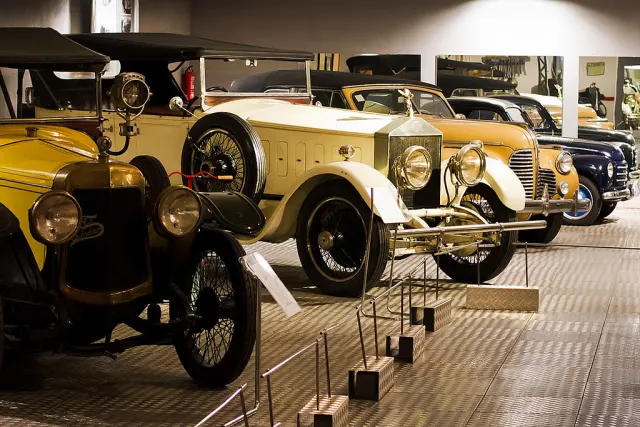
Open storyThe Museo de Historia de la Automoción de Salamanca offers an opportunity to distinguish what a vehicle preserves as an object from what its documents can help explain. The available sources confirm an archive associated with the museum, but do not detail its individual records here—a distinction that matters both for research and display.
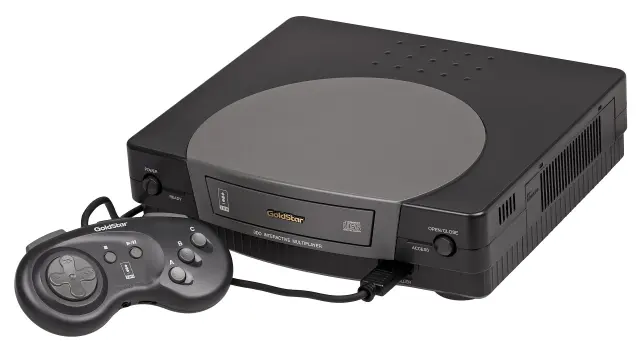
Open storyThe 3DO case illustrates an unusual industrial-design and business decision: offering hardware specifications that third parties could license instead of limiting manufacture to one company. The available documentation also makes clear where claims about that strategy must stop.
Open storyCookbooks, packaging, archives and museum collections offer different kinds of evidence about food. Reading them together helps distinguish commercial presentation from everyday practice—and identify what the sources cannot establish.
Open story