The 1970s were not just a period of expansion for comic book publishers, but a moment of deep reconfiguration of their material structure. While popular attention focused on iconic cover figures, the real transformation occurred in panel layout, reading rhythm, and circulation conditions. This article explores how the comic functioned as a designed object, where graphic narrative and editorial layout determined reader perception, beyond the mere collection of characters.
The comic as a designed object
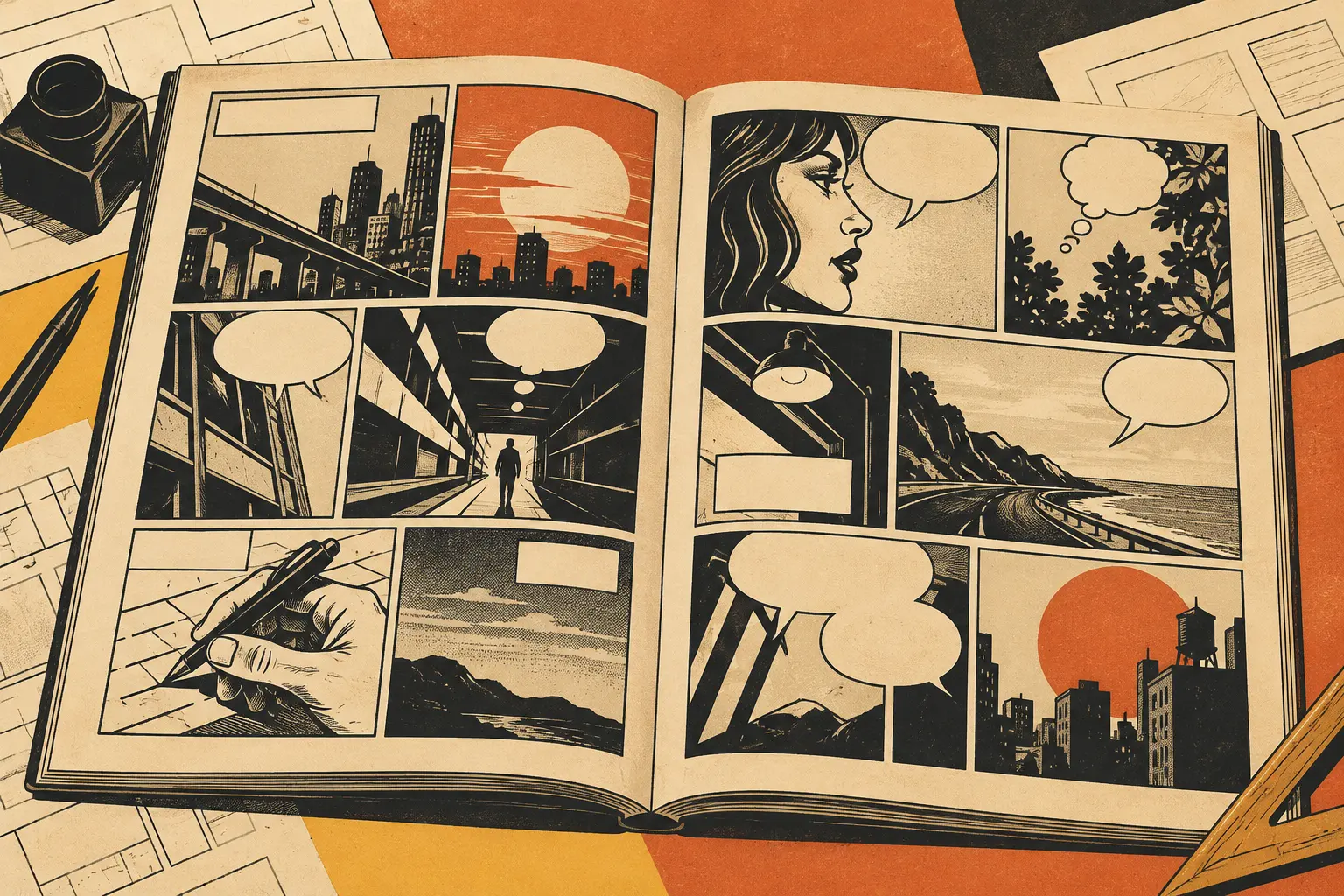
In the 1970s, the comic ceased to be seen only as a vehicle for superhero or adventure stories to become a cultural document with its own visual identity. Studies on comic formats, fanzines, and magazines indicate that the presentation of information substantially modifies the interpretation of text and image. The page was not a passive canvas, but an active structure that guided the reader's gaze through specific design decisions.
Marvel's visual chronology
Marvel Comics editions during this decade reflect a visual chronology that helps understand the medium's evolution. Sources like the Grand Comics Database allow tracking how creator credits and publication details varied, evidencing a constantly transforming industry. This variability was not a defect, but a characteristic of a medium adapting to new audiences and cultural contexts.
The impact of circulation
Circulation conditions directly influenced the reader's experience. The availability of magazines, their publication frequency, and distribution channels determined how the comic was consumed. In this context, the comic was not just a product, but part of a broader cultural ecosystem that included fanzines, specialized magazines, and reader communities.
Graphic narrative and reading rhythm
Design decisions defined the reading rhythm, a crucial aspect for reader immersion. The arrangement of panels, panel size, and transitions between scenes created a visual cadence that complemented the narrative. This rhythm was not accidental, but the result of a mature editorial practice that understood the importance of the reading experience.
Academic context and documentation
Documentation of this era is possible thanks to academic databases and archive projects like the Grand Comics Database. These tools allow researchers and enthusiasts to access detailed information on credits, stories, and publication details. This accessibility has facilitated a greater understanding of the comic as a cultural and visual phenomenon, beyond its collectible value.
Beyond collecting
This analysis focuses on understanding the comic as a cultural and visual document, without entering into specific restoration or collecting details. The value of 1970s comics lies in their ability to reflect the tensions and transformations of their time, as well as their contribution to the evolution of graphic narrative. By studying their design and circulation, a dimension of the medium is revealed that often goes unnoticed in discussions centered on characters.
Conclusion
The 1970s marked a turning point for the comic, where page structure and circulation conditions became central elements of the reading experience. By examining the design and circulation of comics from this era, a more complete understanding of their cultural legacy and impact on the medium's evolution is gained.
- Decade
- 1970s
- Region
- Global
- Level
- Enthusiast
- Entities
- Grand Comics Database, Marvel Comics
Sources and references
- El cómic, una cuestión de formatos (2): revistas de cómics, fanzines, mini-cómics, álbumes y novelas gráficasdoi.org · 2026-10-22
- Historia y Cómics: una perspectiva francesadoi.org · 2026-10-22
- Marvel: La historia visual 1970-1979 Este tomo recorre de ...www.instagram.com · 2026-10-22
- Base de datos de Grand Comicstranslate.google.com · 2026-10-22
- Ibéroes: Racismo y crítica social en la apropiación ...www.tandfonline.com · 2026-10-22