Its significance was not being first
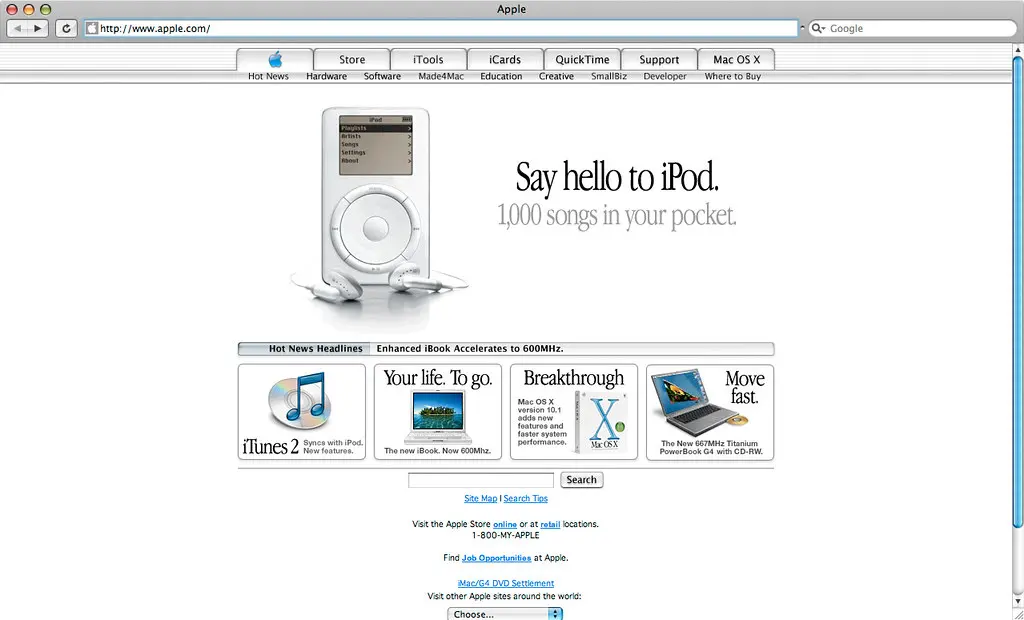
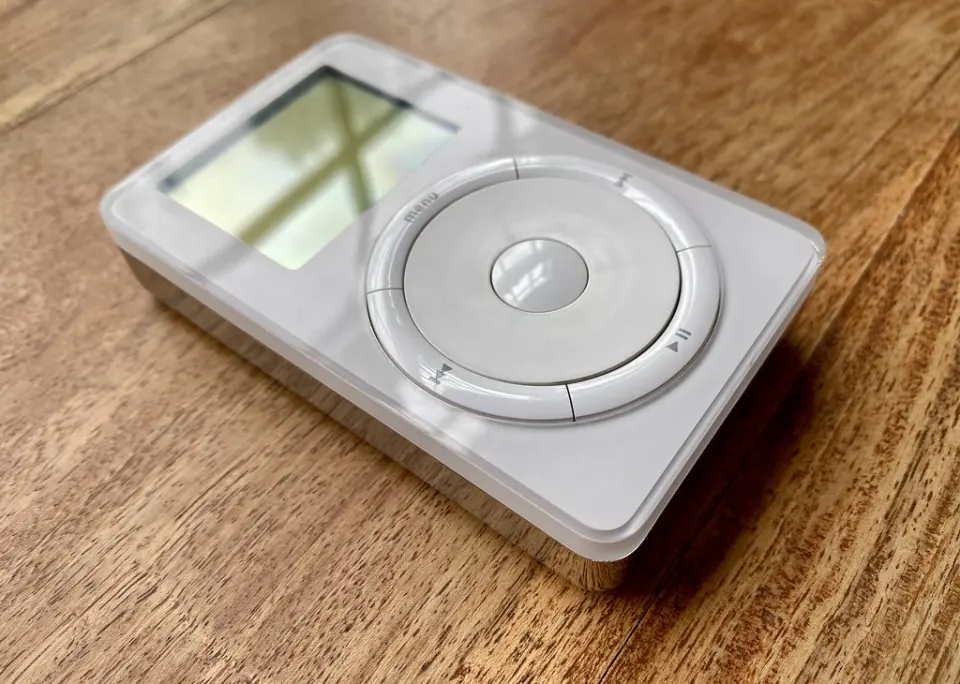
When Apple launched the iPod in 2001, portable digital music players already existed. Its place in history therefore does not rest on inventing the possibility of listening to digital music away from home. The significance the BBC assigns to it lies in how it brought together the device, its design and the management of a music collection, making it easier to carry songs and choose what to hear.
The BBC describes earlier MP3 players as devices that could be cumbersome, offer limited storage and make library management tedious. The iPod stood out by pairing a distinctive device with an interface for browsing tracks and the iTunes library. It did more than play files: it offered a more accessible way to explore a personal collection.
A library you could carry in your pocket
The change is best understood as a complete experience rather than an isolated hardware innovation. The iPod was for listening on the move; iTunes made it possible to organize a collection and synchronize it with the player. According to the BBC, that integration helped pave the way for legal digital music downloads to become more popular.
Organization mattered because it changed people’s everyday relationship with music. Instead of relying only on albums on physical media or laboriously locating files, users could carry a personal library and choose among its songs. The proposition did not create the desire to listen away from home; it made a broad selection easier to access while out and about.
That is why a description of the iPod based only on technical features would miss an essential part of its contribution. The device and the software reinforced each other: the library became useful on the move, while the player offered a practical way to browse it. The experience depended as much on arranging and finding music as on playback itself.
The iPod in Apple’s evolution
The player’s trajectory is also connected to Apple’s development as a company. In comments cited by the BBC, technology analyst Francisco Jerónimo argues that the iPod helped the company build financial strength and operational maturity before taking on the complexity of the smartphone business. This is an interpretation attributed to the analyst, not a single explanation for the iPhone’s later success; it nevertheless places the iPod within a broader business history.
The product family changed as well. Introduced in 2007, the iPod Touch departed from the original player and expanded what the device could do. The BBC notes that it was designed by the team that later worked on the iPhone, which soon eclipsed the iPod. That shift reflects a broader transition: the multifunction phone brought together tasks once associated with separate devices, and listening to music became one activity among many.
The legacy of organizing music
The iPod did not invent portable listening and was not the first digital player in its category. Its contribution was to make carrying a collection and browsing it a coherent part of everyday use: music could be understood not only as albums or individual files, but as a personal library accessible from a pocket-sized device.
Its history illustrates an important principle of technology design: a product can become significant when hardware, software and patterns of use fit together. In the iPod’s case, library management was as important to the experience as portable playback. That combination, more than chronological priority, helps explain why the device became one of Apple’s signature products.
Documentary gallery
- Decade
- 2000s
- Region
- Global
- Level
- Introduction
- Entities
- MP3
Sources and references
- 20 inventos tecnológicos que cambiaron la historiawww.docusign.com · 2026-10-27
- Top 25 Empresas Tecnologías de dispositivos médicos ...www.sphericalinsights.com · 2026-10-27
- CES: El evento tecnológico más importante del mundo.translate.google.com · 2026-10-27
- Apple cumple 50 años: 3 productos del gigante ...www.bbc.com · 2026-10-27
- Sonyes.wikipedia.org · 2026-10-27