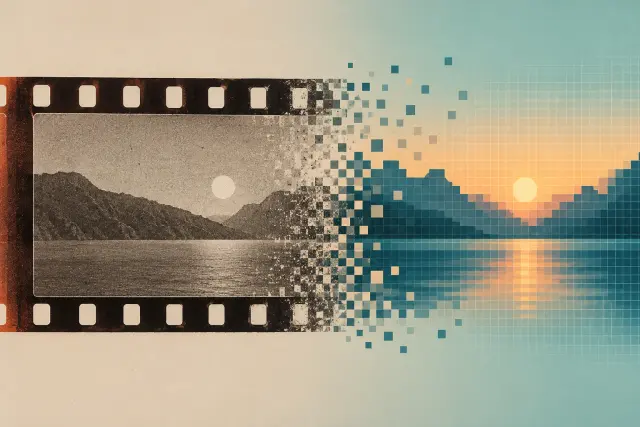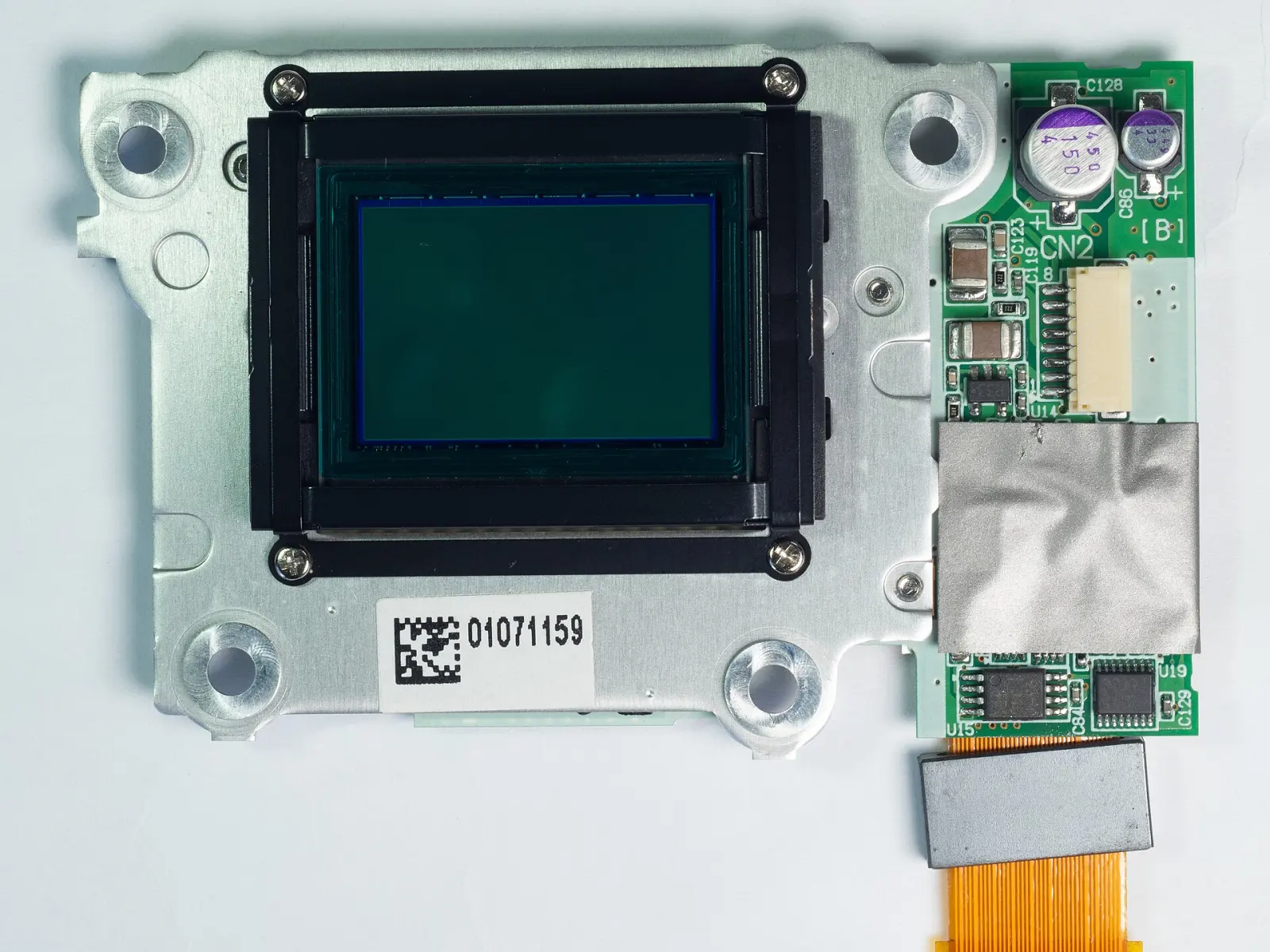
Photography did not become digital overnight
The transition from chemical to digital photography is often reduced to a swap: the sensor replaces film, and the screen replaces the print. That formula misses deeper changes. The way light was recorded changed, as did the steps between capture and a visible image and, above all, the ways photographs could be stored, duplicated, and distributed. Still images remained central to the medium, but they no longer had to depend on a negative or transparency.
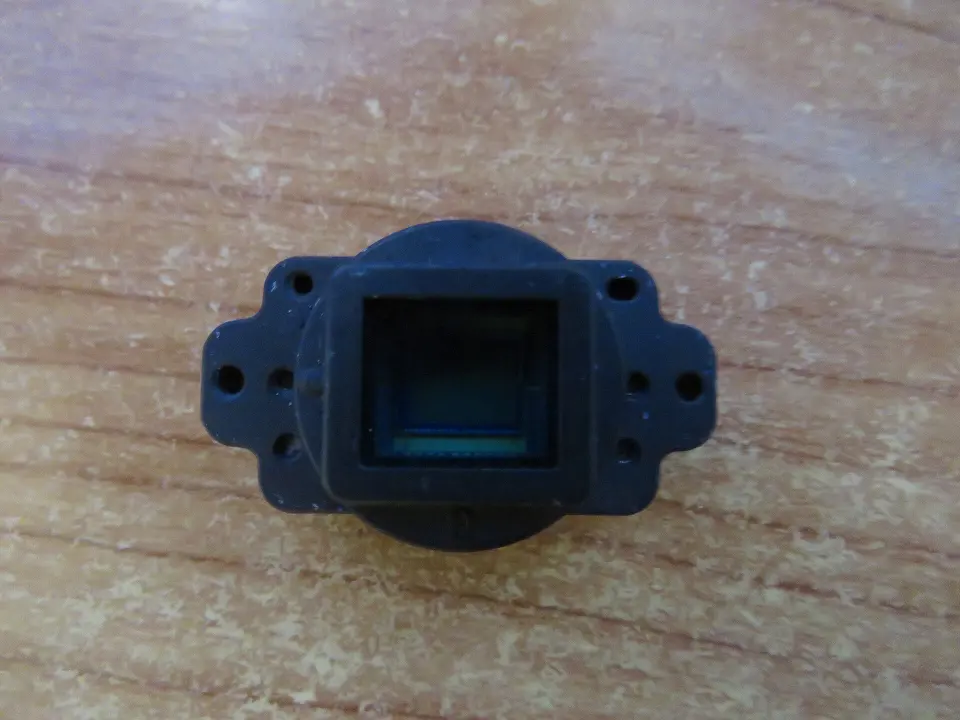
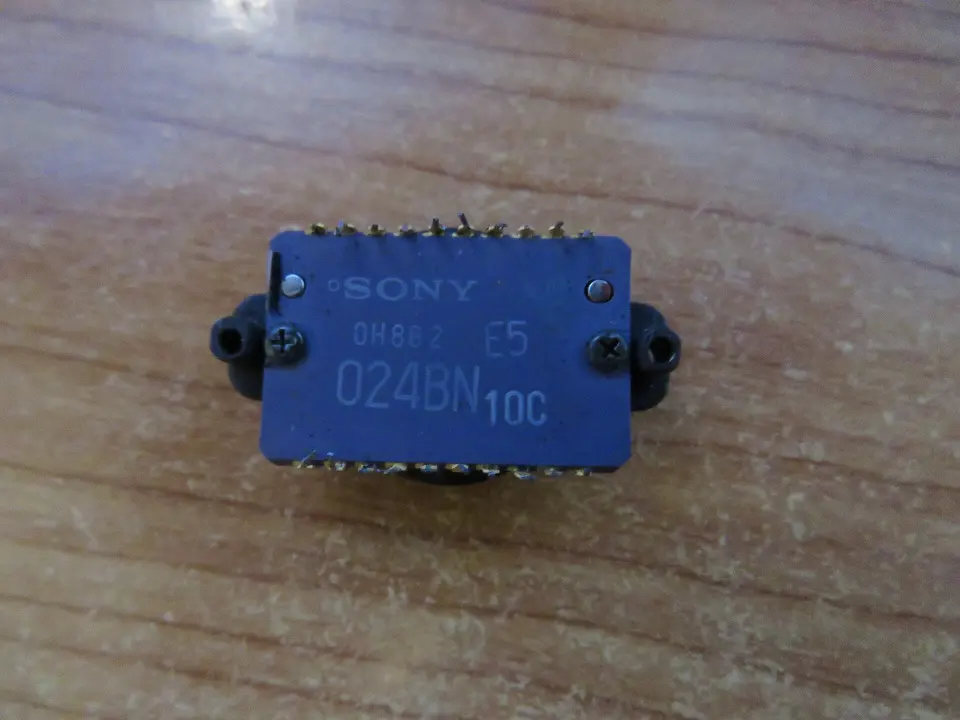
An early technical milestone was the development of the charge-coupled device, or CCD. In 1969, Willard Boyle and George E. Smith designed a structure initially intended to store information. Bell Laboratories later adapted it for image capture. The CCD converted light into electrical signals that could be read as data. It did not, by itself, produce a consumer digital camera, but it made a new technical route for recording images possible.
From photochemical records to data
In a film camera, light alters a photosensitive emulsion. Processing makes the latent image visible, while the negative or transparency preserves a material record that can be examined and used to make prints. In digital photography, a sensor converts light into signals that are processed and stored as data. Seeing the image again depends on a file and on devices able to interpret and display it.
That change reorganised photographic work. Instead of waiting for processing to check the result, photographers could review a capture on a screen. Images could also be duplicated without making another negative and sent over computer networks. Processing was no longer confined to working on a physical print: changes could be made to the file. This did not mean every digital photograph was manipulated; it meant that certain operations became more accessible and flexible.
The distance between capture and the image we ultimately see also became more apparent. A system converts and processes data, then represents it on a screen; what is visible is, in that sense, an interpretation of the file. Chemical photography, however, was never a neutral window onto reality. Framing, exposure, optics, processing, and printing already involved technical and human decisions. The digital novelty was not the arrival of decisions in photography, but the shift of some operations into computer-based tools, where they could be carried out with different degrees of ease and flexibility.
A new life for the image
Digital reproduction changed how photographs circulated. A file could be copied and transmitted quickly, included in electronic publications, and stored alongside other data. An image no longer depended solely on a physical print to reach new readers. At the same time, part of the experience shifted from the photographic object to screens and the systems that organise and preserve files.
This difference matters to archives. A negative can be studied as an object and printed again; a digital file requires readable formats, storage media, and compatible software. Ease of copying does not guarantee preservation: continued access depends on the data remaining readable over time. Materiality does not disappear; it is distributed across sensors, storage units and media, and playback equipment.
During the 1990s, the arrival of digital cameras on the market made these transformations increasingly familiar. The change was not simply a matter of higher resolution, nor did replacement happen all at once: different systems, supports, and practices coexisted. Digital cameras gradually entered professional and everyday use as computers became part of photographic work.
What can a digital photograph establish?
The ease of processing and combining images fuelled debate about their documentary value. That debate cannot be settled by declaring every digital photograph less reliable or by assuming that photochemical images were truthful by nature. A photograph can serve as a record of a scene, but it is mediated by technical and human decisions. Its documentary value also depends on context, provenance, treatment, and use.
The possibility of altering a file makes it relevant to examine how an image was made, but it does not prove that every photograph has been changed. Nor is a convincing appearance enough to establish an image’s history. Interpreting a particular photograph requires distinguishing the initial capture from later operations and considering what is known about its production.
The decisive change, then, went beyond replacing an emulsion with a sensor. Digital photography turned the image into reproducible, processable data, changed its circulation, and raised new questions about preservation and trust. Understanding what a photograph shows also means considering how it was made: from the support that recorded the light to the file and the conditions that allow it to be seen again.
Documentary gallery
- Decade
- 1990s
- Region
- Global
- Level
- Enthusiast
- Entities
- No linked entities
Sources and references
- El factor temporal y el ritmo como distintivo entre fotografía y vídeodoi.org · 2026-10-26
- Historia de la fotografía: Cada período, movimiento y ...translate.google.com · 2026-10-26
- Historia de la fotografía - Wikipedia, la enciclopedia librees.wikipedia.org · 2026-10-26
- Fotografía e historia en América Latinaissuu.com · 2026-10-26
- La historia del fotoperiodismo y su impacto en la sociedadmymodernmet.com · 2026-10-26