DATABASE / SEARCH

Explore

Archive of technology, entertainment and everyday life

analysis · 1990

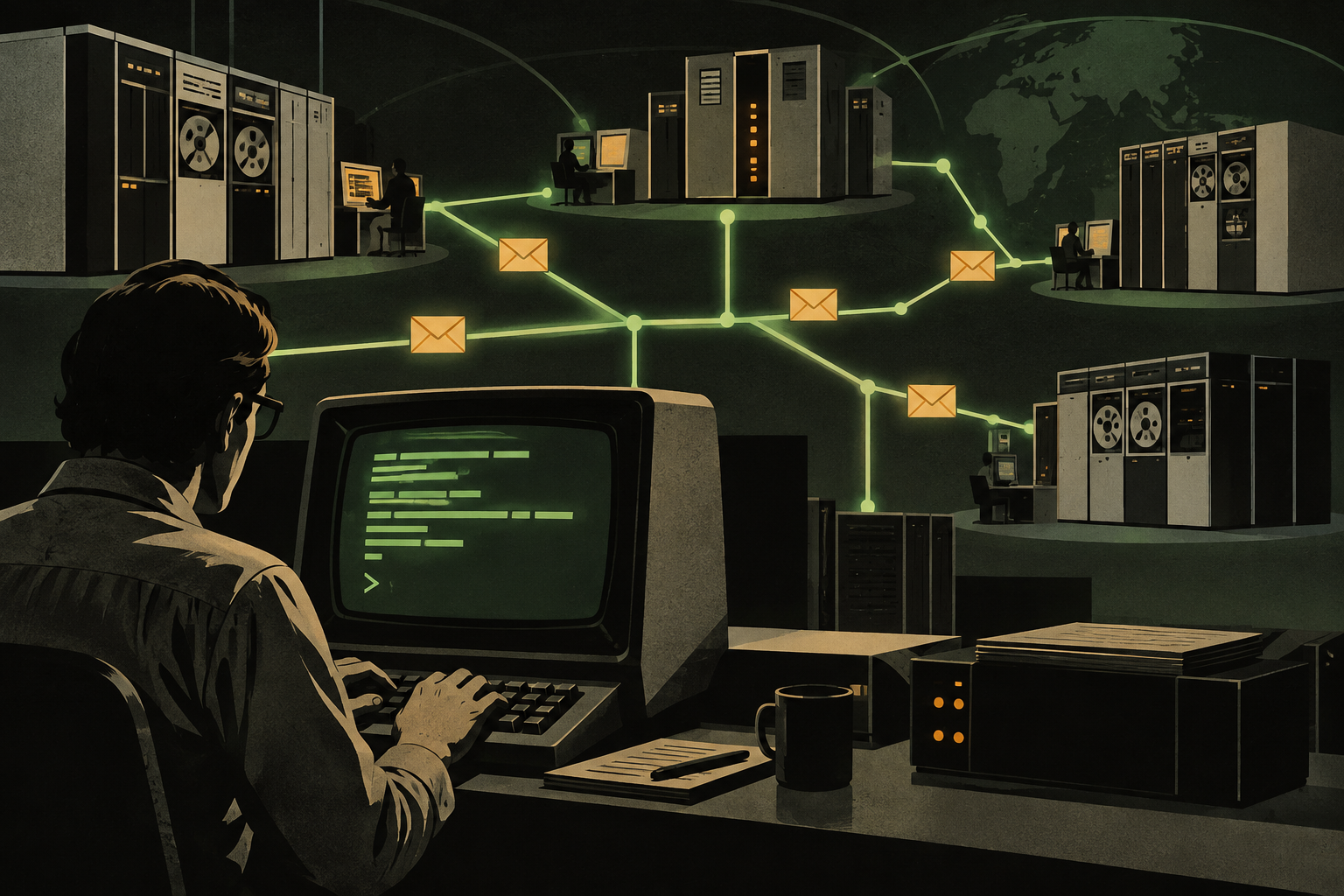
The World Wide Web of 1990: When the Internet Began to Be Read Through Links

In 1990, a CERN group of physicists led by Tim Berners-Lee developed HTML and created the prototype that would be built in 1991 as the World Wide Web. This analysis places that change within an Internet already used for email, file transfer and remote access, and explains why linked text changed the experience of finding and navigating information.

Open story
analysis · contemporary

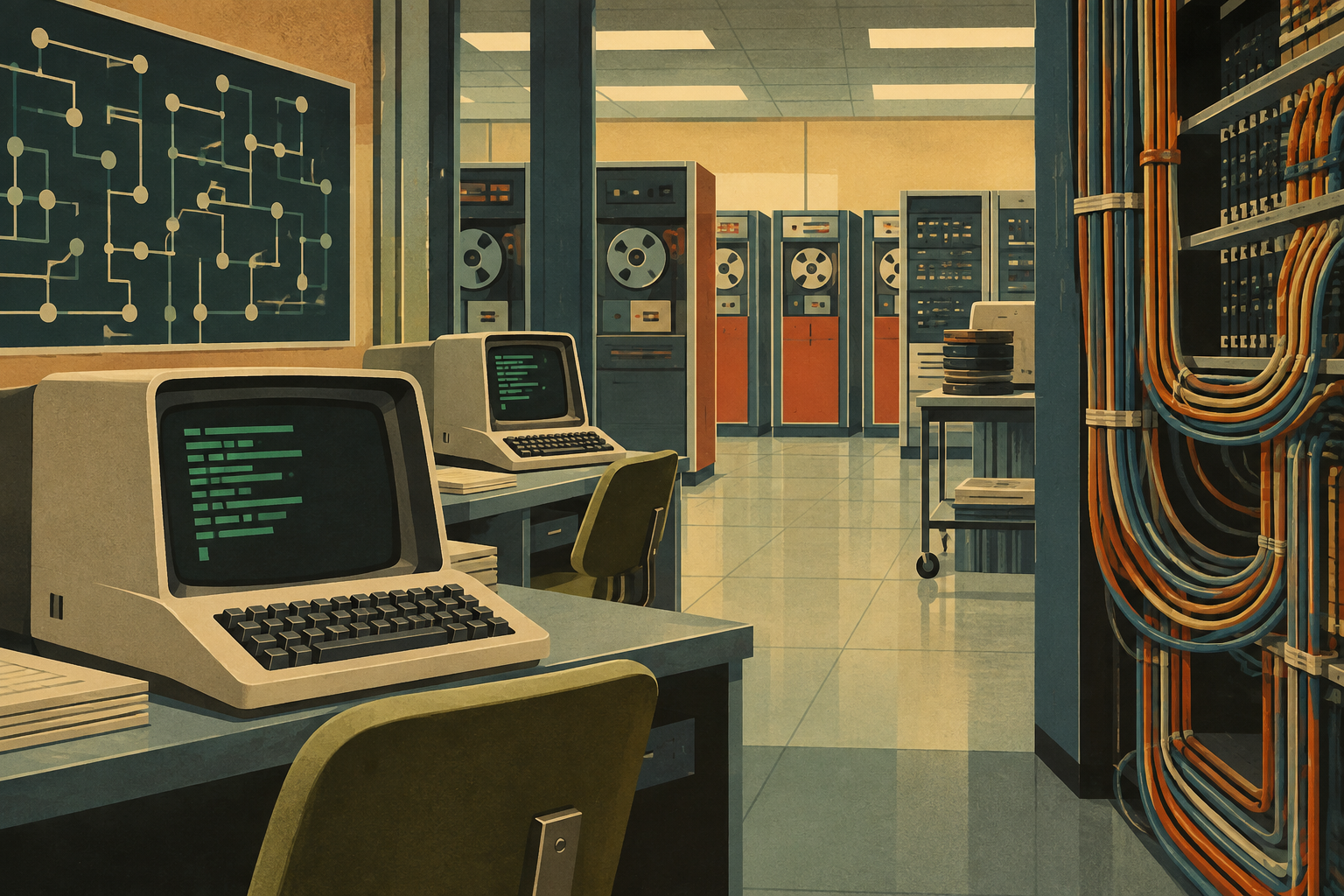
When Preserving Software Means Being Able to Run It

WinWorld and Virtual OS Museum illustrate two models of digital preservation: collecting historic programs and making old operating systems explorable on current machines. Their value is not limited to downloading; it lies in recovering contexts of use that version lists alone cannot explain.

Open story
then and now · 1990

World Wide Web: When Browsing Meant Following Links

The Web began as a way to consult remote files through linked texts. This feature compares that documentary idea, developed at CERN between 1990 and 1991, with the cultural meaning browsing acquired as browsers and search tools became more widespread.

Open story
comparison · 1990

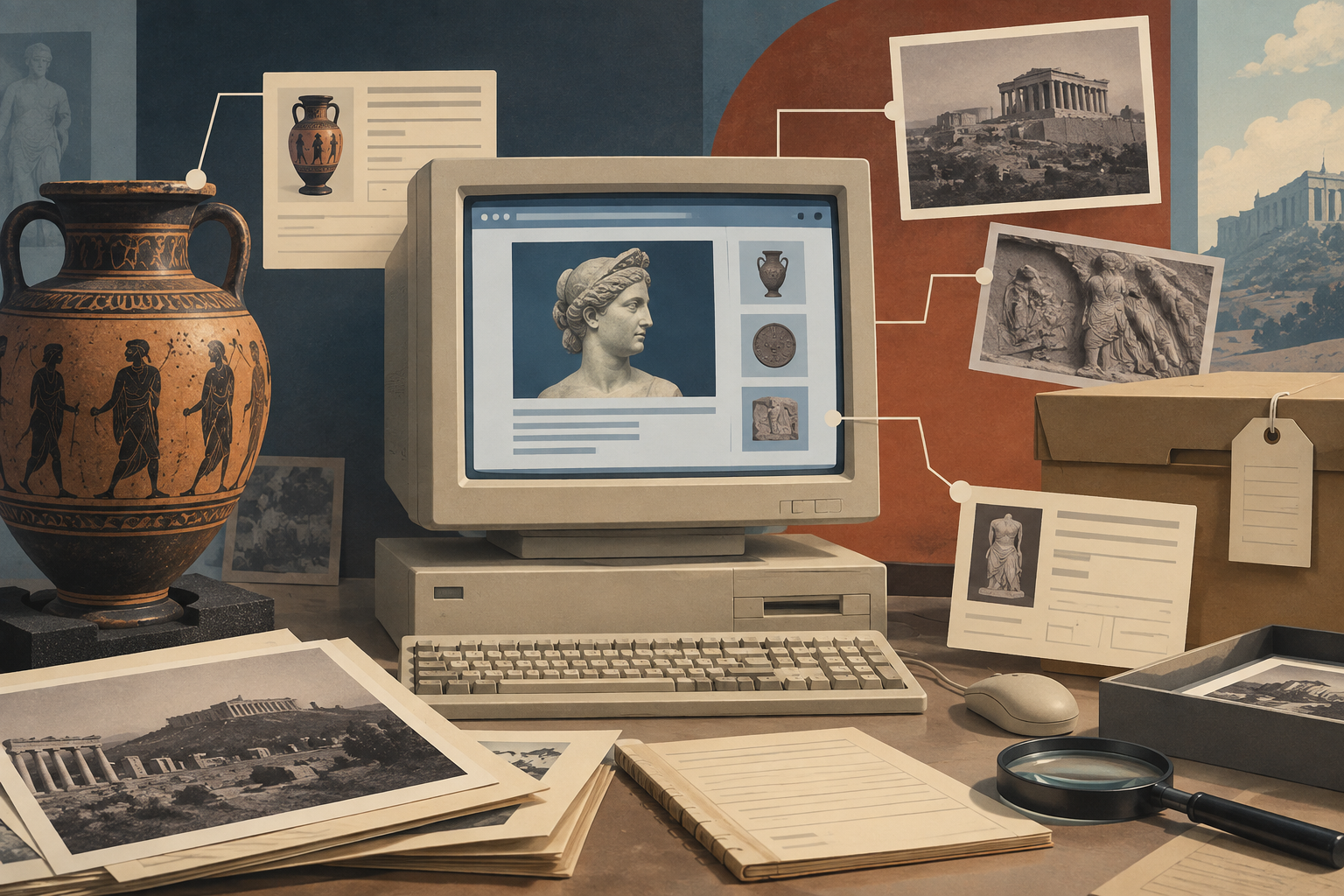
From FTP to the Networked Museum: What Early Online Museums Gained and Risked

A comparison of two milestones cited for 1992 and 1994 and today’s debates on digitisation, access, and loss of context. The available evidence traces a move from cultural content distributed through FTP to a museum’s presence on the Internet, while requiring a distinction between putting materials online and preserving their documentary meaning.

Open story
guide · 1990

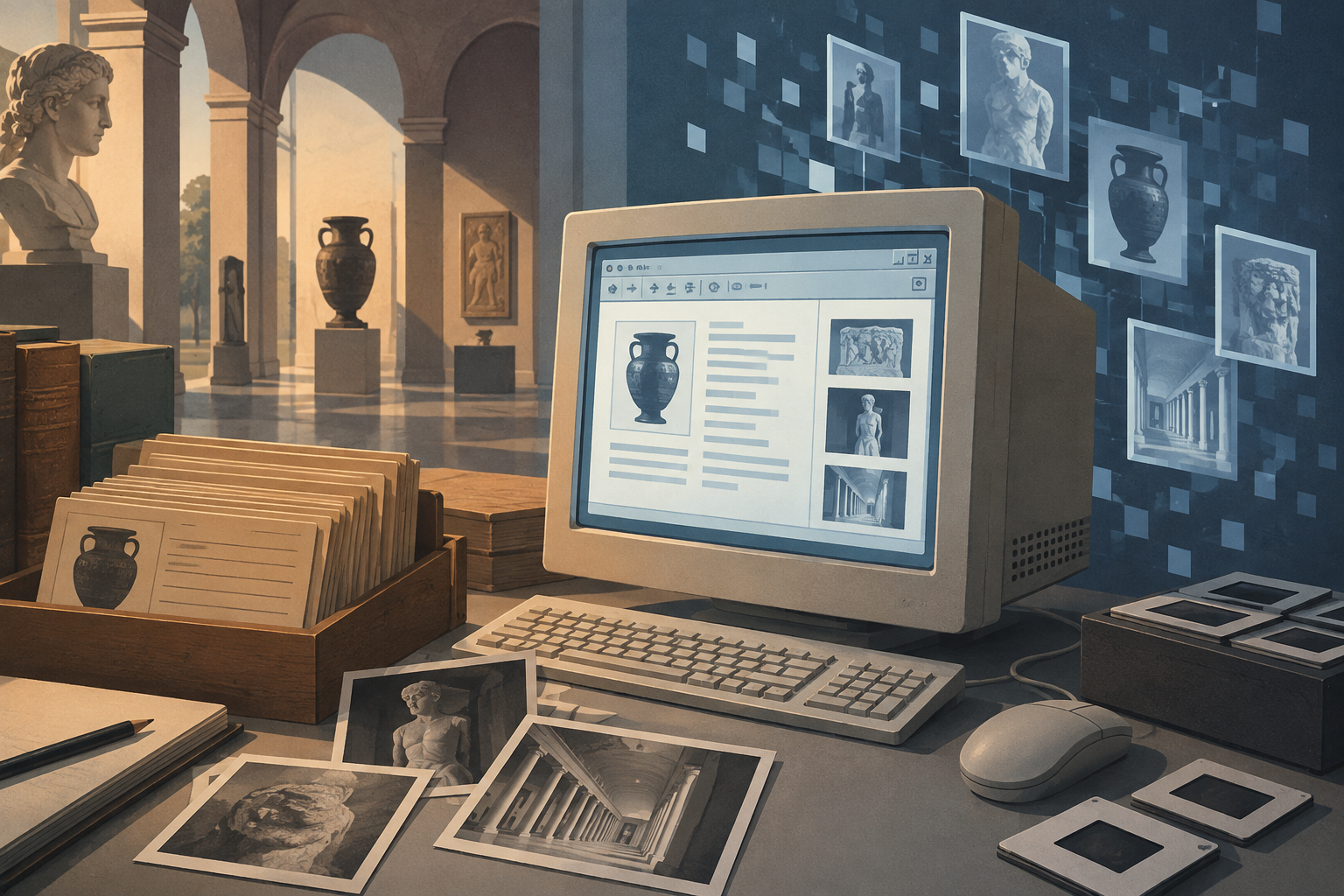
Preserving the 1994 online museum means keeping its context

The Berkeley Art Museum and Pacific Film Archive’s Internet presence in 1994 offers a way into a central question of the early Internet: preserving a digital experience is not merely a matter of saving files. It also requires recording its relationship to the institution, its collections, its uses and its limits.

Open story