A capture is not an entire service
Internet services change, disappear and leave uneven traces. An archived capture can show what a page looked like at a particular moment. By itself, it cannot reconstruct the whole platform, its functions or the relationships it enabled among users. That distinction matters when studying web history: a capture’s date documents one state of a page, not necessarily the service’s launch or the moment someone remembers using it.
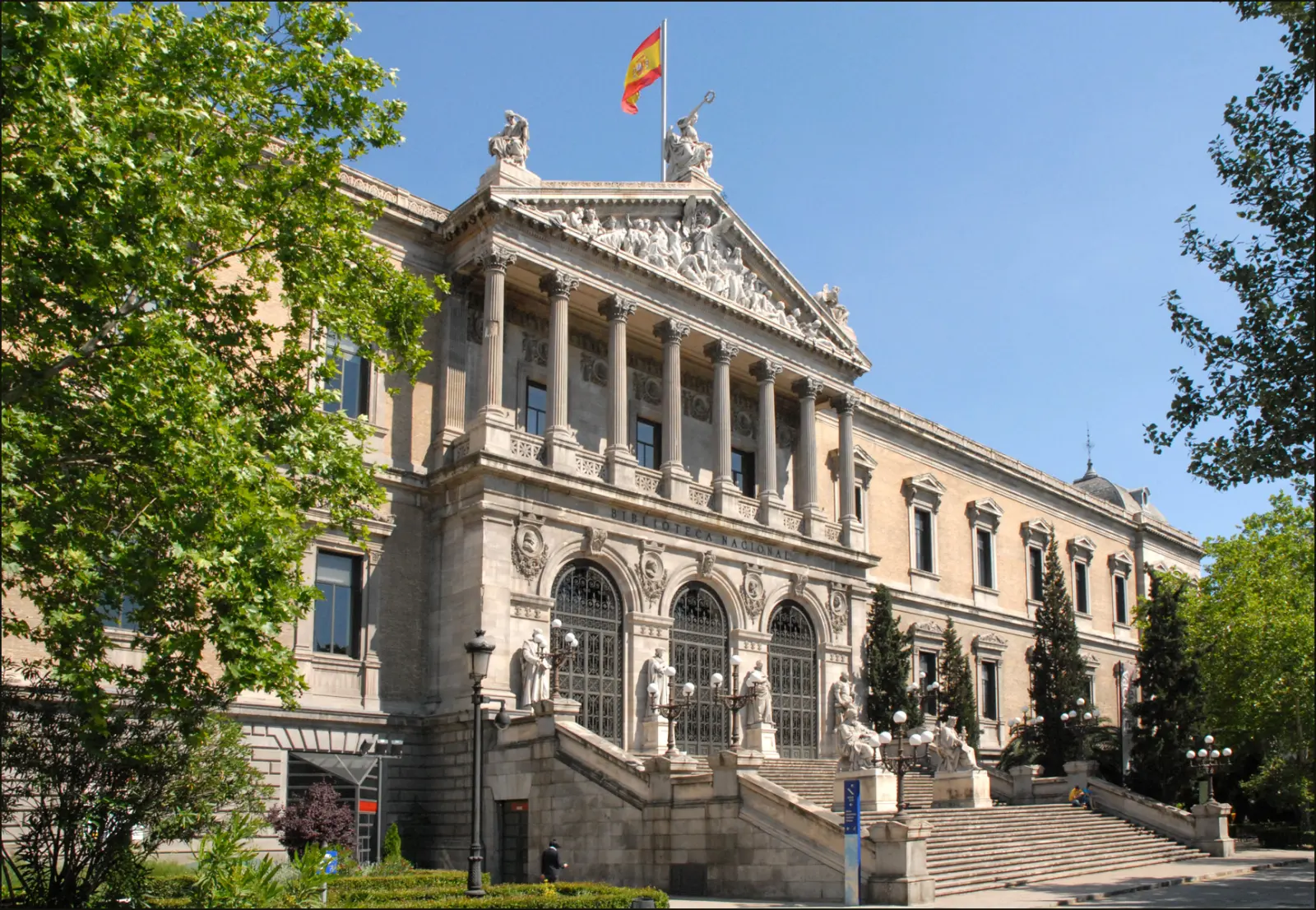
Coordinated by Spain’s National Library, the Archivo de la Web Española has captured and preserved websites since 2009. Its work includes collecting Spanish domains and running targeted crawls of sites at risk of disappearing. These records make it possible to examine how digital content was organised, written and presented at different times.
Reading pages as historical sources
An archived page offers clues beyond its appearance. Its design, vocabulary, link structure and way of addressing an audience can help researchers consider what the site was for and whom it seemed to address. Comparing captures from different dates can reveal change and continuity; setting them alongside other documents helps place their evidence in context.
It is also important to distinguish what a capture allows us to observe from what it does not prove. A page may have been preserved incompletely, and a static image does not establish that every site function was working. Nor can a single capture determine when a service launched, how its members used it or why it closed. Those questions require other traces, such as institutional documents, contemporary reporting, user guides, attributable testimony or platform records, if they survive.
A web archive does not return the past intact. It gathers evidence that allows questions and comparisons across time. A capture preserves an accessible version of a page; its historical meaning depends on its date, context and relationship to other sources.
Preserving a changing heritage
Unlike a stable physical object, a webpage can be revised continually without leaving an earlier version visible. Preserving the web means capturing some of those states and keeping them accessible, while recognising that digital heritage also depends on technologies and formats that change. An archive makes part of that volatility available for consultation, but a preserved version is not the same as the experience of using the service at the time.
The cultural significance of these traces extends beyond institutions. Commercial, community, news and personal websites formed part of everyday online life. When they disappear, evidence of how people communicated, found information and took part in communities may disappear with them. Web collections make it possible to study those practices without mistaking the preservation of a page for the continuation of an entire service.
A distributed memory
The Archivo de la Web Española belongs to a wider preservation landscape. The Internet Archive and its Wayback Machine provide access to many archived versions of websites; international networks such as the International Internet Preservation Consortium bring together institutions working on web preservation. Each collection has its own scope and access conditions. Comparing archives can help contextualise a capture and identify differences, but it does not replace assessing the provenance and context of each record.
There is no single answer to which archives can help reconstruct vanished services. Web captures are a starting point: they document pages, content and visible change. To approach the experience of a service, they must be connected with other evidence, while uncertainties remain clear. An archive therefore does more than hold internet remnants: it makes it possible to study how the web’s memory is built and which parts of digital life can be read again.
- Decade
- 2000s
- Region
- Spain
- Level
- Enthusiast
- Entities
- Archivo de la Web Española, Internet, Internet Archive
Sources and references
- Memorias de archivosopenalex.org · 2026-10-25
- Visibilidad de los archivos universitarios hispanoamericanos a través de Internetopenalex.org · 2026-10-25
- UNESCOmuseotech.org · 2026-10-25
- Museos en la Era Digitalevemuseografia.com · 2026-10-25
- Documentación de la conservación y las implicaciones de ...translate.google.com · 2026-10-25