analysis · 2000
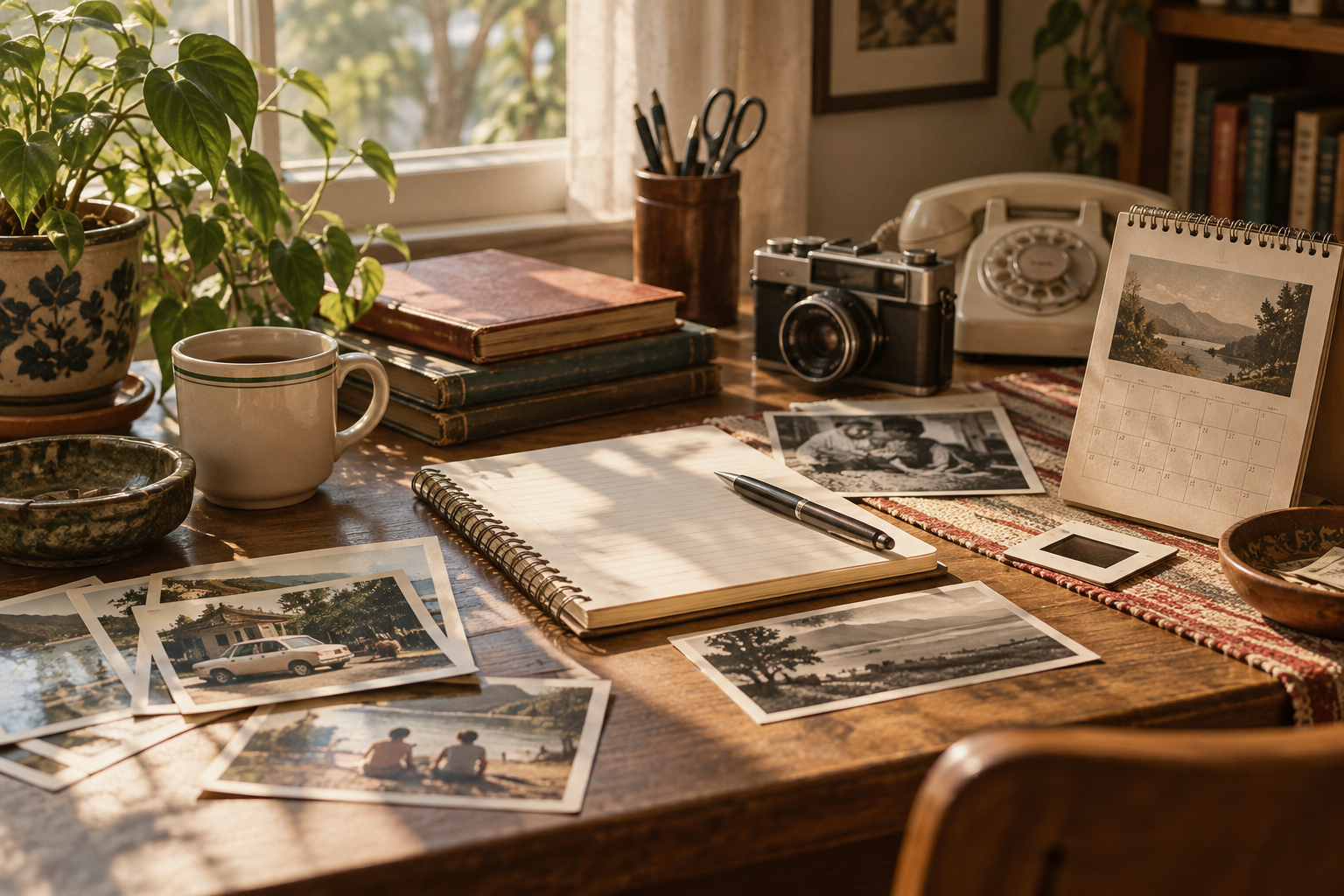
Everyday Life Leaves an Archive Too
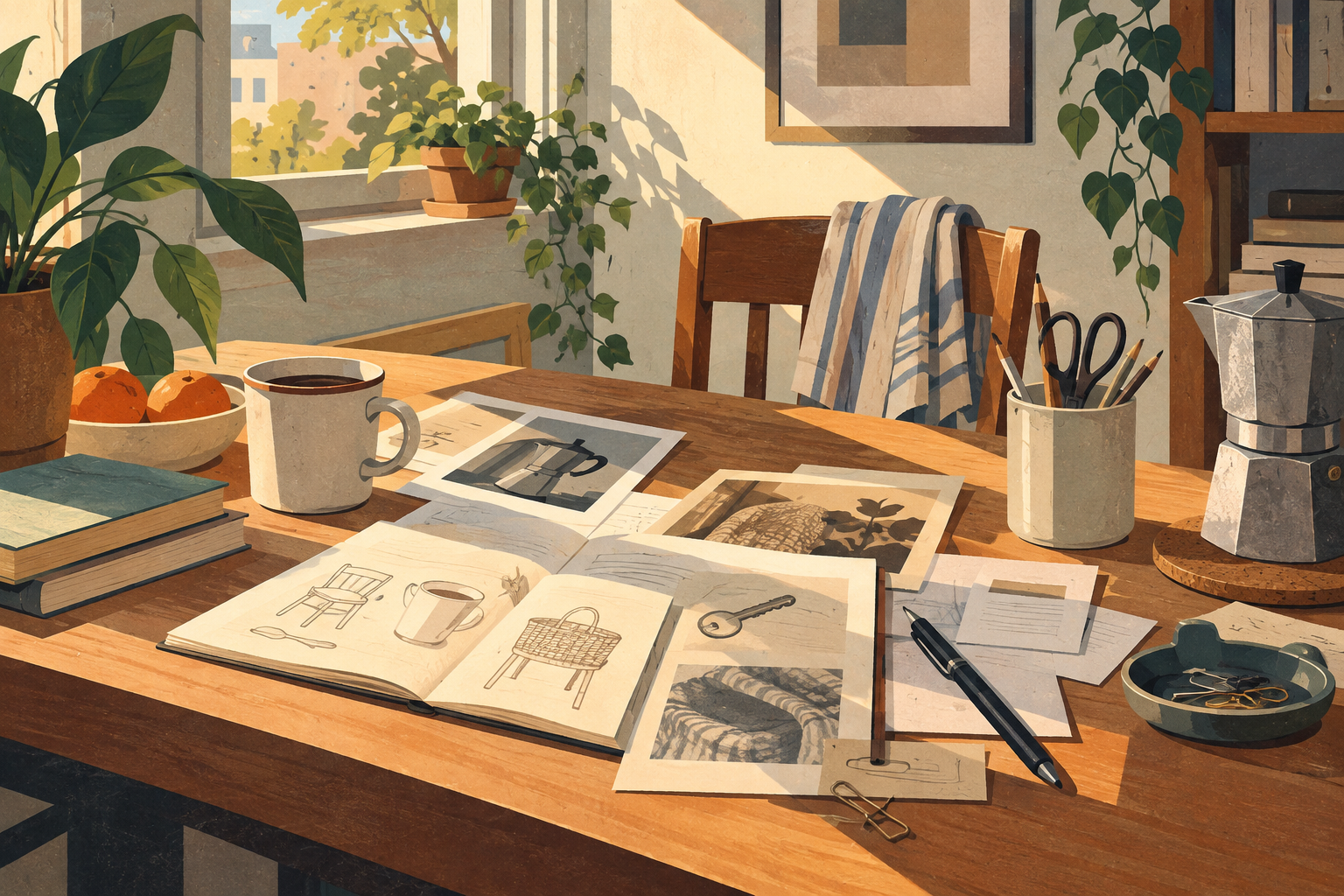
A reading of catalogues, educational materials and academic works to understand what can be documented about everyday life without turning routines into unfounded nostalgia.
Open storyArchive of technology, entertainment and everyday life
A reading of catalogues, educational materials and academic works to understand what can be documented about everyday life without turning routines into unfounded nostalgia.
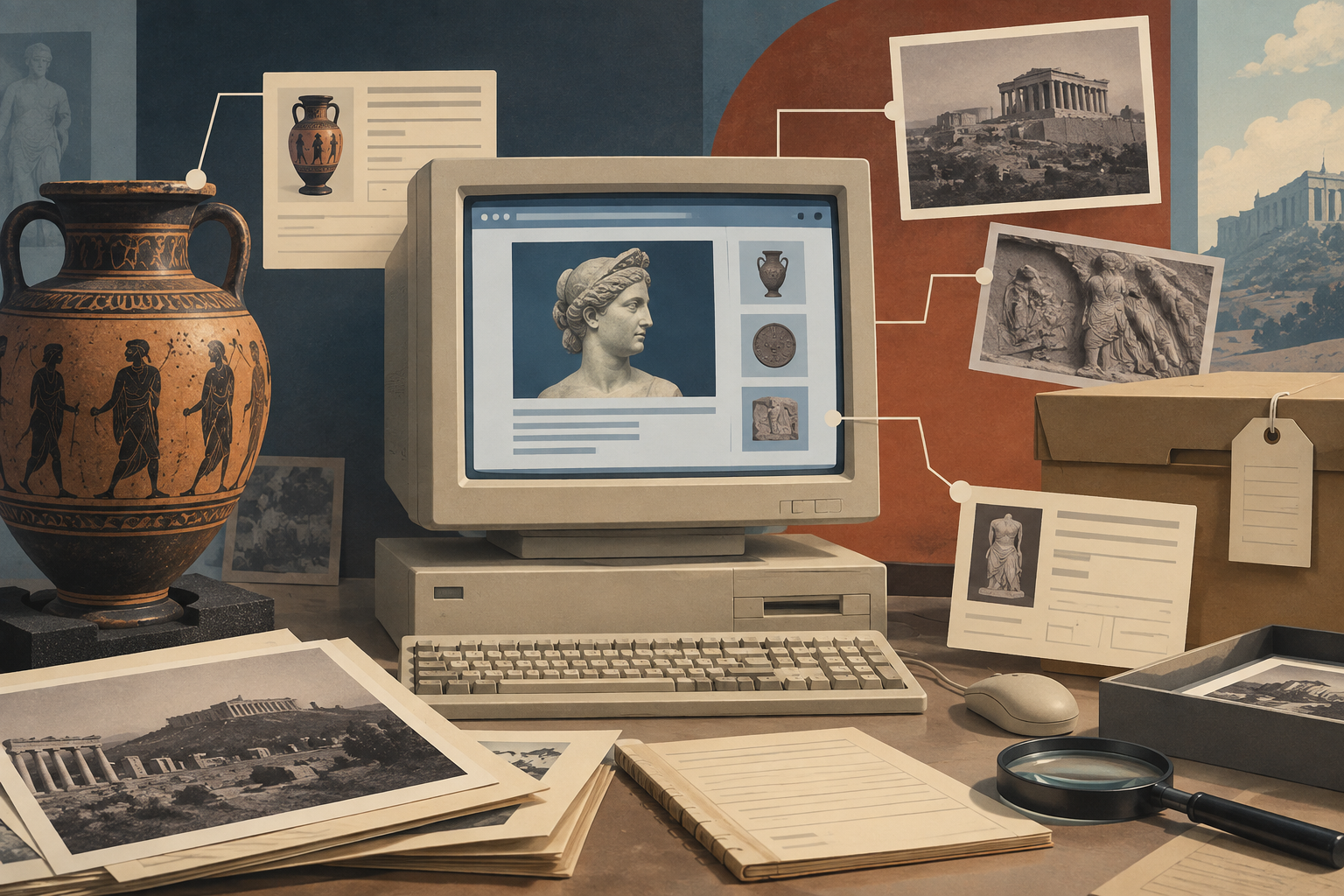
Open storyThe first museum presences online opened new avenues for consultation, but they also raised a question that remains current: a digital copy can expand access without replacing an object’s documentation, provenance, and interpretive setting.
Open storyAn analysis of the boom in Spanish adult-comics magazines, their role as spaces for discovery, and their later decline, set alongside comics’ growing museum recognition.
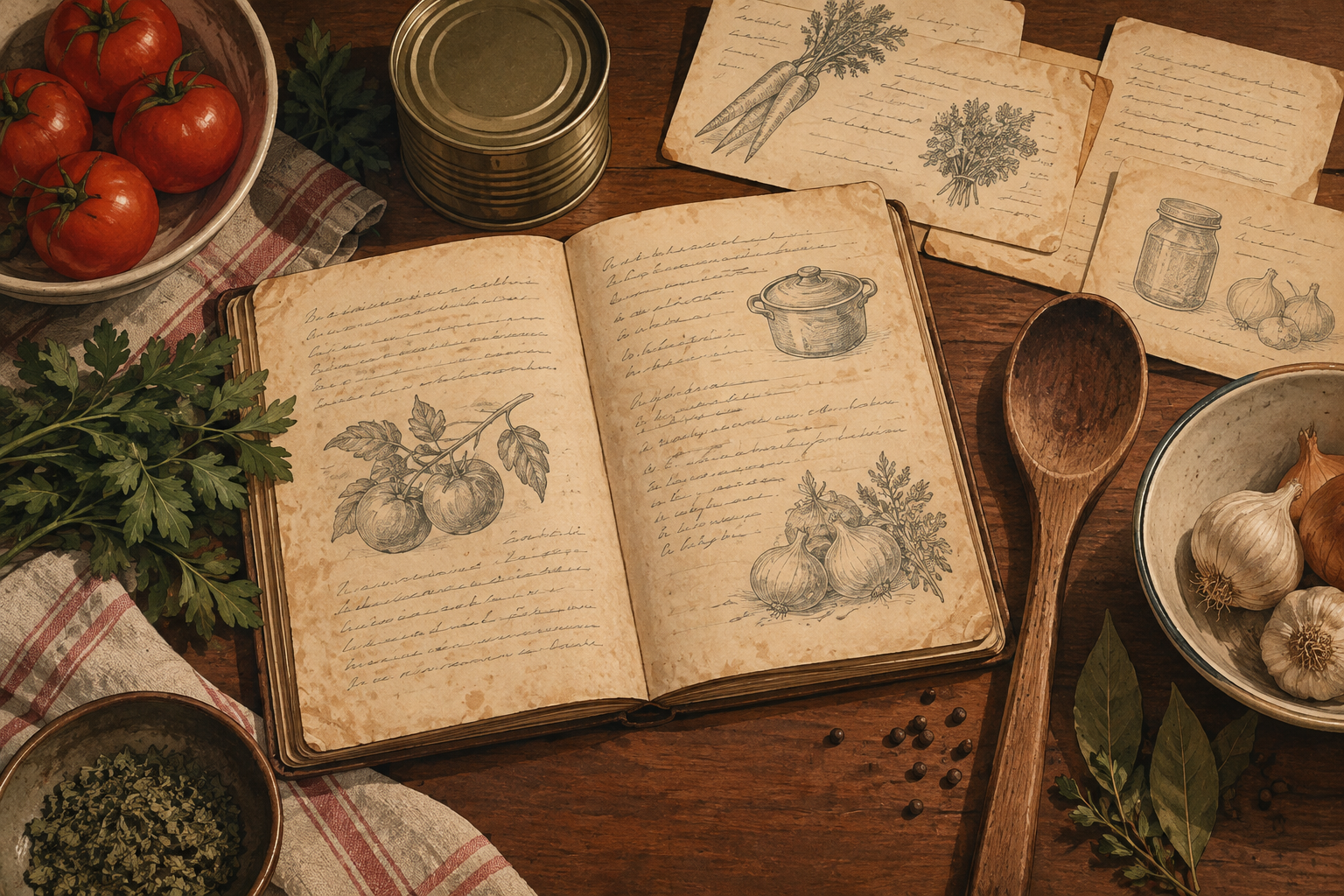
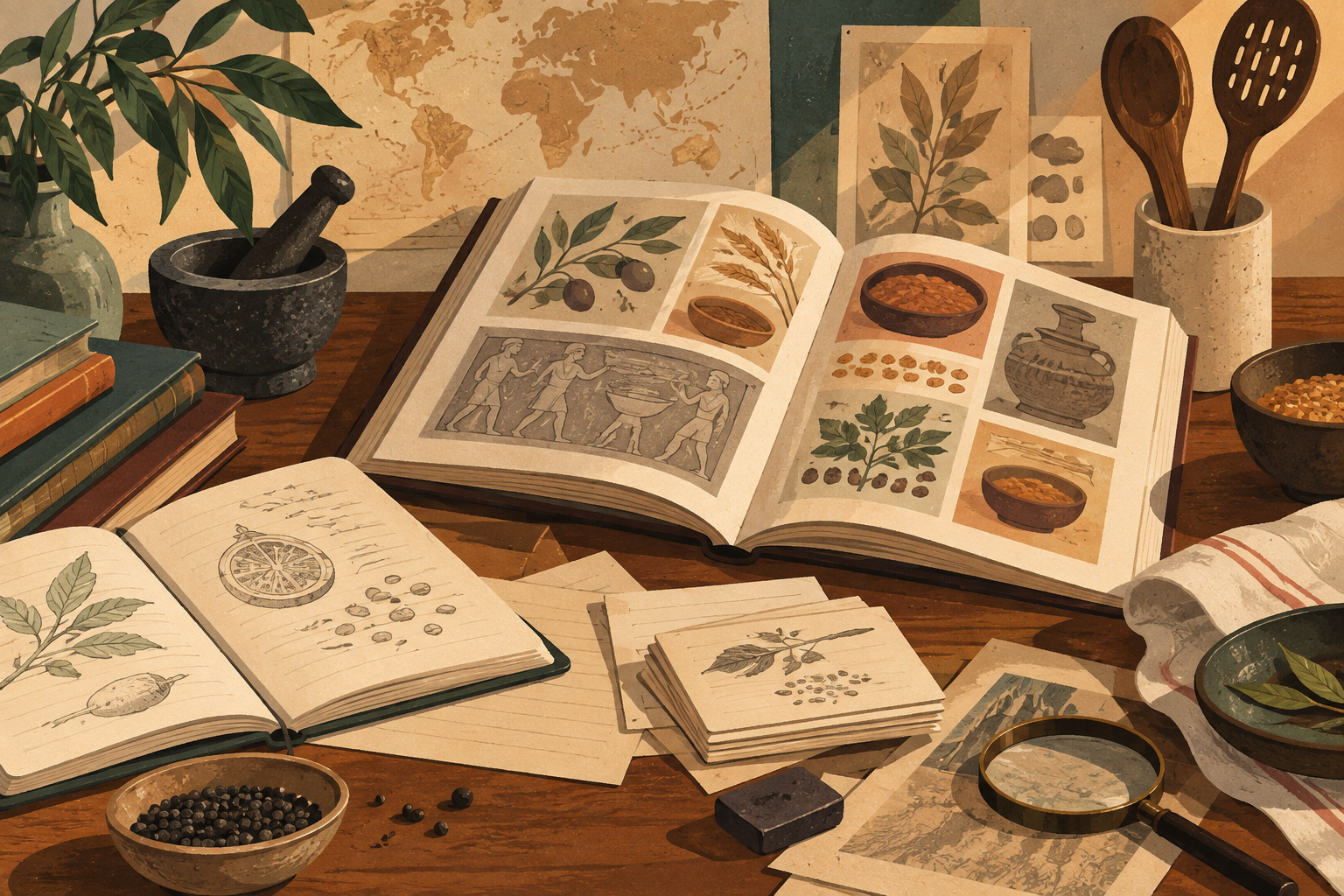
Open storyRecipe books, labels, tins and culinary documents can be read as evidence of habits, aesthetics and memory, provided they are preserved and contextualised without turning nostalgia into automatic historical proof.
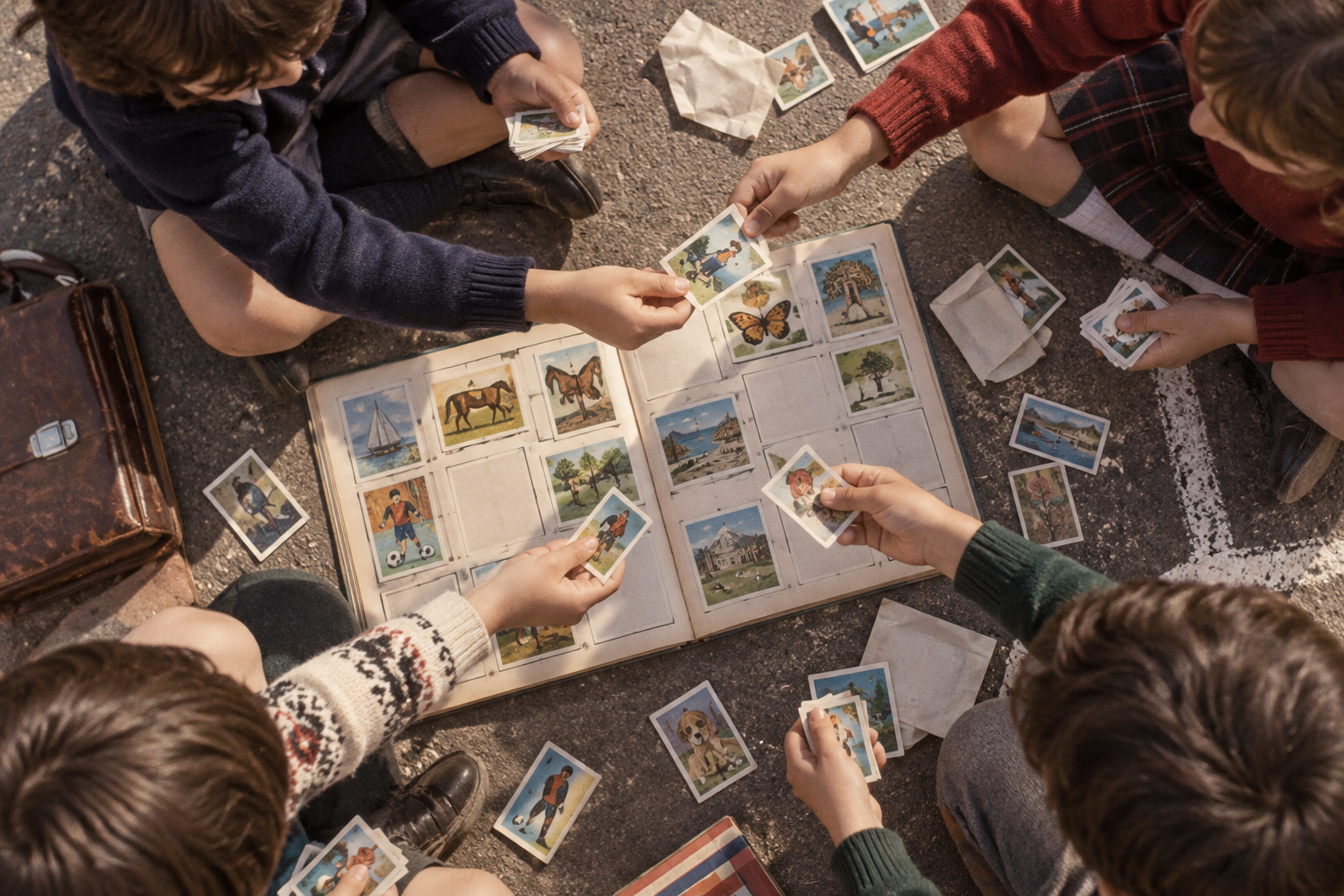
Open storyA cautious history of Spanish sticker albums: their connection with consumer goods, sale in packets, football and the collective practice of trading duplicates.
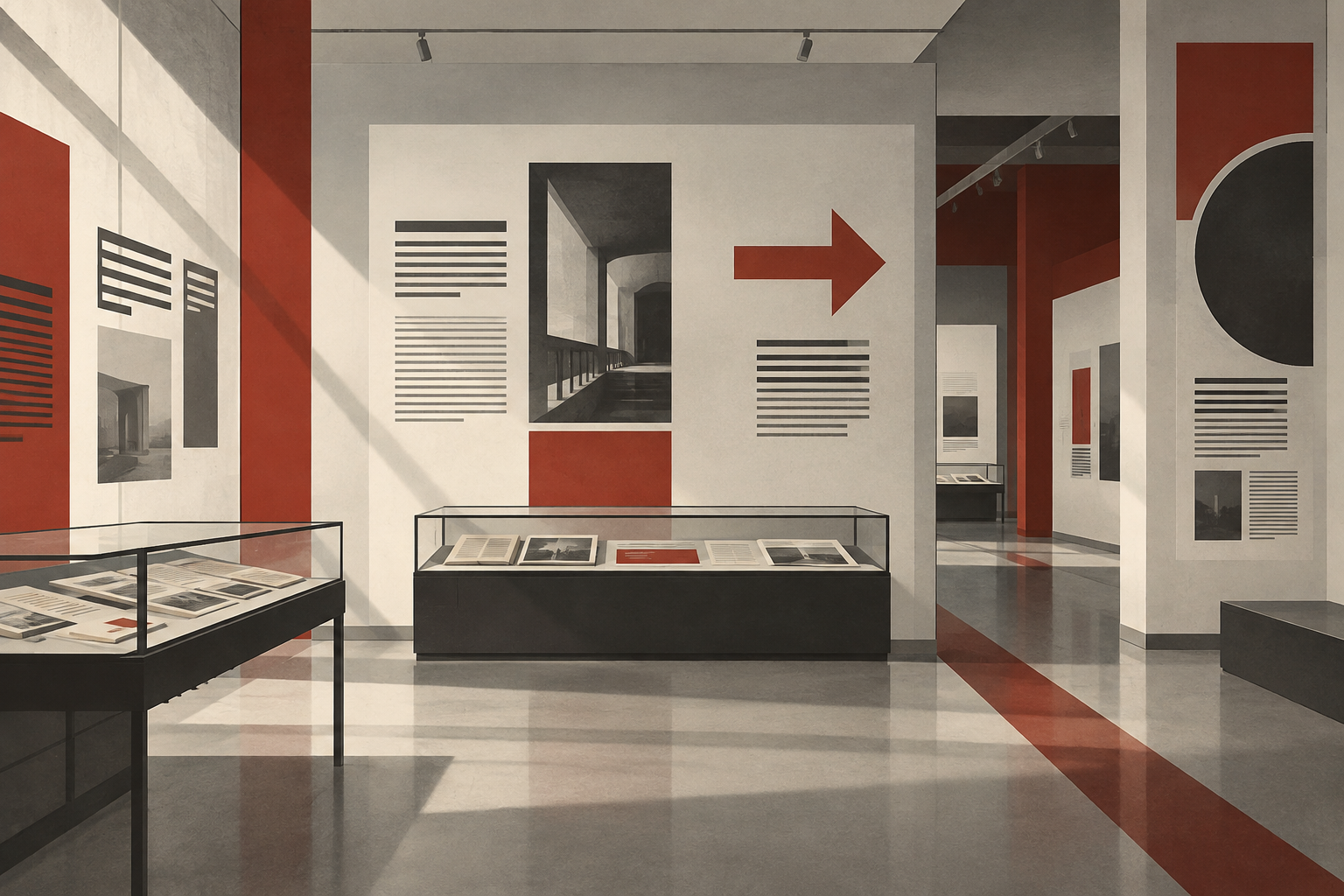
Open storySignage, labels, catalogues and promotional material are not merely packaging for collections. Drawing on sources about documentation, archives and museum practice, this article examines how design structures a visit, shapes public interpretation and should be preserved with its context.
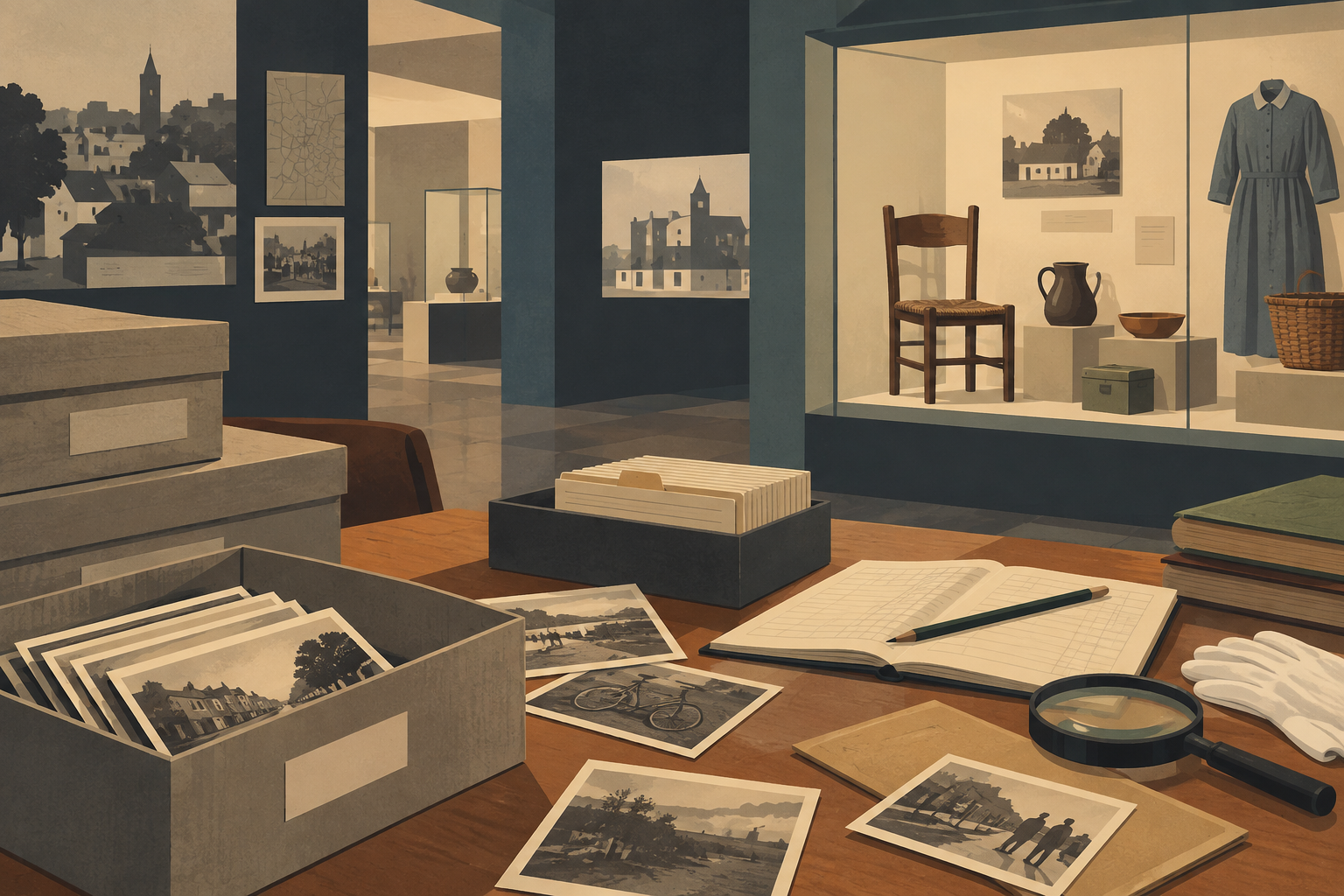
Open storyMuseum archives and collections do not only gather exceptional objects: they also make it possible to study everyday activities, customs, and relationships. Drawing on documented holdings in Spain and Latin America, this article examines what can be stated about that work and its limits.
Open storyThe creation of Mexico City’s Museo Archivo de la Fotografía, published on 6 December 2006, offers a way to examine why preserving images also means preserving their institutional, urban, and documentary context.
Open storyA look at the sources that turn food into historical material: academic studies, exhibition catalogues, bibliographies, archives, and ethnographic collections.
Open storyThe return of products, visual languages and references from earlier decades is not a simple reproduction of the past. Drawing on academic and journalistic sources, this analysis examines contemporary retro as an operation in design, consumption and identity, while identifying what the available evidence does not allow us to conclude.
Open storyStickers do not automatically have to become institutional heritage to deserve documentary attention. Drawing on Modena’s Museo della Figurina and basic principles of inventory, conservation and museum context, this analysis treats the album as a cultural source: a set of printed objects, themes, uses and memories in which the information matters as much as each item.
Open storyA critical reading of the history of everyday life: what it can reveal, which sources help study it, and why routines must not be mistaken for universal experiences.
Open story