Design and Advertising in the Museum: When the Archive Also Shapes the Story
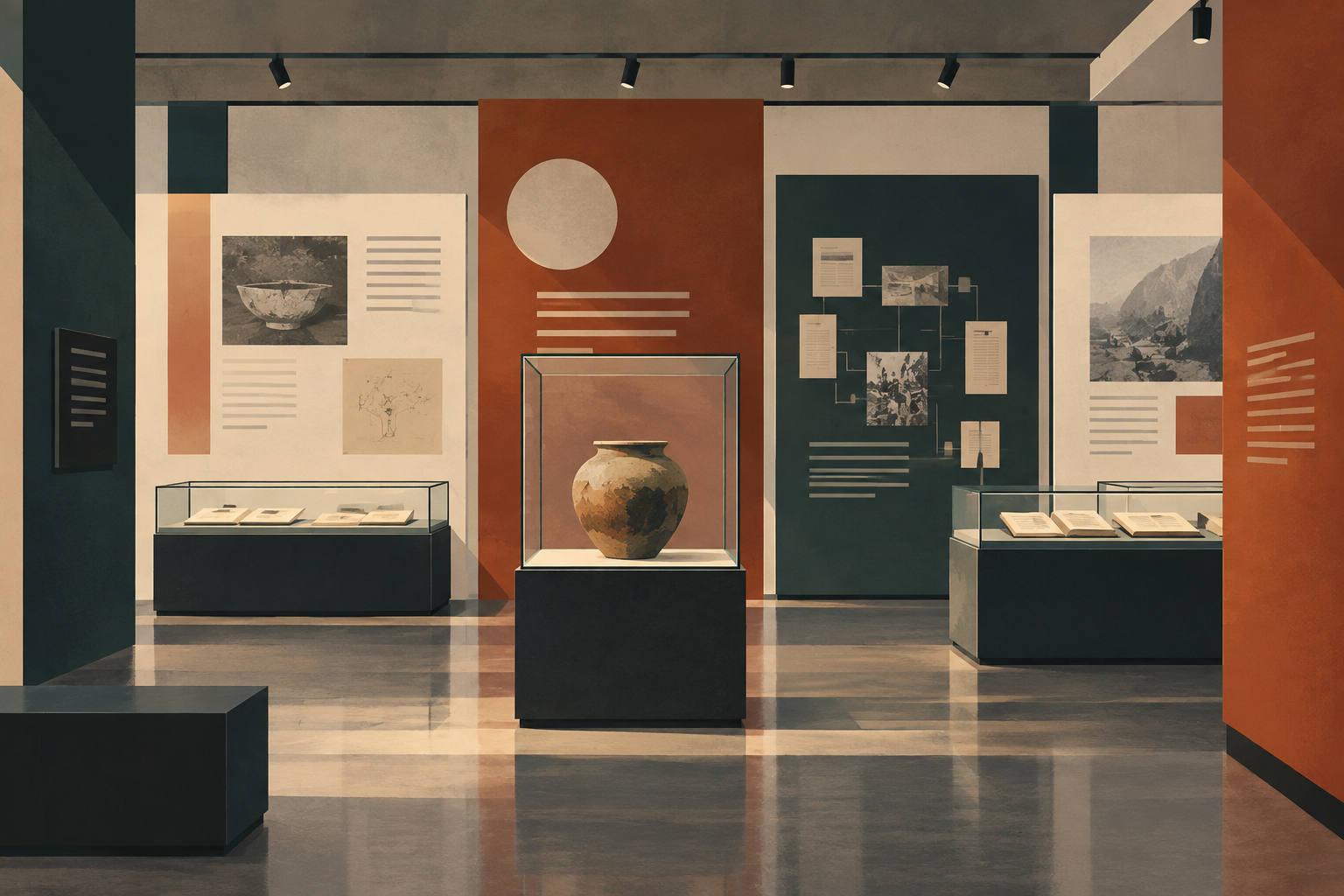
A critical reading of graphic design, documentation and advertising as layers that shape how a museum preserves, interprets and communicates its heritage.
Open storyArchive of technology, entertainment and everyday life
A critical reading of graphic design, documentation and advertising as layers that shape how a museum preserves, interprets and communicates its heritage.
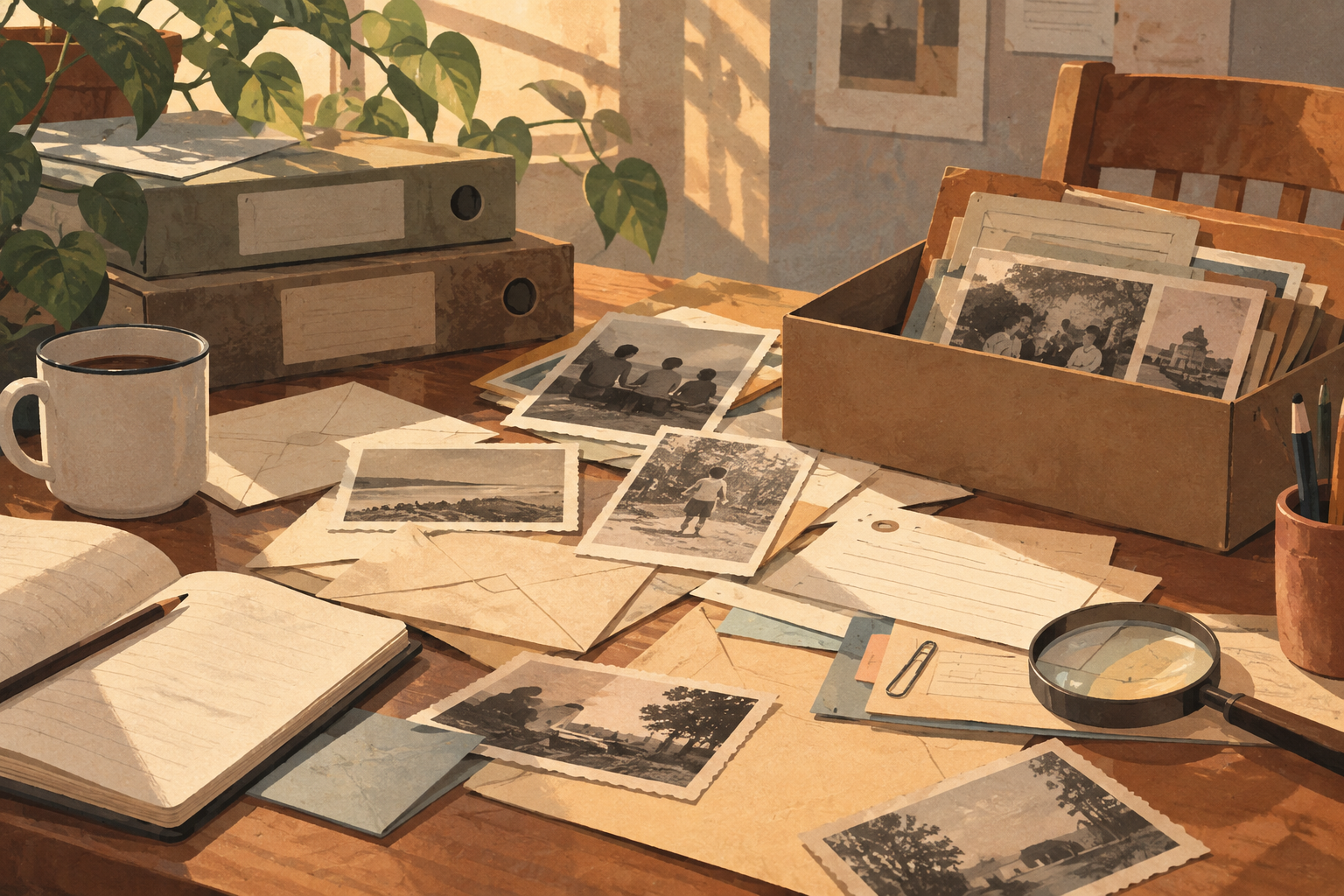
Open storyCreated in Mexico City in 2006, the Museum Archive of Photography makes it possible to read institutional photography not merely as illustration, but as a historical document. Its case raises a decisive question: how to preserve, describe and make accessible images created for the everyday management of a city.
Open storyA cautious reading of Spanish television from the 1970s to the 2000s: the screen’s consolidation in domestic life, the technical importance of colour, and the contemporary change brought by consulting television heritage through digital archives.
Open storyRecipe books, tins, labels and food-industry documents can be read as cultural heritage when they are preserved alongside their contexts of use. Drawing on the work of Museo da Conserva and sources on museums and food, this article examines what these materials can reveal, what cannot be claimed from them, and why nostalgia should be an entry point rather than a conclusion.
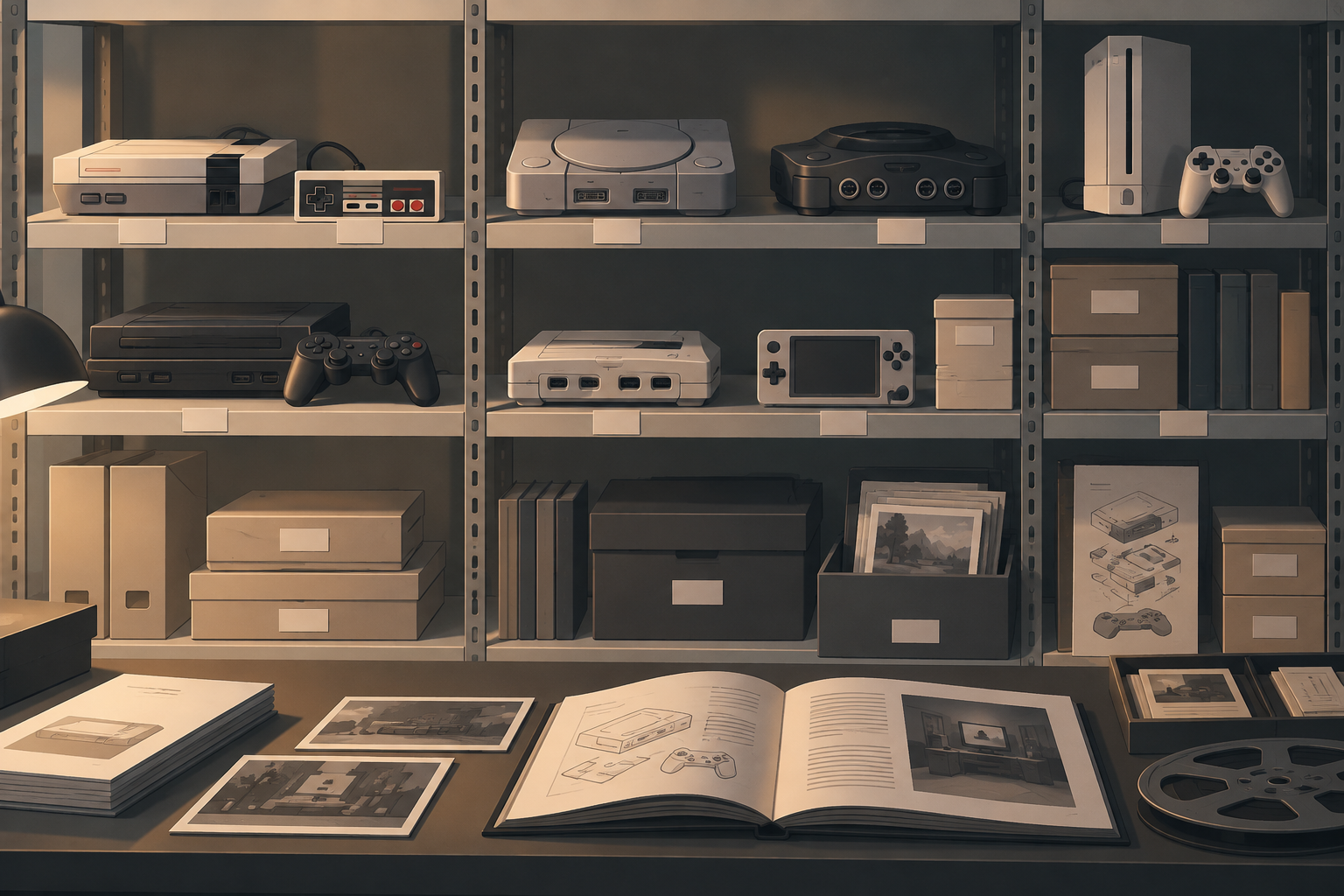
Open storyPreserving a console as an isolated object says little about its cultural life. Drawing on museum and archival principles, this analysis proposes viewing the console, its documentation, context, and public access as an inseparable whole, without assigning a specific model a history not documented by the available evidence.
Open storyAn editorial guide to approaching the history of everyday life through sources, contexts, and verifiable limits rather than isolated memories or grand historical narratives.
Open storyThe 2006 creation of Mexico City’s Museo Archivo de la Fotografía provides a way to examine a central question: an image is not only what it depicts, but also who produced it, why, how it was preserved, and what information makes it accessible.
Open storyAutomobile museums do not merely display vehicles: they also preserve engines, components, manuals and evidence of use to explain the relationship between technology, society and material culture. A look at documented cases in Torrejón de Ardoz, Turin and Galicia.
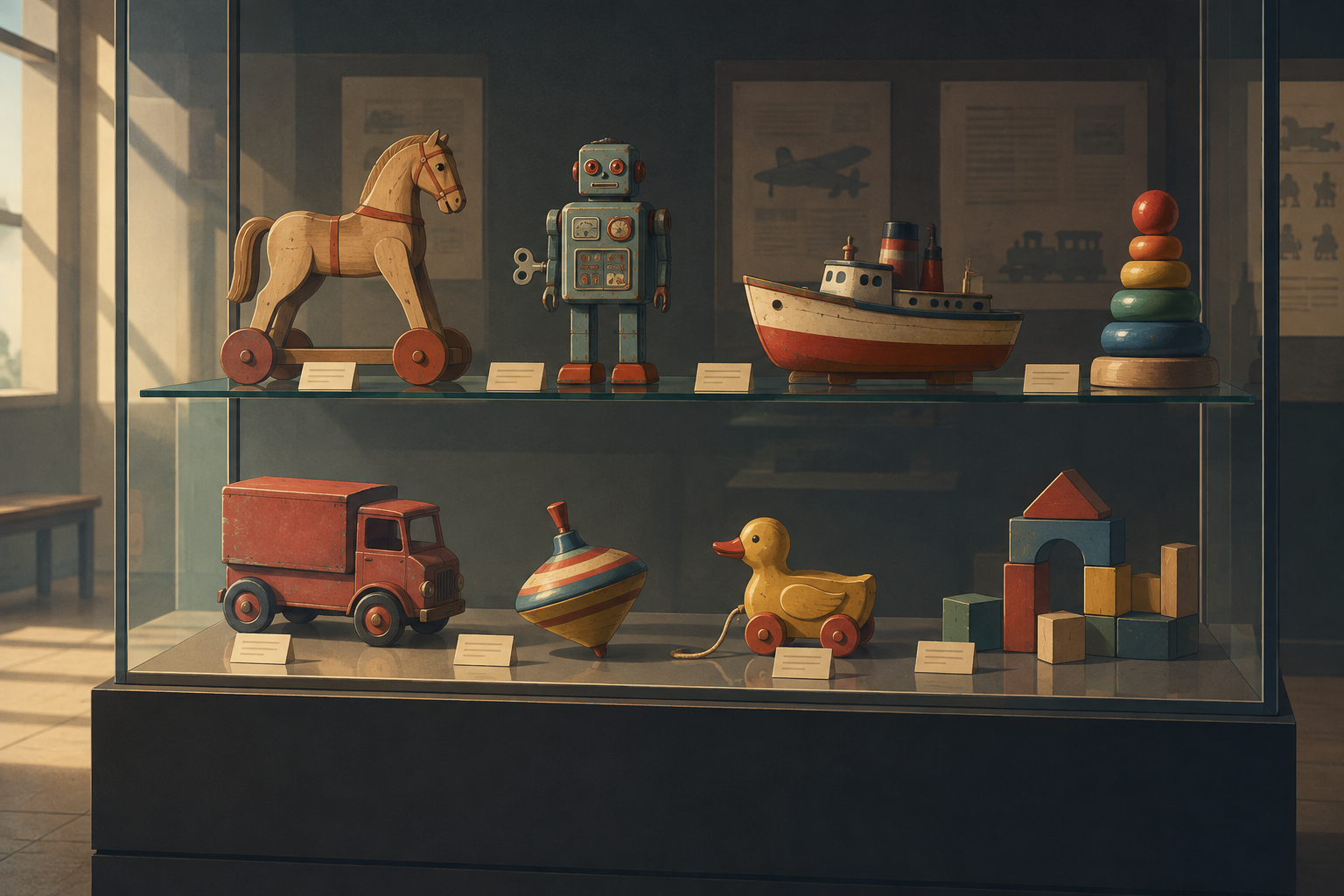
Open storyToys do more than evoke childhood: their materials, purchase routes, uses, and preservation make social transformations legible. Drawing on museum and academic sources, we examine what can—and cannot—be claimed when a toy enters a collection.
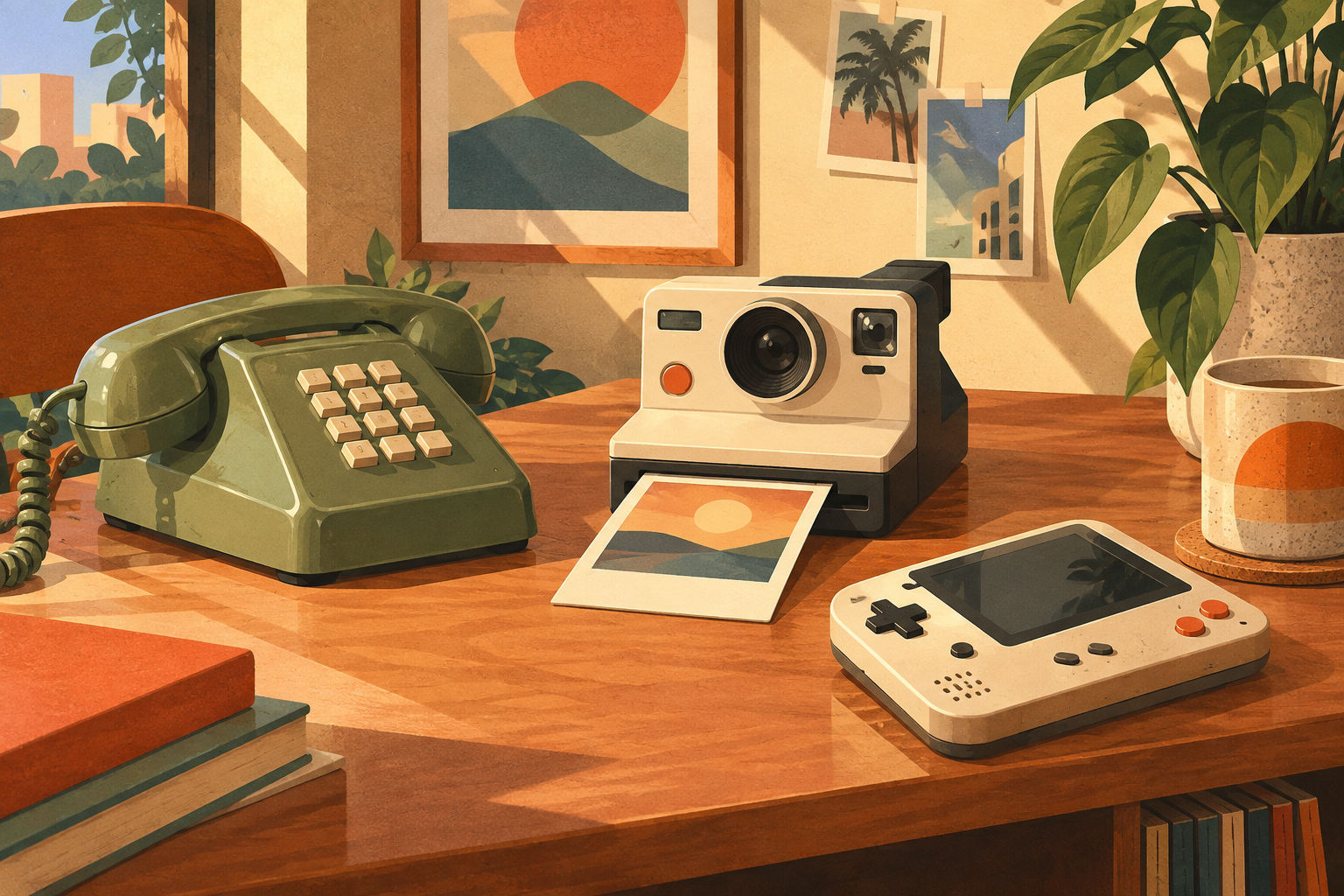
Open storyA critical reading of contemporary retro based on the available evidence: products and designs that recover codes from the past to address current needs, tastes, and strategies of differentiation.
Open storySeveral sources place a decisive transformation of the board-game industry in the 1990s: supply grew, eurogames became popular, and a broader conversation about authors, publishers, audiences, materiality, and digital play took shape. This analysis separates documented evidence from possible interpretations.
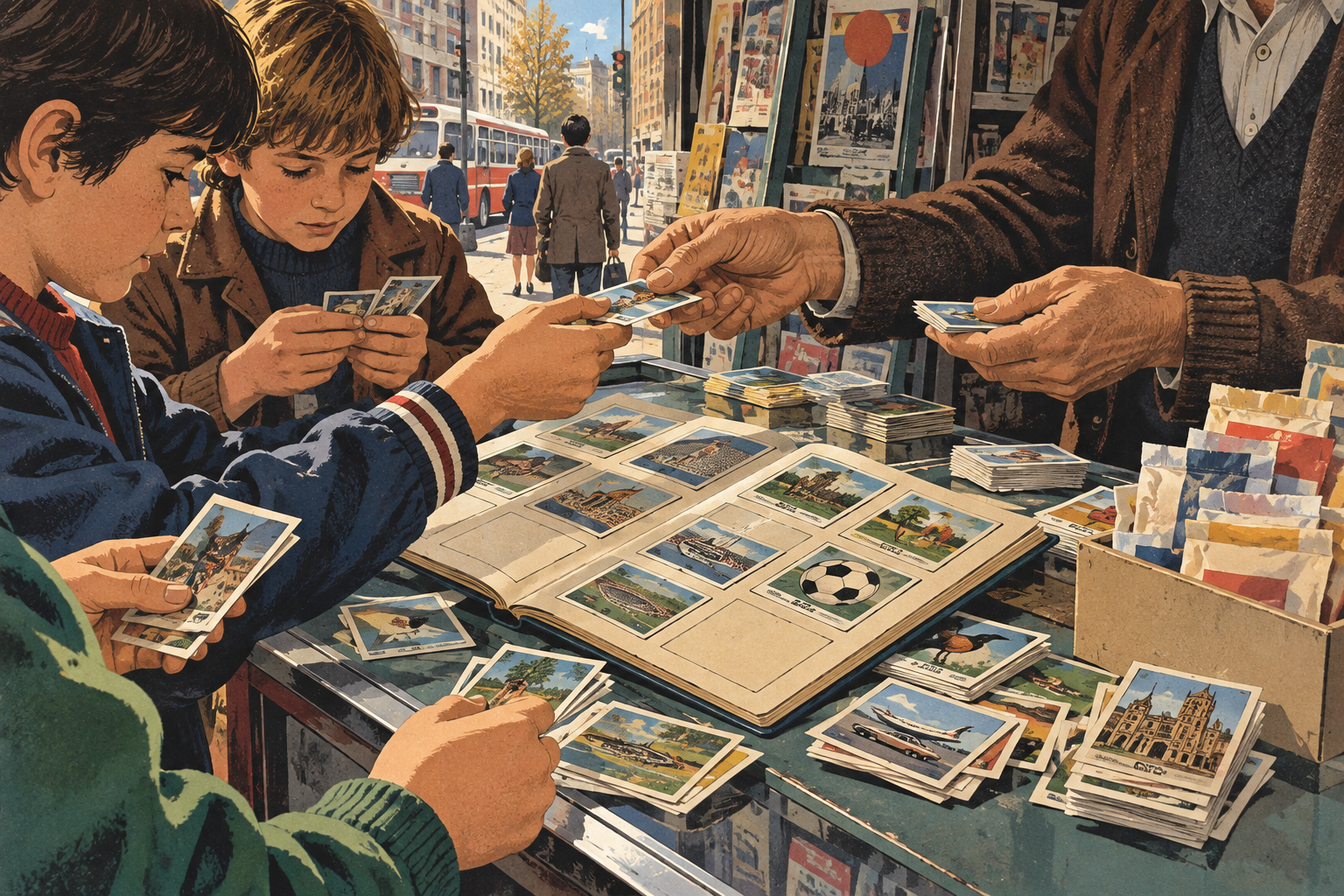
Open storyA journey from promotional prints and early albums to packet buying, incomplete albums and duplicate swapping: a material culture that took on a recognizable form in twentieth-century Spain.
Open story